
Chiang Mai is panicking a bit. Mostly over fresh paint.
Walk through the old city and you will see it. A graffiti-streaked wall, gone. A tired utility box, suddenly being repainted the colour of optimism. Another wall suddenly adorned with designer graffiti. A billboard that has loomed over Chiang Mai Gate for years, now the subject of urgent, discreet removal. Even the sightline through Tha Pae Gate is being fussed over, as though the gate itself might fail this all-important exam.
We all know what is going on. Say it with me—UNESCO!
Between the 3rd and 8th August, an evaluator from the International Council on Monuments and Sites will spend six days in Chiang Mai deciding whether a decade of ambition, a mountain of paperwork and apparently, a great deal of primer, adds up to a city worthy of UNESCO World Heritage status. ICOMOS’s appointed Bangladeshi national Sharif Shams Imon does not make the final call, but the UNESCO World Heritage Committee rarely disagrees with their evaluator’s recommendations. There is no second chance to make this particular first impression.


The man tasked with making sure the city doesn’t fumble it all is Suparoek Bhavilai, secretary to not one but four provincial committees overseeing the bid, a rather absurd fact he shrugs off as a burden he must bear.
He is, by his own account, an unlikely candidate for heritage saviour. Not an archaeologist, not a historian, not an architect. Although he is a Chiang Mai University graduate with an American MBA, he has been away from home for three decades and has no interest in the ten year UNESCO journey to date. Having spent his career in Shin Corporation’s satellite business before drifting, almost by accident, into the business of saving old cities, he ended up helping land successful UNESCO nominations for Si Thep and Phu Phrabat. He was promptly recruited for Chiang Mai’s main event and is leading the charge.
The operation he runs is genuinely impressive. His job has nothing to do with pesky things such as temple history or local culture or happy communities and everything to do with getting three municipalities, assorted temple abbots, engineers, tourism boards, universities and business owners to agree on anything at all, which in Chiang Mai—the infamous Muang Prab Sien—is its own kind of miracle.
“People think this is about preserving old buildings,” he says. “It’s really about how the whole city works together.” And anyone who has attempted to work on large scale projects across government, private, business and especially here in Chiang Mai, the cultural sectors, can sympathise.
Officials put the nominated sites at roughly 90 per cent ready, and the remaining ten per cent is unglamorous: graffiti removal, repainted signboards, tetchy conversations with the owners of oversized advertising structures near Chiang Mai Gate, Chang Phueak Gate and Tha Pae Gate, all erected legally, all now suddenly unsightly. Nobody is being forced to take anything down, of course. But they are being asked, very politely, to consider it, at least for six days in August…pretty please.
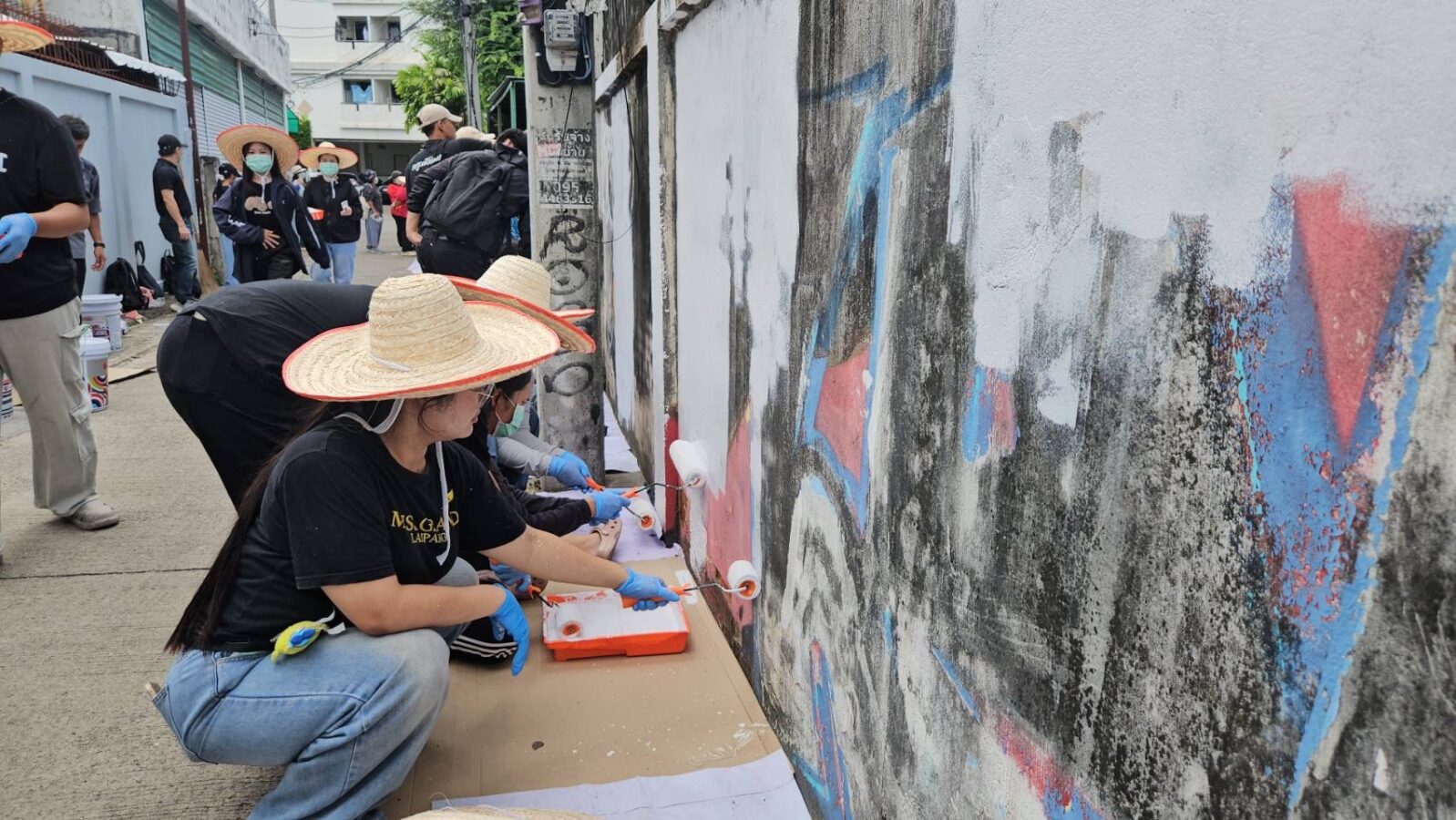
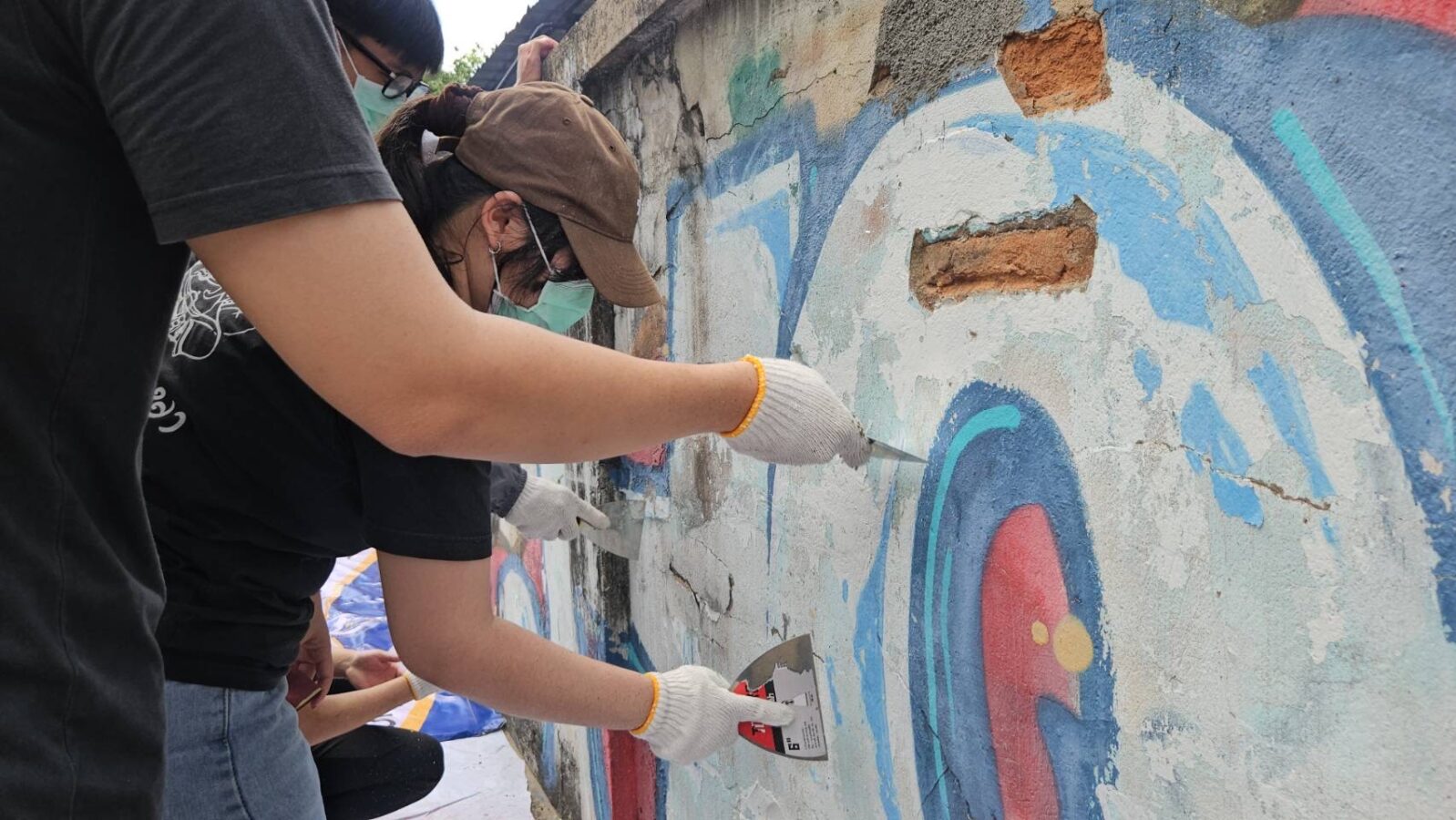
There is something almost endearing about a city scrubbing behind its ears—Potemkin-like—for a house guest, right up until you remember the guest is grading us on authenticity. The inspector will not simply admire temples. He will interrogate whether the old city has kept its integrity, and more pointedly, whether Chiang Mai can actually manage what it is asking the world to protect—from flooding at Wat Suan Dok’s car park to whatever transport scheme someone eventually proposes near Doi Suthep.
“It isn’t about putting a fence around these places,” Suparoek says. “They have to stay alive.”
Suparoek himself is pragmatically unsentimental about motive. “For me, it’s about tourism and the economy,” he says.
And here is the thing: for all the last-minute scrubbing, the performative tidiness, the billboard diplomacy and the faint whiff of a student cramming the night before finals, the bid itself deserves to succeed. Chiang Mai is worth protecting properly, not just for six days in August but for the decades after, whatever the committee decides.
Suparoek, asked to reflect on the years of work behind him, declines the invitation entirely. “I don’t care about the past,” he says. “I don’t care about what has been done before.” Then, with the confidence of a man who has clearly said this before and rather enjoys saying it: “Let’s just get this one in.”
Well. There you have it.
