
As Thailand continues to grapple with increasingly serious air pollution, one Chiang Mai initiative is turning unwanted air conditioners into something rather precious: the gift of clean air for those who need it most.
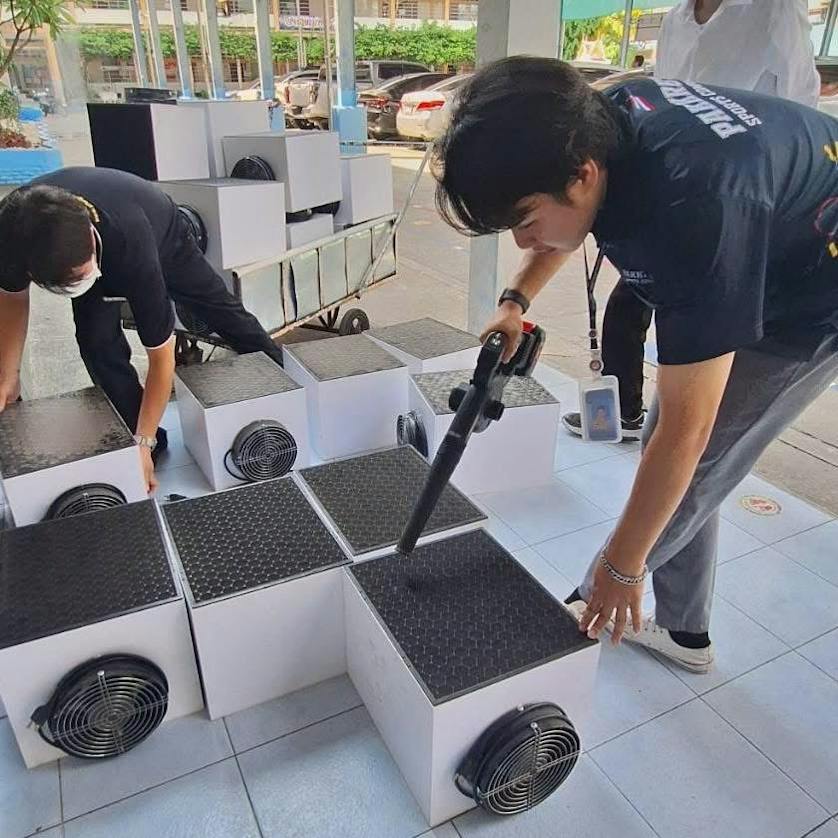
The CSR Chiang Mai Air Conditioner Bank, a collaborative initiative involving Boonthavorn Chiang Mai, Citylife and public and private sector partners, aims to collect, refurbish and redistribute used air conditioners and DIY air filtration units to vulnerable communities. The idea is simple but potentially far-reaching: rather than allowing unwanted equipment to go to waste, give it a second life helping protect people from the harmful effects of PM2.5 pollution.


And while Chiang Mai’s annual haze season has become synonymous with Thailand’s air pollution crisis, the problem is by no means confined to the North.
Thailand experiences different patterns of air pollution throughout the year, depending on geography, weather conditions and local sources of emissions. In northern Thailand, including Chiang Mai, Chiang Rai, Lampang and Mae Hong Son, the most notorious period is generally January to April, when agricultural burning, forest fires and smoke drifting across borders combine with dry weather and atmospheric conditions that trap pollutants in the valleys. March and April are often particularly difficult months.


In Bangkok and the Central and Eastern regions, the worst pollution frequently arrives during the cooler months, particularly November to February. Vehicle emissions, industrial activity, construction dust and stagnant atmospheric conditions contribute to dangerous concentrations of fine particulate matter. The Northeast also experiences seasonal pollution associated with agricultural burning, particularly during the dry season and the transition into summer.
Southern Thailand generally enjoys better air quality, thanks partly to its tropical climate and rainfall, although it is not immune to pollution. Depending on the season, parts of the South can also experience transboundary haze from agricultural and forest fires in neighbouring countries.


There is no single pollution season affecting the entire country. Different communities face different challenges at different times of the year and vulnerable people often have the fewest resources to protect themselves.
Operating through a public-private-community partnership (PPP), the project brings together local government, businesses, organisations and individuals to collect donated air conditioners, coordinate their refurbishment and distribute them to places where they can have the greatest impact.


The programme has three principal channels for receiving donations: formal Memorandums of Understanding with partner organisations, fundraising and donation activities through events such as Citylife Garden Fair and direct contributions from individuals and businesses.
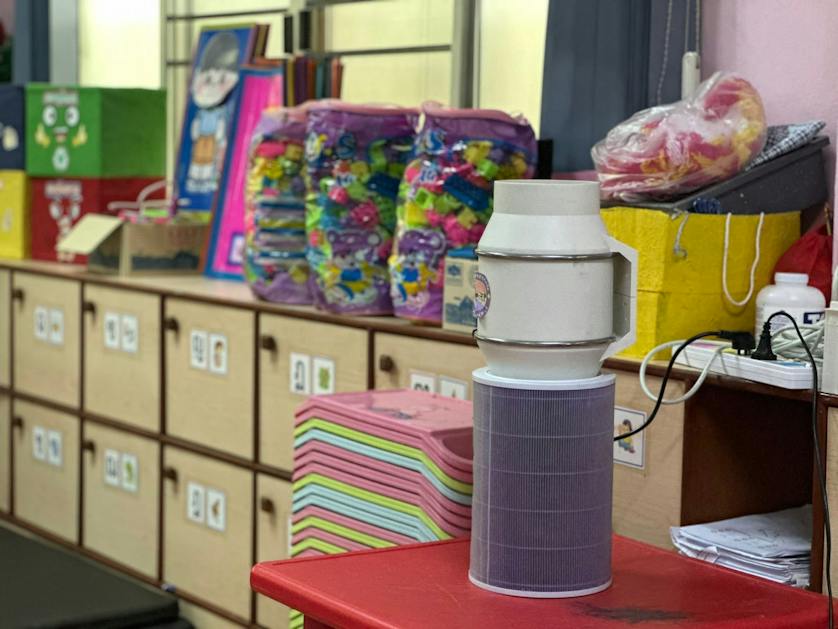
The beneficiaries will include elderly people, bedridden patients, schools, child development centres, hospitals, community health centres and local administrative organisations. These are places where people may spend many hours indoors, often without access to adequate air filtration or cooling.


The initiative also embraces an imaginative approach to charitable giving through its ‘Wreaths of Merit’ campaign. Rather than traditional funeral wreaths, air purifiers are beautifully arranged as respectful floral tributes. Following funeral ceremonies, the equipment can be donated to the Air Conditioner Bank, transforming an expression of condolence into a lasting contribution to community health.


At this year’s 21st Citylife Garden Fair, taking place on 21st November at Boonthavorn Chiang Mai, the project will receive 30% of the fair’s fundraising proceeds. This contribution will help expand the programme, providing more air purifiers, filtration equipment and support for communities that need protection from air pollution.
The project will also be highlighted during the fair’s official programme, attended by the Governor of Chiang Mai Province. The Governor will present the CSR Chiang Mai Awards to ten local organisations recognised for their ongoing contributions to society, before visiting environmental and social responsibility exhibitions organised by Boonthavorn. The programme will include the air-purifier wreath competition and the presentation of DIY air filtration units to the CSR Chiang Mai Air Conditioner Bank, ready for distribution to vulnerable groups, child development centres and hospitals ahead of the coming pollution season.


The Garden Fair is also reinforcing its environmental commitments under the theme ‘Zero Carbon for Zero PM2.5’, taking steps to assess and reduce the event’s greenhouse gas emissions through a Carbon Footprint of Event assessment, supporting Chiang Mai’s ambition to become a Low Carbon City.
For Citylife, the Air Conditioner Bank represents precisely the kind of practical, community-driven initiative that charitable fundraising should support. While tackling the causes of air pollution requires long-term changes in policy, agricultural practices, industry and transport, we cannot overlook the people who are breathing polluted air today.


Ultimately, clean air should not be a luxury reserved for those who can afford it. Through the CSR Chiang Mai Air Conditioner Bank, we hope to help make it something everyone can breathe a little easier knowing they have access to.
This year the Governor of Chiang Mai will join Citylife Garden Fair 2026 to present CSR Chiang Mai Awards to ten outstanding organisations and support the “Zero Carbon for Zero PM2.5” campaign. DIY air purifiers will also be donated to the CSR Chiang Mai Air Purifier Bank for distribution to vulnerable communities, childcare centres and hospitals.
