
CMU and Mekong–Korea Partnership Pioneers Edible Insect Innovation for Regional Sustainability
January 31
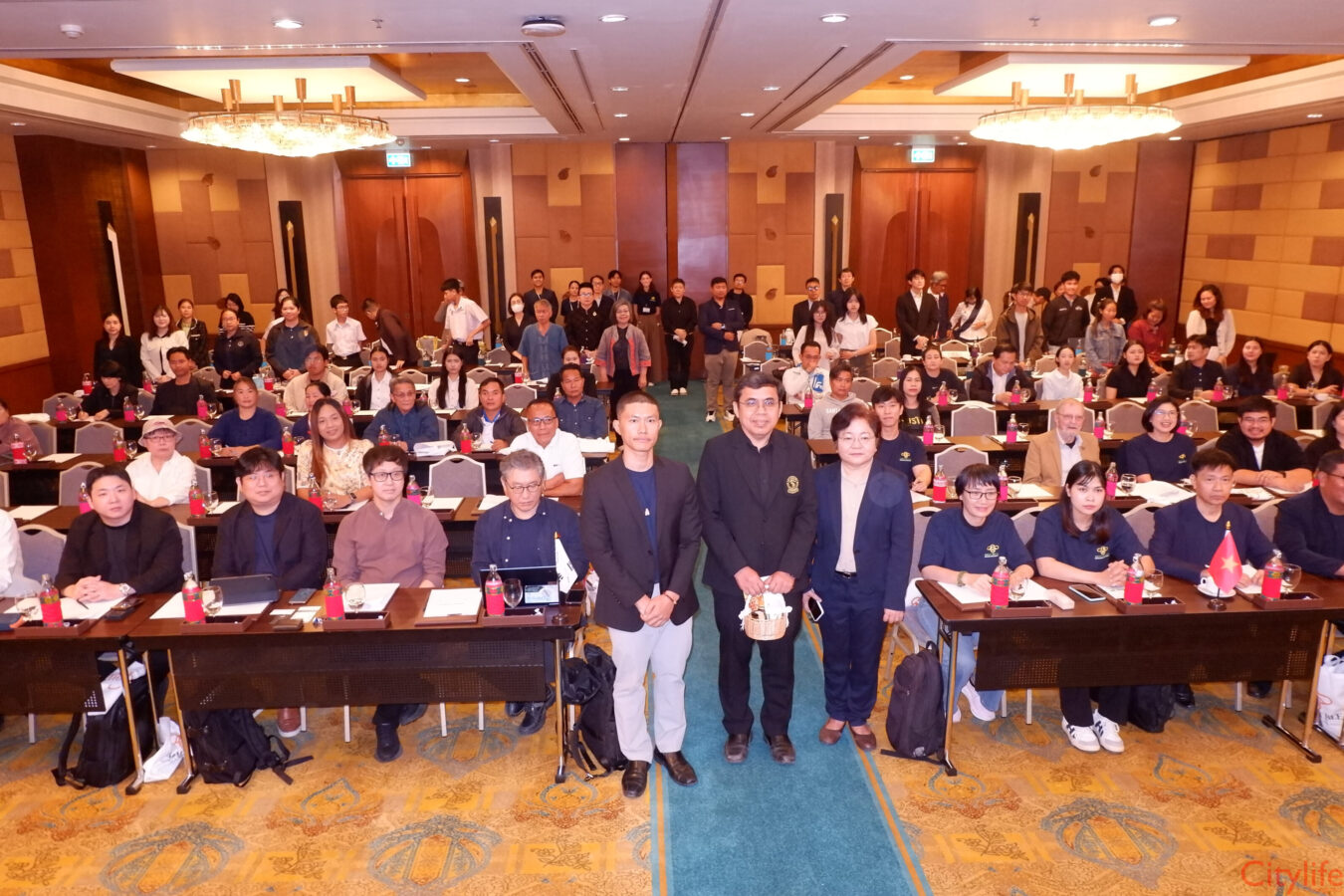
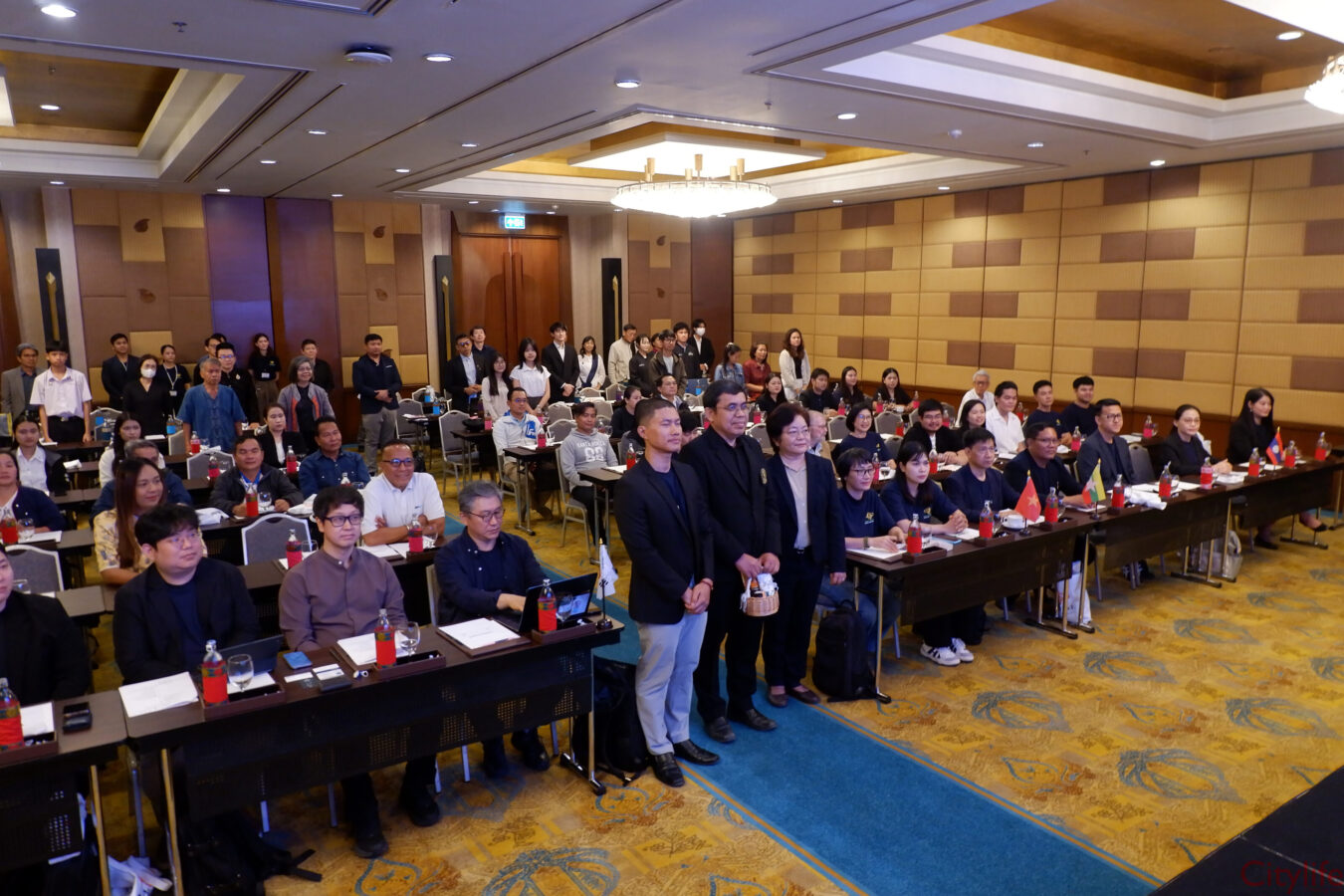
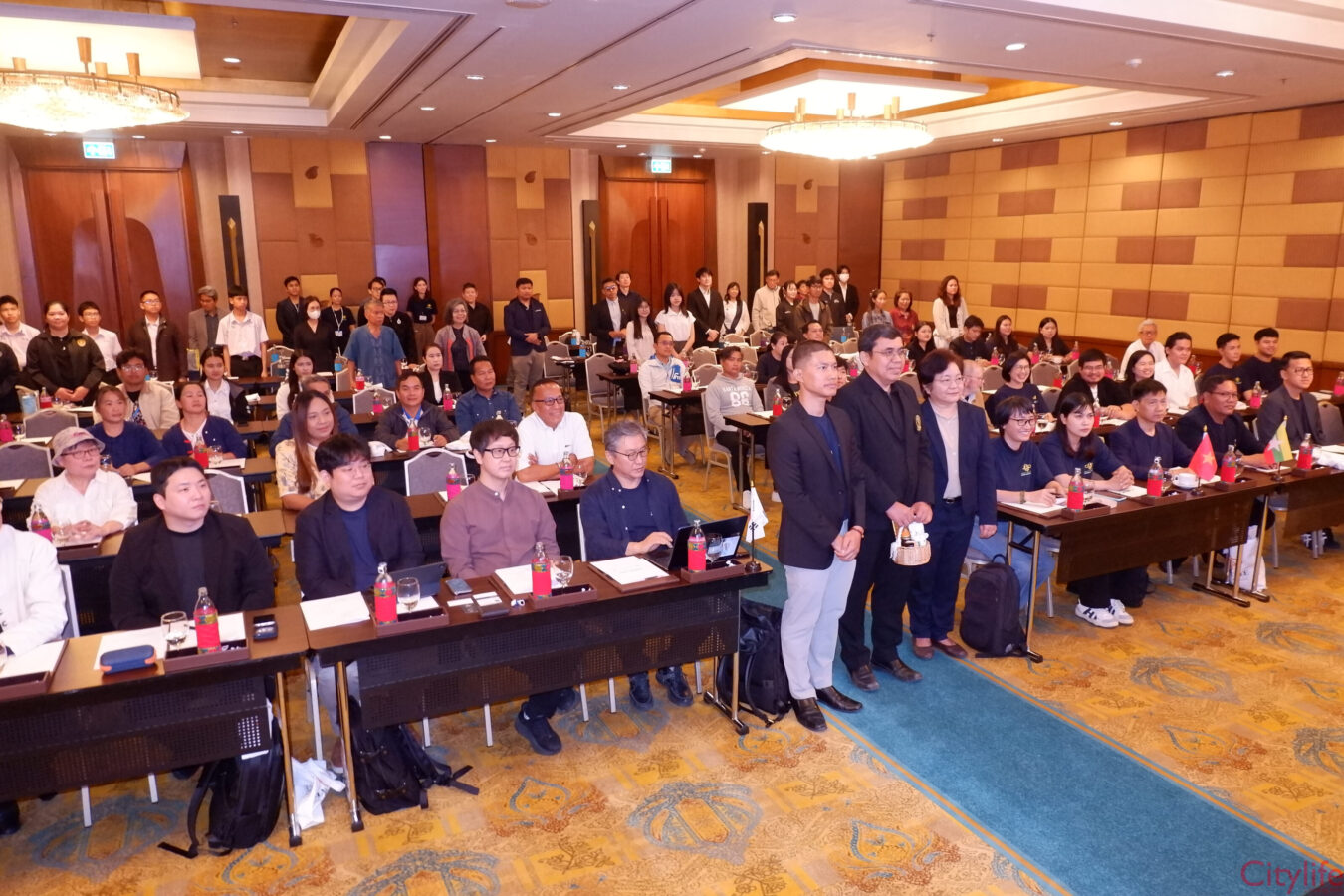
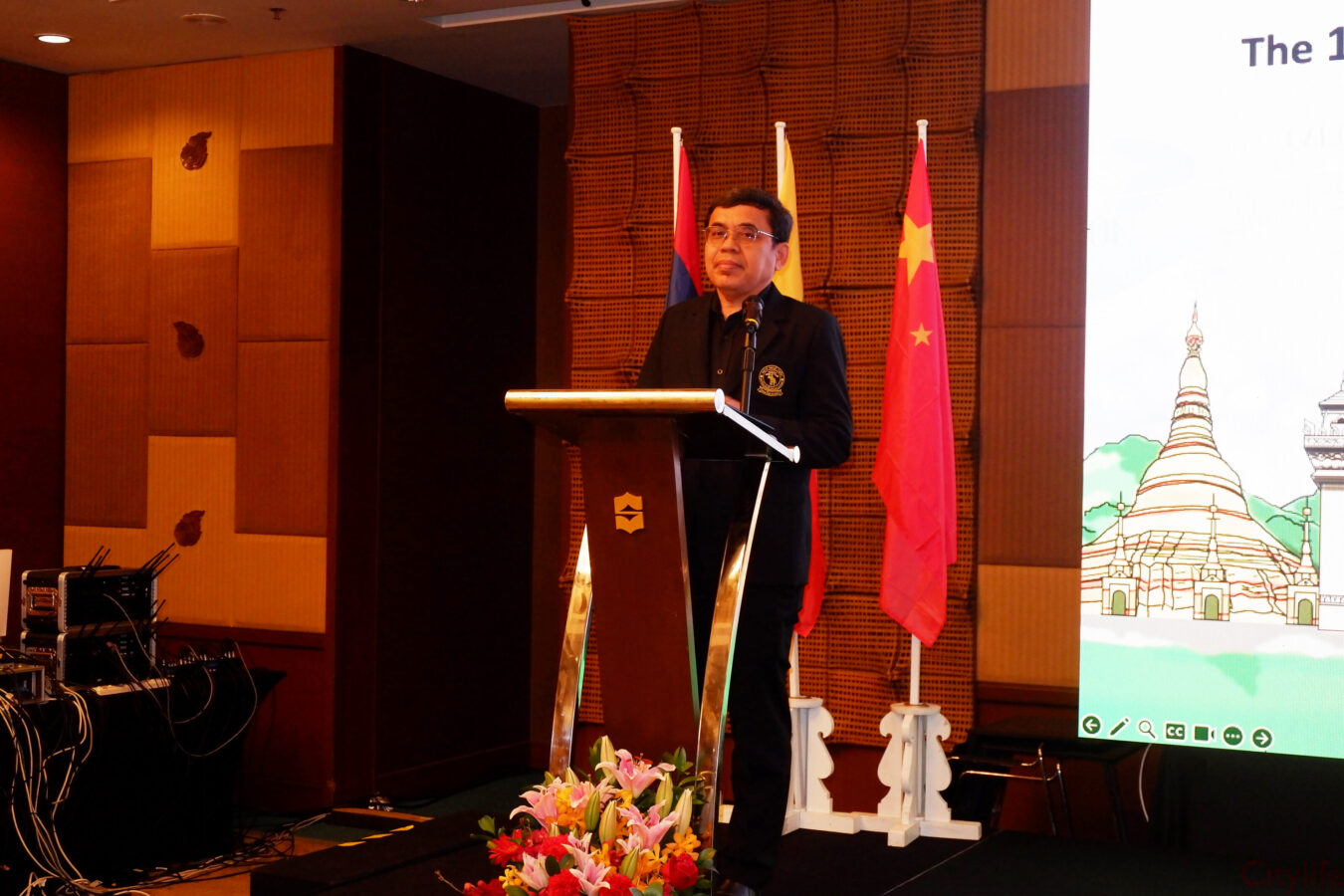
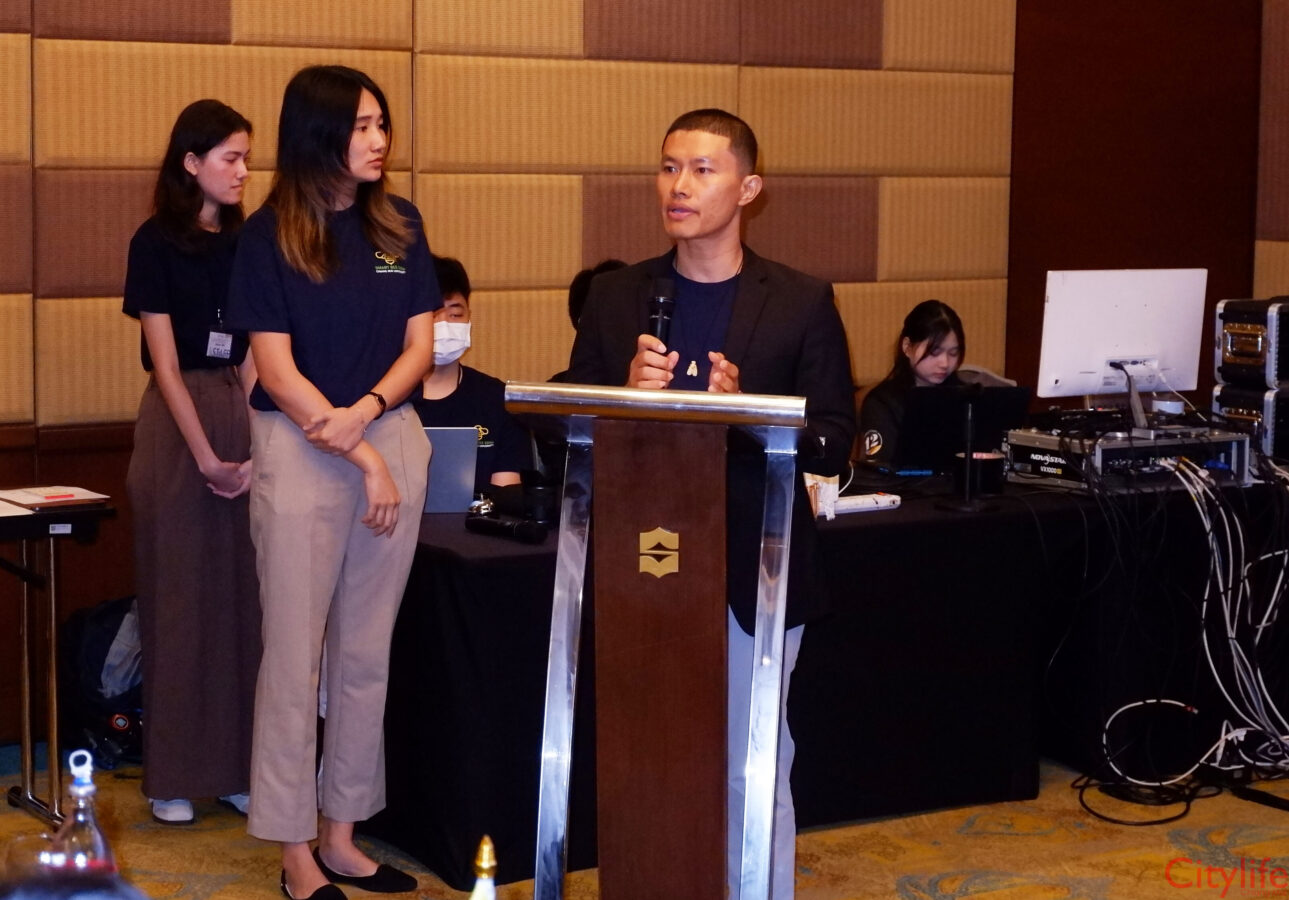
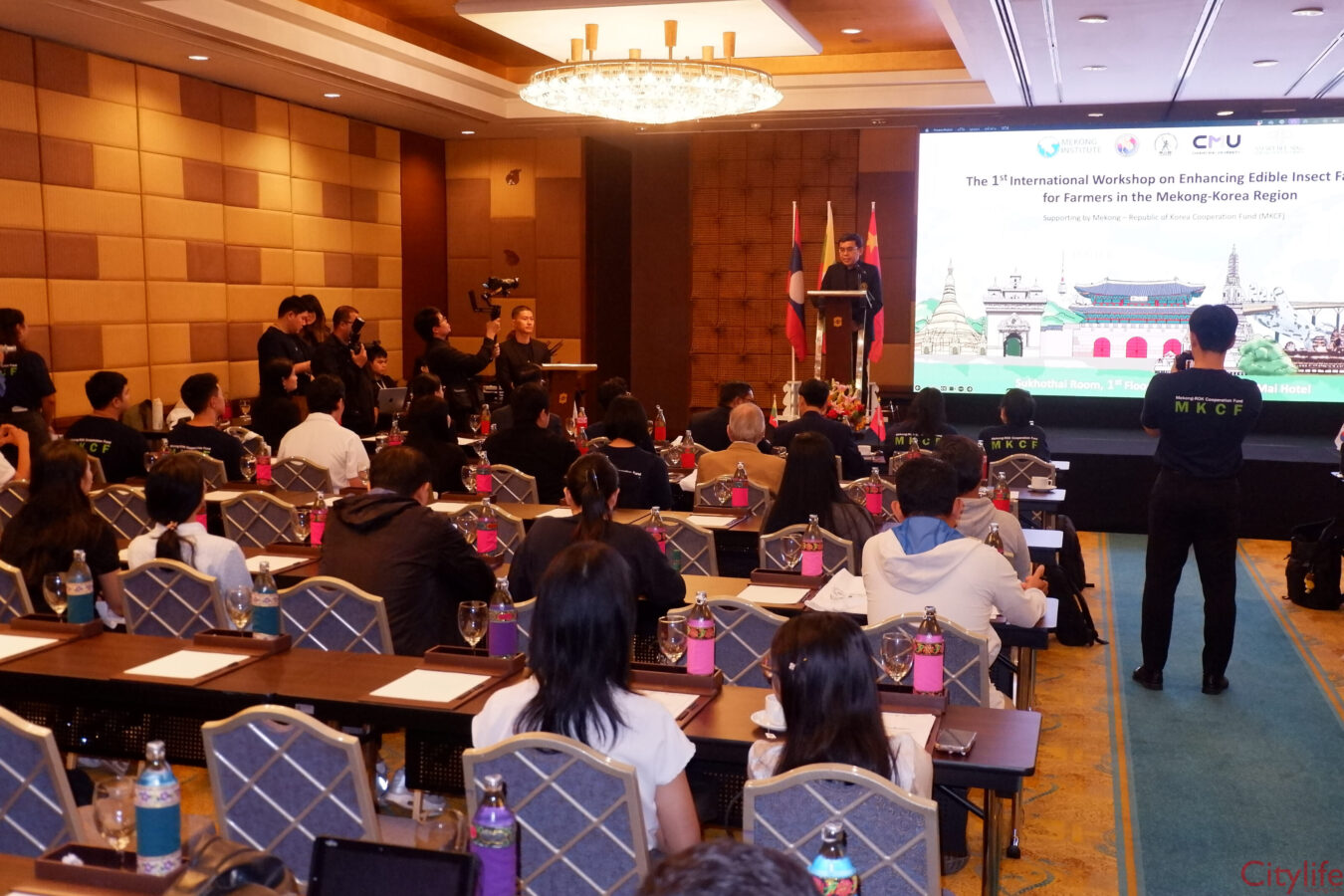
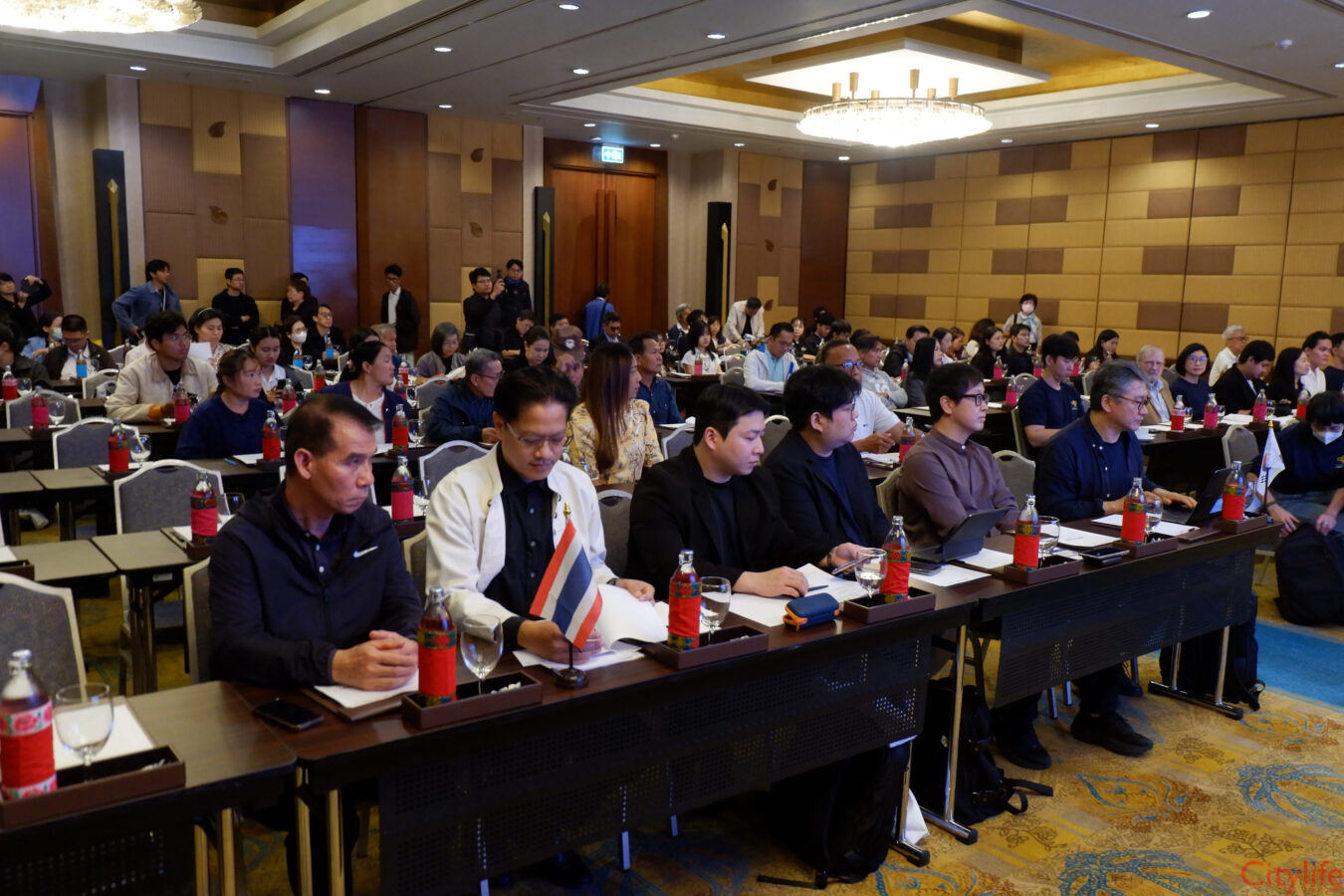
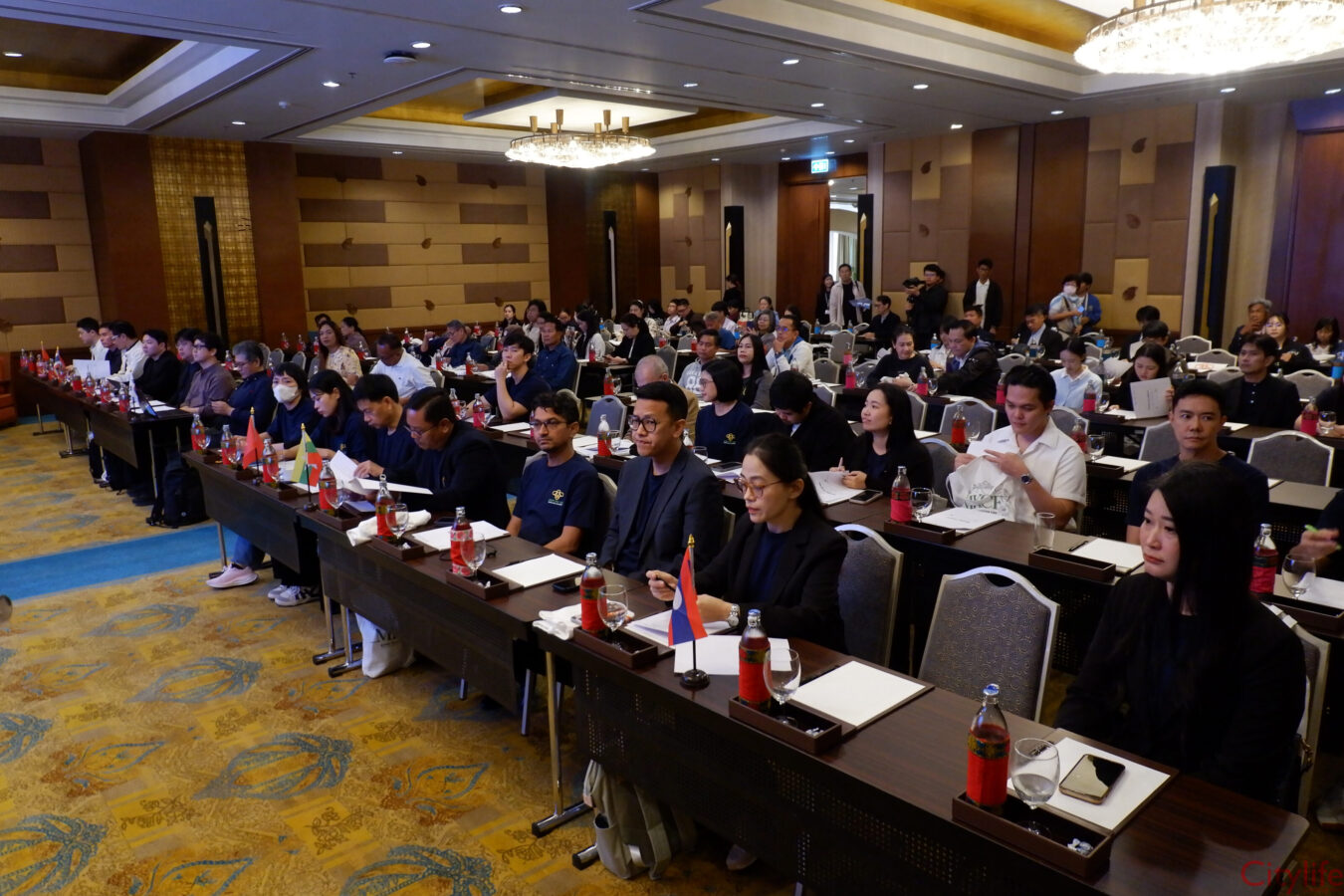
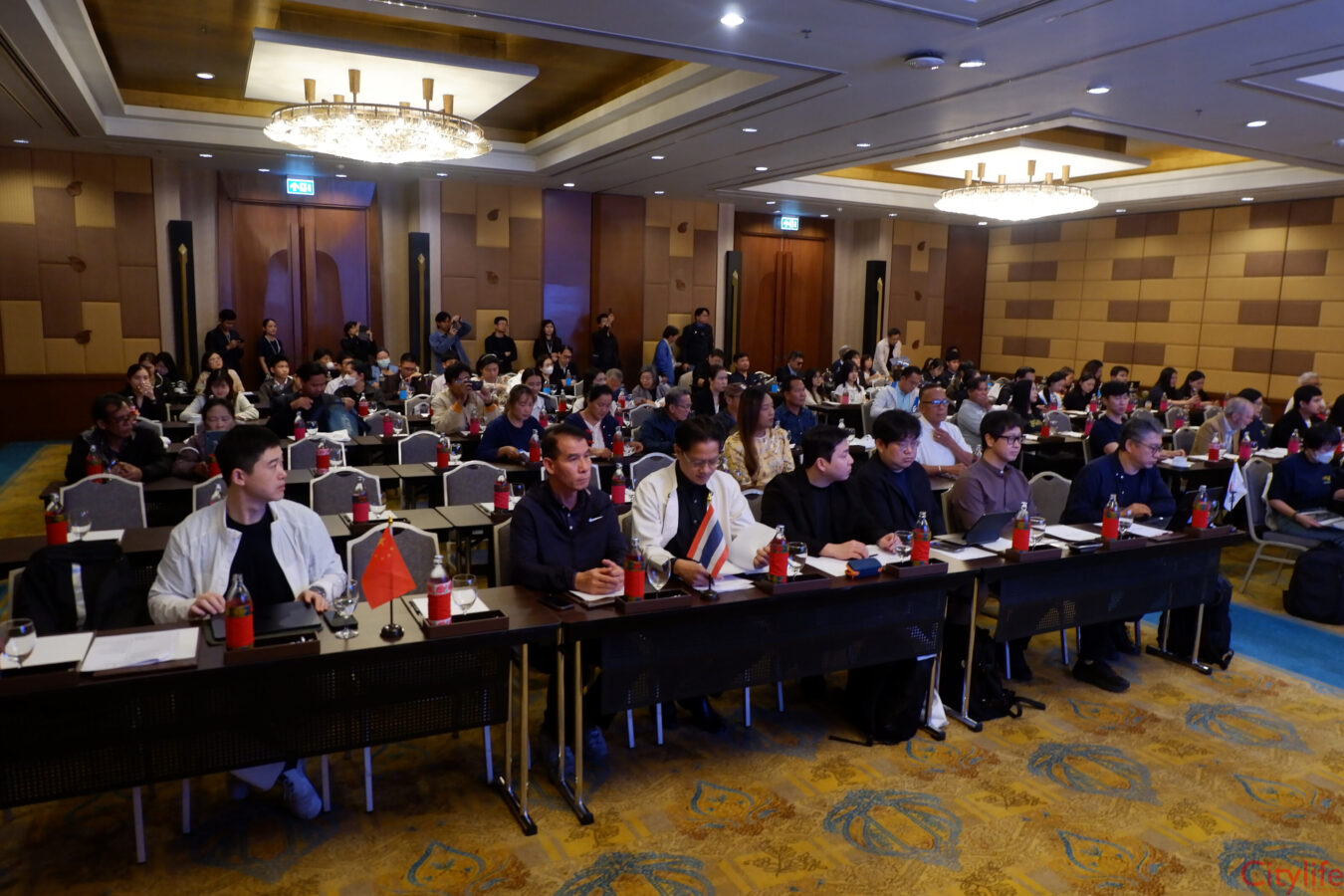
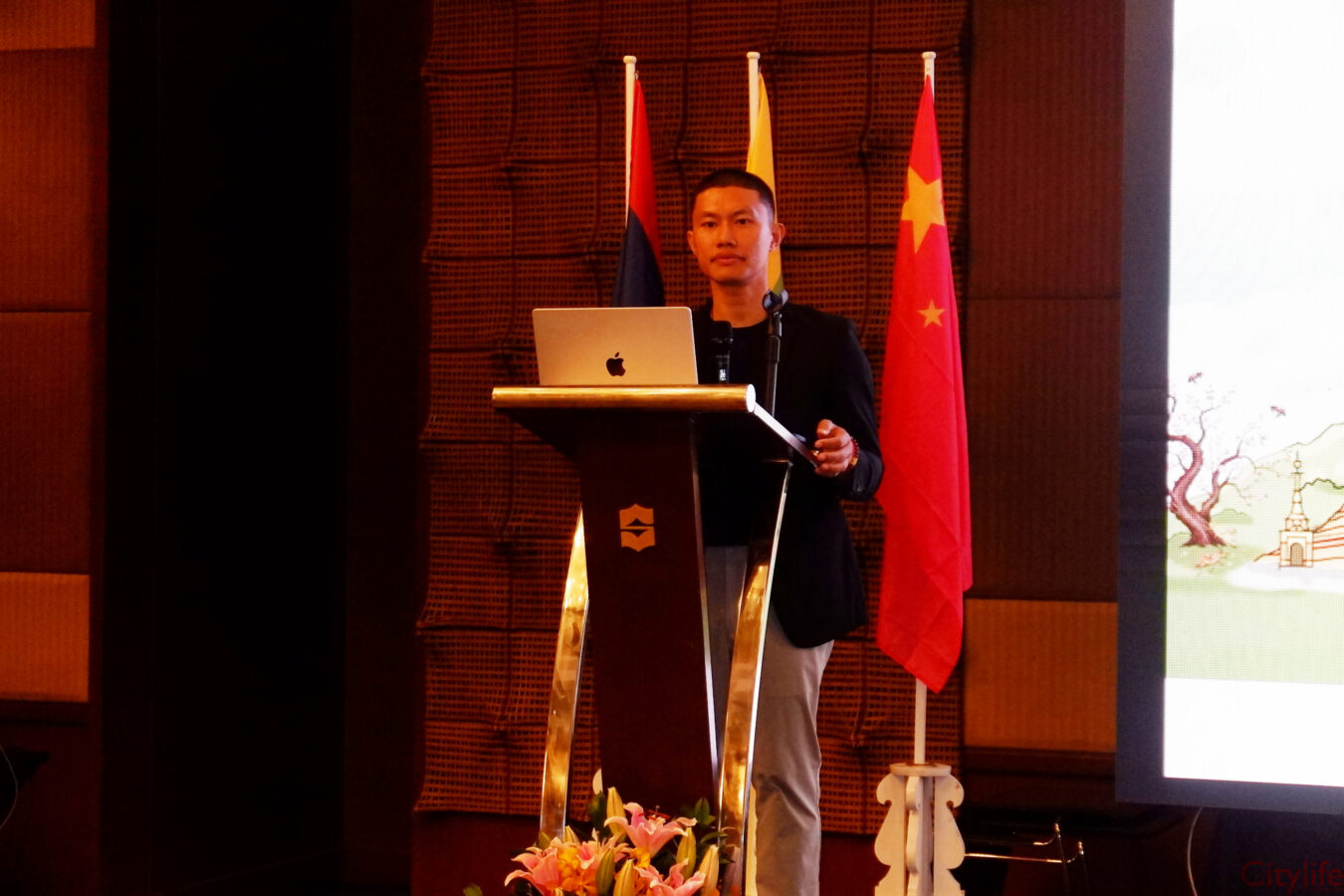
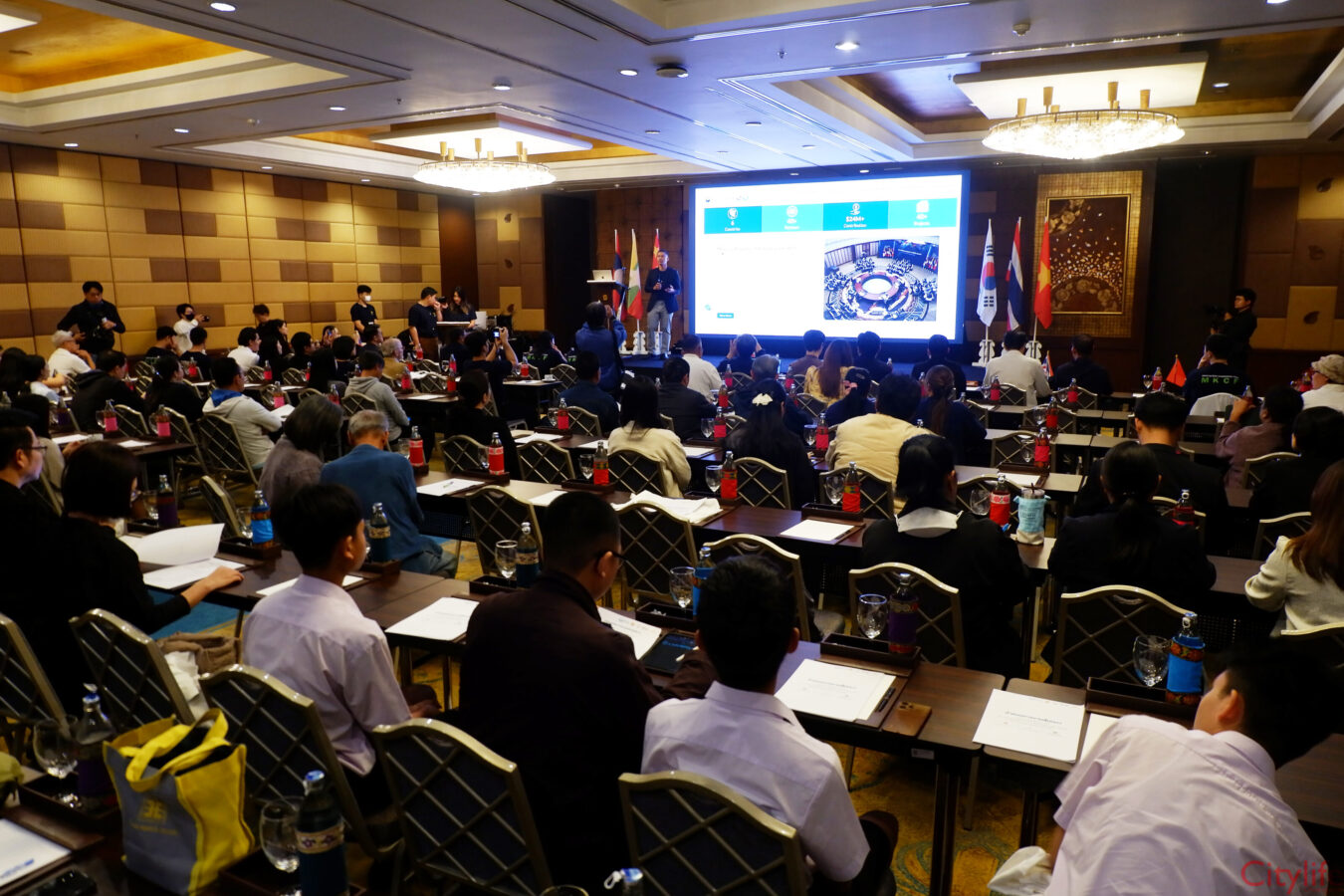
CMU and Mekong–Korea Partnership Pioneers Edible Insect Innovation for Regional Sustainability seminar at the Shangri La Hotel
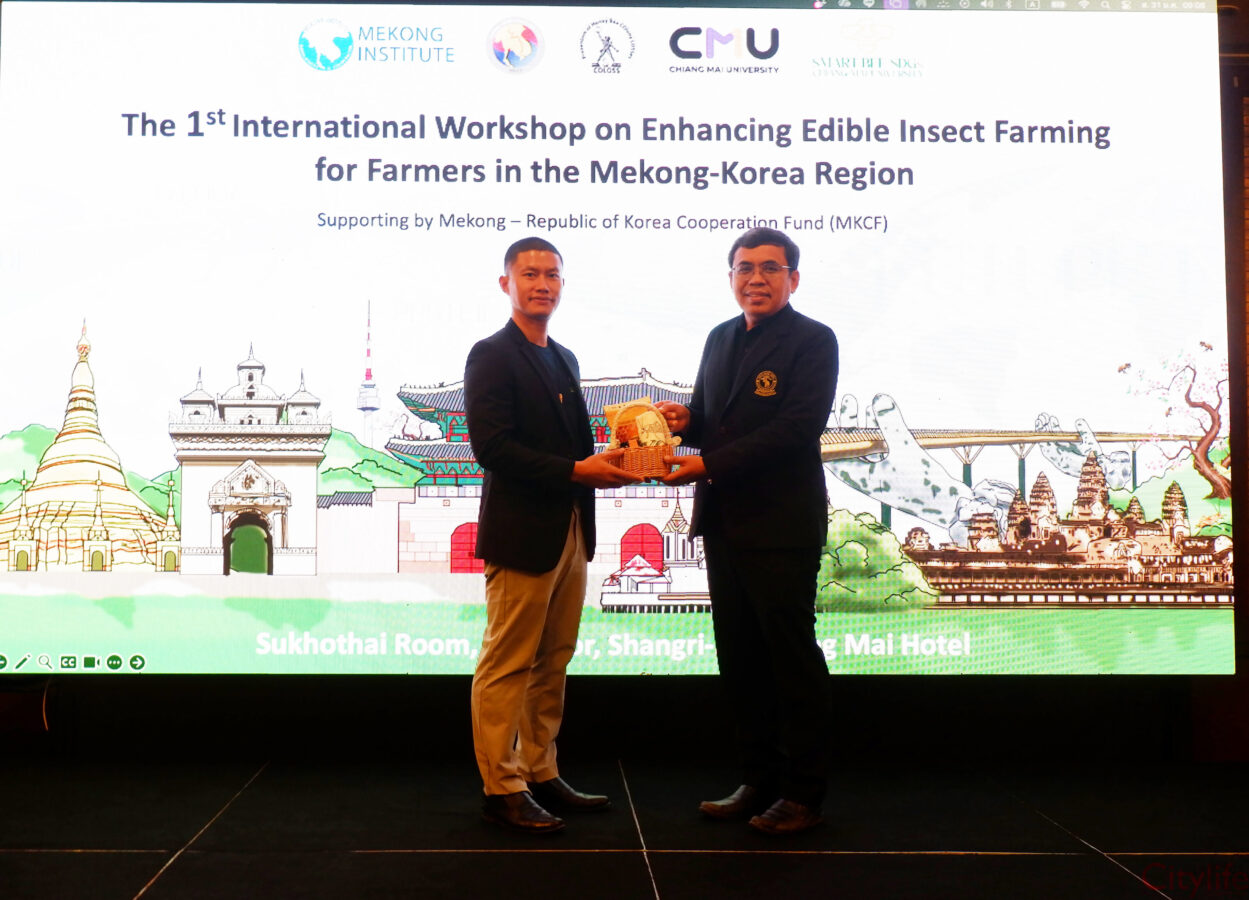
Chiang Mai University (CMU) is reinforcing its role as a regional leader in academic excellence and food innovation by hosting “The 1st International Workshop on Enhancing Edible Insect Farming for Farmers in the Mekong–Korea Region.” Held from January 30–31, 2026, the workshop is a key component of the project titled “Elevating Food Security and Sustainability in the Mekong Countries through Integrating Edible Insects with Innovations for Future Food.” The initiative aims to bolster food security, empower local farmers, and drive sustainable development across the Mekong sub-region by integrating knowledge of edible insects—now globally recognized as a vital “Future Food.”
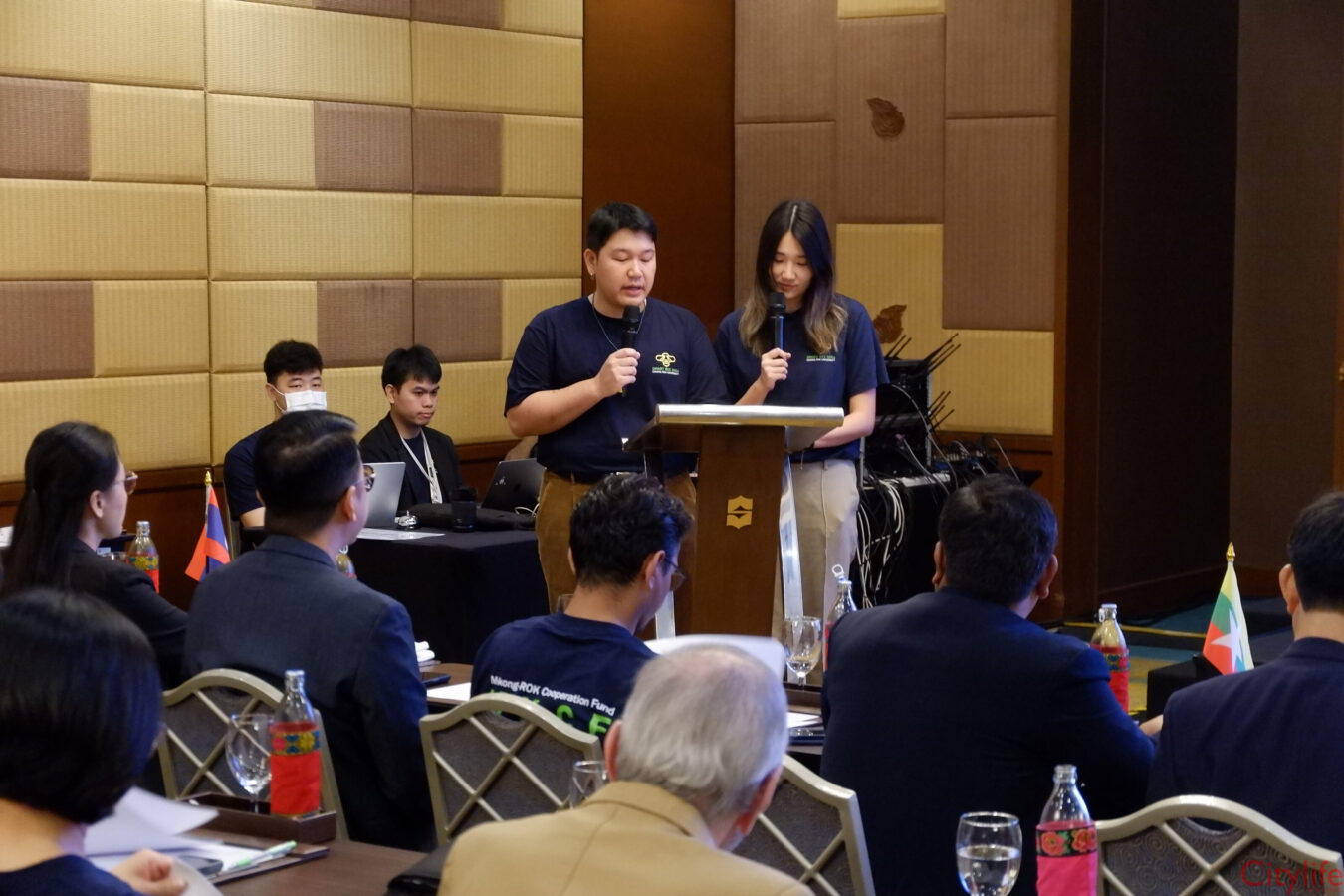
The international workshop is organized by the SMART BEE SDGs team from the Faculty of Science, Chiang Mai University, led by Assoc. Prof. Dr. Terd Disayathanoowat, Project Leader. The event is a collaborative effort with the Mekong–ROK Cooperation Fund (MKCF) and the Mekong Institute (MI), drawing participation from researchers, experts, and farmers from Thailand, Cambodia, Lao PDR, Myanmar, Vietnam, and the Republic of Korea.
The itinerary features keynote lectures by distinguished experts from South Korea, led by Prof. Dr. Chuleui Jung from Gyeongsang National University, covering critical topics such as the beekeeping and cricket industries, viral disease management in Asian honey bees, and the impact of pesticide use in insect farming. Additionally, the workshop highlights the diversity of edible insects within the Mekong region.
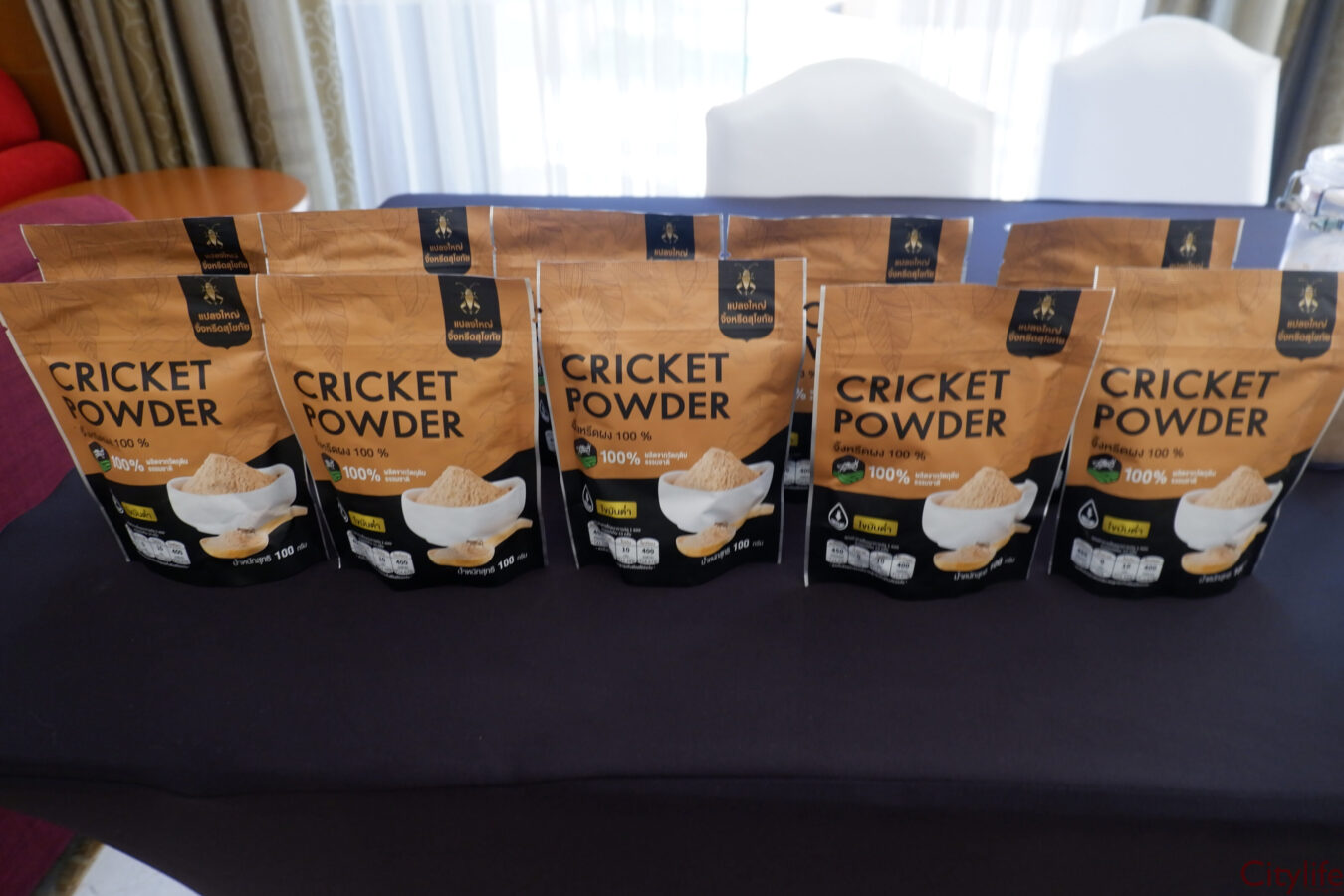
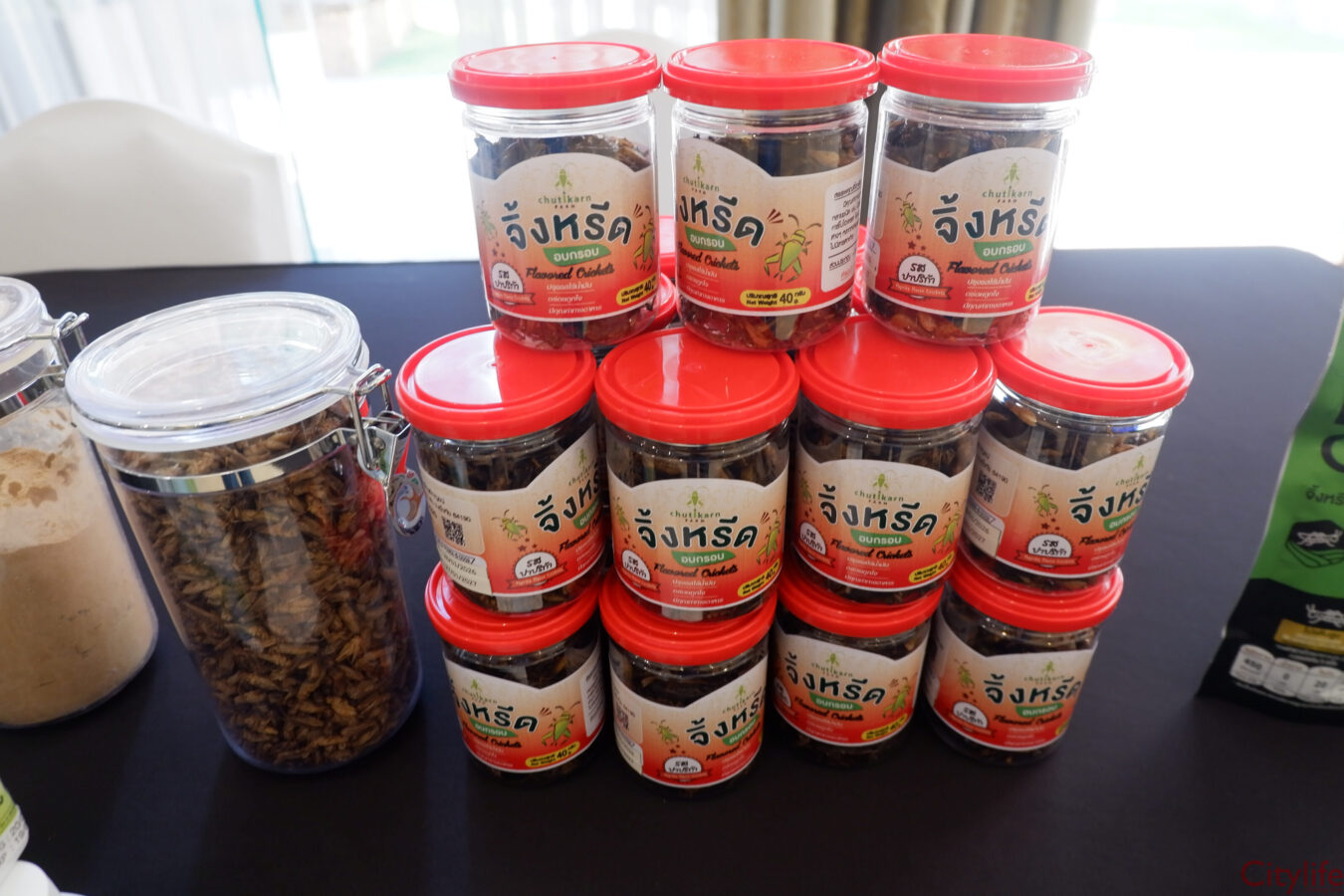
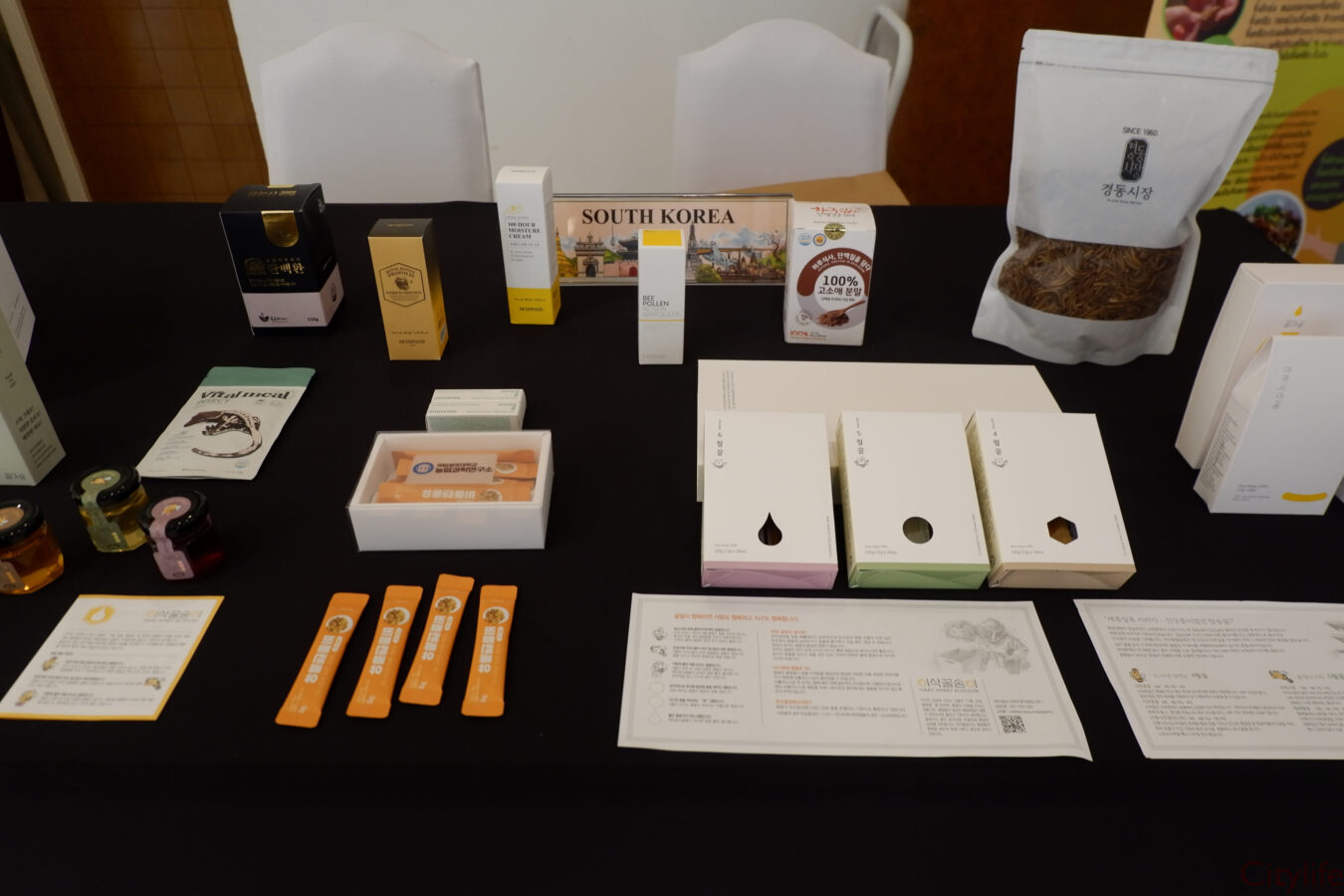
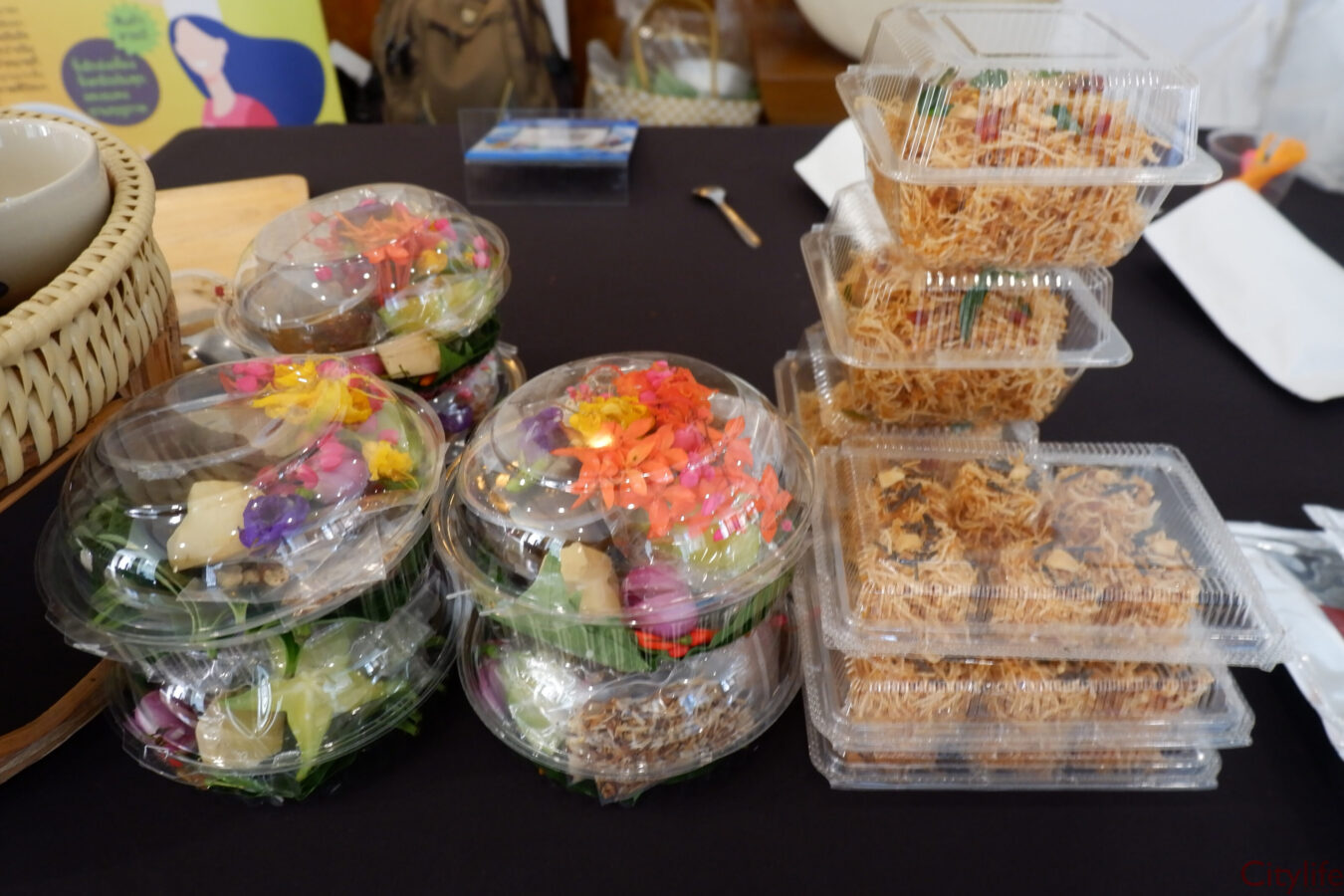
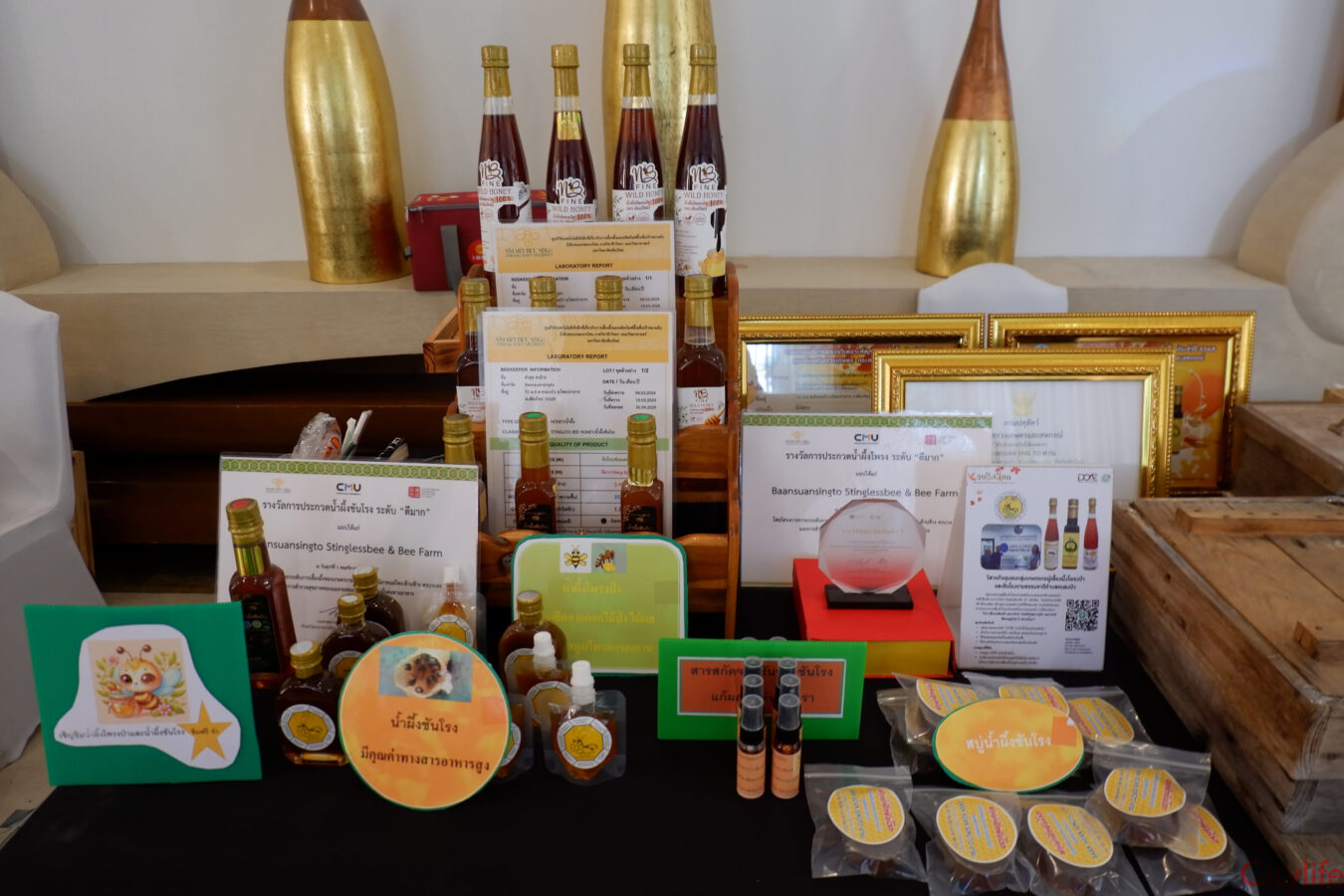
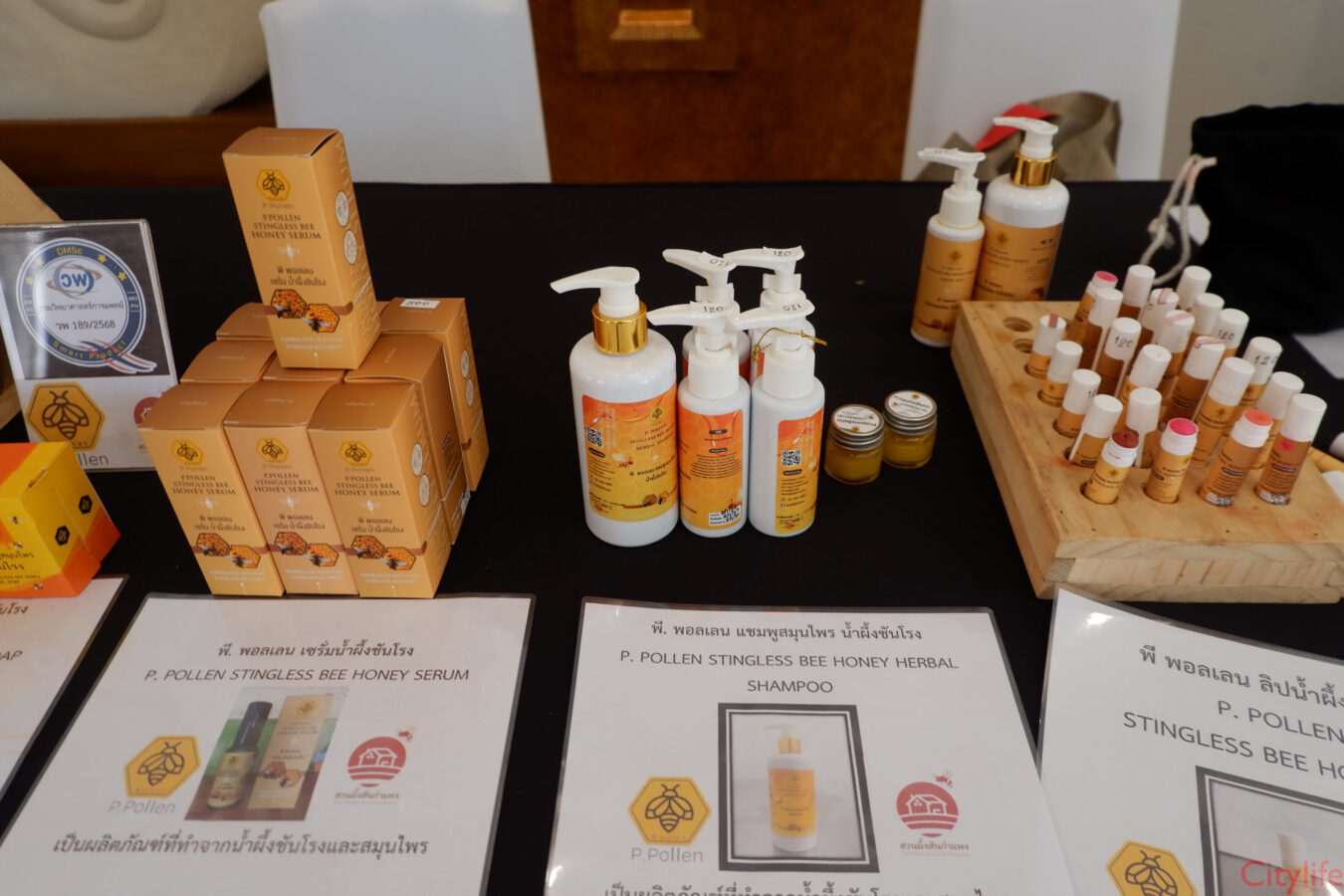
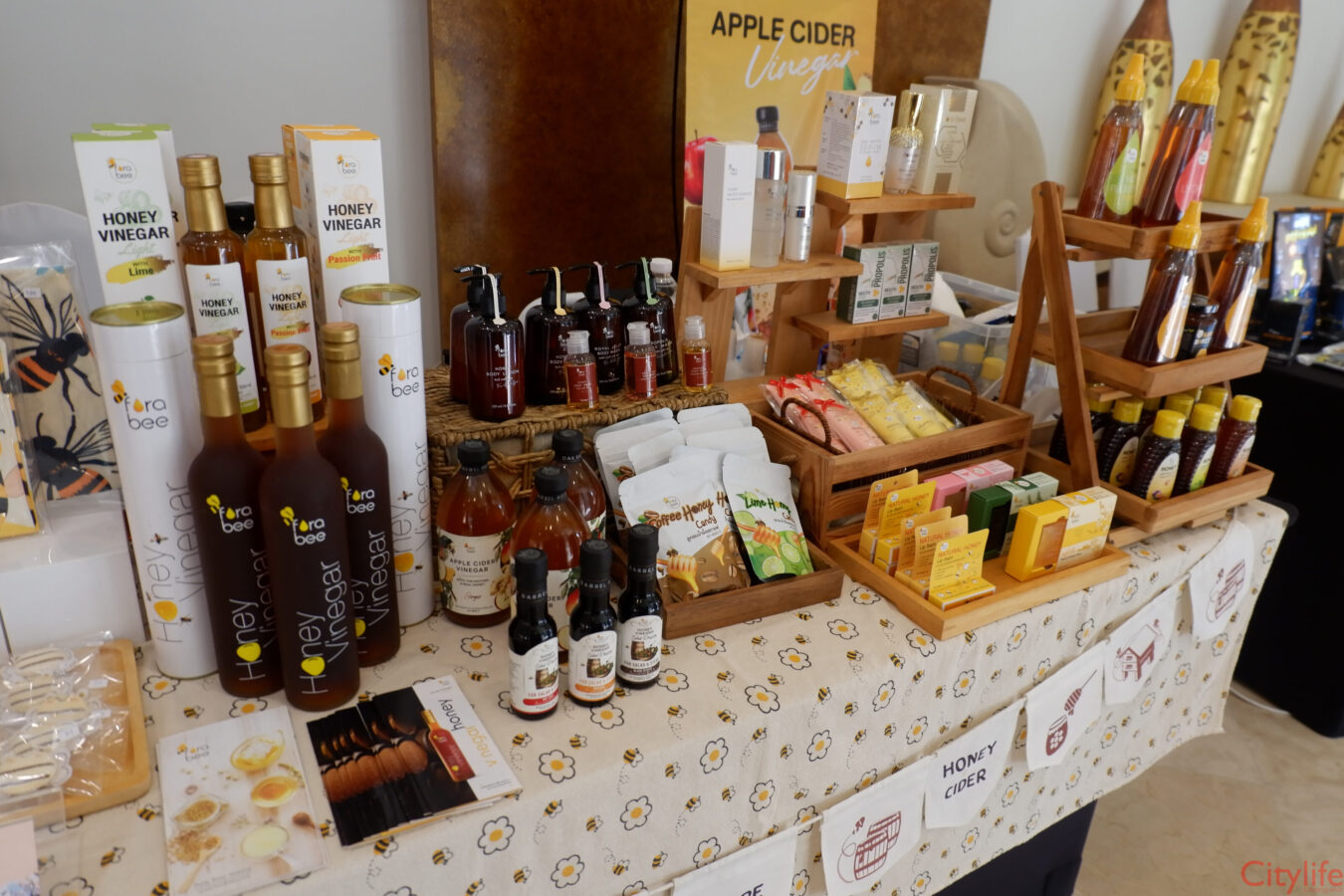
Hands-on training sessions focused on high-value product development are conducted by specialists from CMU’s Faculty of Pharmacy and Faculty of Agro-Industry. These sessions explore the processing of insects and bee products into premium food items and cosmeceuticals. The event also provides a platform for networking and knowledge exchange between researchers and farmers to address farming challenges and discuss the establishment of a bee pest surveillance group in collaboration with the COLOSS Association (Prevention of Honey Bee Colony Losses).
Chiang Mai University and its partners emphasize that “edible insects” are no longer just a traditional local staple but are rapidly evolving into a mainstream “Future Food.” As a high-quality alternative protein source, insects play an increasingly crucial role in the global food system, offering a solution to food shortages and a growing global population. Furthermore, insect farming is highly sustainable, requiring significantly less land and water than traditional livestock while emitting fewer greenhouse gases. This shift presents a significant economic opportunity, capable of generating income for smallholder farmers and large-scale industrial enterprises alike.
Currently, there are over 1,900 edible insect species identified worldwide, with Asia leading the market with 932 species—164 of which are consumed within the Mekong region. Economically, small-scale distributors can generate a net profit of approximately USD 19–30 per day, while the commercial-scale industry shows potential annual revenues of USD 14.8–17.3 million. These figures underscore the immense potential of edible insects as a viable and thriving sector within the future food industry.


Recent Social Pics