
CHALAWAN HPC 10th Anniversary at NARIT
February 20
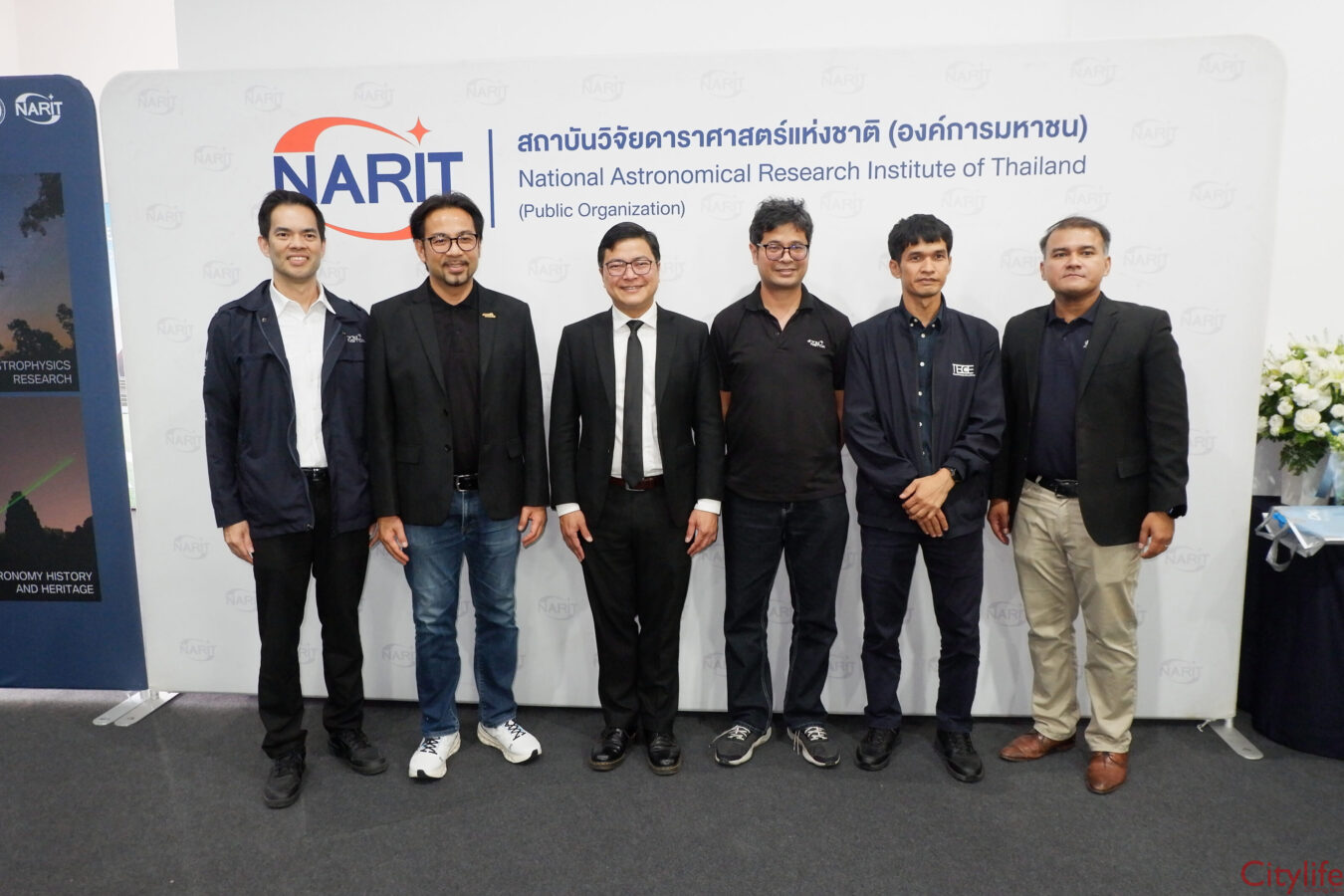
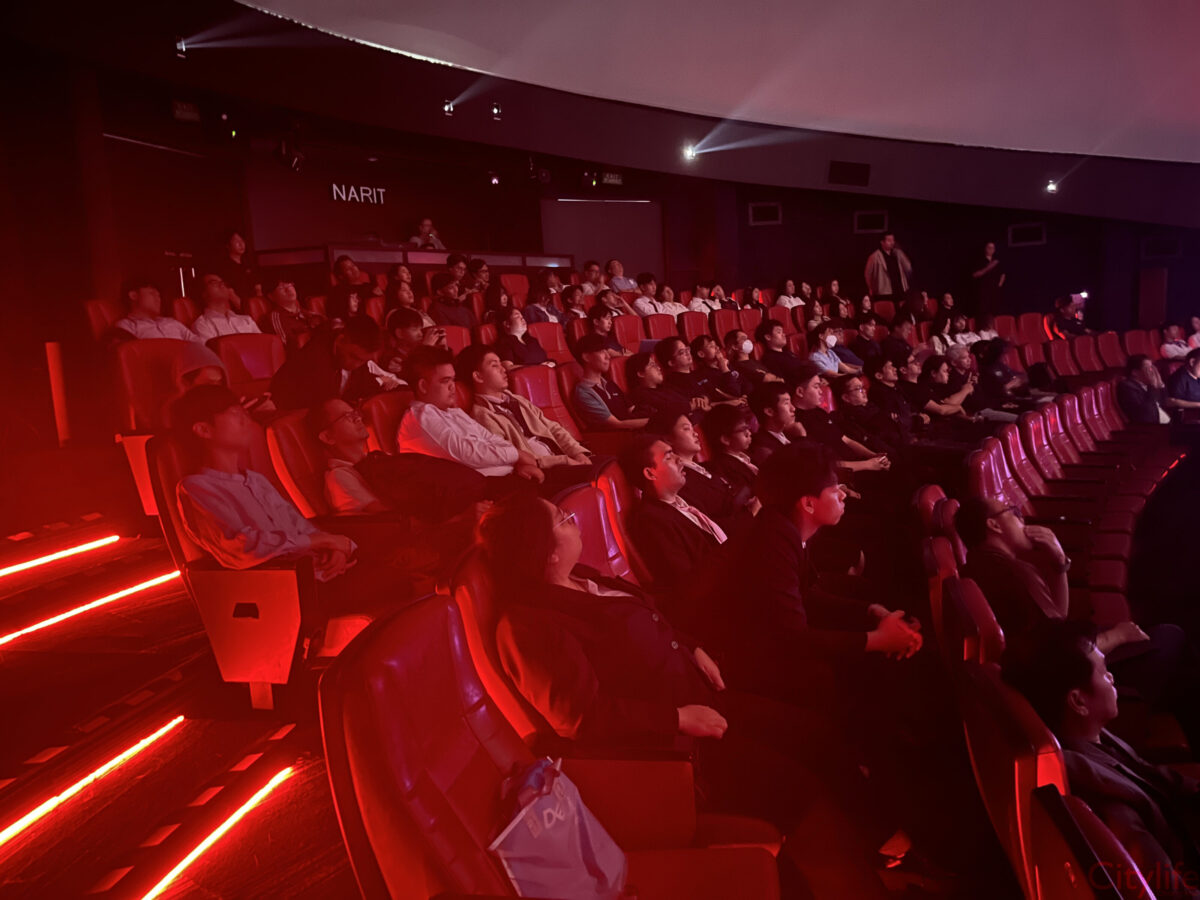
The 10th Anniversary of CHALAWAN HPC – National Astronomical Data Center
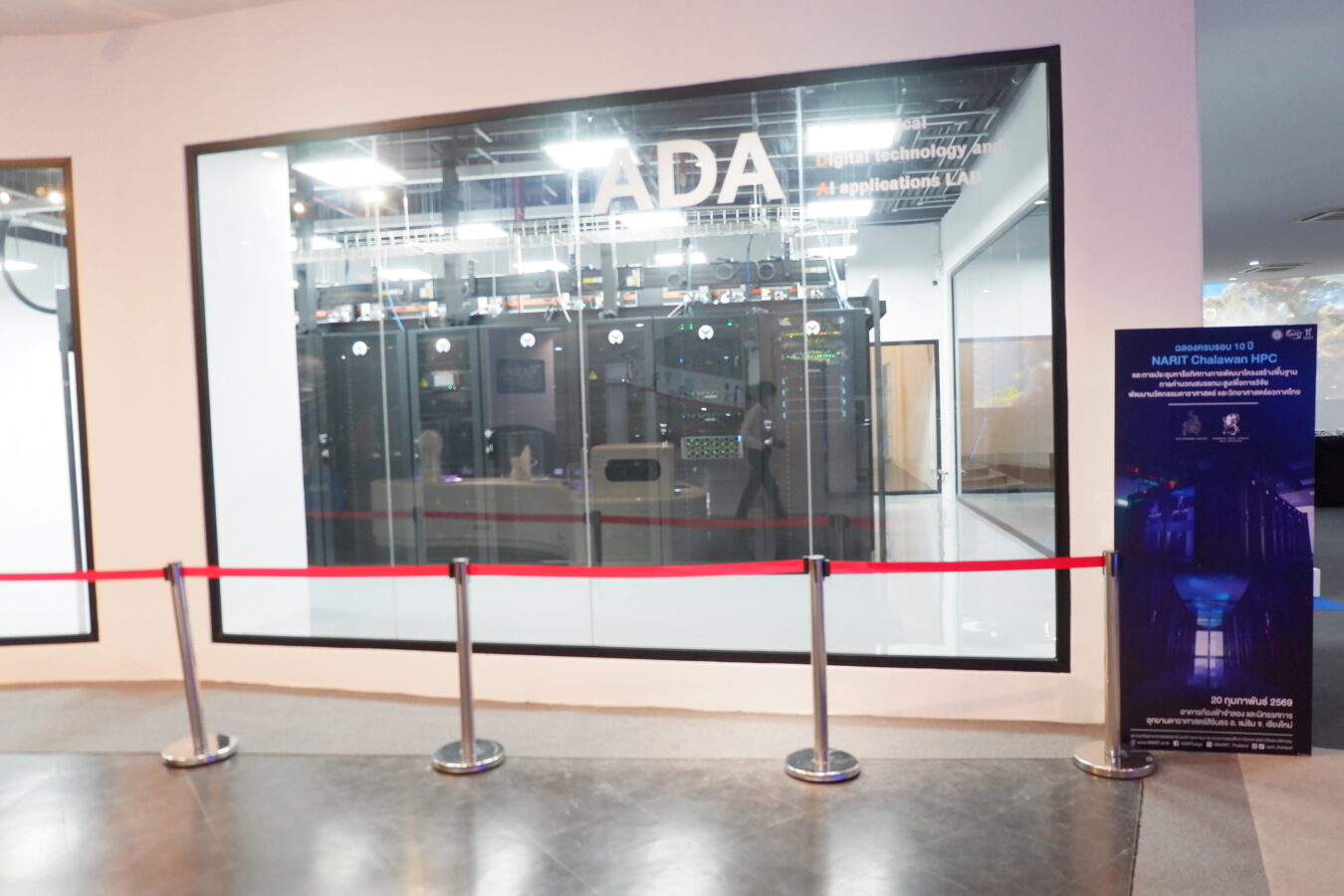
NARIT is preparing to expand its capabilities to develop a supercomputer (ADA LAB).
Support leading-edge research
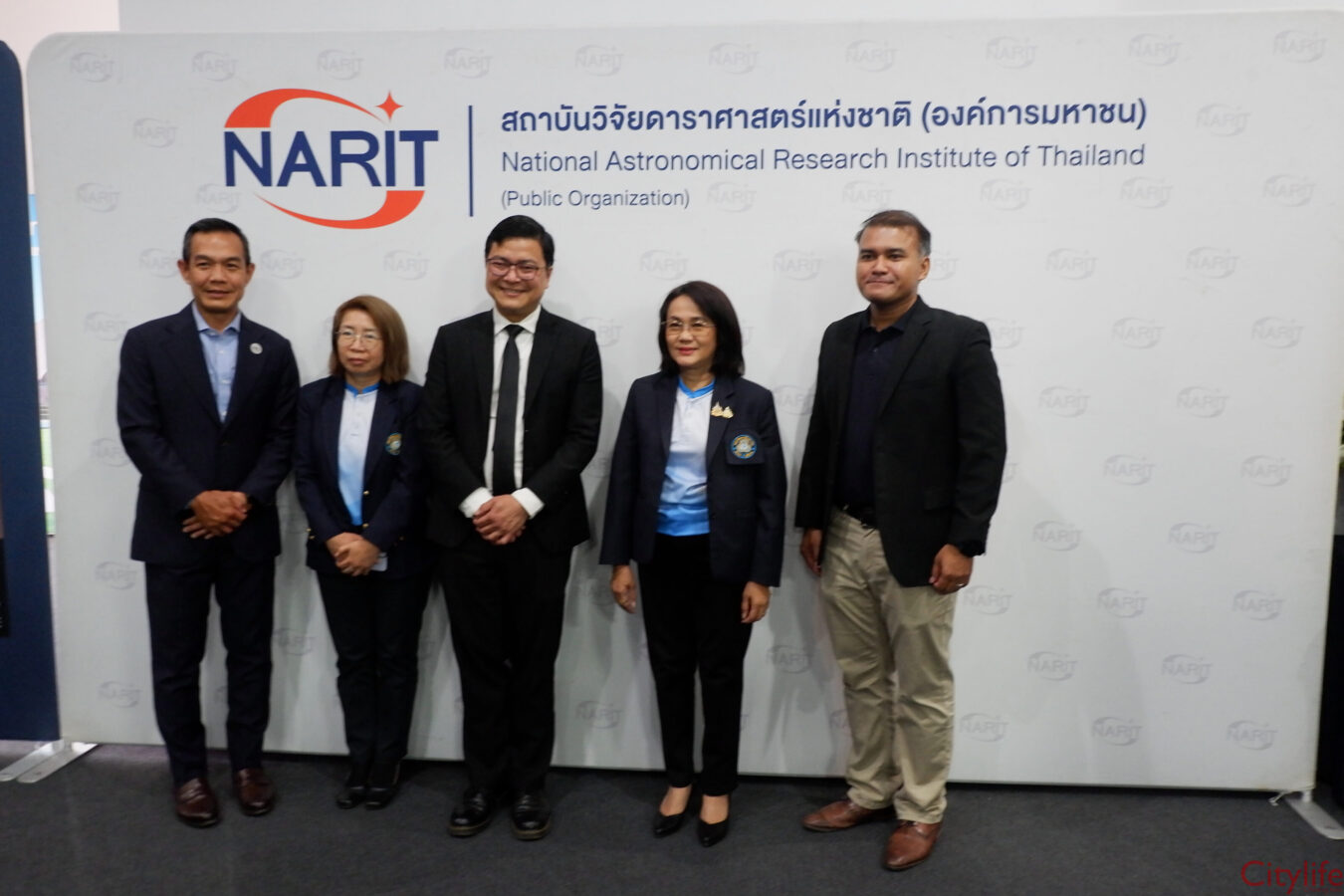
The National Astronomical Research Institute of Thailand (NARIT), under the Ministry of Higher Education, Science, Research and Innovation, held a meeting to discuss the direction of developing high-performance computing infrastructure.
For research and development of digital astronomy and space science innovations in Thailand, in celebration of the anniversary.
After 10 years, the National Astronomical Data Center (NARIT CHALAWAN HPC) is preparing to upgrade its capabilities to become a full-fledged supercomputer (ADA LAB) that will connect data from Thailand’s telescope network, both domestic and international, including international research projects, to support the processing of complex and massive amounts of data.
Fast and highly accurate, supporting cutting-edge research in Thailand.
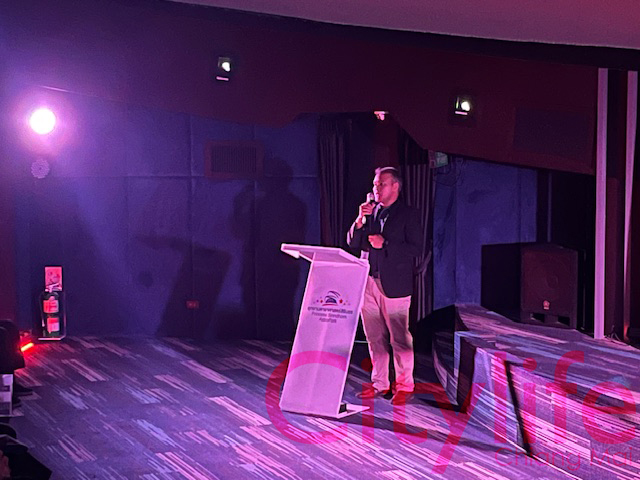
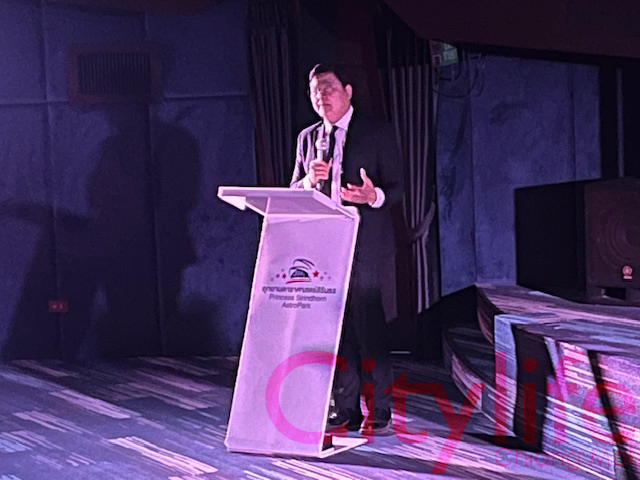
Dr. Vipoo Rujoprakar, Director of the National Astronomical Research Institute of Thailand (NARIT), revealed that NARIT has been developing high-performance computing infrastructure, under the name Chalawan HPC, since 2016 and has continued to develop it for 10 years. This has enabled researchers, faculty, and students to build upon their knowledge and experience, and create new research and knowledge extensively. Therefore, NARIT plans to upgrade the capabilities of the high-performance computing system and data science under the “Digital Technology and Artificial Intelligence Laboratory.”
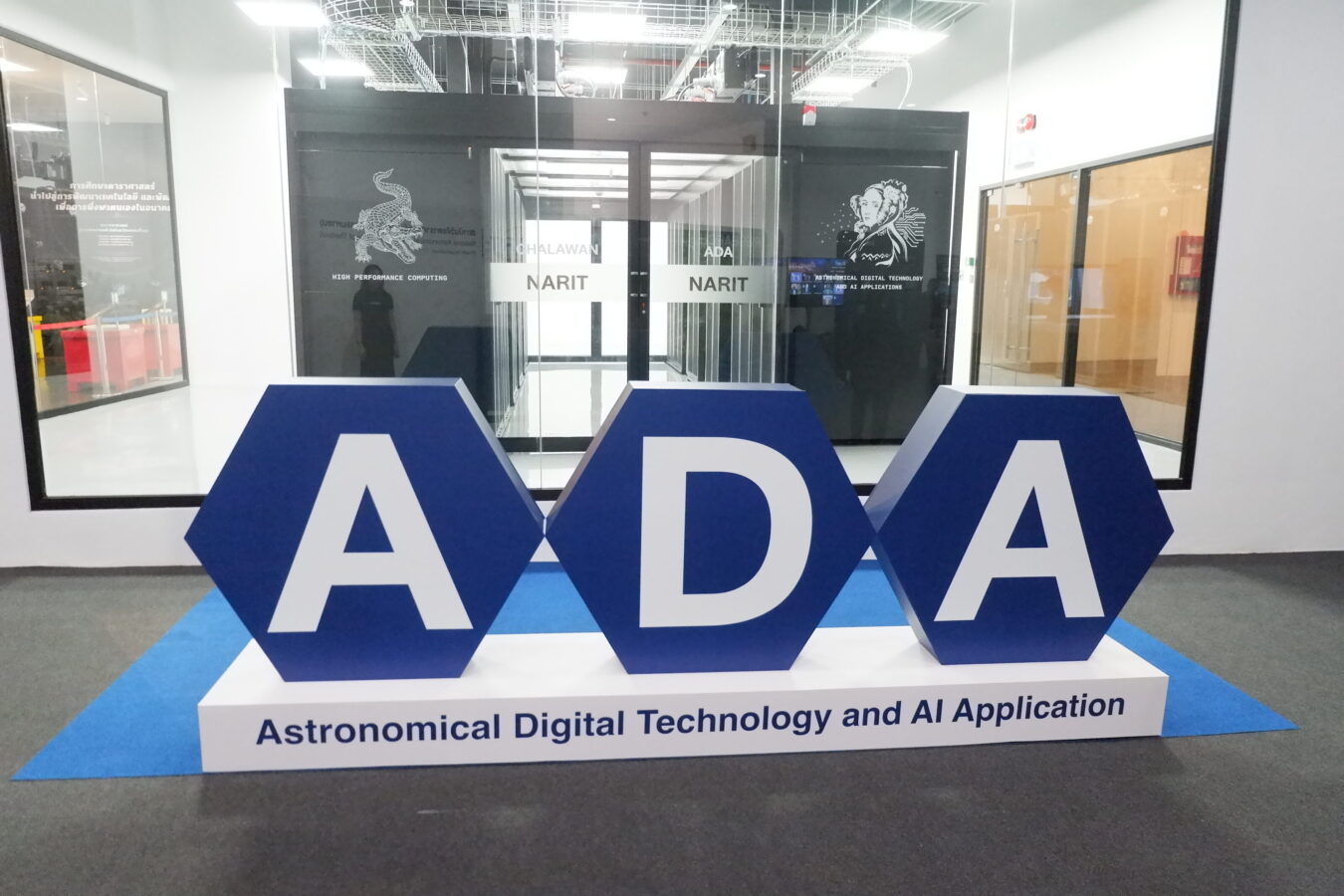
The “Astronomical Digital Technology and AI Applications” (ADA) project develops the computing capabilities of the NARIT Chalawan HPC system, coupled with the development and application of artificial intelligence (AI) technology. This project is funded by the National Science and Technology Development Agency (NSTDA).
Research and Innovation (NRCT)
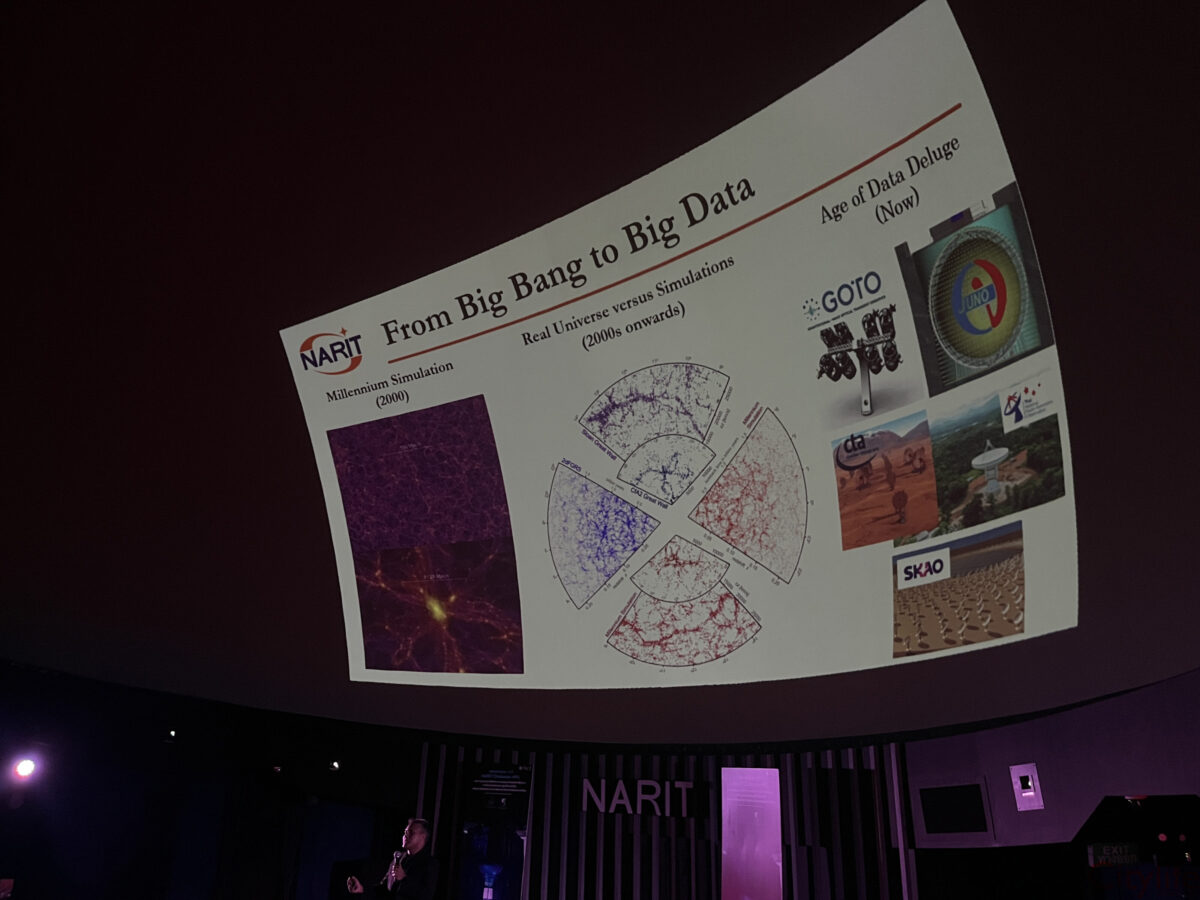
A key goal of ADA is to process vast amounts of data from space into new knowledge.
For example, using high-performance computing (DPC) to increase the processing speed of data from the National Radio Telescope by up to 100 times allows for the detection of astronomical phenomena occurring in fractions of a second in real-time, instead of the previous method that required weeks for analysis results. This also includes using DPC to assist in data analysis.
From the James Webb Space Telescope, in addition to research in astronomy and space science, the developed High-Performance Computing (HPC) system is also available to external researchers, professors, students, and engineers through the National e-Science Infrastructure Consortium network. This is a significant step that will help Thailand move towards becoming a leader in advanced technology in the region.
The development of such advanced technologies aligns with the “ASTRONOMY+” policy and strategy, which aims to transform…
The knowledge gained from astronomical research, technology, and innovation should be utilized as a “tool to serve Thai society,” generating economic value, creating jobs, and integrating with all sectors to address the challenges of the modern world, including health, quality of life, safety, and sustainable economic development.
This approach aligns with global development trends, such as strengthening countries’ capacity to cope with challenges.
Climate change and disasters are monitored and warned about through early warning systems that utilize the capabilities of high-performance computing systems.
Along with data from PM2.5 studies and information from the earthquake warning system.
Reducing risks to public life and property; advanced astronomical and space engineering; developing commercially viable prototype technologies; creating space and IoT startups; simultaneously leveraging technology and AI to create economic opportunities; expanding the domestic supply chain; and increasing high-skilled jobs for the future.
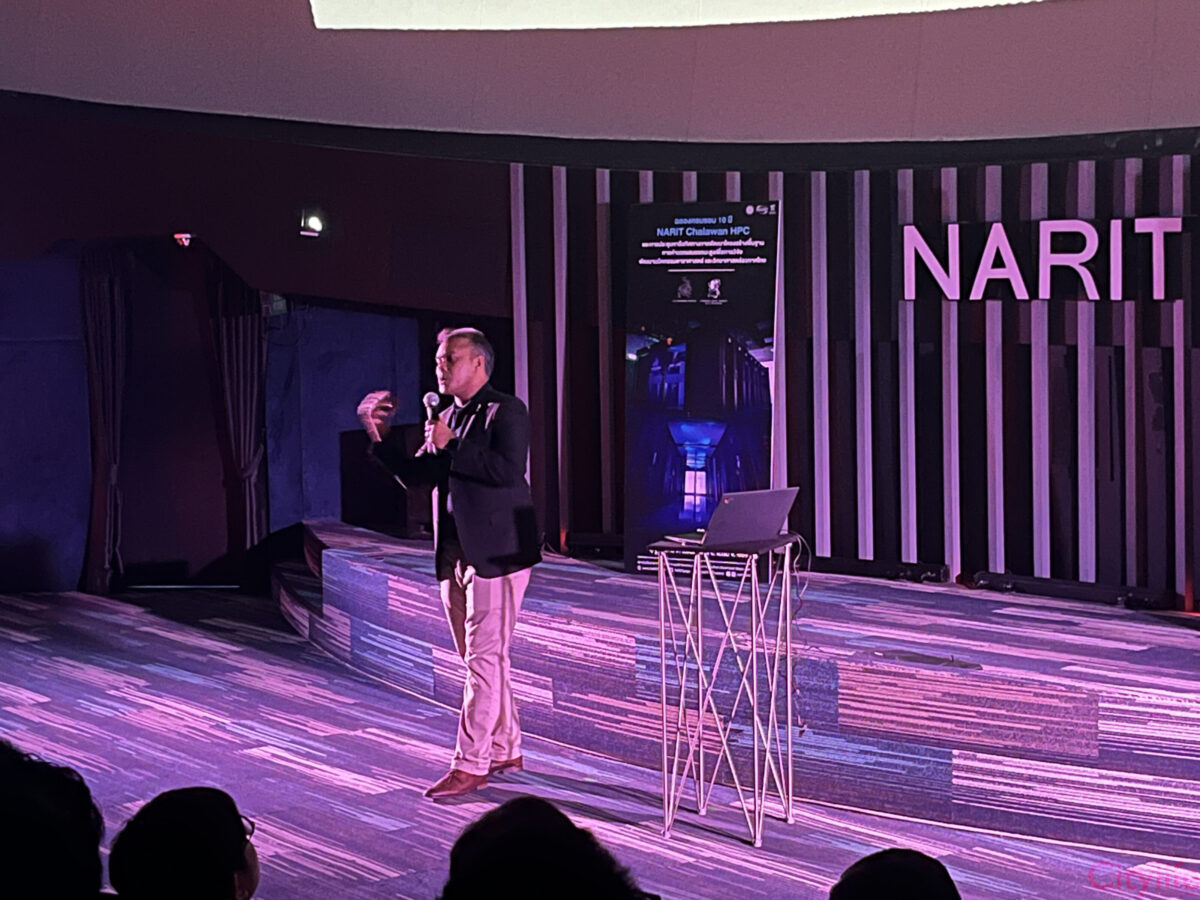
Dr. Uten Saengwit, Manager of the Information Technology Center at NARIT, provided additional information:
“SuperRAM ADA” is an upgrade from the CHALAWAN HPC system to a high-performance computing infrastructure designed specifically to support Big Data and AI workloads. The system is equipped with a graphics processing unit (GPU).
High performance with a large memory capacity of up to 141 GB per unit, supporting the efficient development and processing of large language models. High-speed network connectivity of 400 Gbps enables rapid and continuous data transfer of multiple terabytes (TB) between databases and processing units, supporting advanced research and AI applications for researchers in analyzing astronomical data.
and data science
In addition, NARIT has laid out a roadmap for the application of AI in four main dimensions for the benefit of the Thai people, namely:
1) Data-Driven Discovery: Filtering and analyzing signals from space to discover new astronomical phenomena and knowledge. 2) Autonomous Operations: Using AI to control a network of telescopes and plan automated maintenance, improving observation efficiency. 3) Environmental Impact: Using AI to analyze atmospheric data to create highly accurate PM2.5 prediction models, enabling targeted solutions to air pollution problems. 4) Public Engagement: Creating realistic astronomy learning experiences through intelligent AI systems, making astronomy more accessible and enjoyable for youth, students, and the general public.
Upgrading NARIT’s high-performance computing infrastructure will not only support cutting-edge astronomical and space science research but also open up opportunities for Thai researchers from diverse fields to utilize big data and supercomputer computing power. This will lead to new knowledge and innovations in areas such as environment, health, safety, and the economy, addressing societal needs and sustainably improving the quality of life for the public.
“SuperLamp ADA” represents a transformation in the work style of Thai researchers. Previously, time was spent on paperwork and data cleaning, but now, using AI as a “research assistant,” researchers can focus entirely on analysis and creating new innovations. “We are not just developing the fastest computer system; we are building an intellectual infrastructure” that will transform stagnant data into a powerful force to drive the country in the digital age. “Absolutely,” Dr. Wiphu concluded.
Recent Social Pics