

According to the Wildlife Conservation Society (WCS) — an international conservation organisation founded in 1895 and dedicated to protecting wildlife and wild places through science and conservation — the number of wild tigers in Thailand’s Western Forest Complex (WEFCOM) increased by 250% between 2007 and 2023.
That means the estimated population rose from around 40 tigers to more than 140 in 15 years.
WEFCOM stretches along Thailand’s western border with Myanmar and encompasses 17 protected areas, including the remarkable Huai Kha Khaeng and Thung Yai Naresuan Wildlife Sanctuaries, which together form the heart of the tiger stronghold.
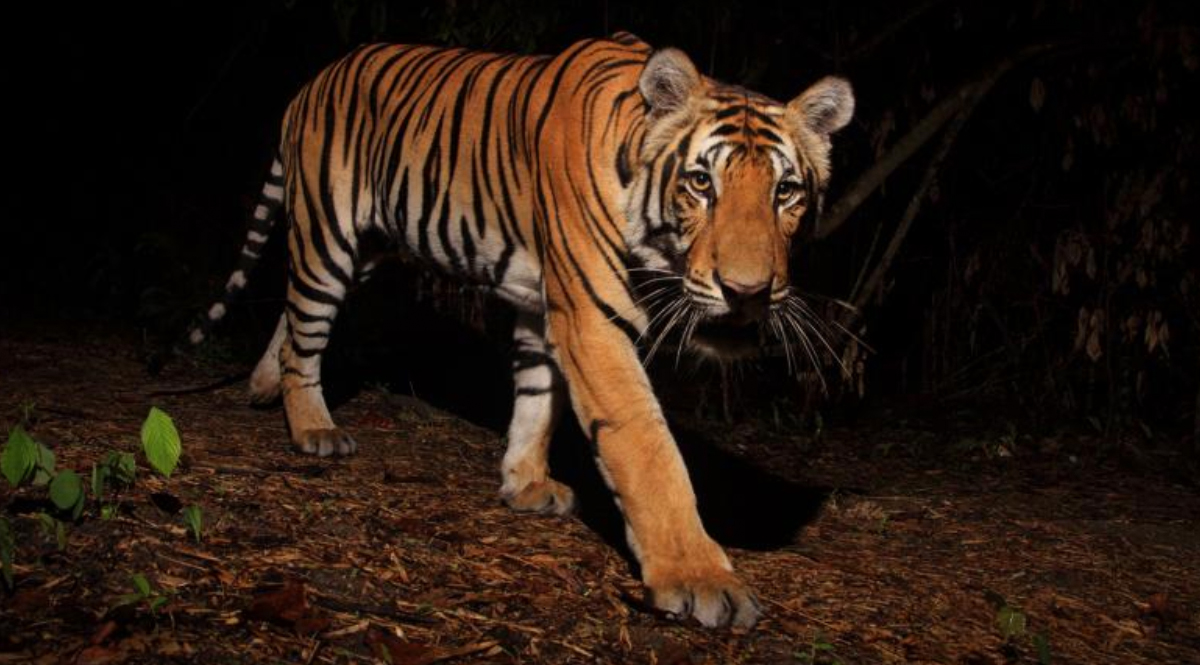 Photo credit: www.seub.or.th
WCS and Thailand’s Department of National Parks, Wildlife and Plant Conservation have been carrying out long-term monitoring using camera traps. Because every tiger has a unique stripe pattern, researchers can identify individual animals and track changes in the population over time.
WCS says the recovery is strongly associated with improved anti-poaching patrols and law enforcement, which have also helped populations of the tigers’ prey recover. Research has recorded roughly a doubling of important prey species including sambar deer and banteng.
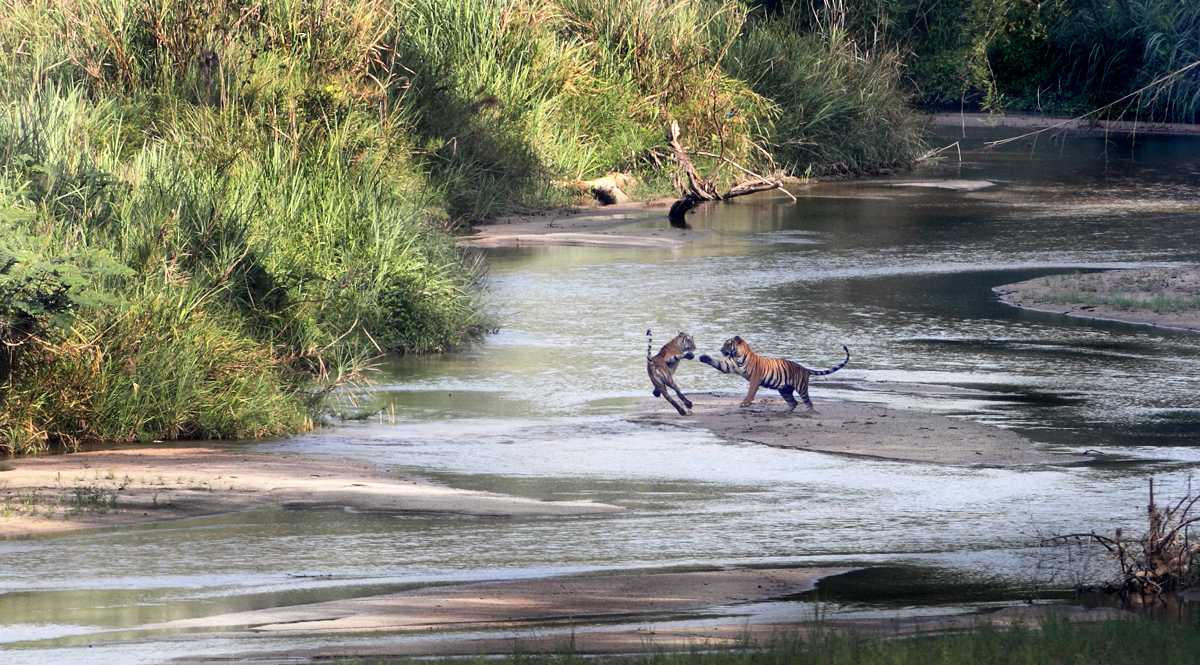
Photo credit: www.seub.or.th
There’s an important distinction, though: the 250% increase refers specifically to Thailand’s Western Forest Complex, rather than meaning that the entire national tiger population has increased by 250%.
It is nevertheless a remarkable conservation story — particularly in Southeast Asia, where tigers have disappeared completely from several countries over the past few decades.
WCS’s 2024 impact report says there are now at least 120 tigers in the Huai Kha Khaeng–Thung Yai Naresuan stronghold alone.