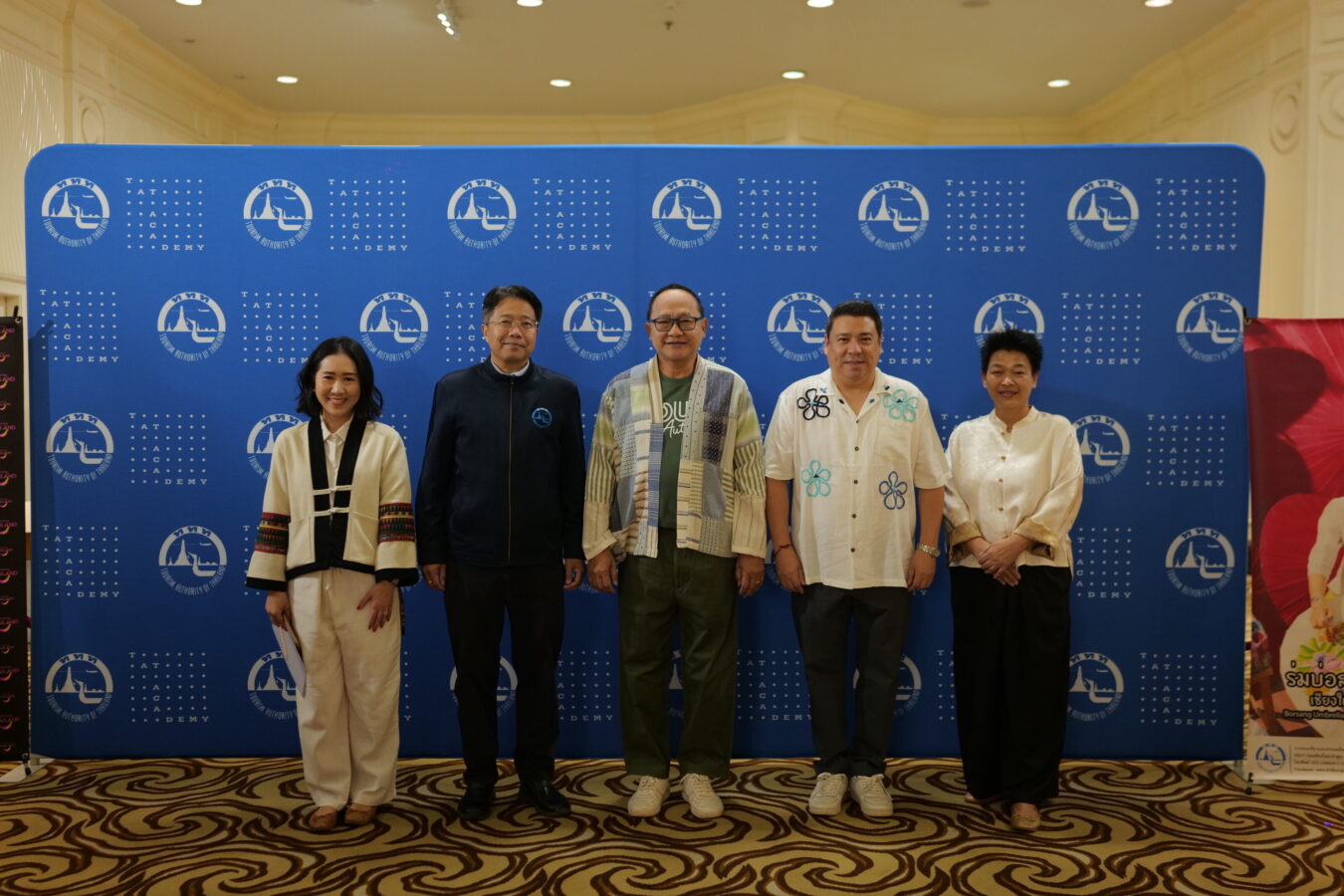
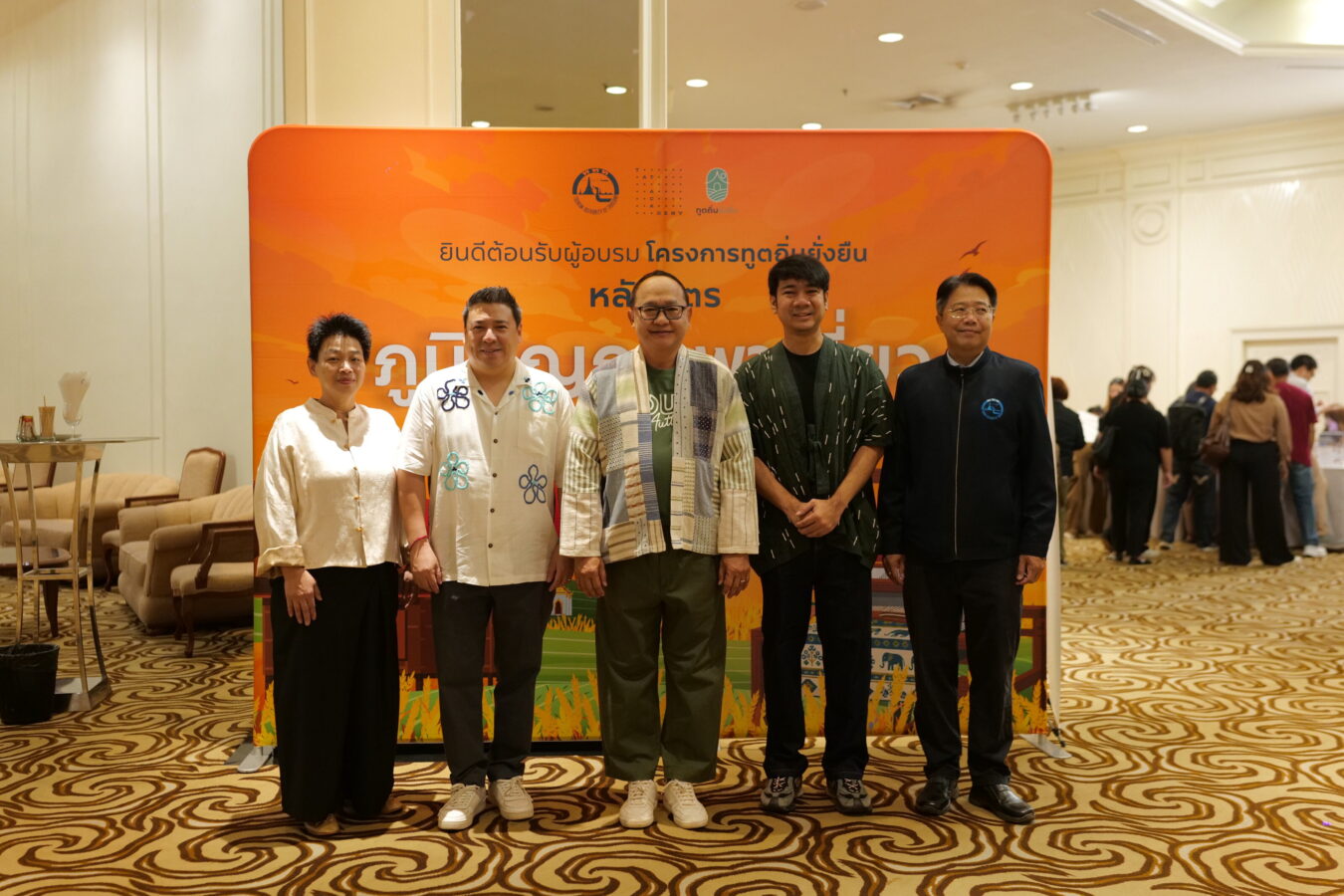
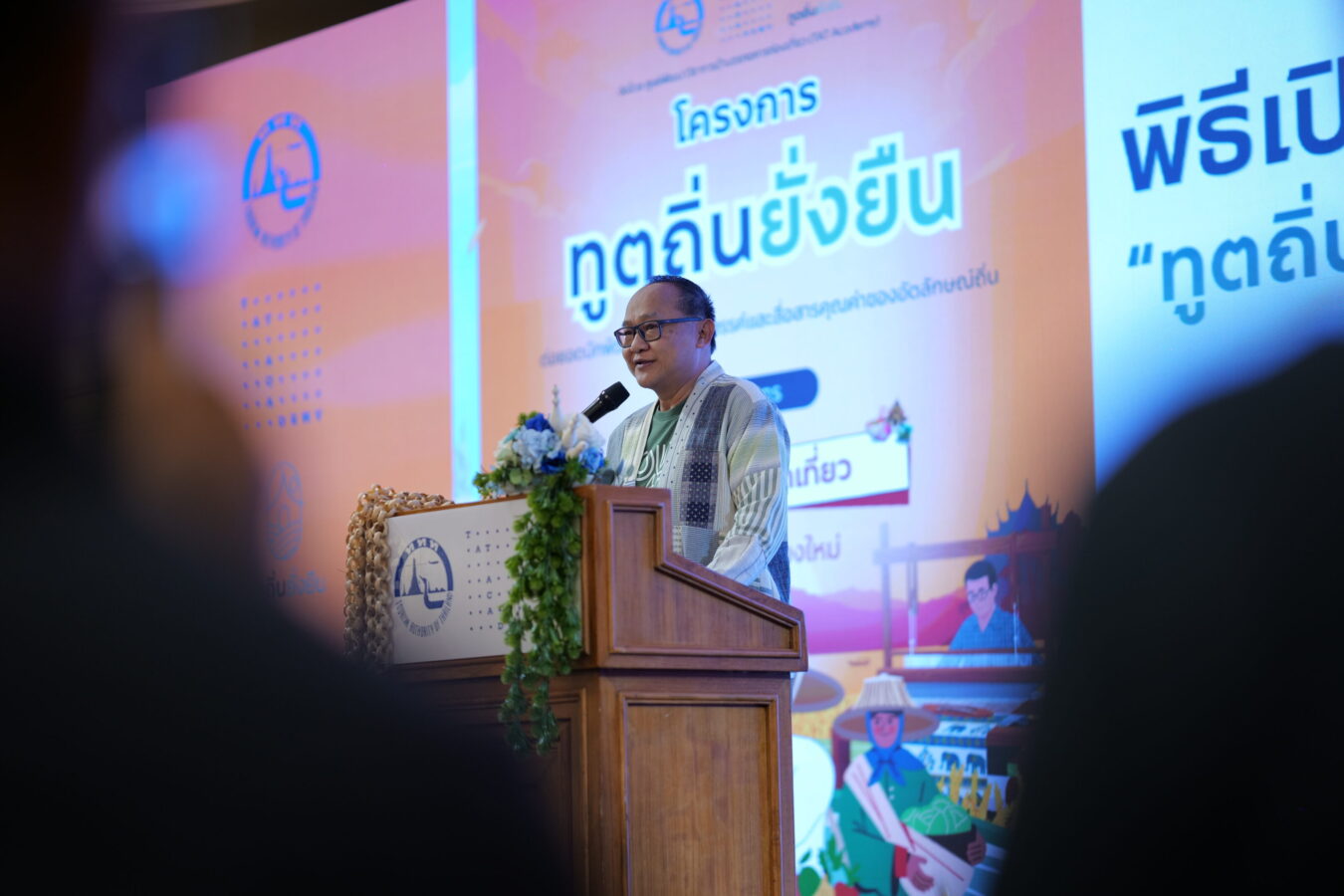
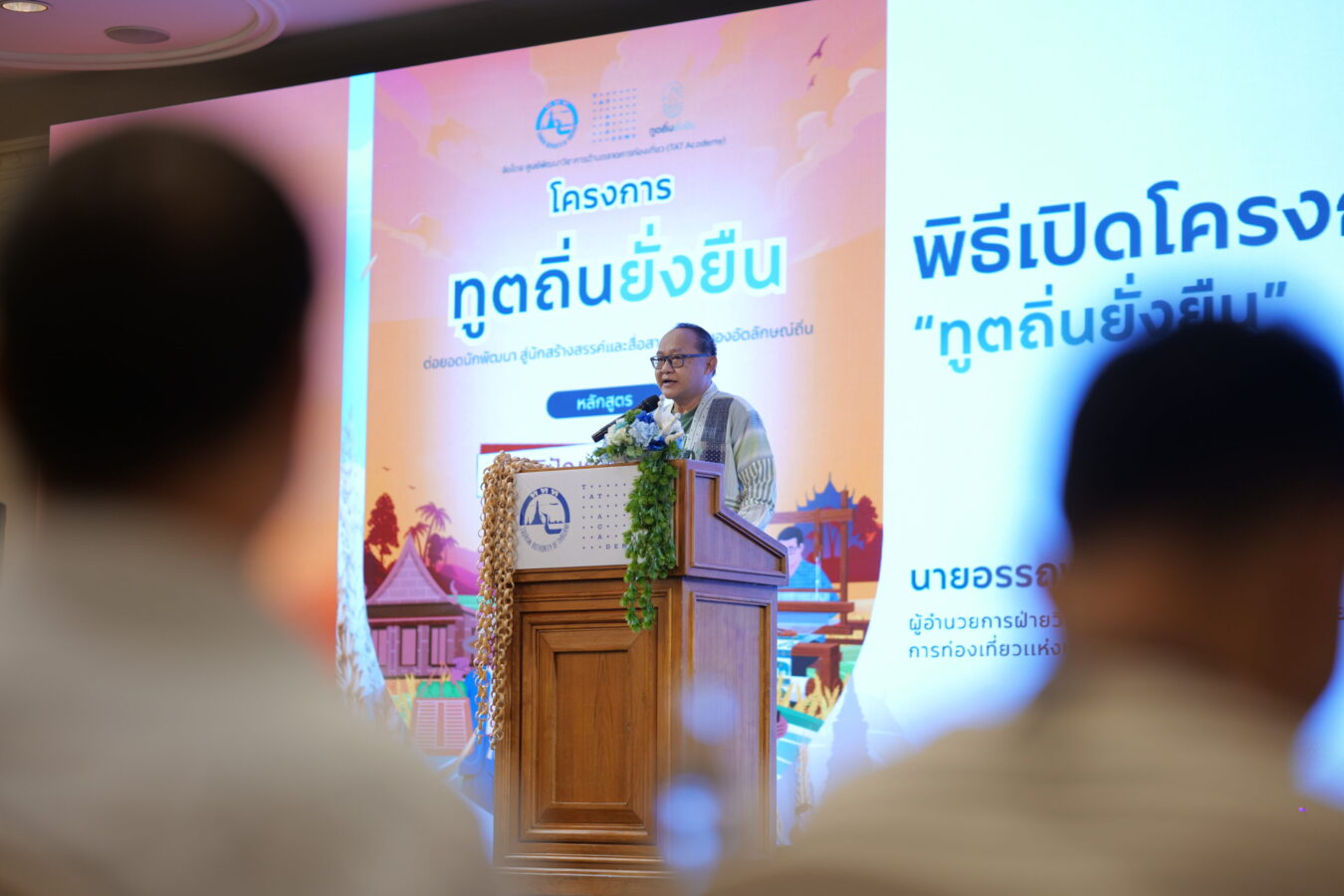
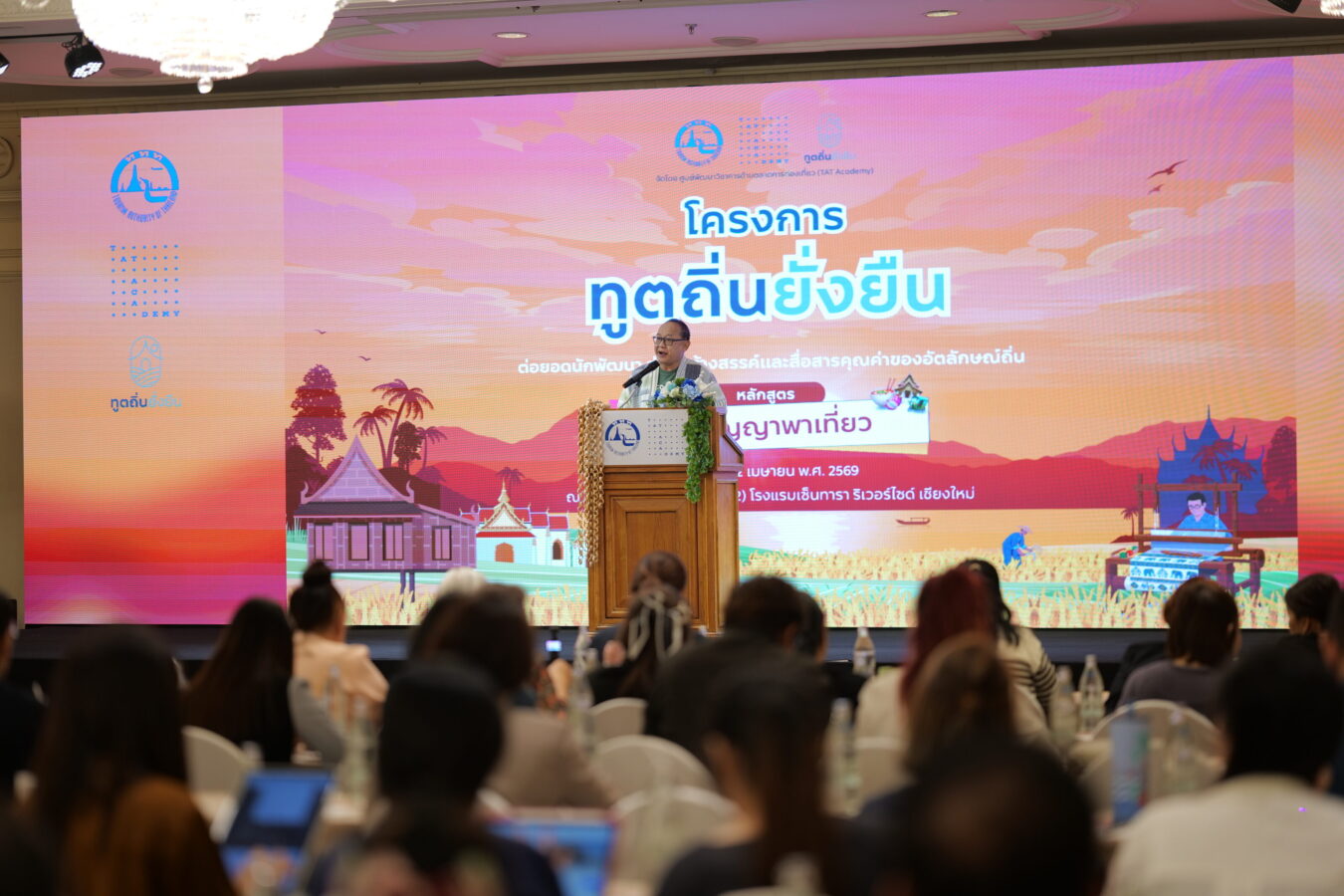
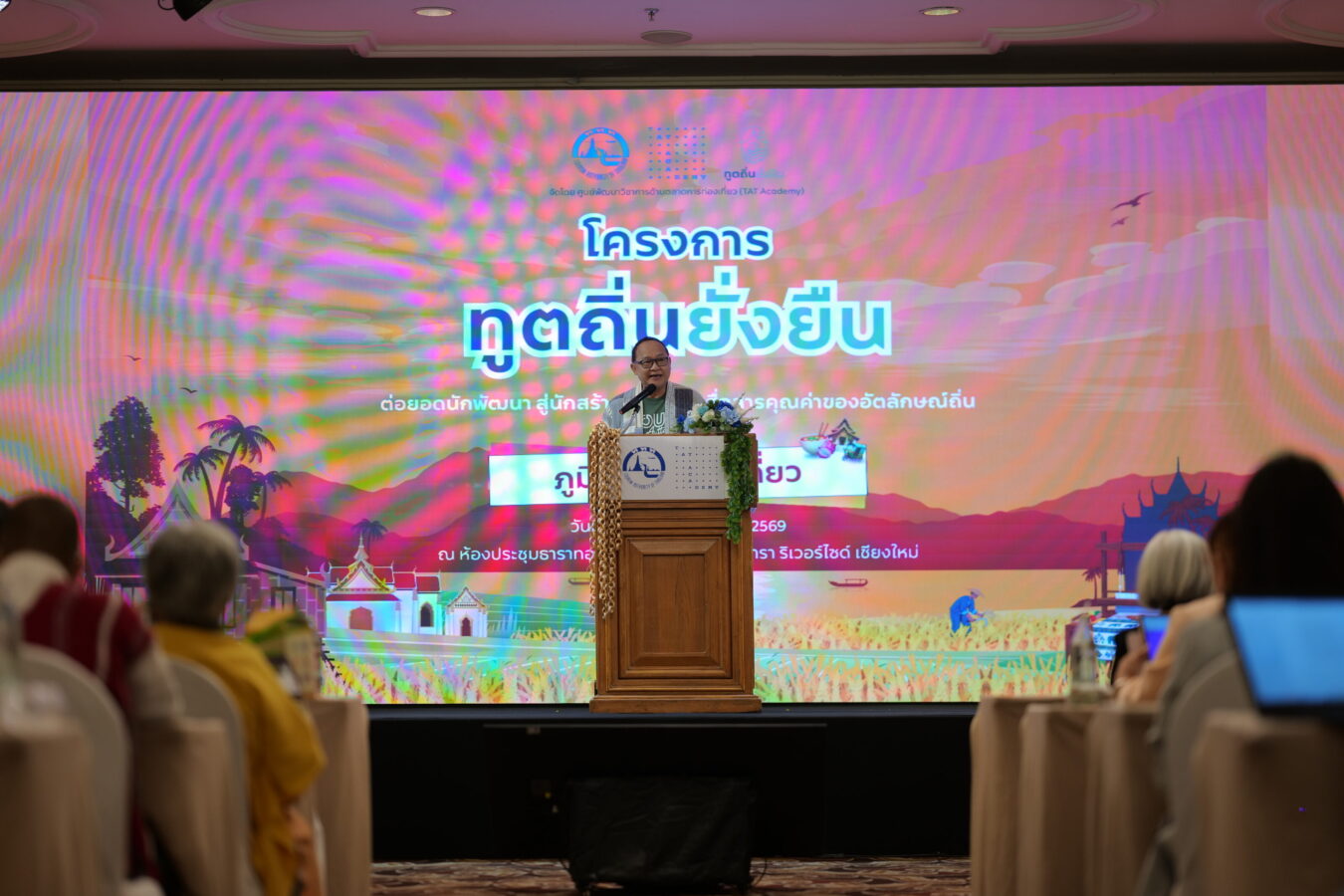
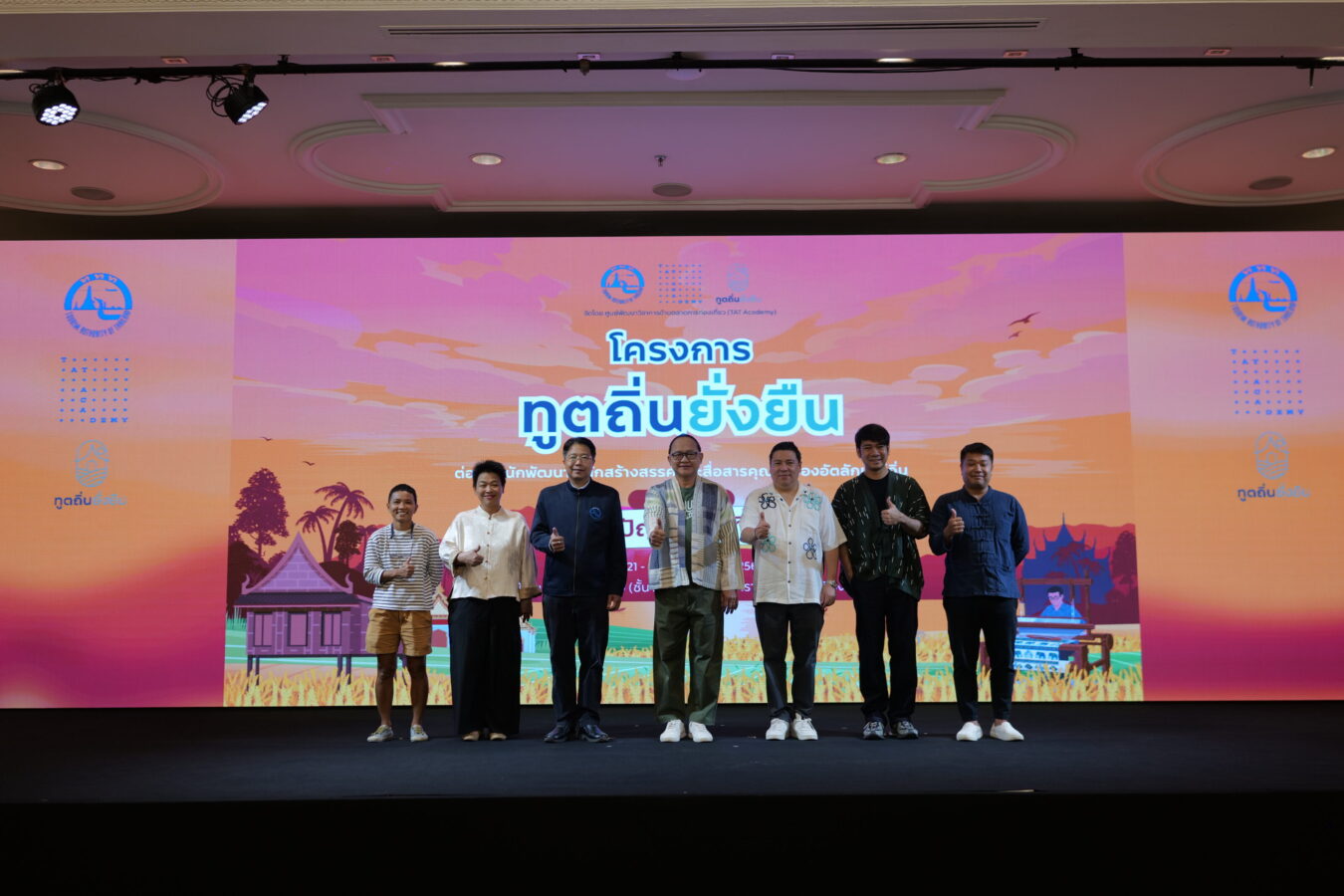
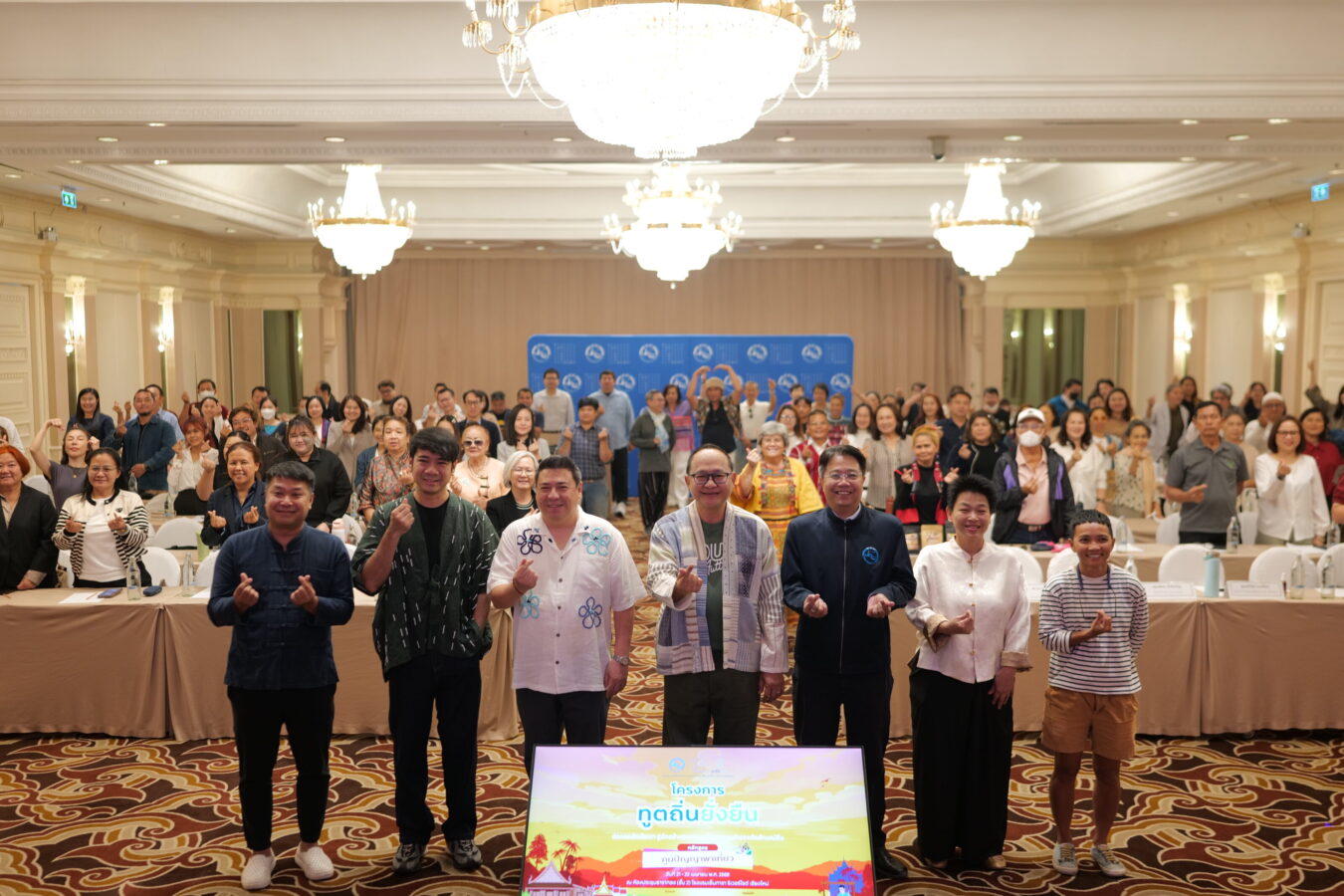
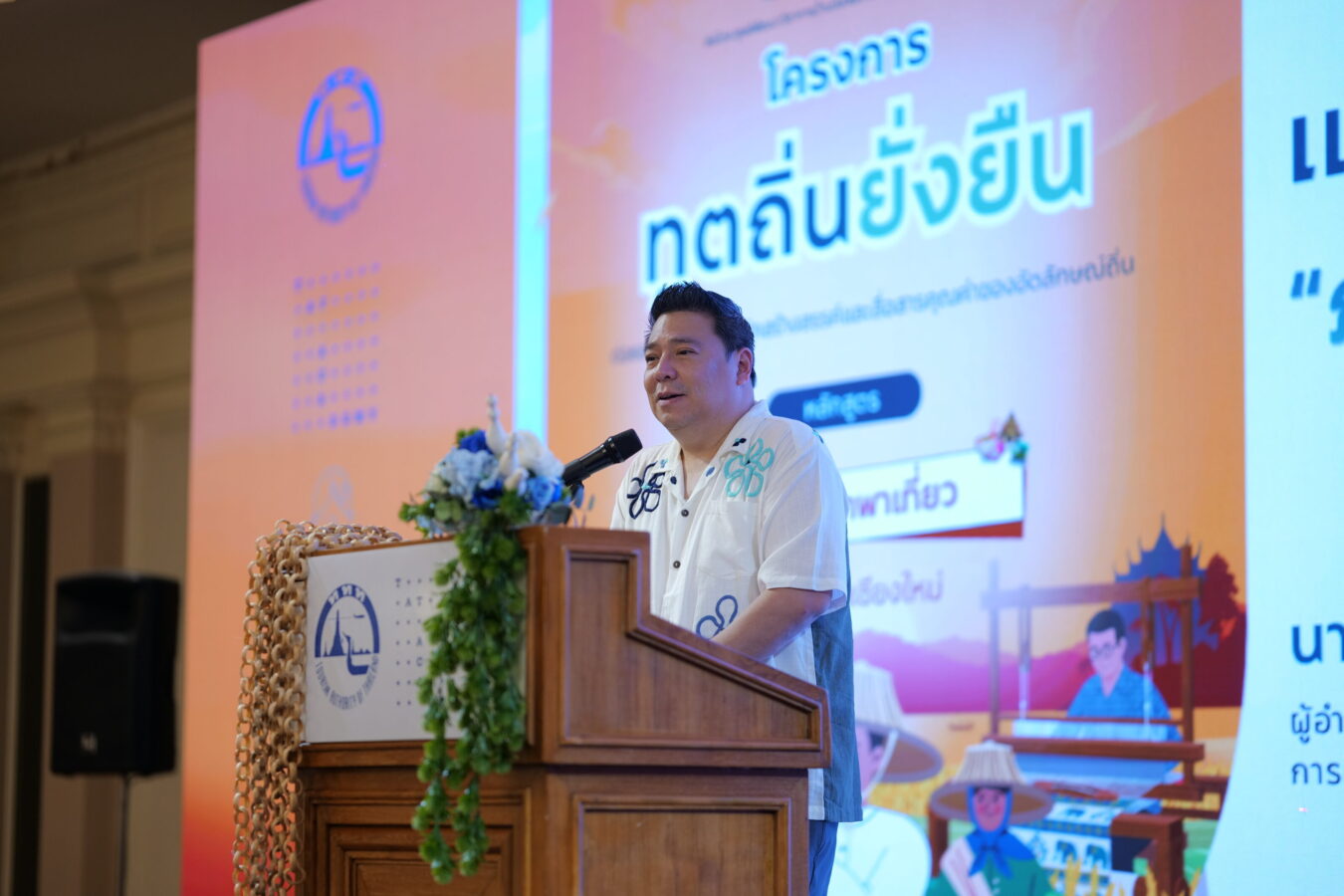
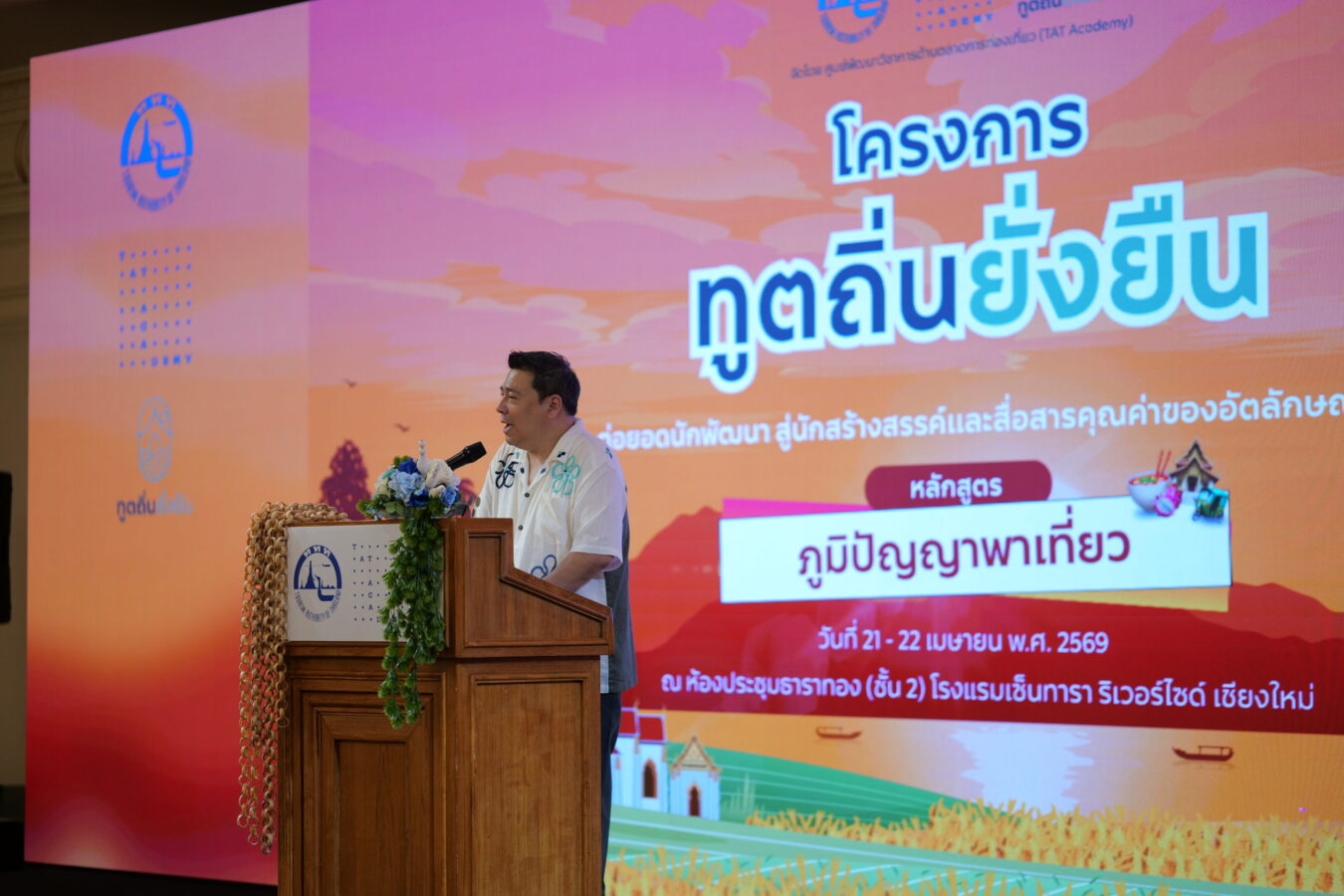
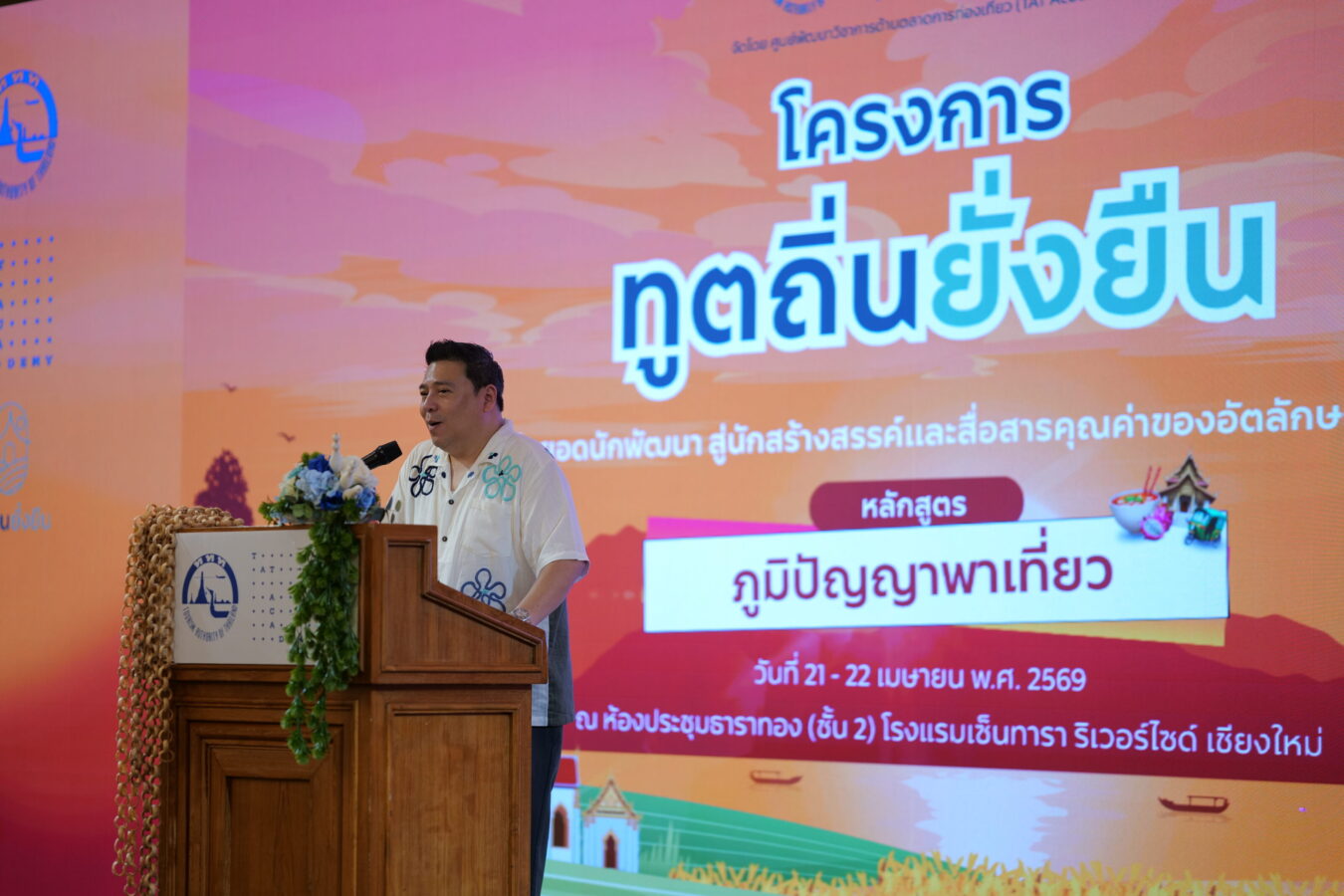
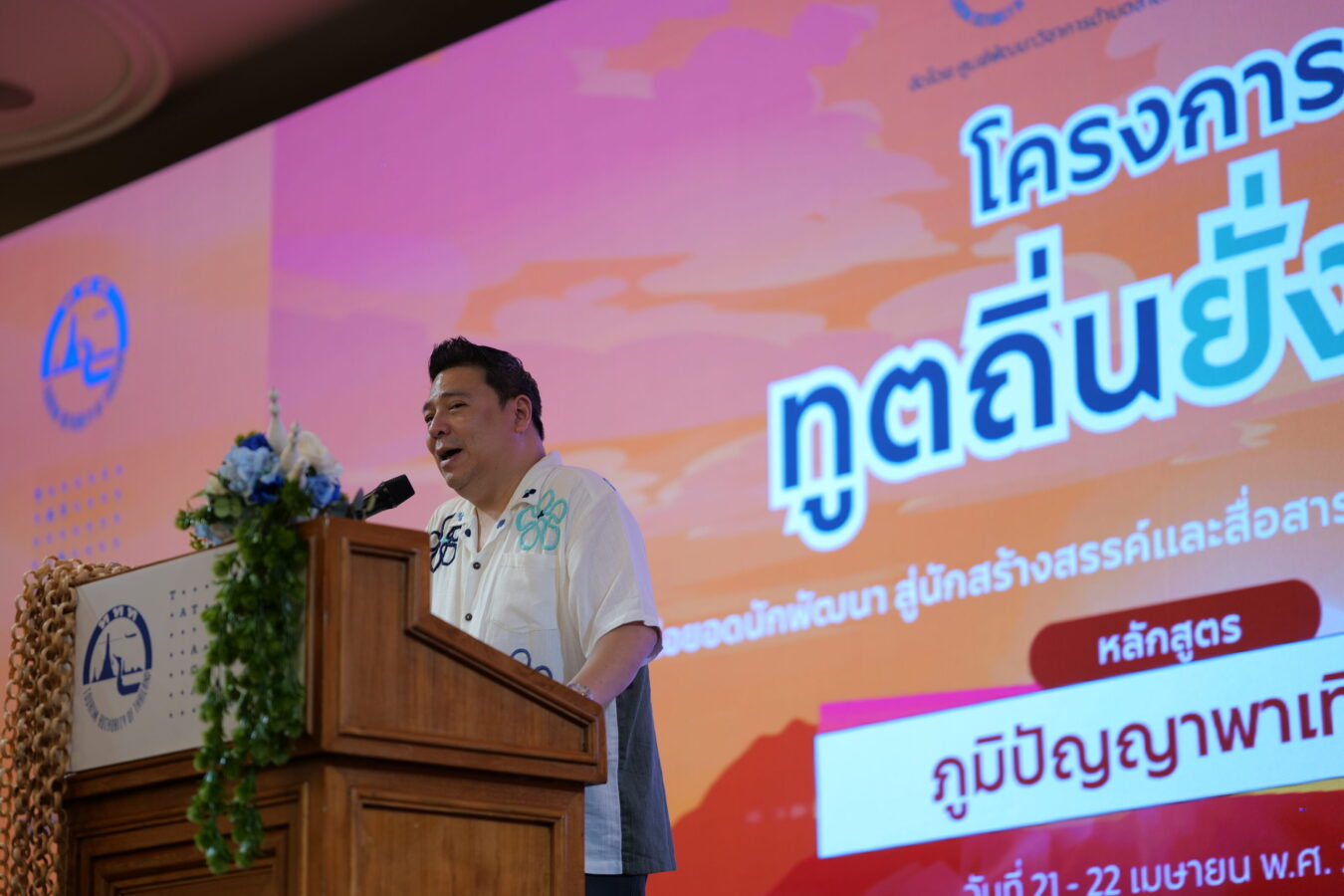
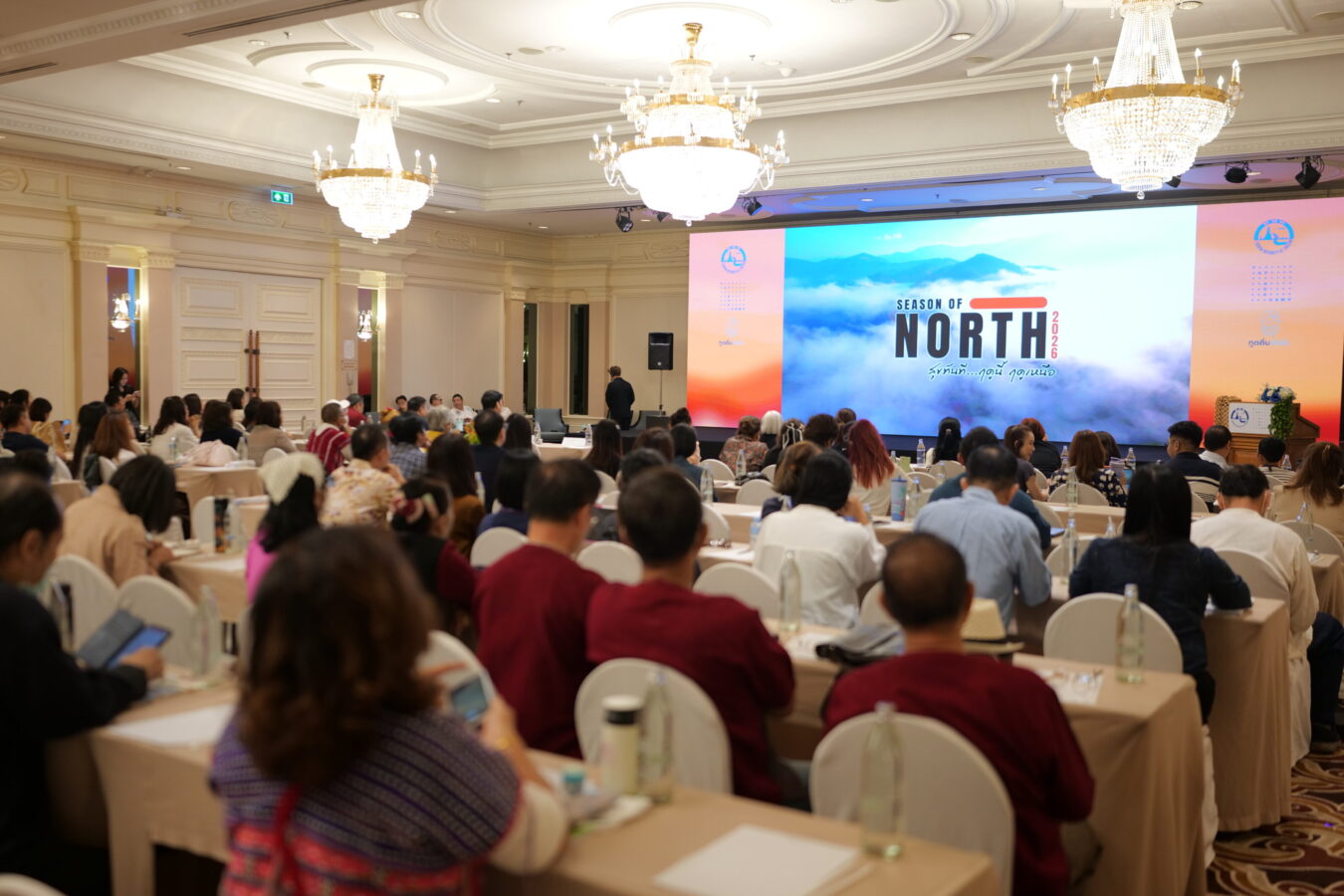
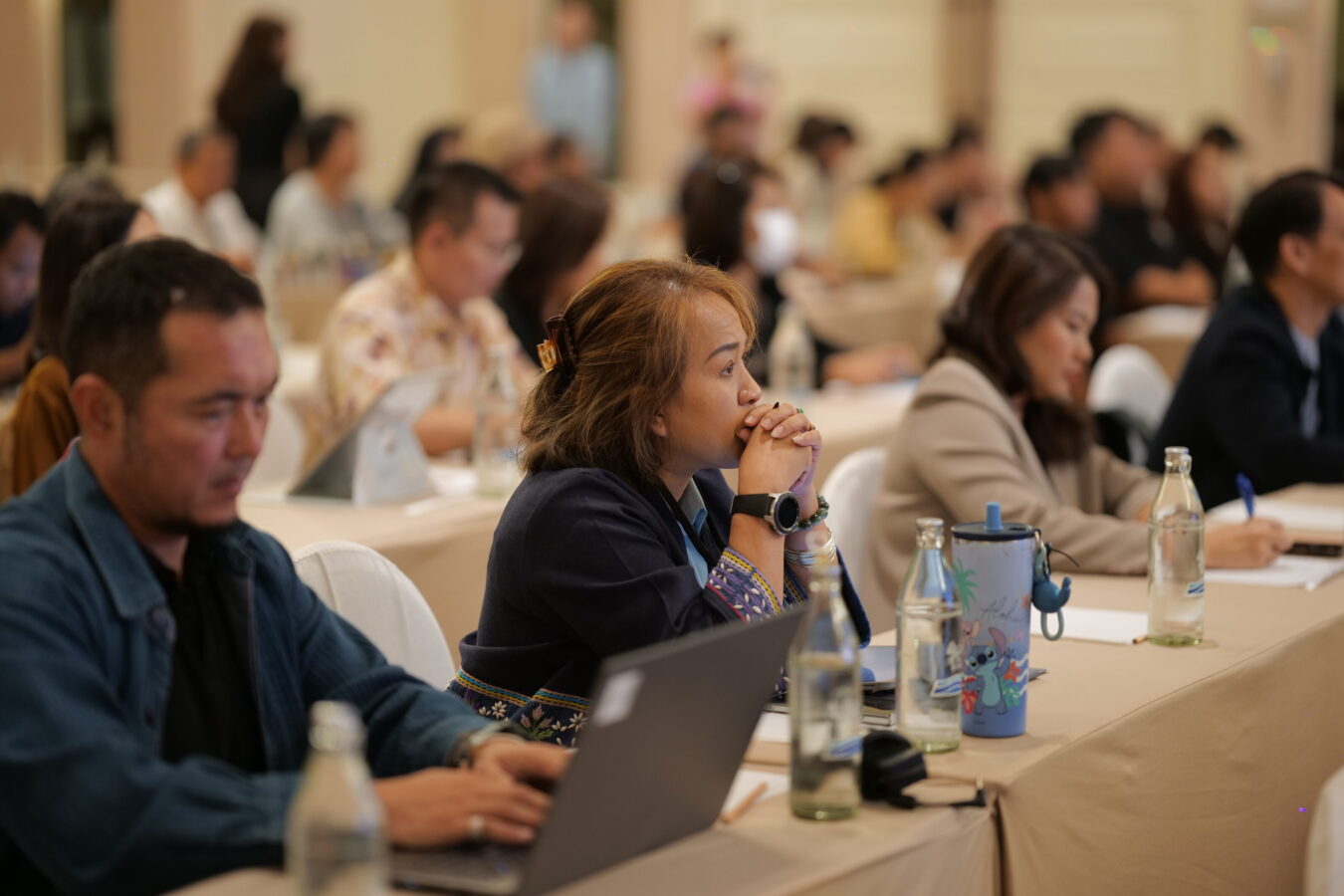
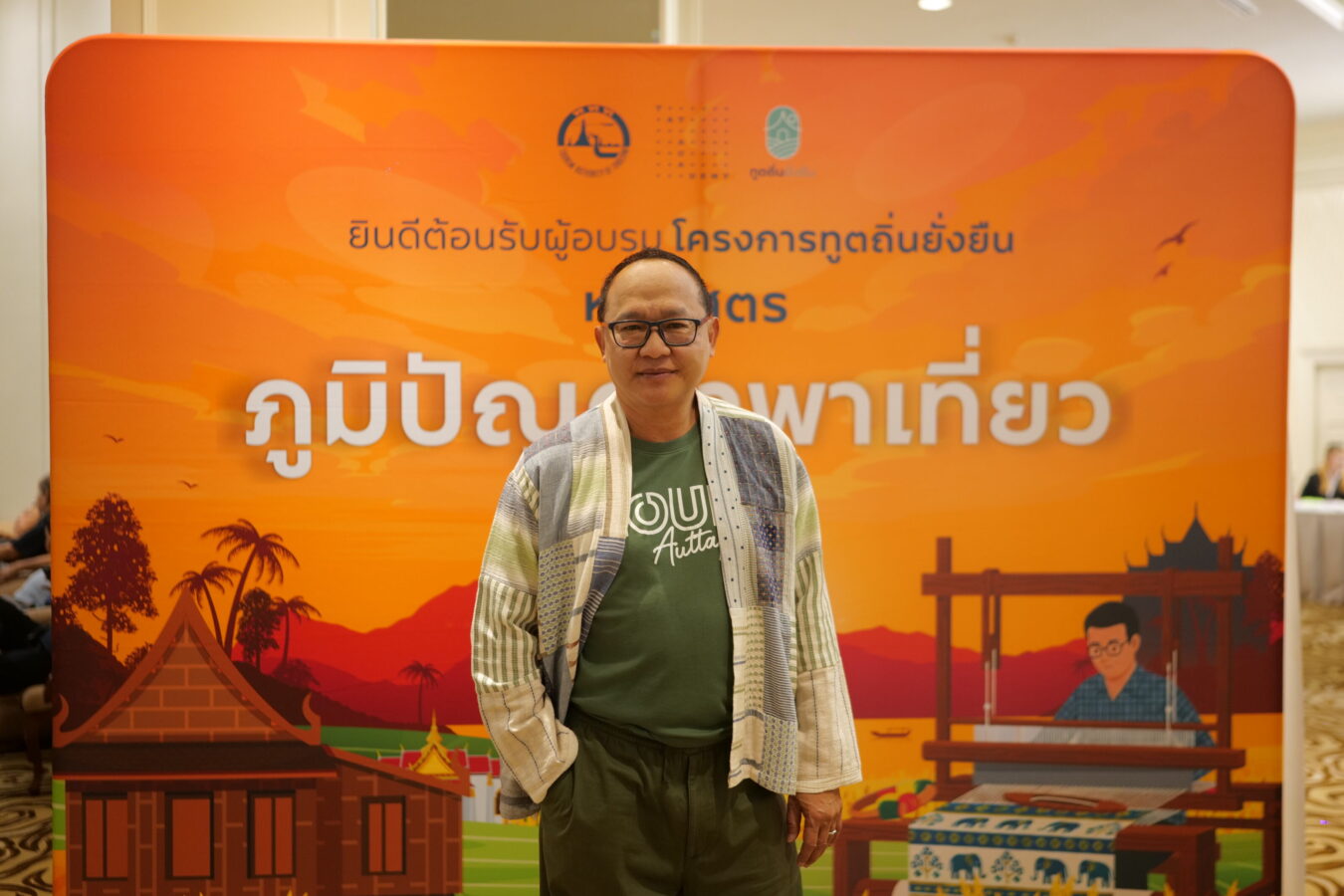
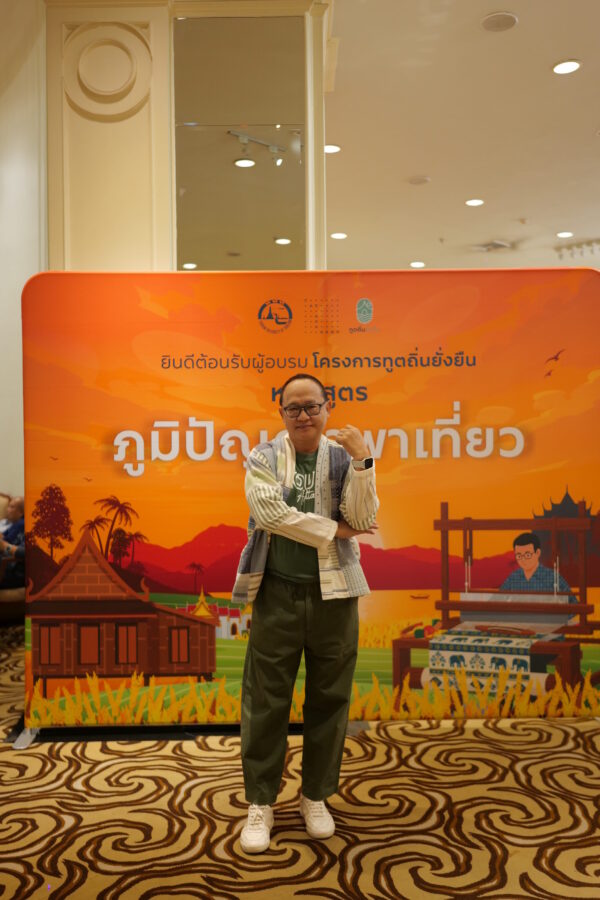
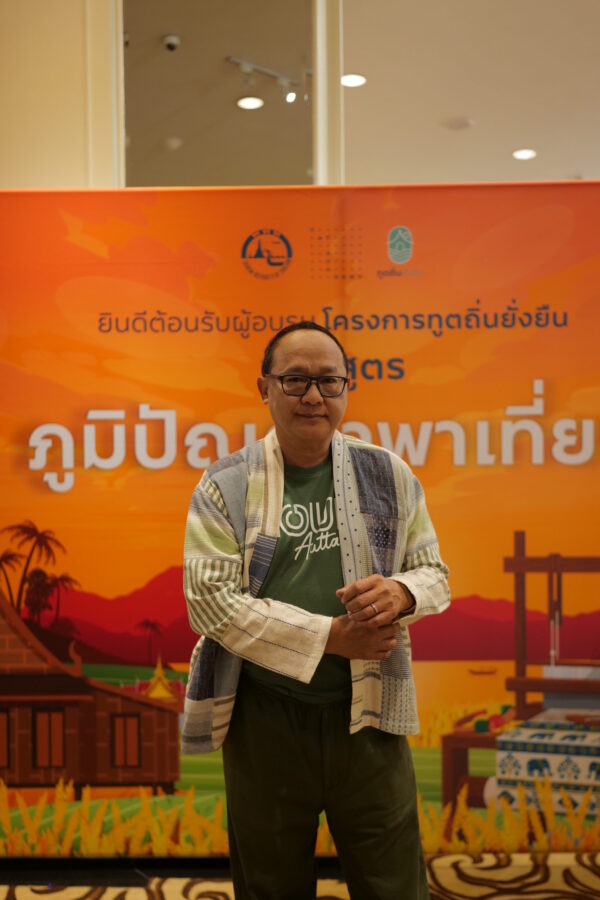
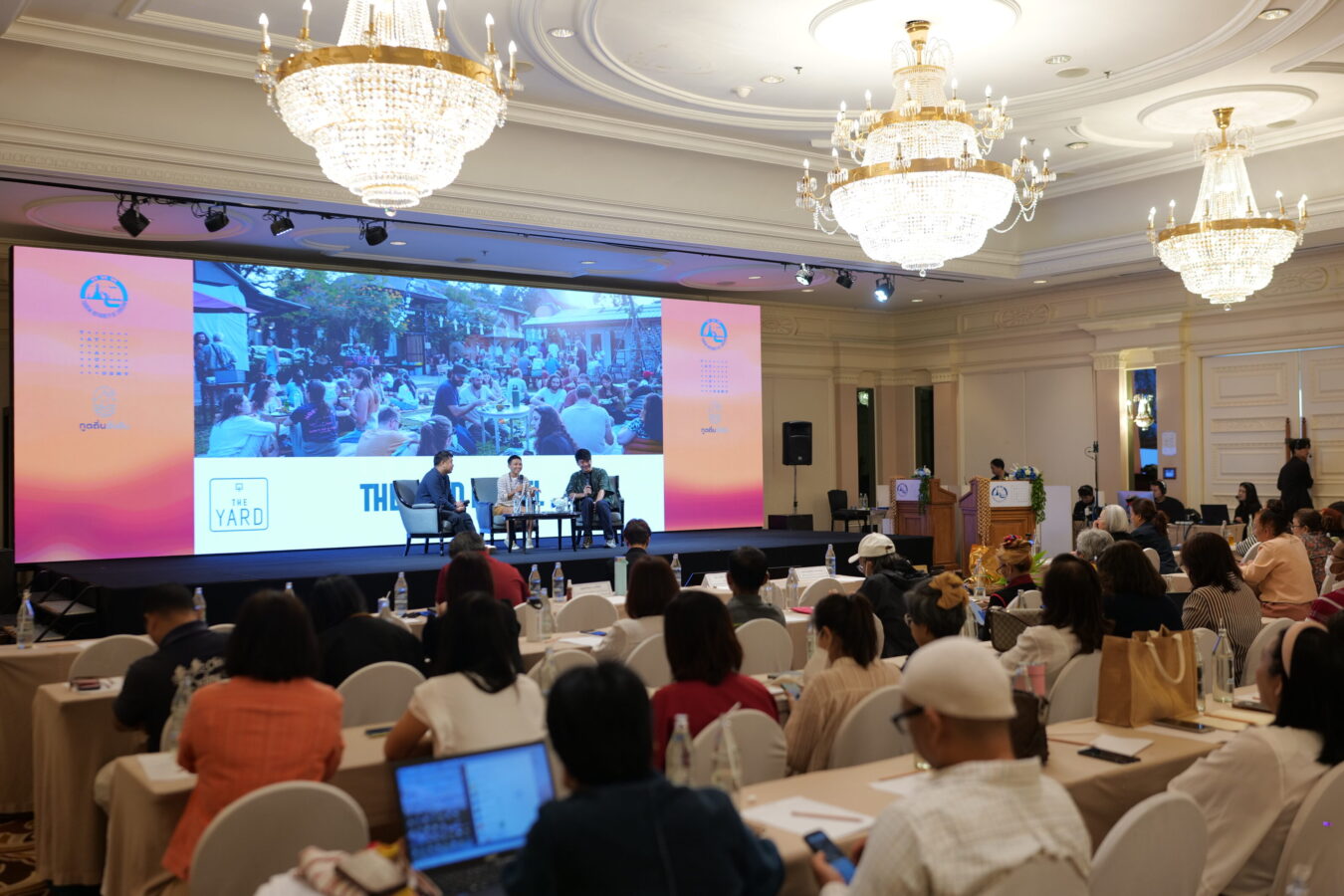
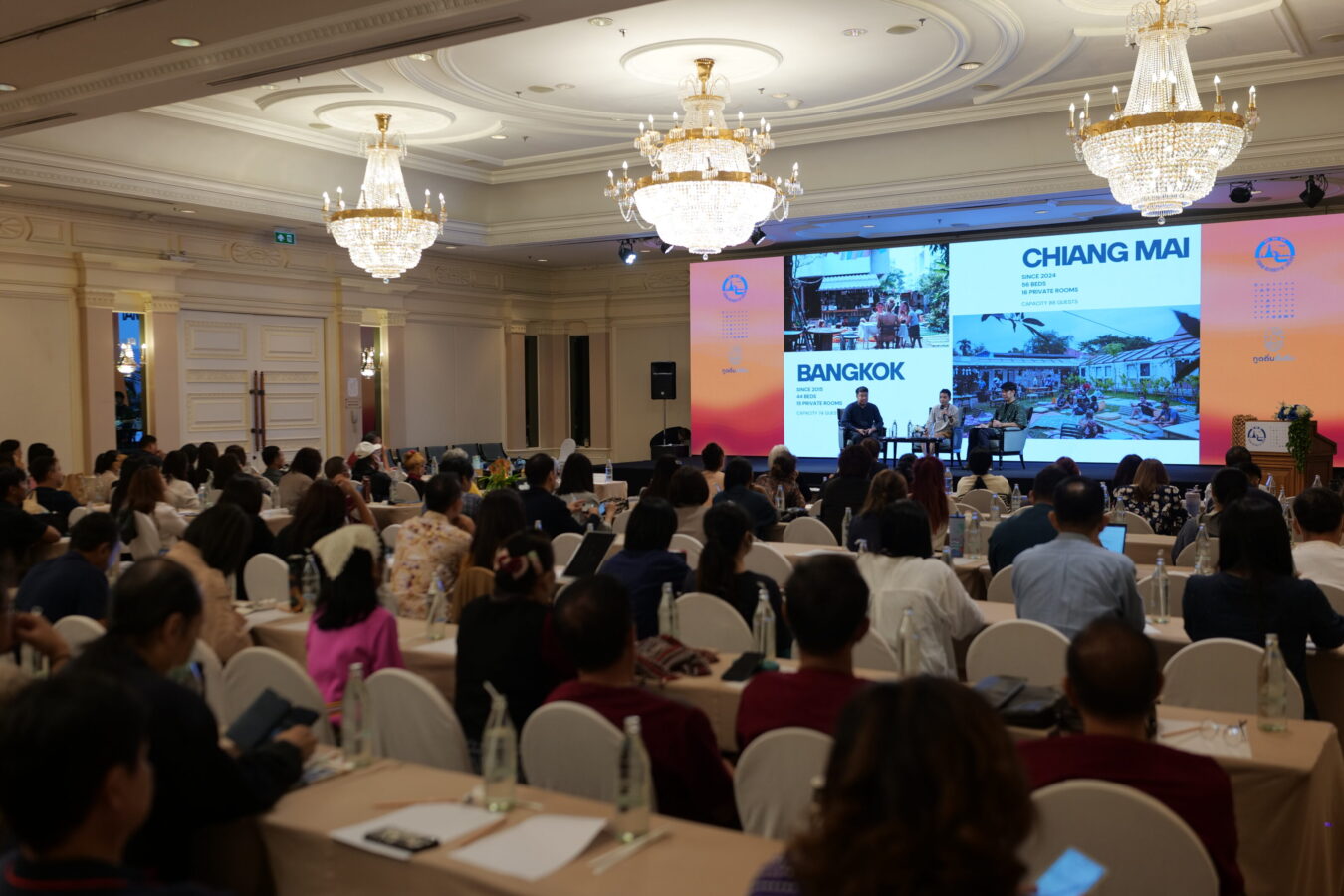
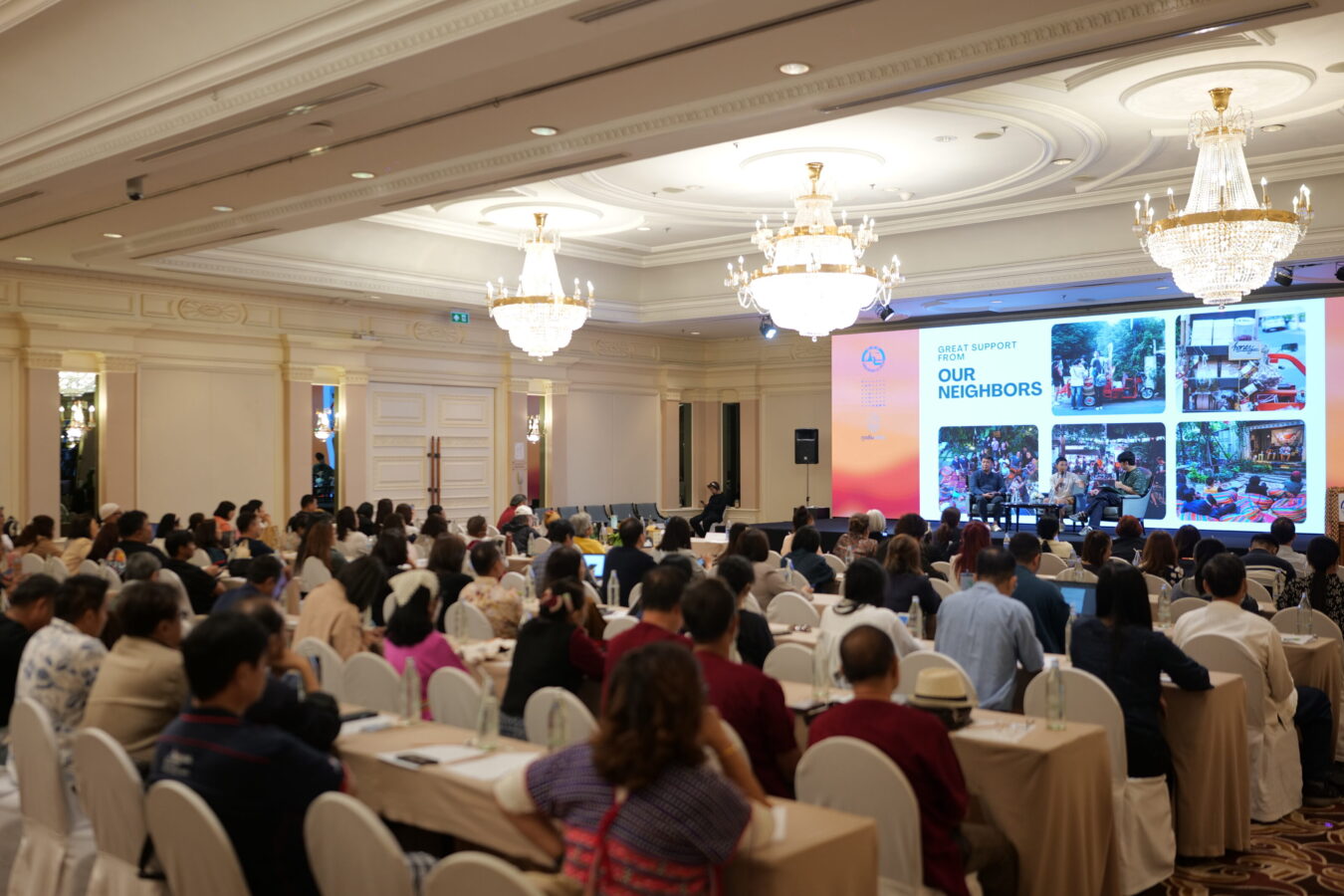
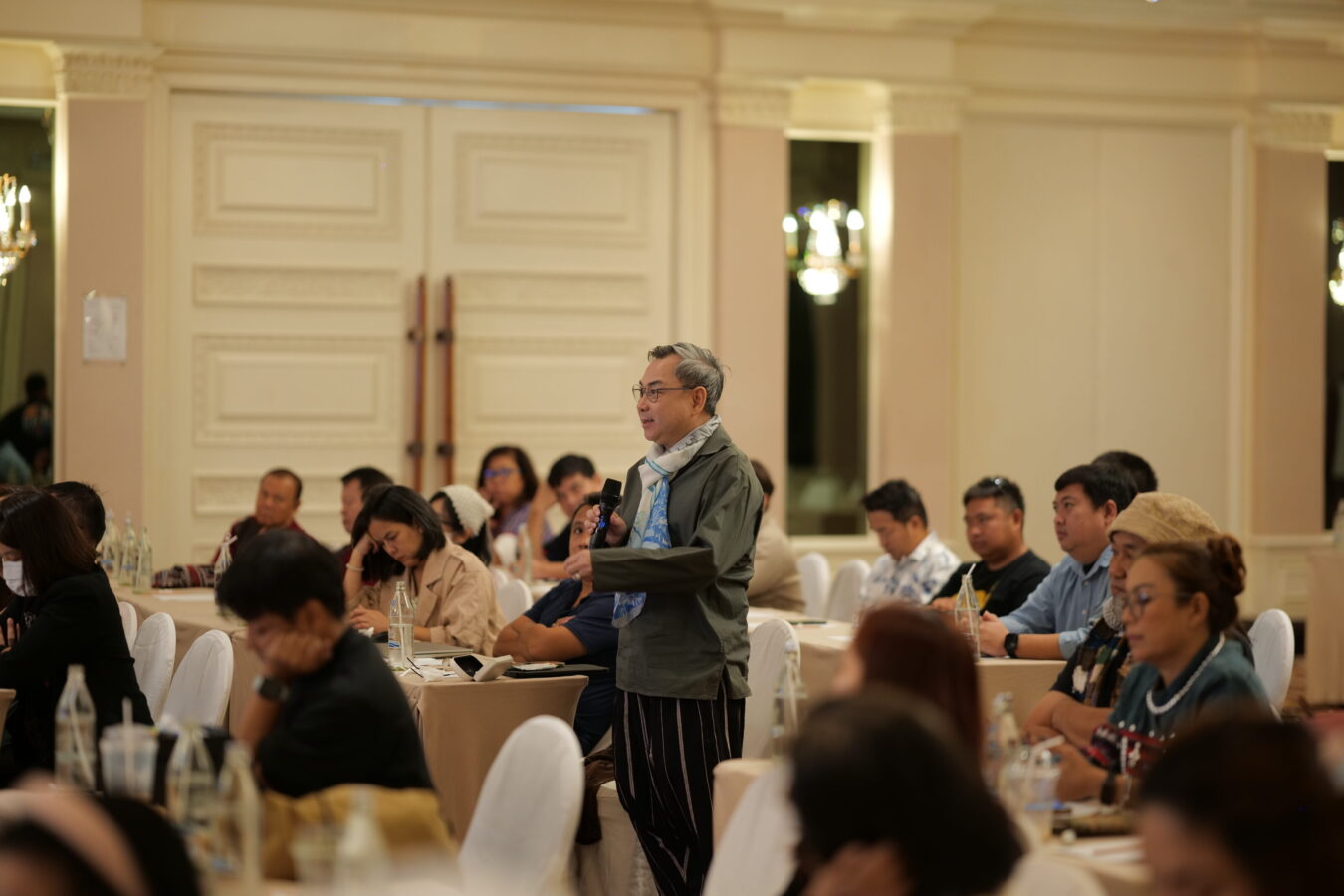
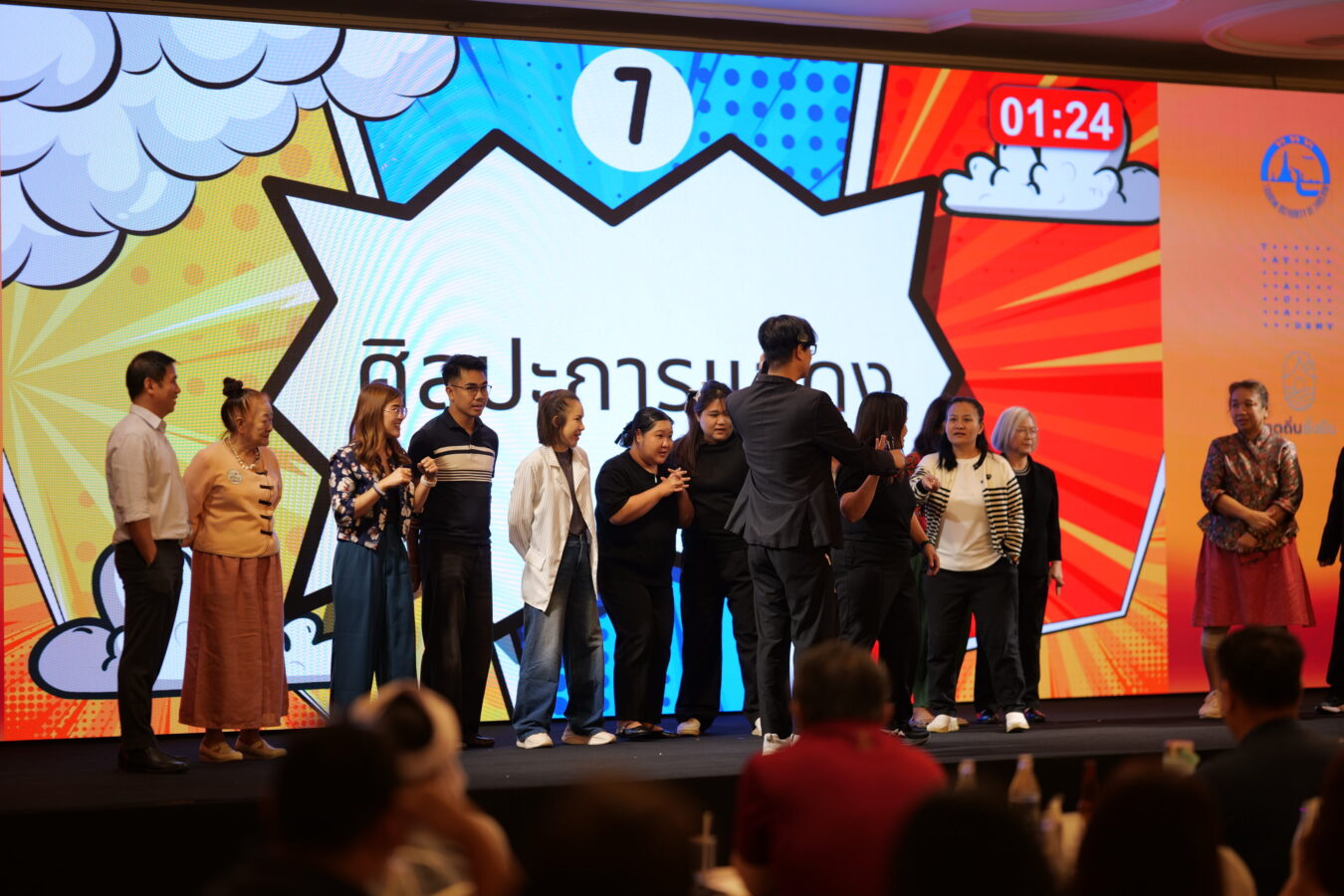
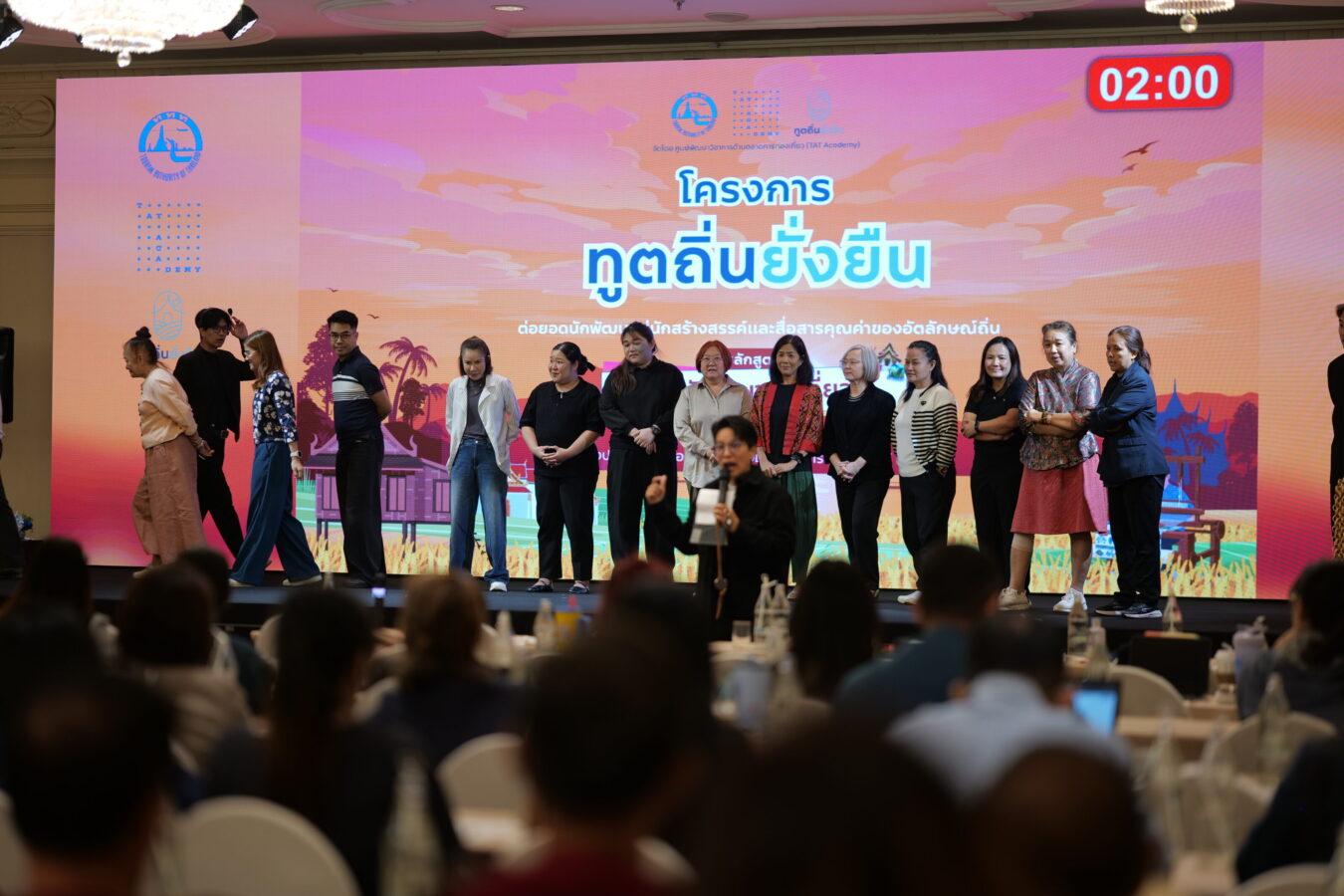
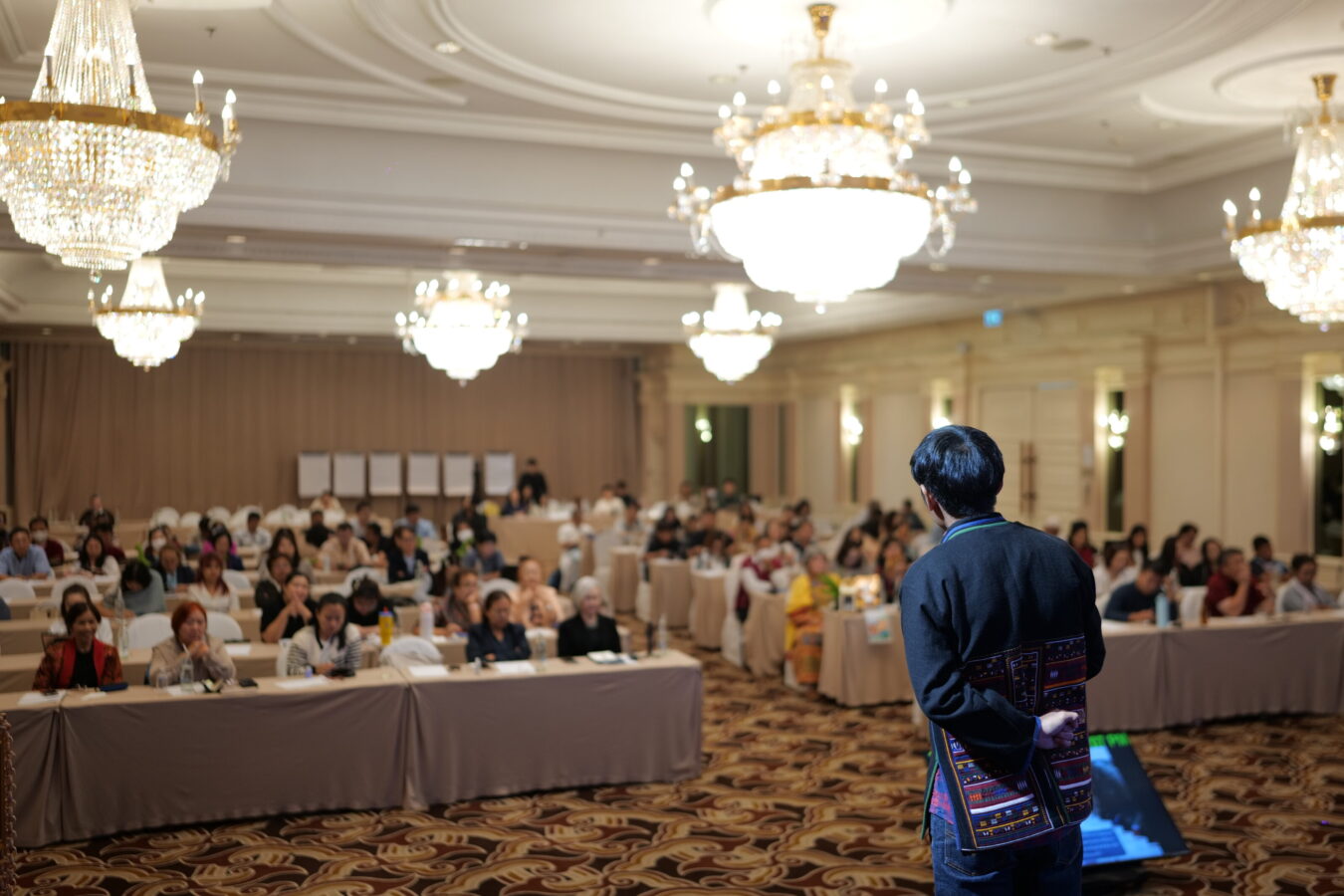
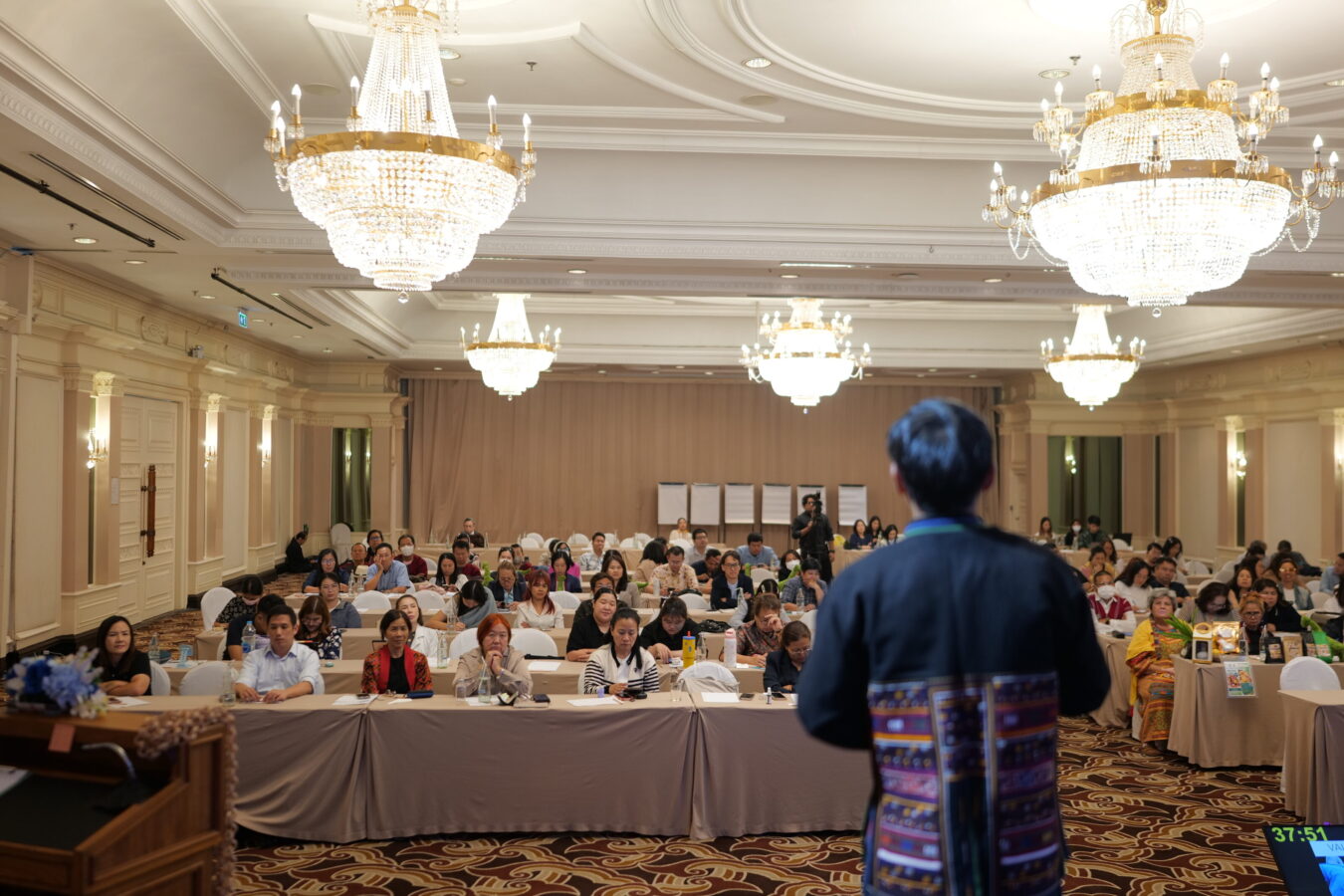
The Tourism Authority of Thailand (TAT) has launched its “Sustainable Local Ambassadors 2026” training programme for Northern Thailand in Chiang Mai, equipping tourism operators and personnel with strategic storytelling skills under the “Wisdom-Driven Tourism” curriculum. The initiative aims to transform local communities into powerful “Local Ambassadors,” capable of turning current challenges into meaningful and sustainable travel experiences.
Mr. Attapol Wannakit, Director of Tourism Research and Development at Tourism Authority of Thailand, highlighted that amid mounting pressures—from environmental concerns such as air pollution and rising temperatures to global economic uncertainties driven by energy crises and geopolitical conflicts—the key to restoring confidence in Northern Thailand’s tourism sector, particularly in Chiang Mai, lies in its people.
“The programme is designed to empower local communities to recognise the value of their own cultural capital and translate it into experiences that visitors can truly feel and understand—not merely observe,” he said.
Mr. Khajondej Apichatitrakul, TAT’s Northern Region Director, added that TAT’s role is to act as a vital connector between market demand and local supply. “This training enables Chiang Mai’s communities to leverage their rich Lanna heritage, ethnic diversity, and way of life to create added value, while ensuring income distribution is both balanced and sustainable,” he noted.
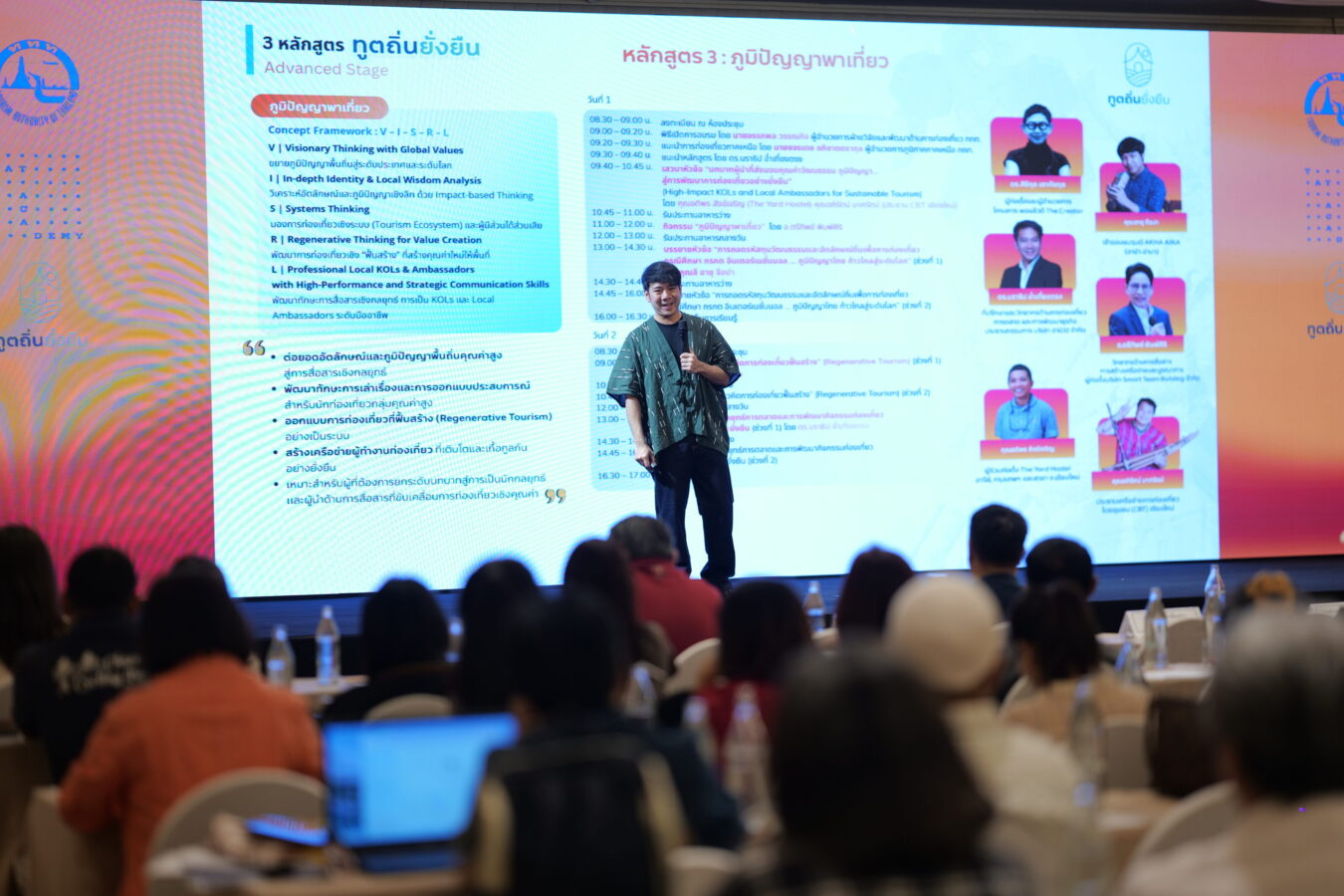
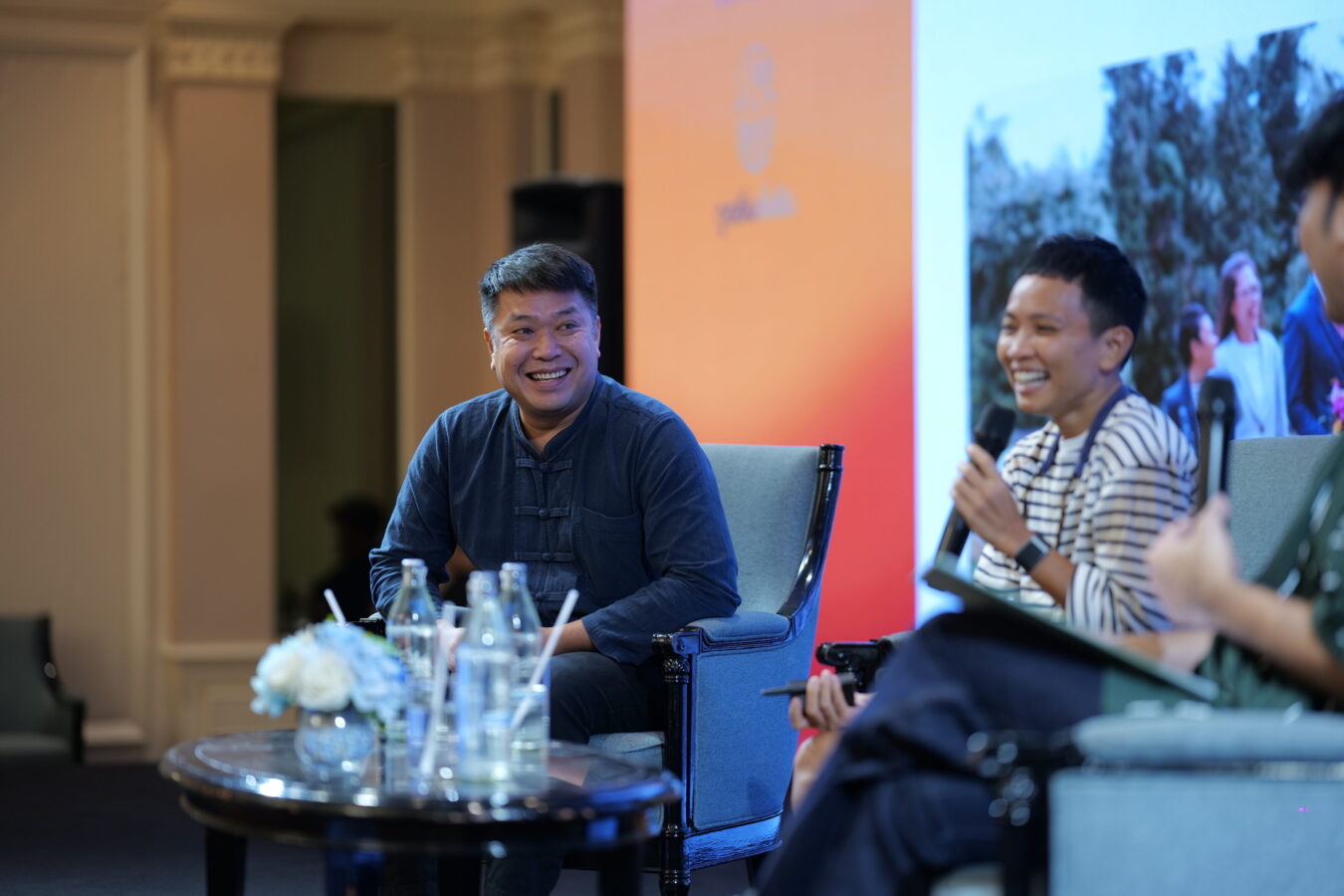
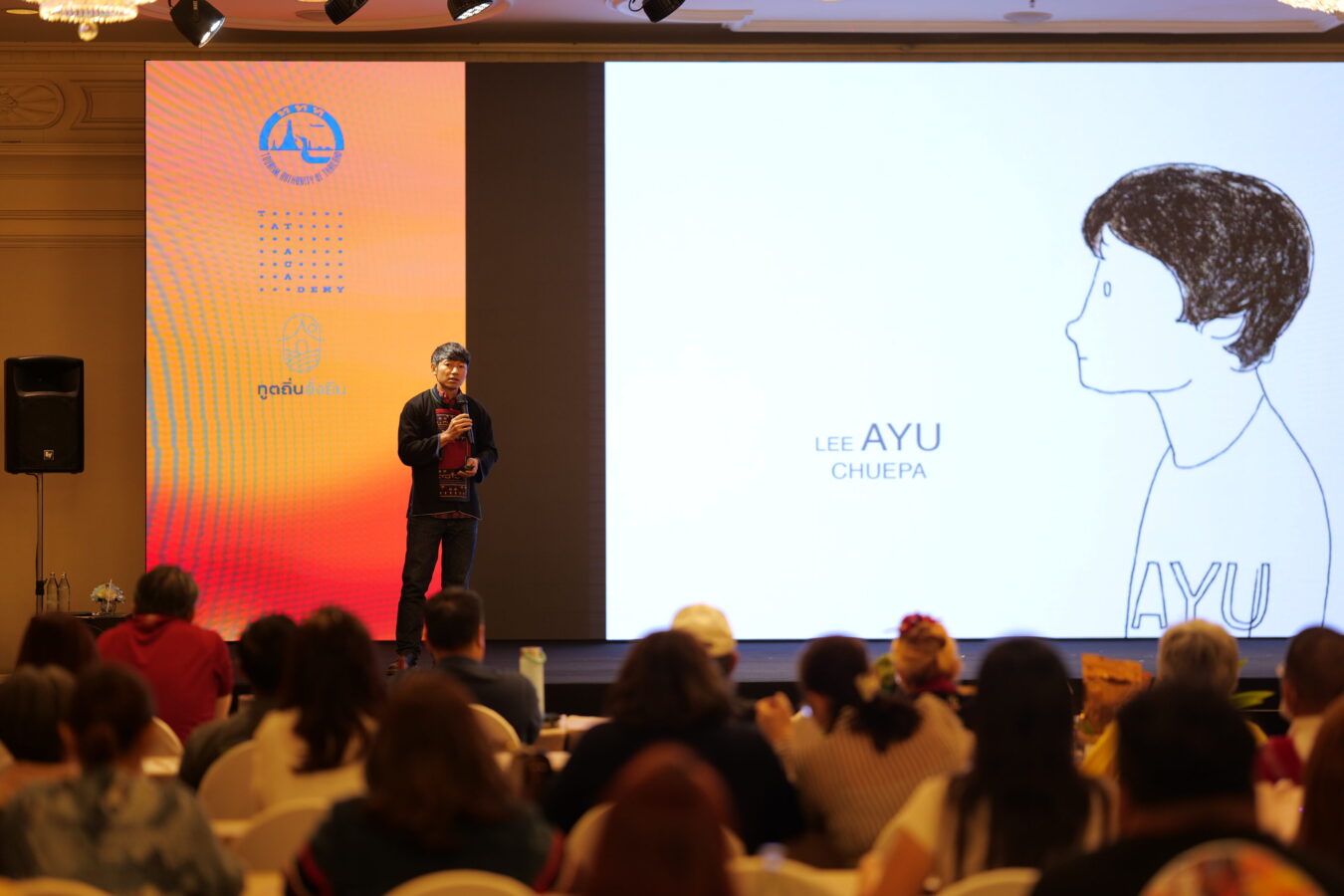
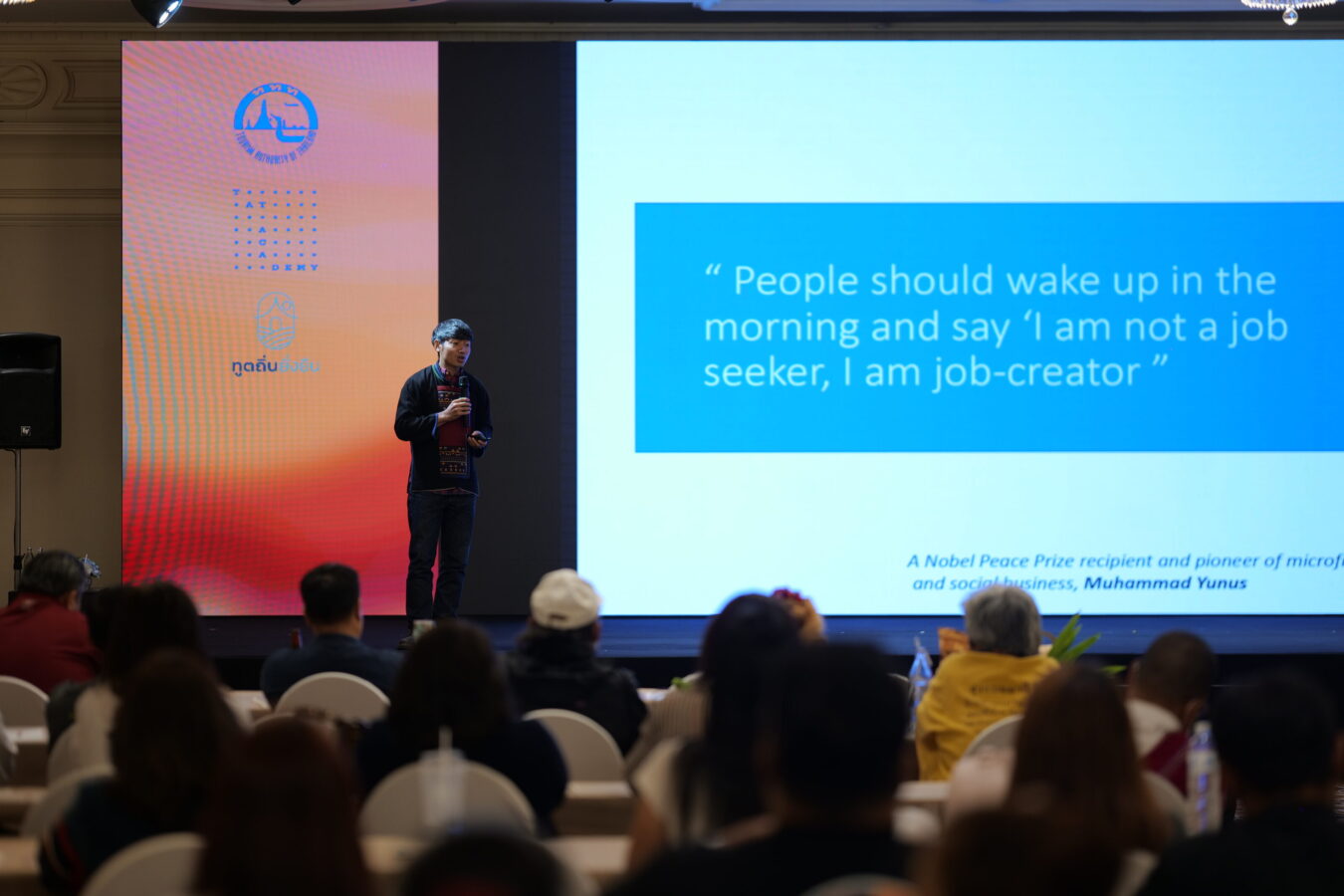
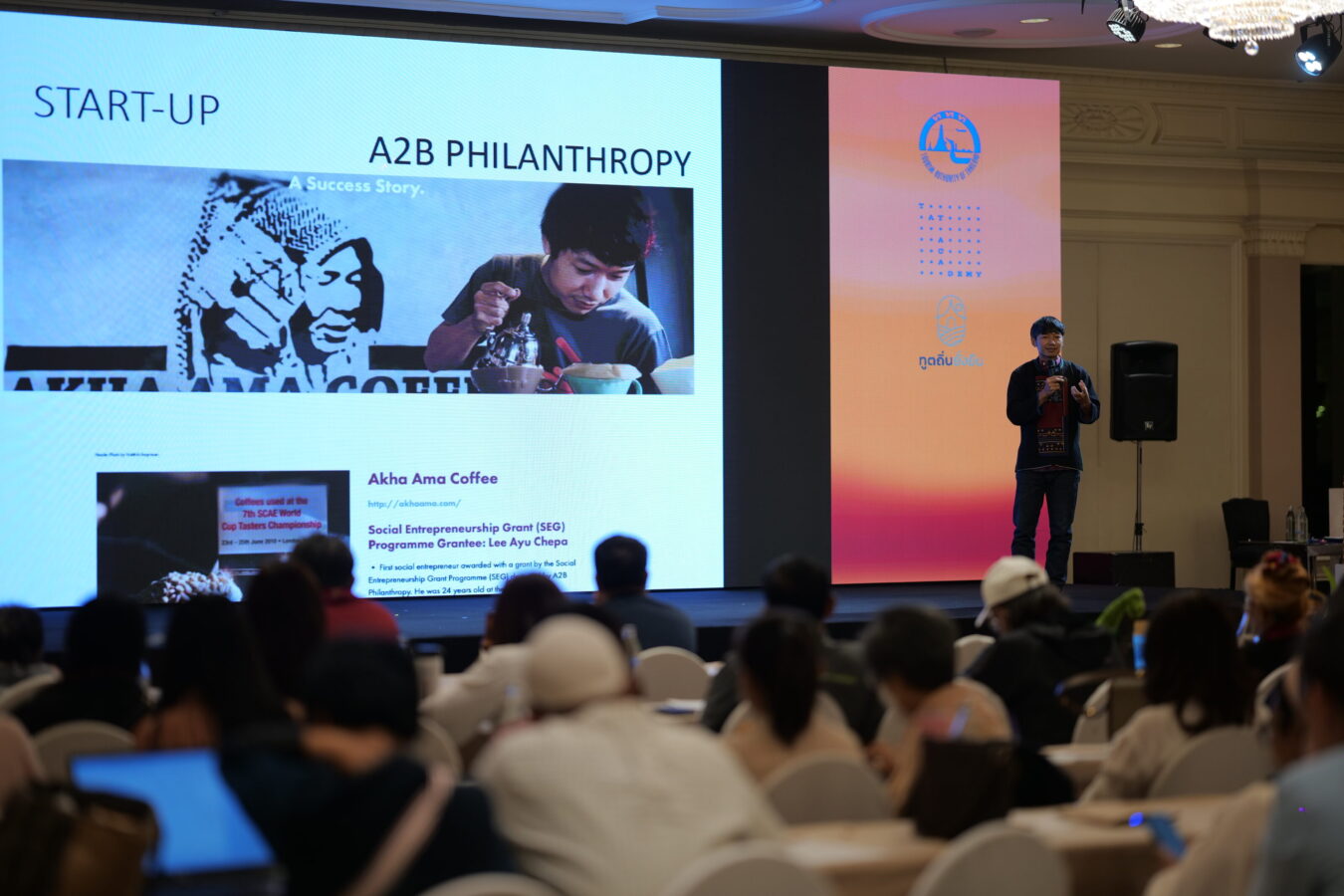
A key highlight of the Chiang Mai programme is its line-up of leading industry experts and changemakers, including Dr. Sirikul Laukaikul, founder of Por Laew Dee – The Creator; Lee Ayu Chuepa, founder of Akha Ama Coffee; Atiporn Sangcharoen, co-founder of The Yard Hostel in Ari, Bangkok and Chiang Mai; Apirat Masarat, President of the Chiang Mai Community-Based Tourism (CBT) Network; and Dr. Narathip Amtiangtrong, tourism consultant and lecturer.
The curriculum covers a range of in-depth topics, including decoding cultural capital through real-world case studies, developing high-impact Local Ambassadors through storytelling and communication skills, advancing regenerative tourism models that foster mutual growth, and crafting high-value tourism strategies tailored to quality travellers.
Through this initiative, TAT aims to position Chiang Mai not only as a destination of beauty, but as a model for sustainable, experience-driven tourism rooted in authentic local identity.