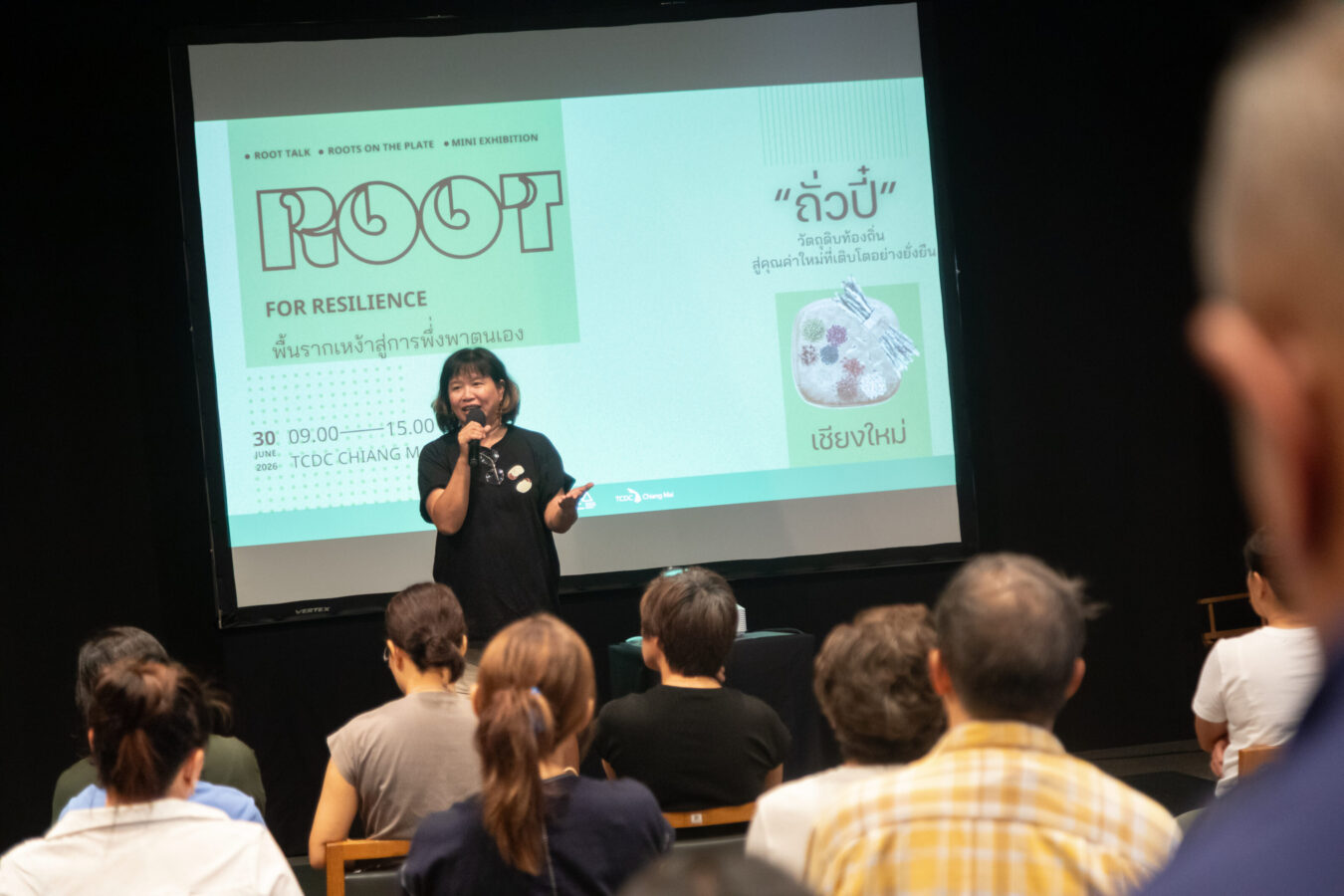
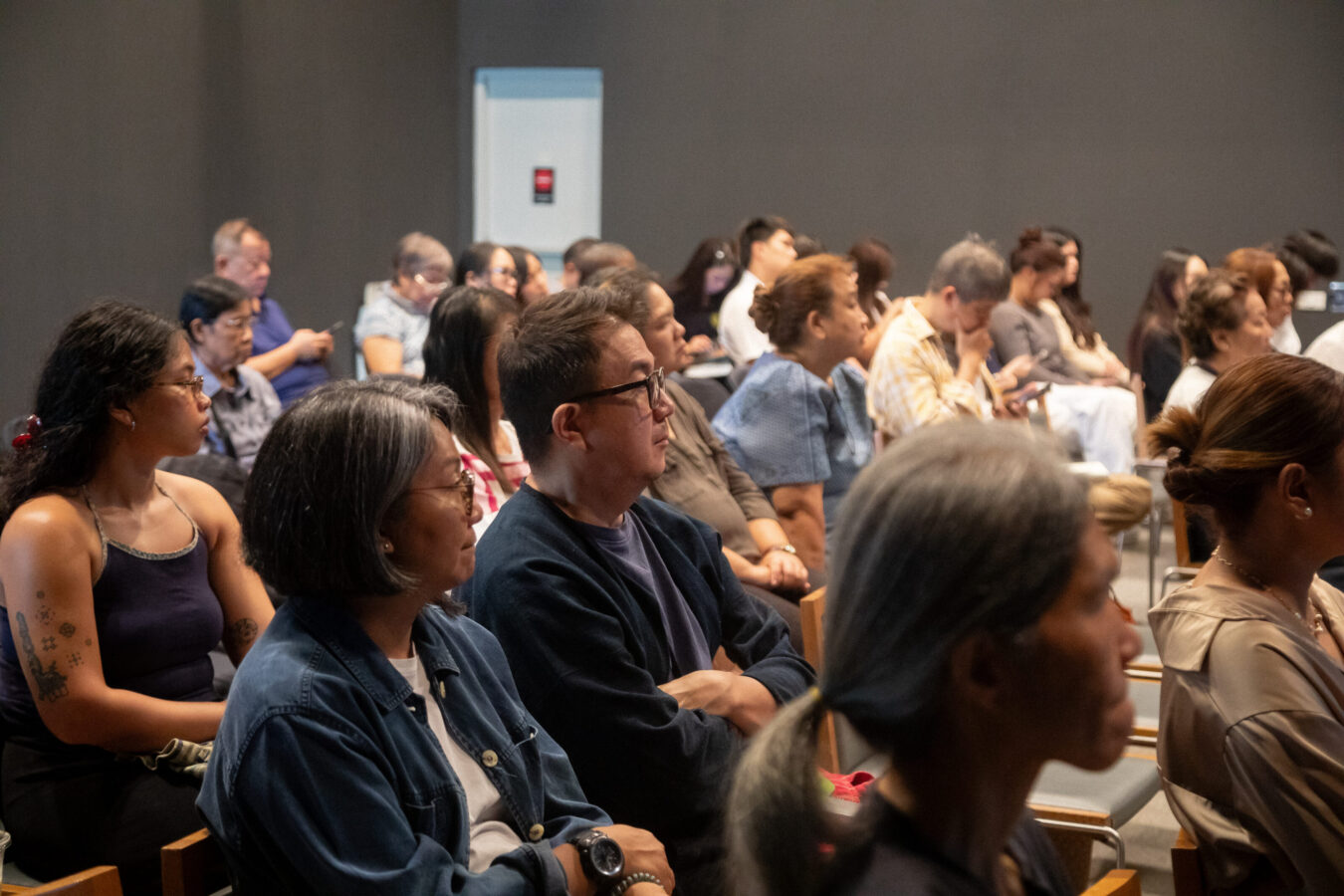
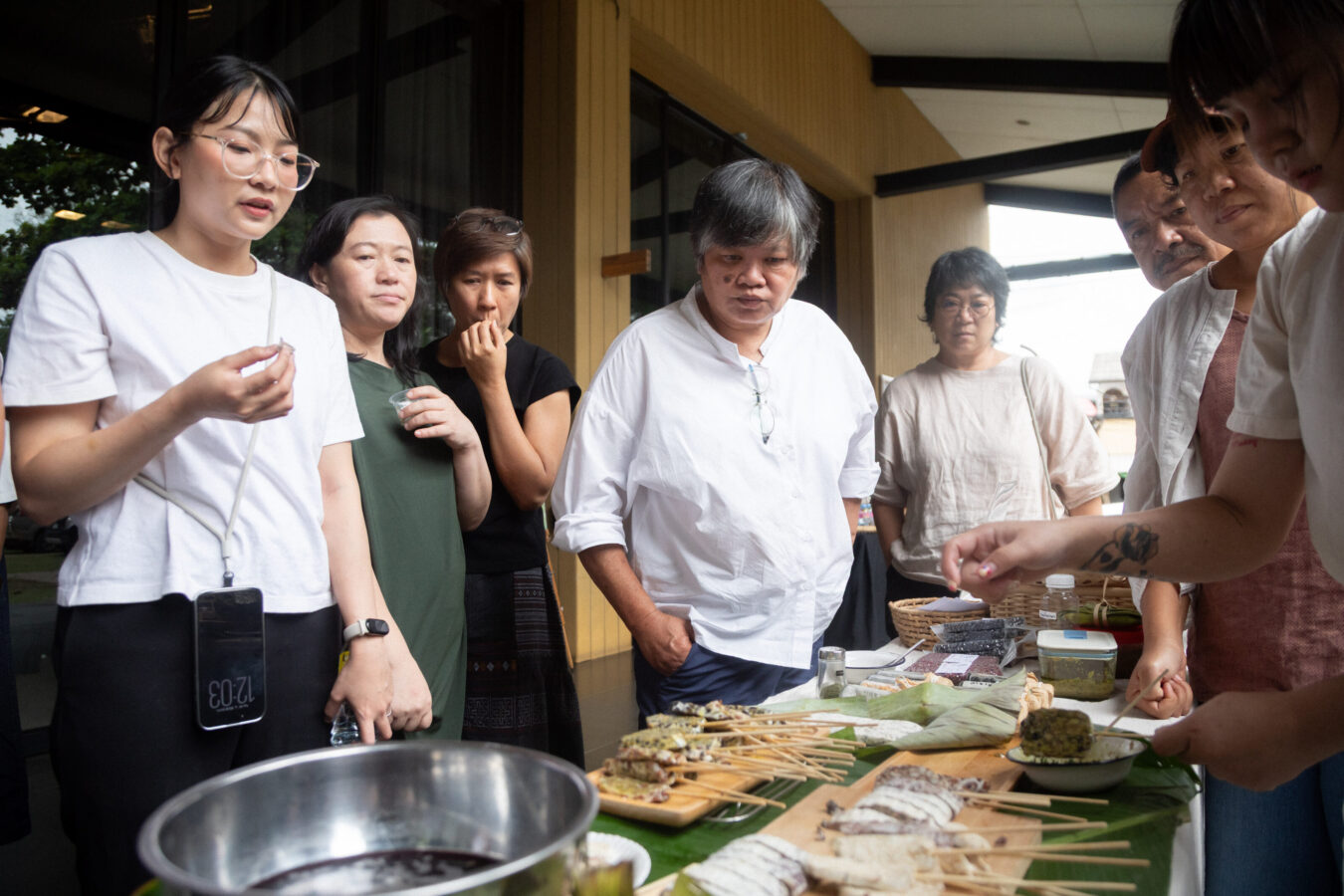
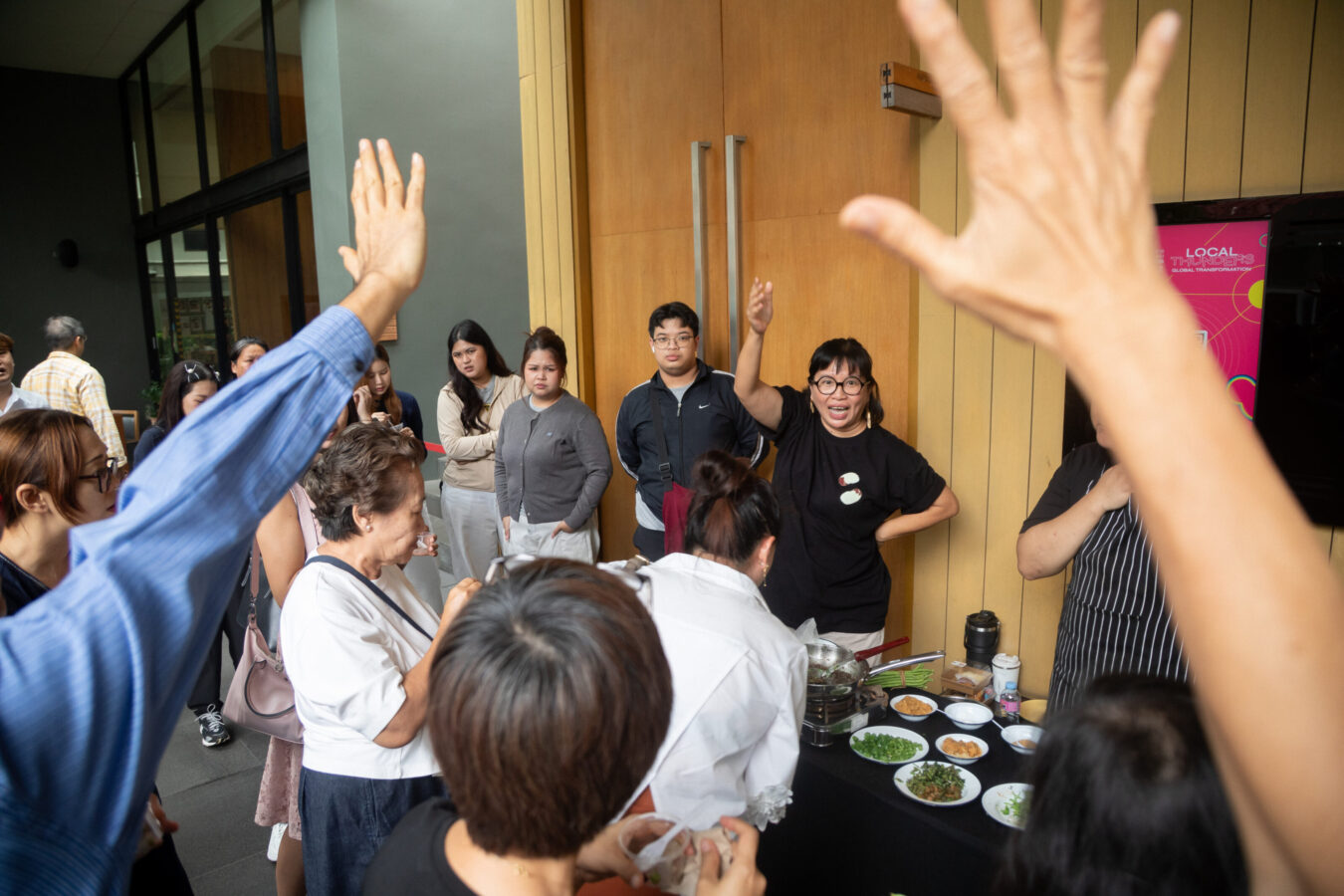
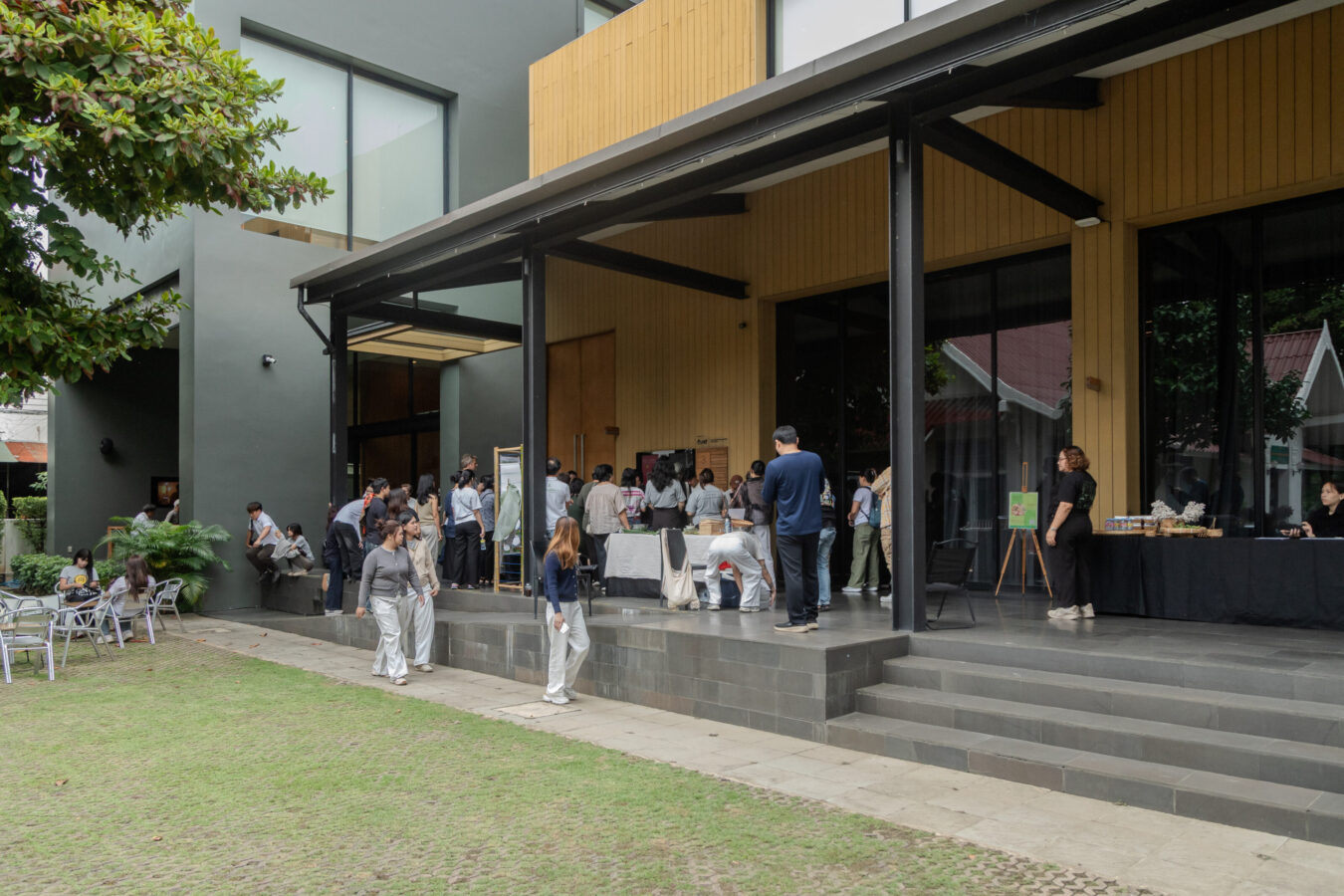
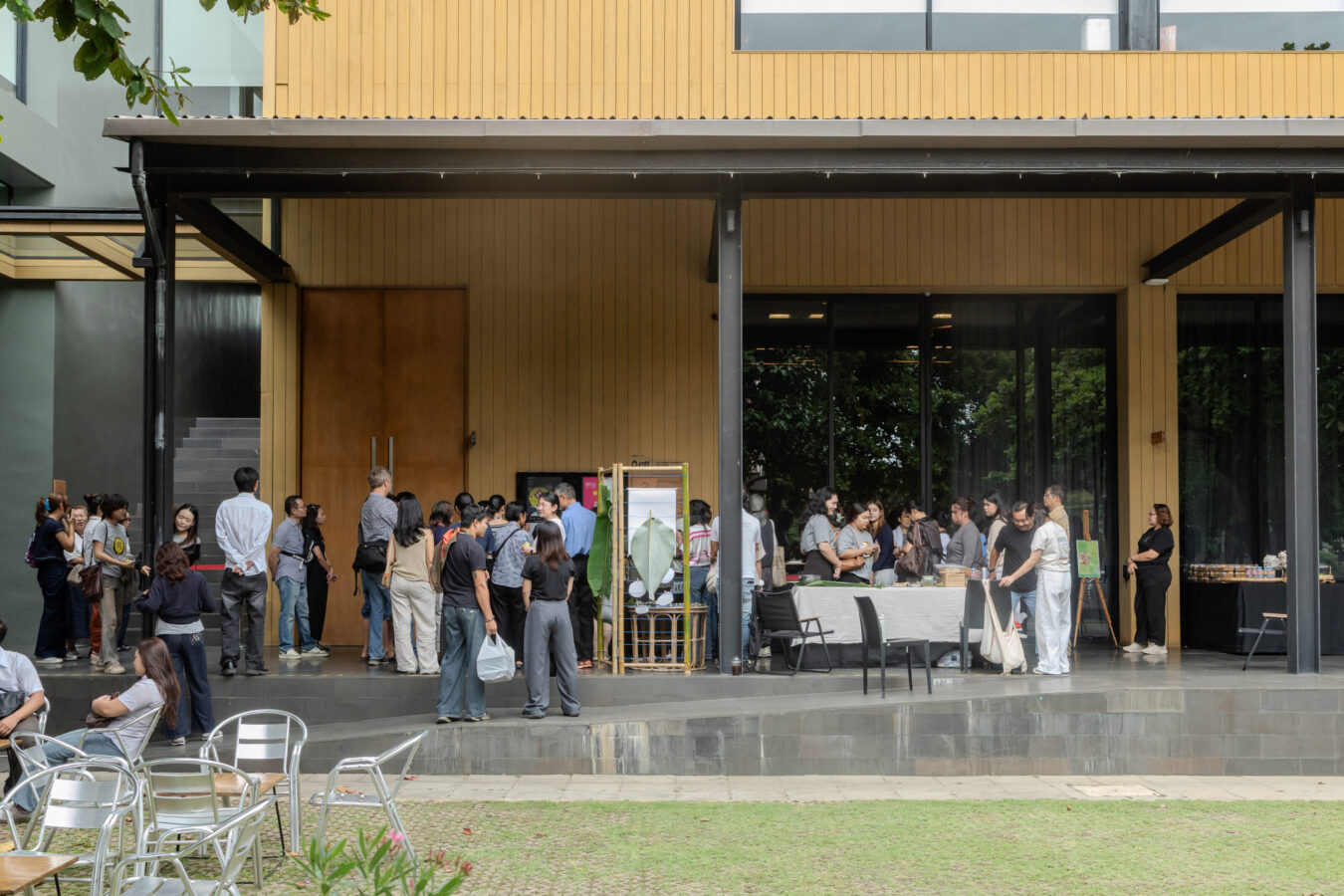
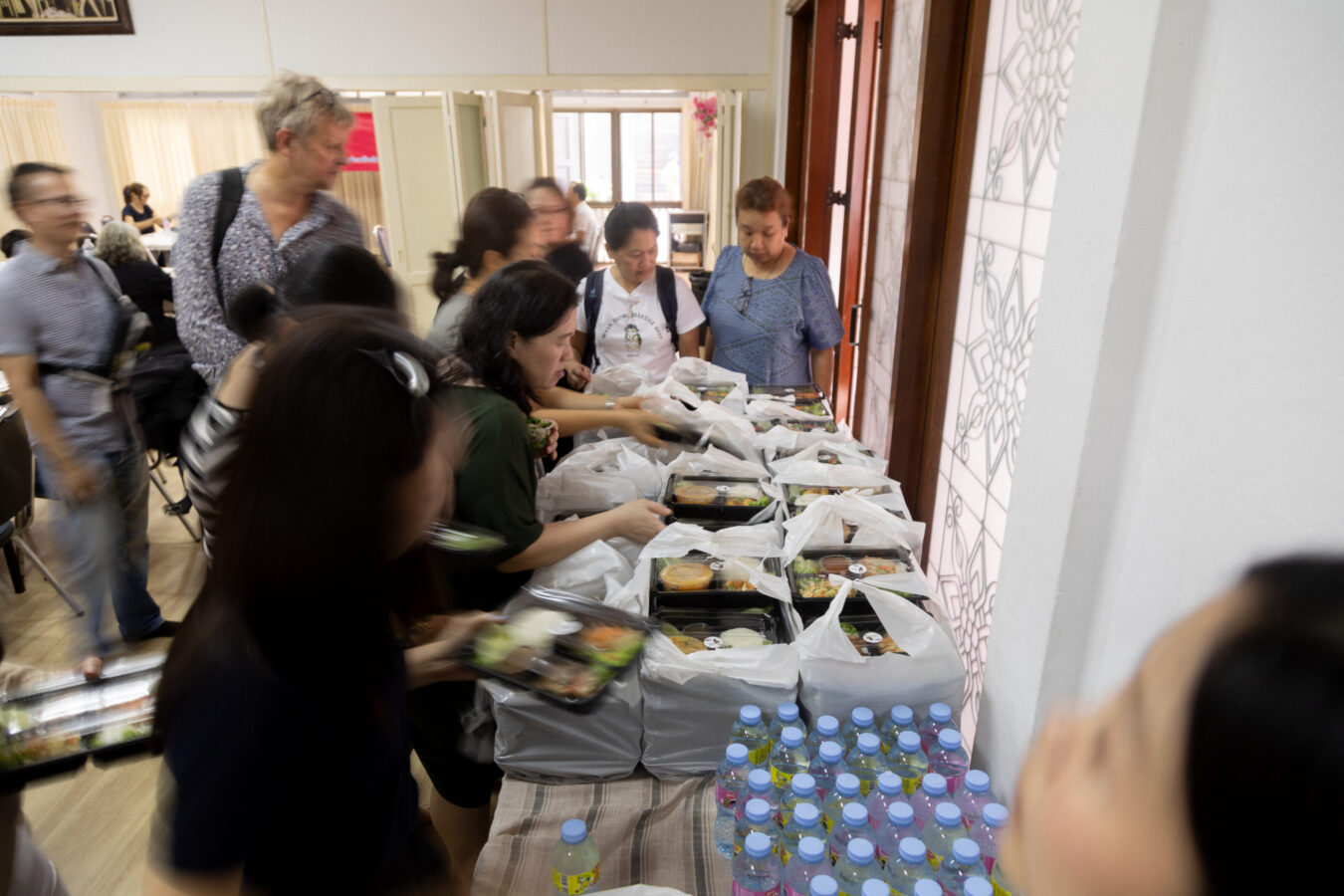
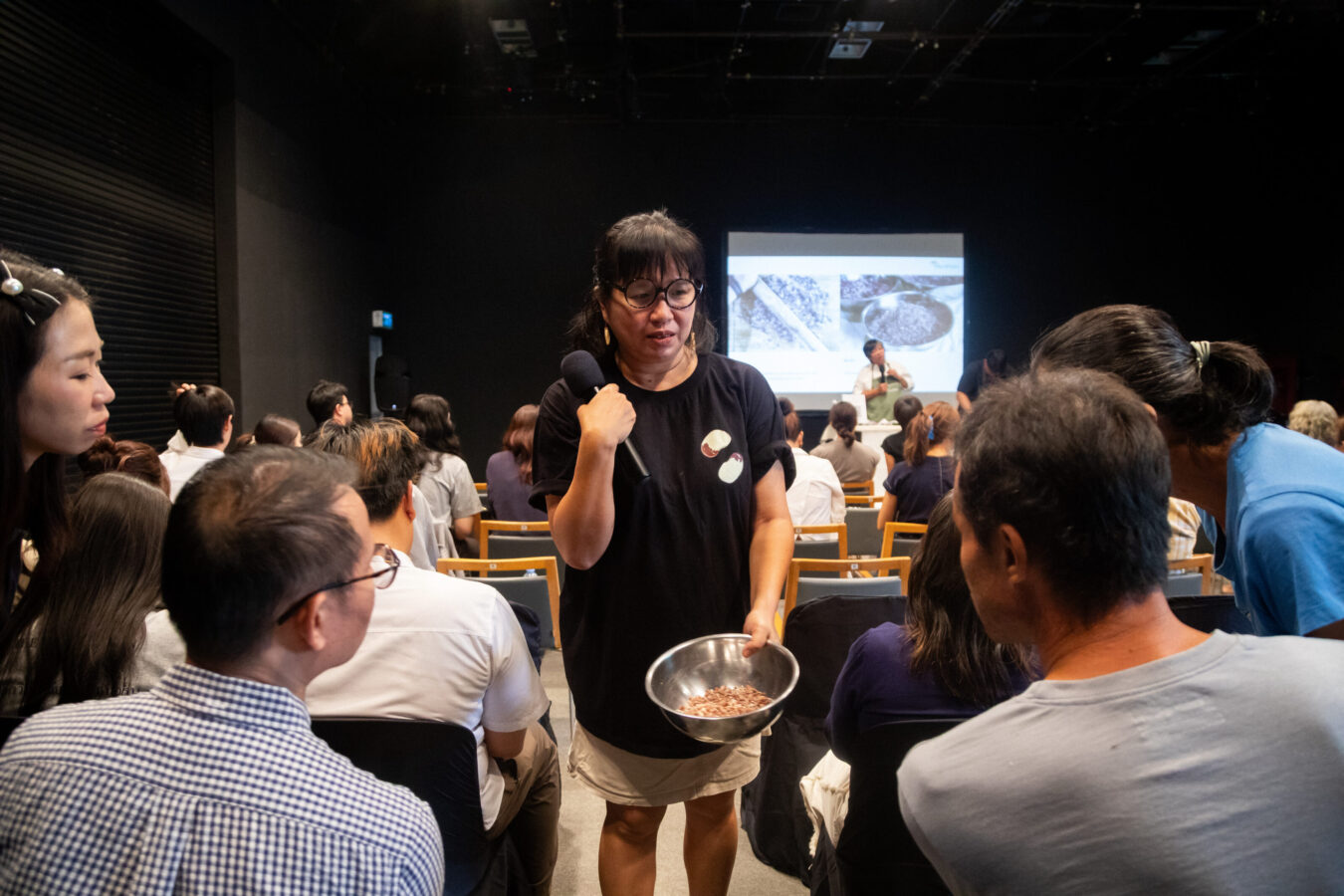
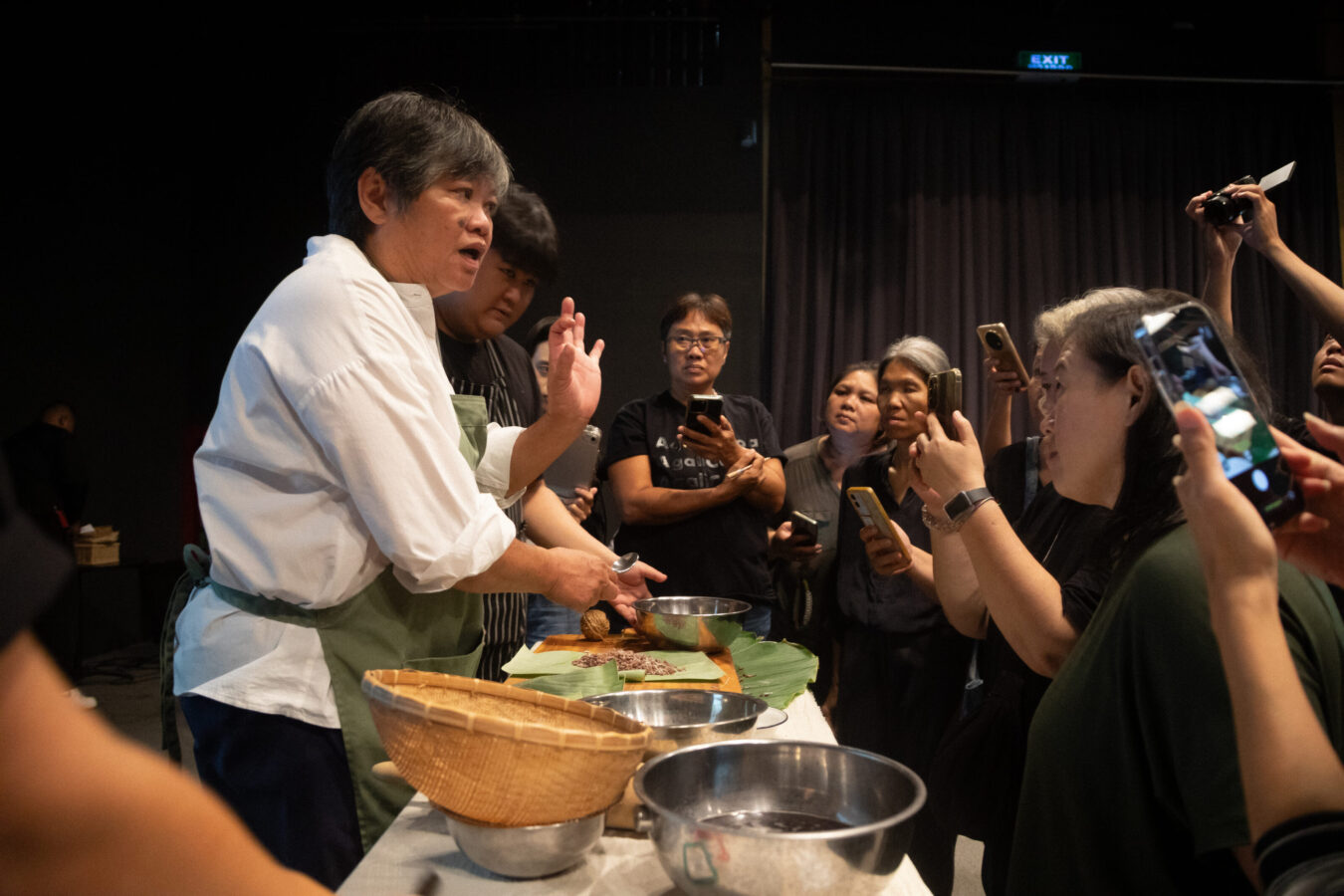
The Creative Economy Agency (CEA), Northern Office, launched “Root for Resilience: Rediscovering Local Roots for Self-Reliance” at TCDC Chiang Mai on 30 June, bringing together food experts, academics, chefs, and creative entrepreneurs to explore the value of Northern Thailand’s indigenous ingredients and their potential to shape the future of sustainable food and creative industries.
The event forms part of CEA’s initiative to promote the identity and commercial potential of locally sourced ingredients across Northern Thailand by combining traditional knowledge with contemporary design, innovation, and creative thinking. The programme aims to strengthen regional creative economies while encouraging greater appreciation and practical use of local agricultural products.
A key feature of the project is the spotlight on five signature ingredients from five Northern provinces: Nam Pad garlic from Uttaradit, Khao Niew Kiew Ngu sticky rice from Chiang Rai, Thua Pi (local beans) from Chiang Mai, water chestnuts from Phitsanulok, and Makhwaen from Phrae. Through talks, workshops, cooking demonstrations, and exhibitions, the initiative seeks to showcase the cultural significance and economic potential of these regional ingredients.
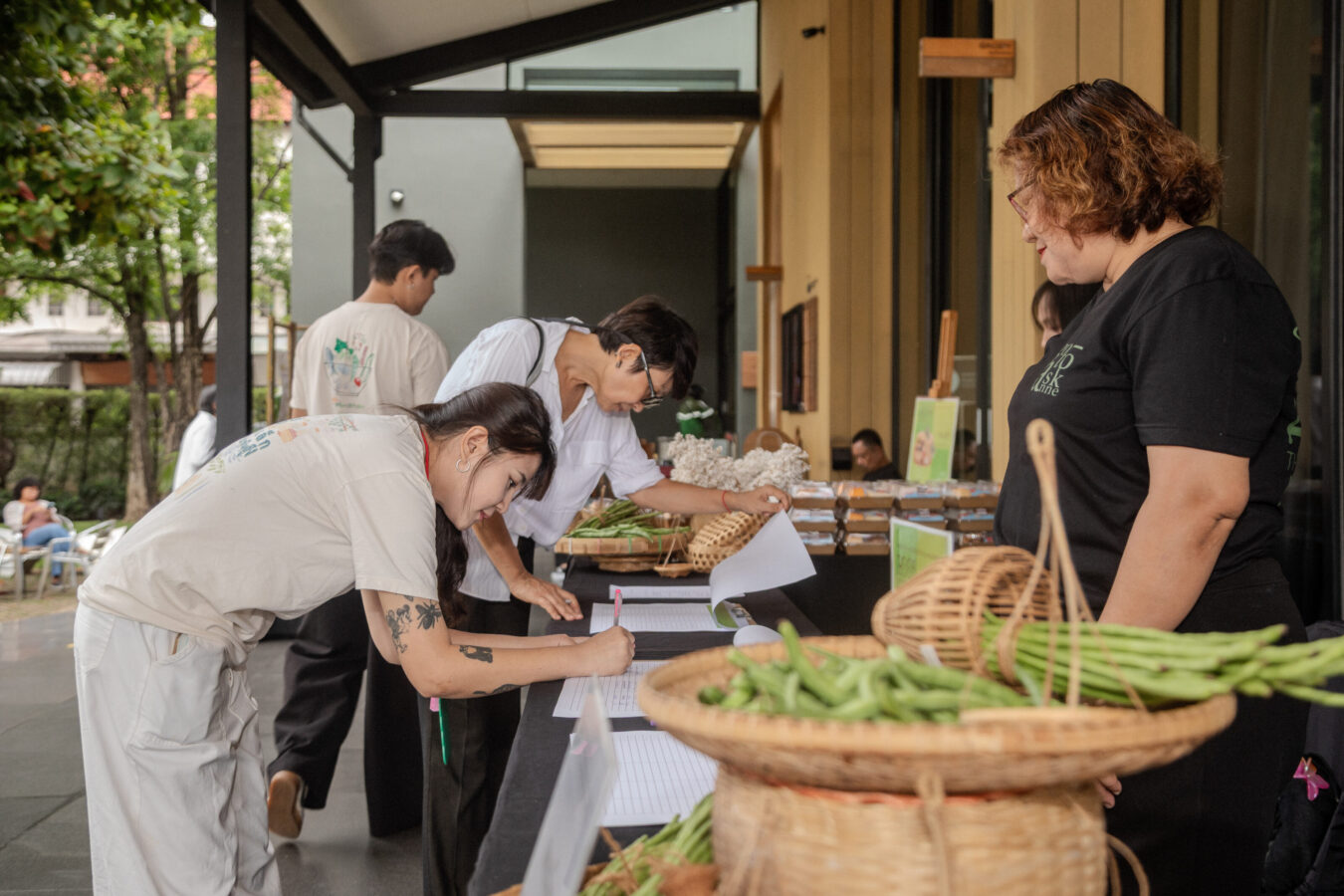
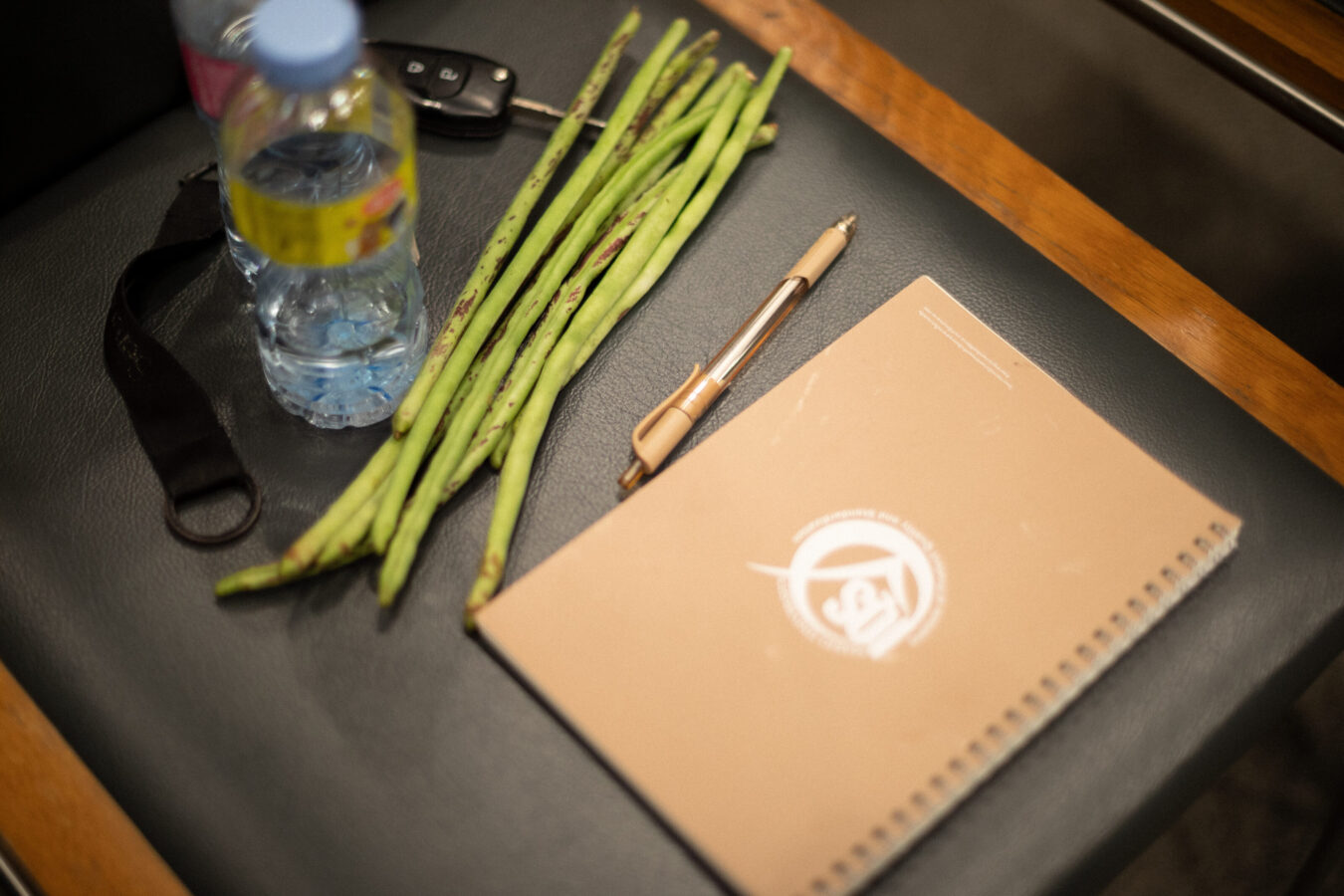
The Chiang Mai edition focused on indigenous beans as an important part of local food culture and community food security. Visitors were invited to discover how traditional crops can be transformed into innovative food products and creative business opportunities.
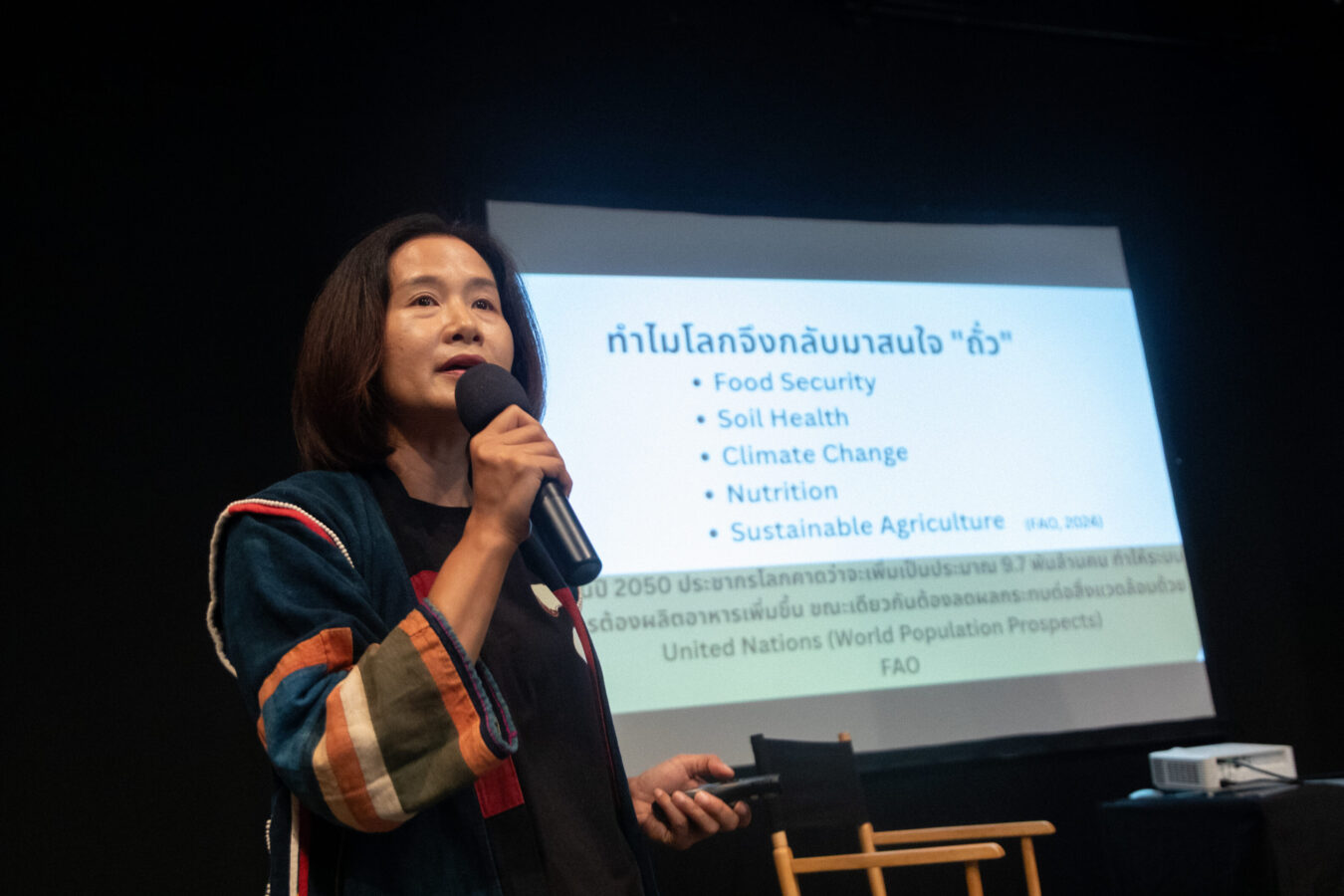
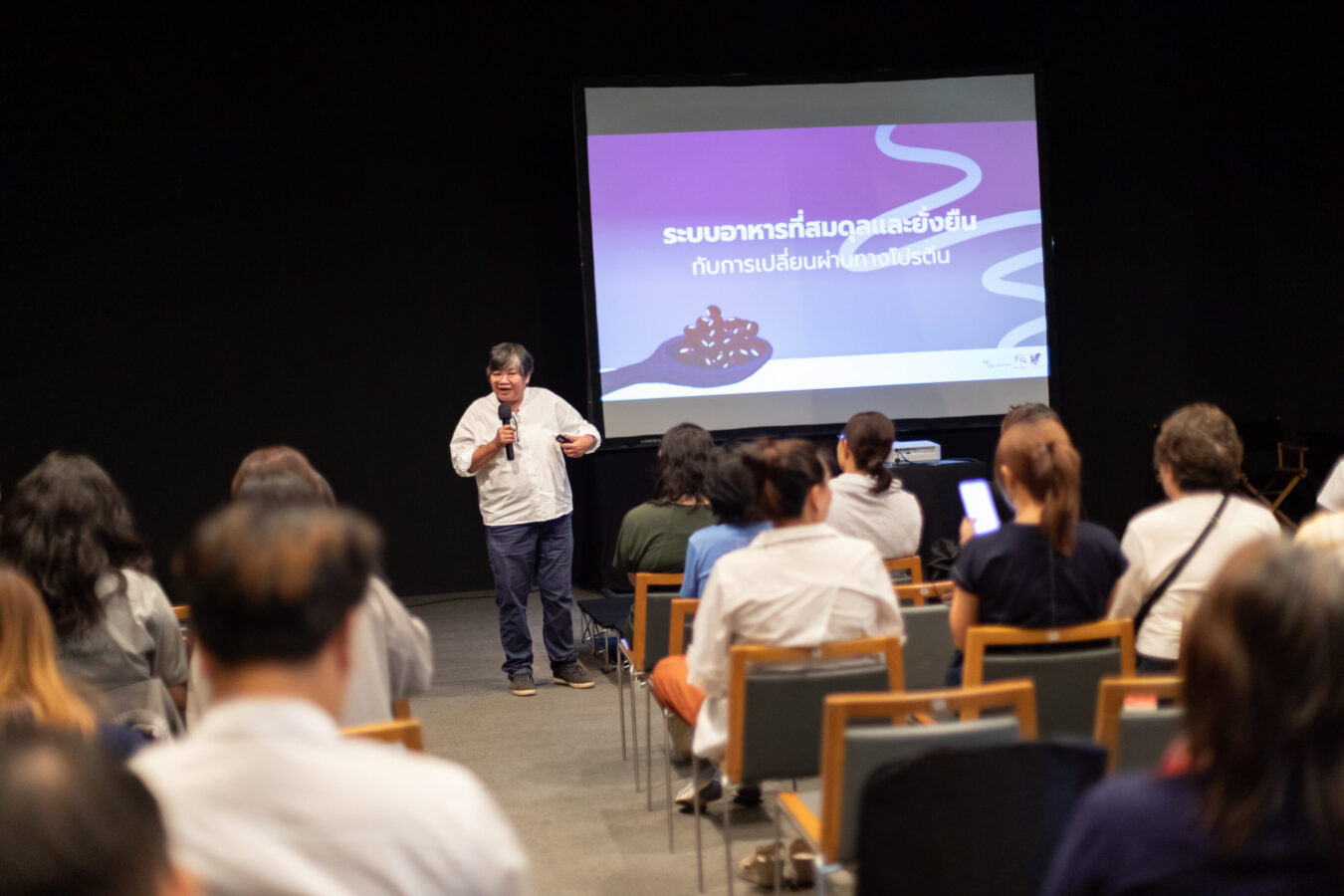
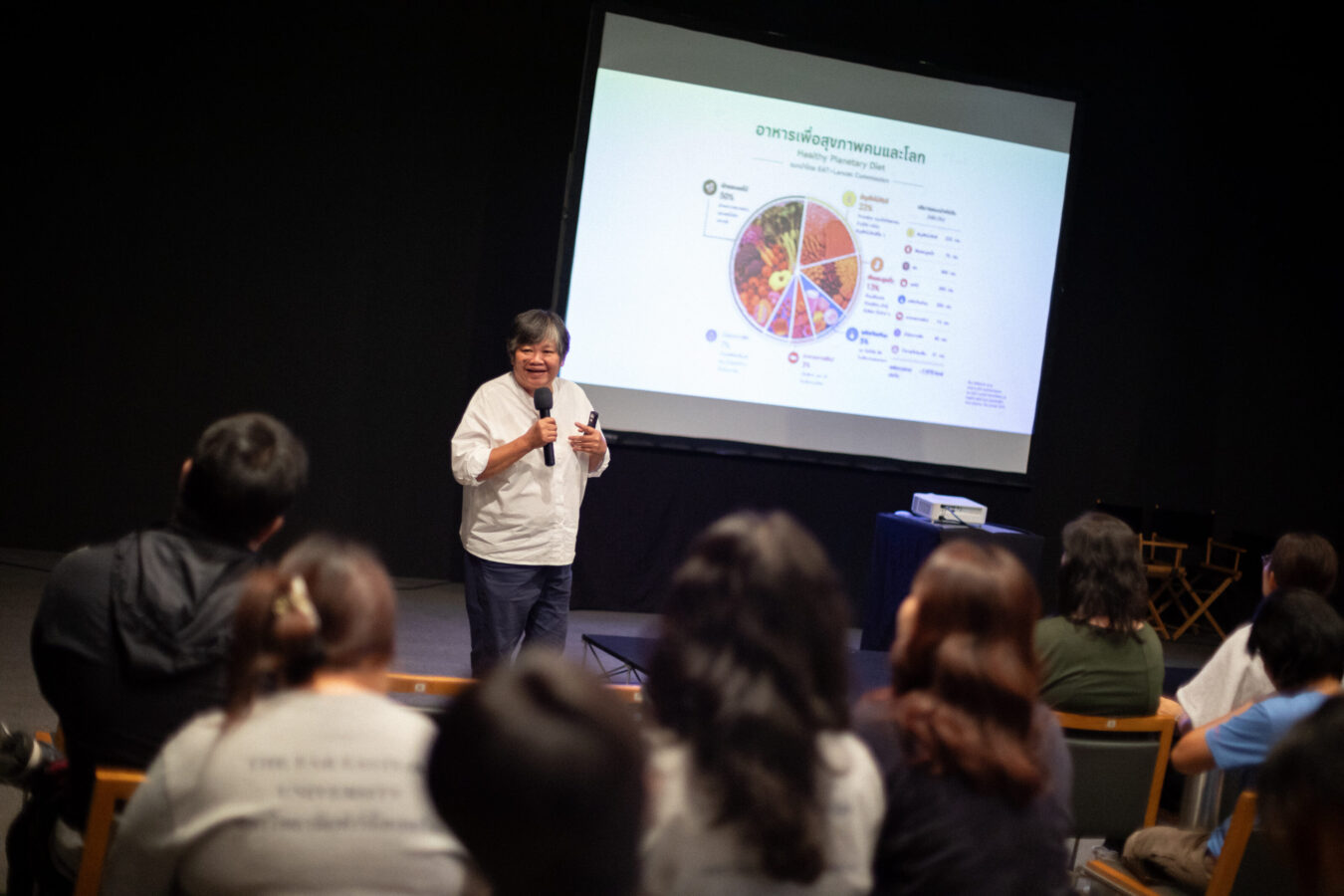
Programme highlights included ROOT TALK, featuring Dr Kanchana Sommit from Maejo University’s International College, who discussed the cultural importance and diversity of local beans in Chiang Mai, particularly Thua Pi, a staple ingredient of the Lua community in Bo Luang.
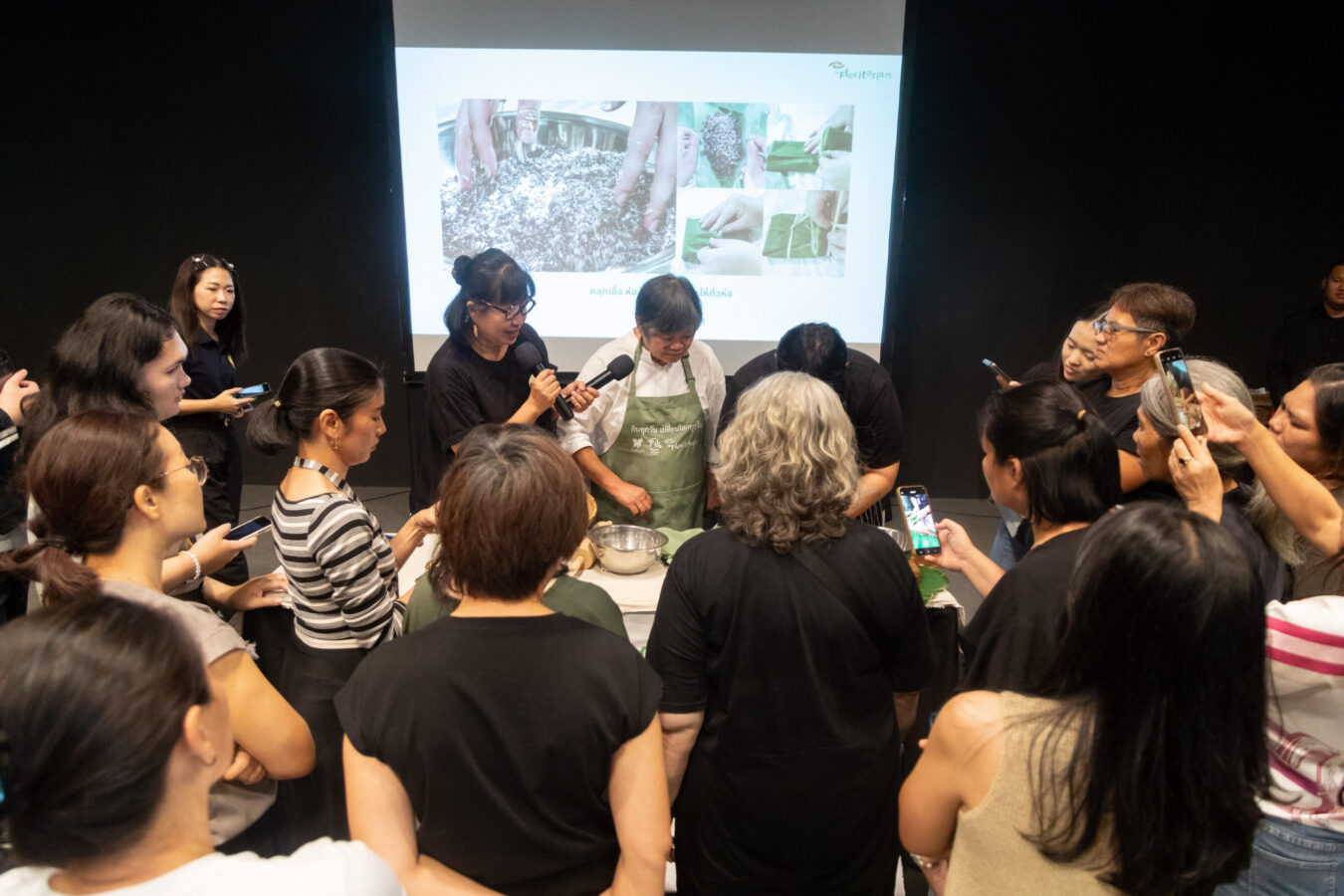
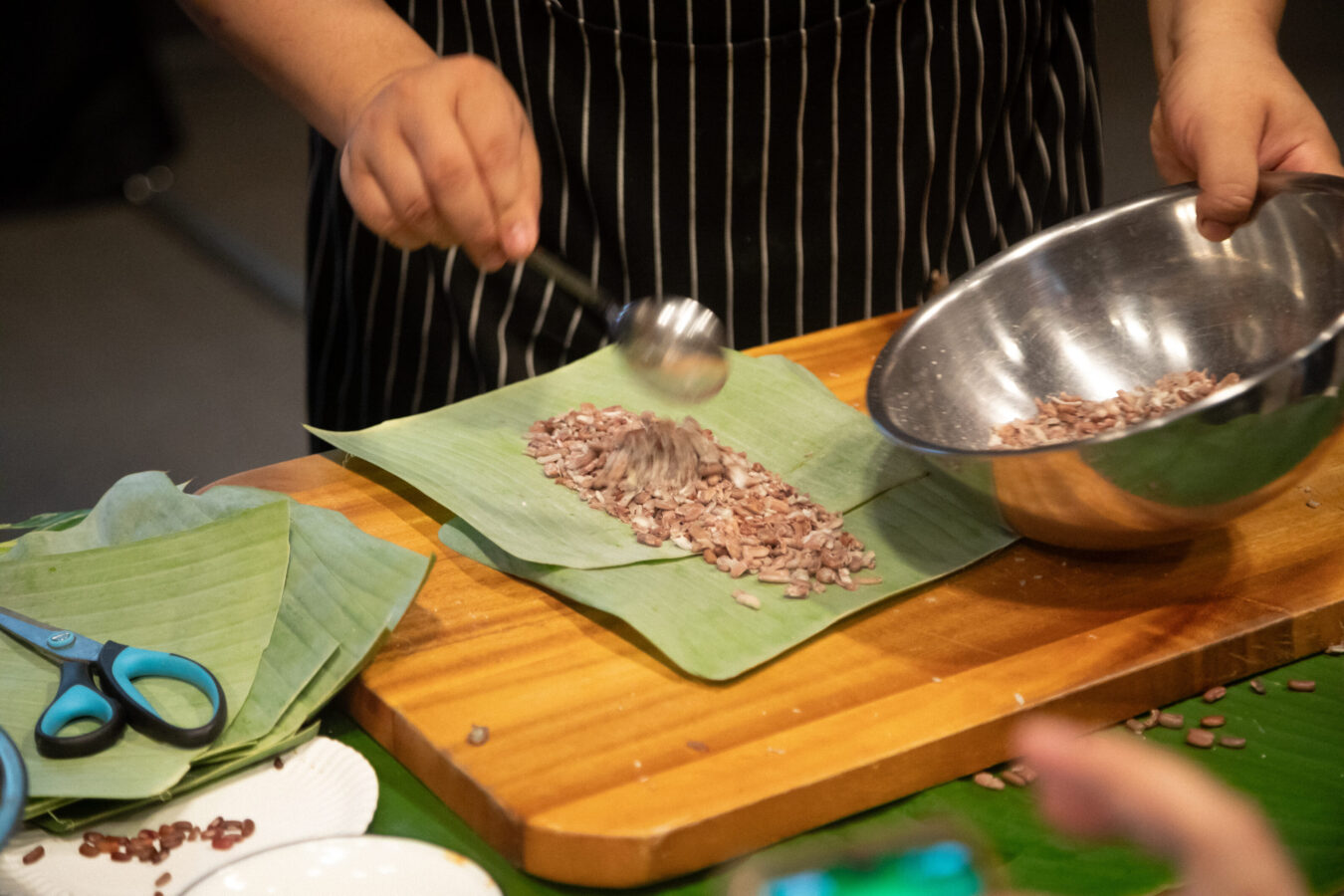
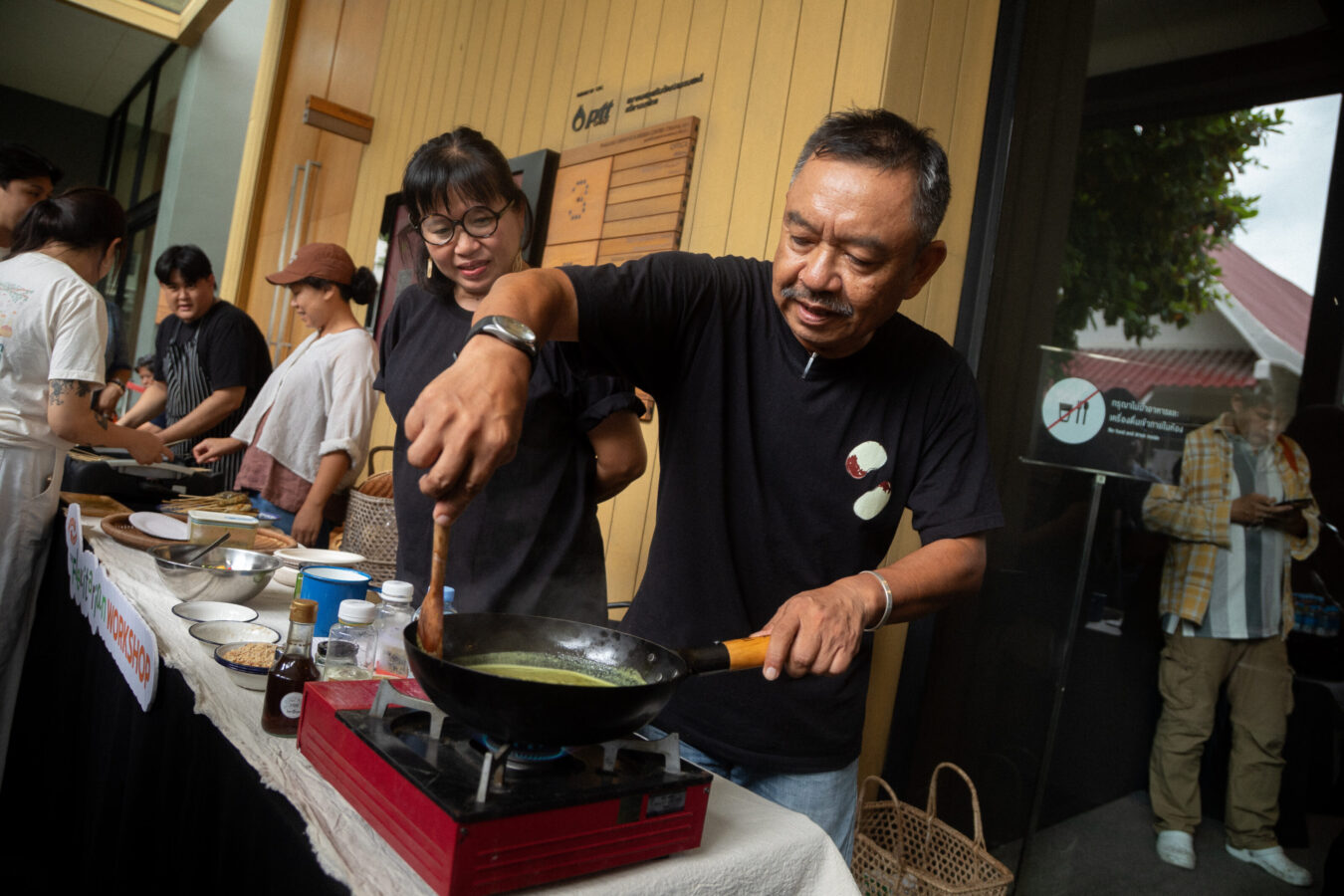
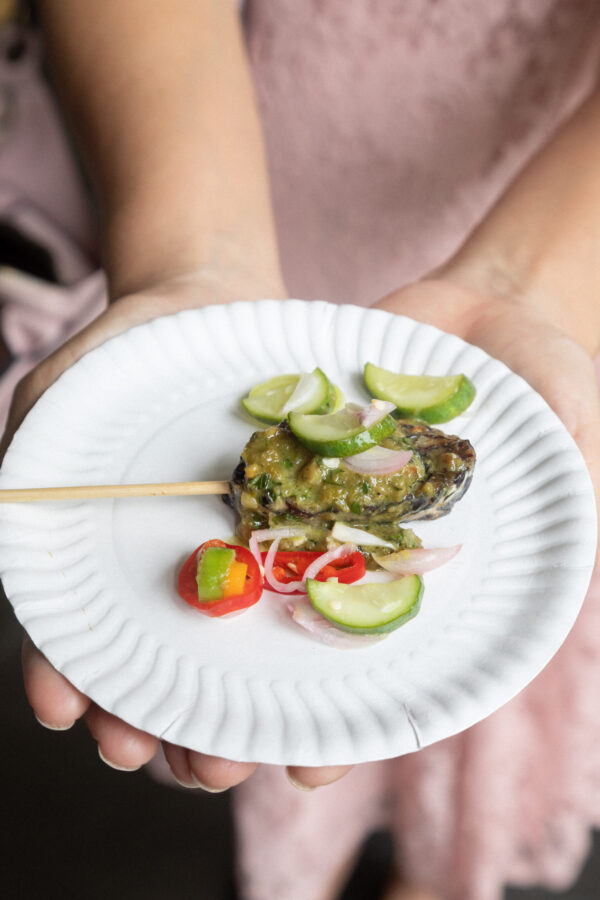
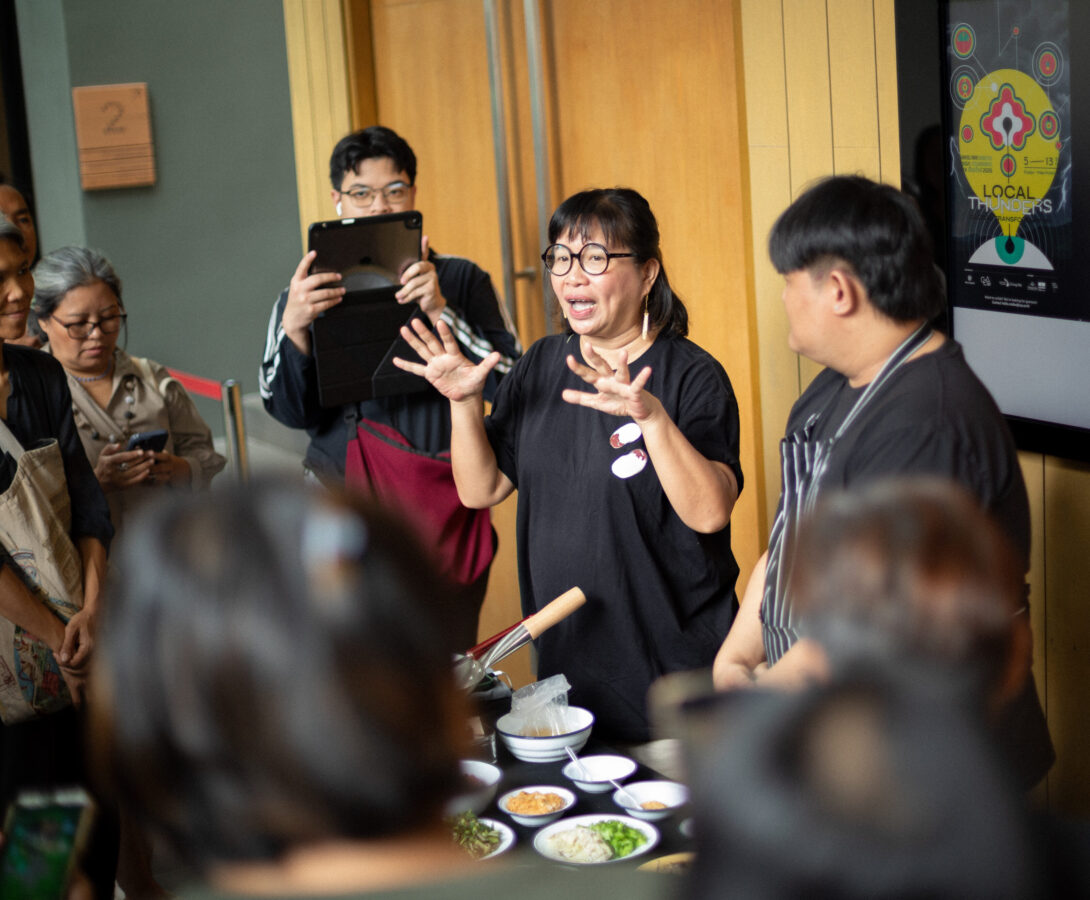
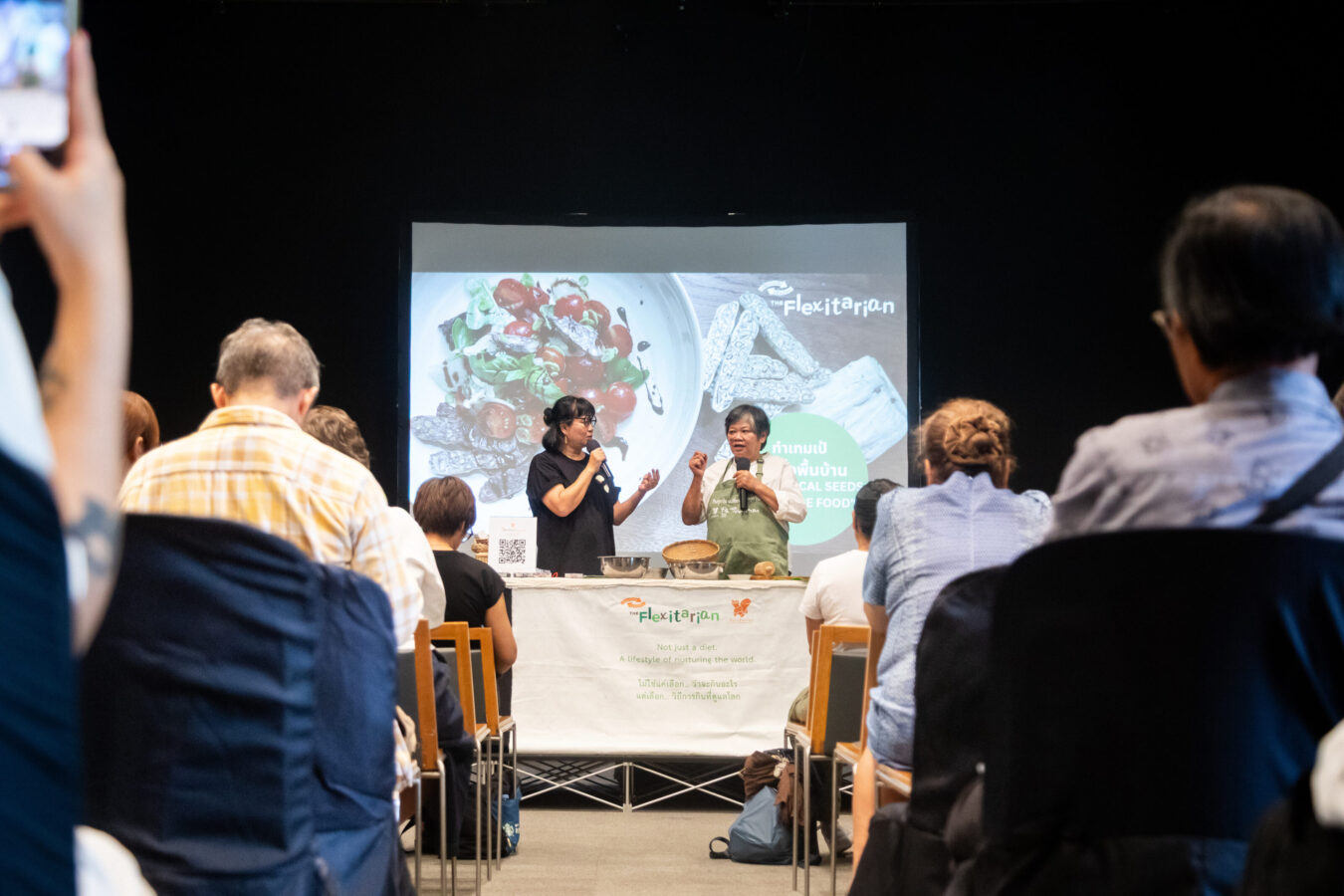
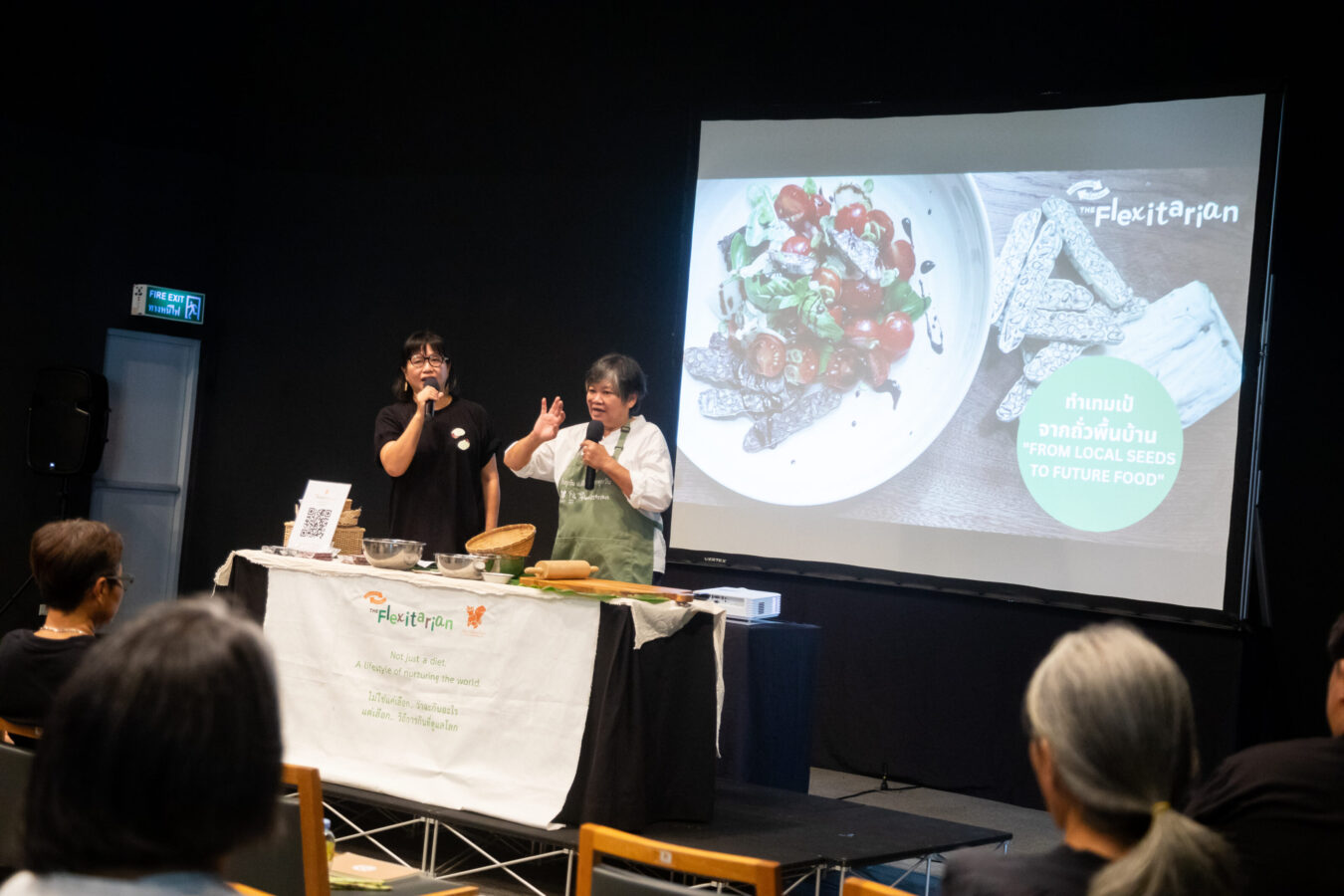
At ROOTS ON THE PLATE, local restaurant Ueang Kham Sai demonstrated both traditional Lanna recipes and contemporary dishes using indigenous beans. The FOOD TREND session explored alternative proteins and the growing role of legumes in future food systems, presented by Kingkorn Narintrakul Na Ayutthaya of Kin School and Kin Plian Lok. Food writer and columnist Krit Luealamai also demonstrated how to produce tempeh from local beans during the FUTURE PROTEIN workshop.
A mini exhibition curated by The Flexitarian introduced visitors to the diversity of Northern Thailand’s native bean varieties, highlighting their nutritional value and potential for future food innovation.
According to CEA, the initiative reinforces the idea that local ingredients are not only valuable food resources but also cultural assets and sources of knowledge that can generate new economic opportunities through creativity. By strengthening connections between local communities, producers, chefs, and creative industries, the project aims to support sustainable regional development and preserve Northern Thailand’s rich culinary heritage.
Following its debut in Chiang Mai, Root for Resilience will continue in Phitsanulok on 19 July before concluding in Uttaradit on 26 July, further showcasing distinctive local ingredients from across the North and fostering collaboration to strengthen Thailand’s creative food economy.