Officials investigate tiger sighting reports in Doi Inthanon, deploy drones and round-the-clock patrols.
Authorities have launched a multi-agency investigation into reported tiger sightings within Doi Inthanon National Park, following accounts from residents of encountering a large stripe-patterned animal and a series of livestock attacks in the area.
Krissayam Kongsatri, Director of Protected Areas Regional Office 16 (Chiang Mai), confirmed that officers were deployed to Ban Mueang Ang, Ban Luang Subdistrict, Chom Thong District after villagers reported livestock losses consistent with a large predator attack.
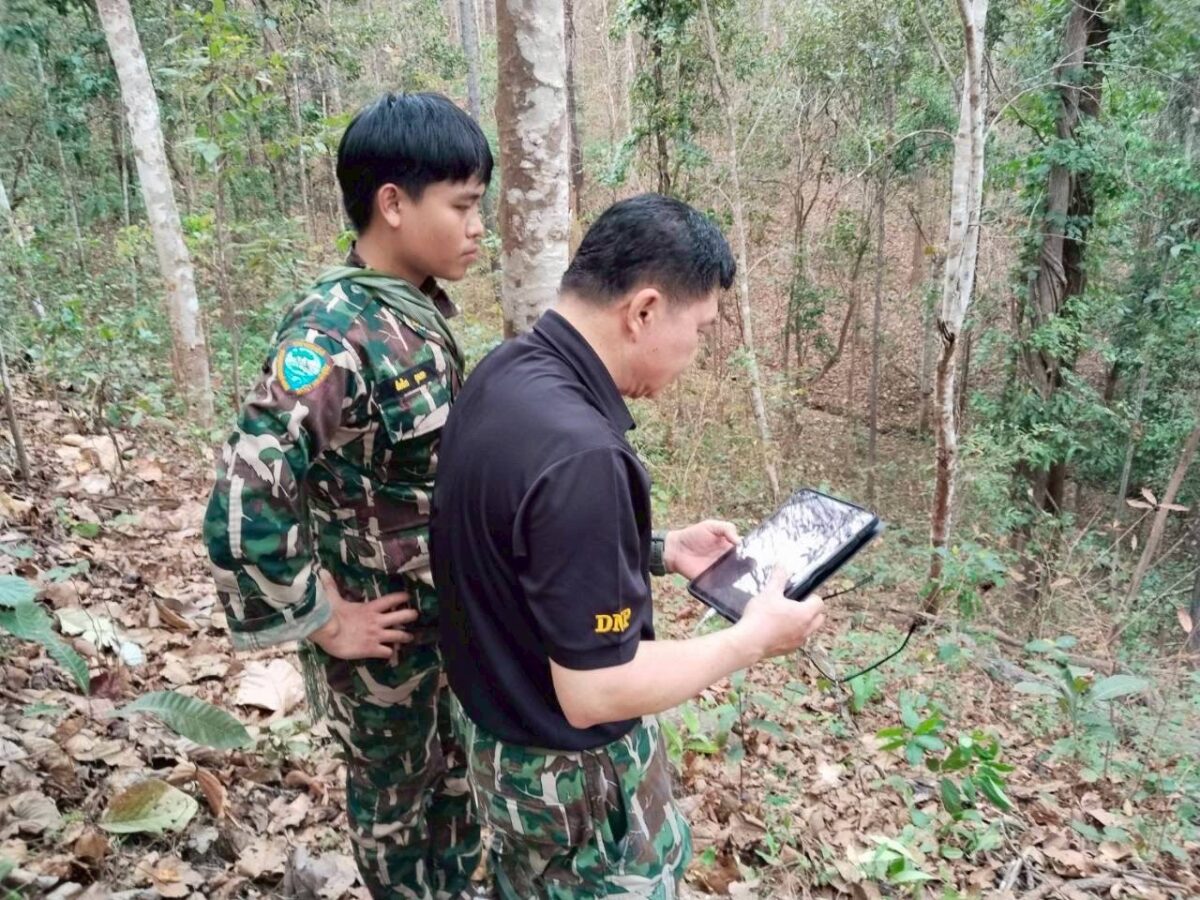
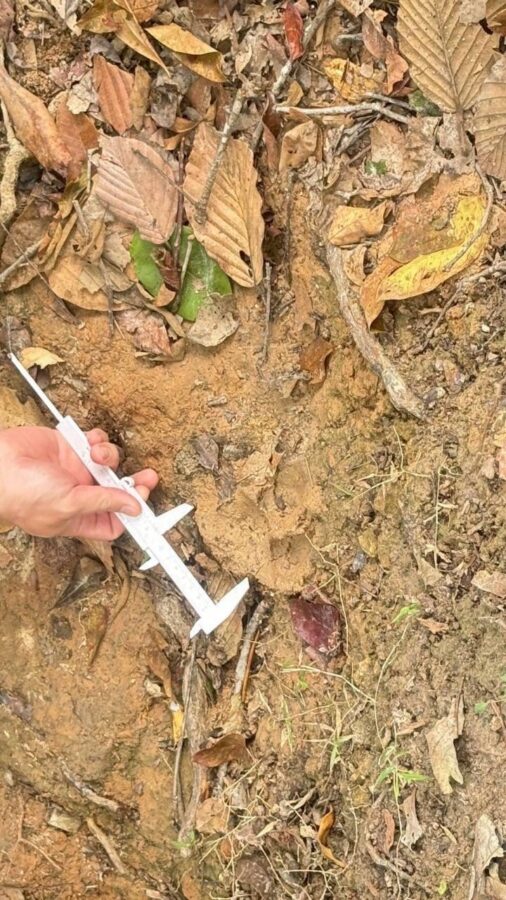
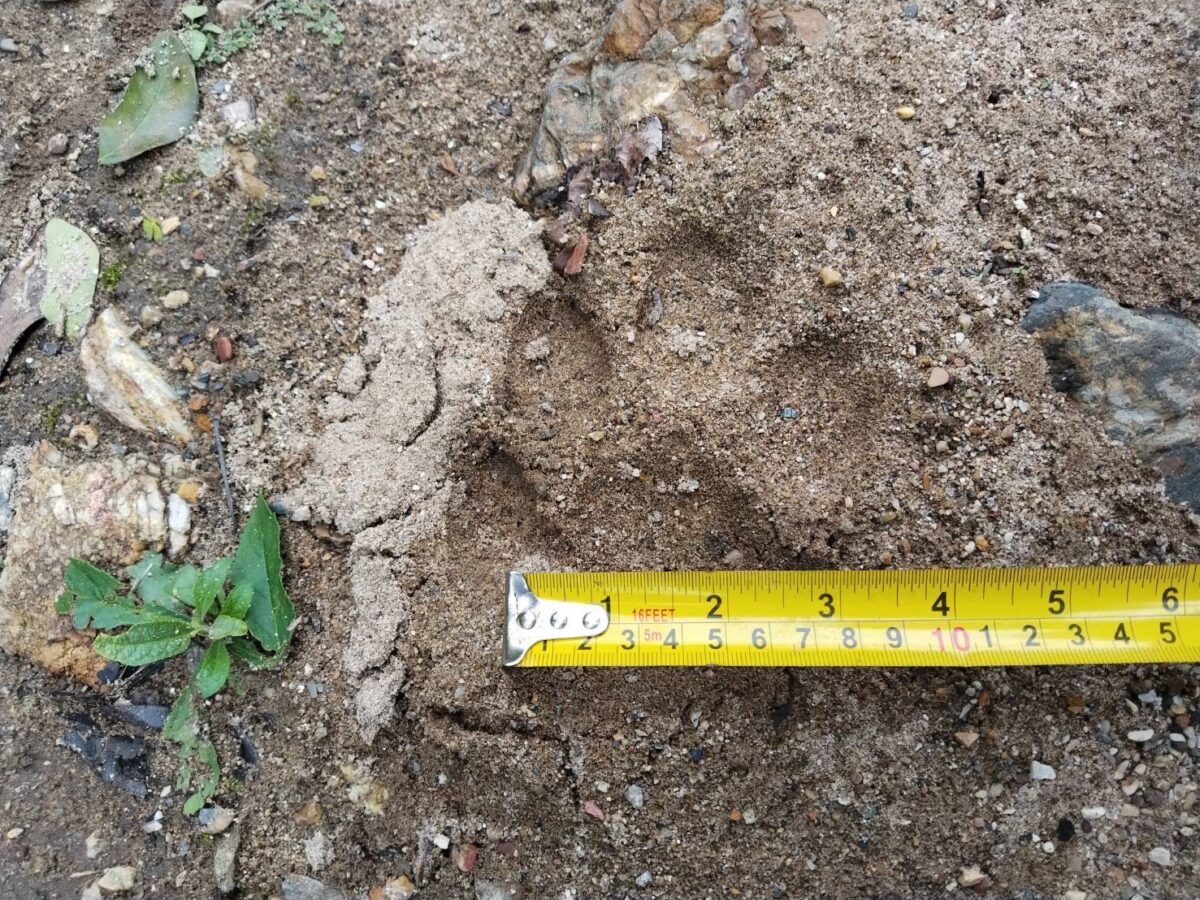
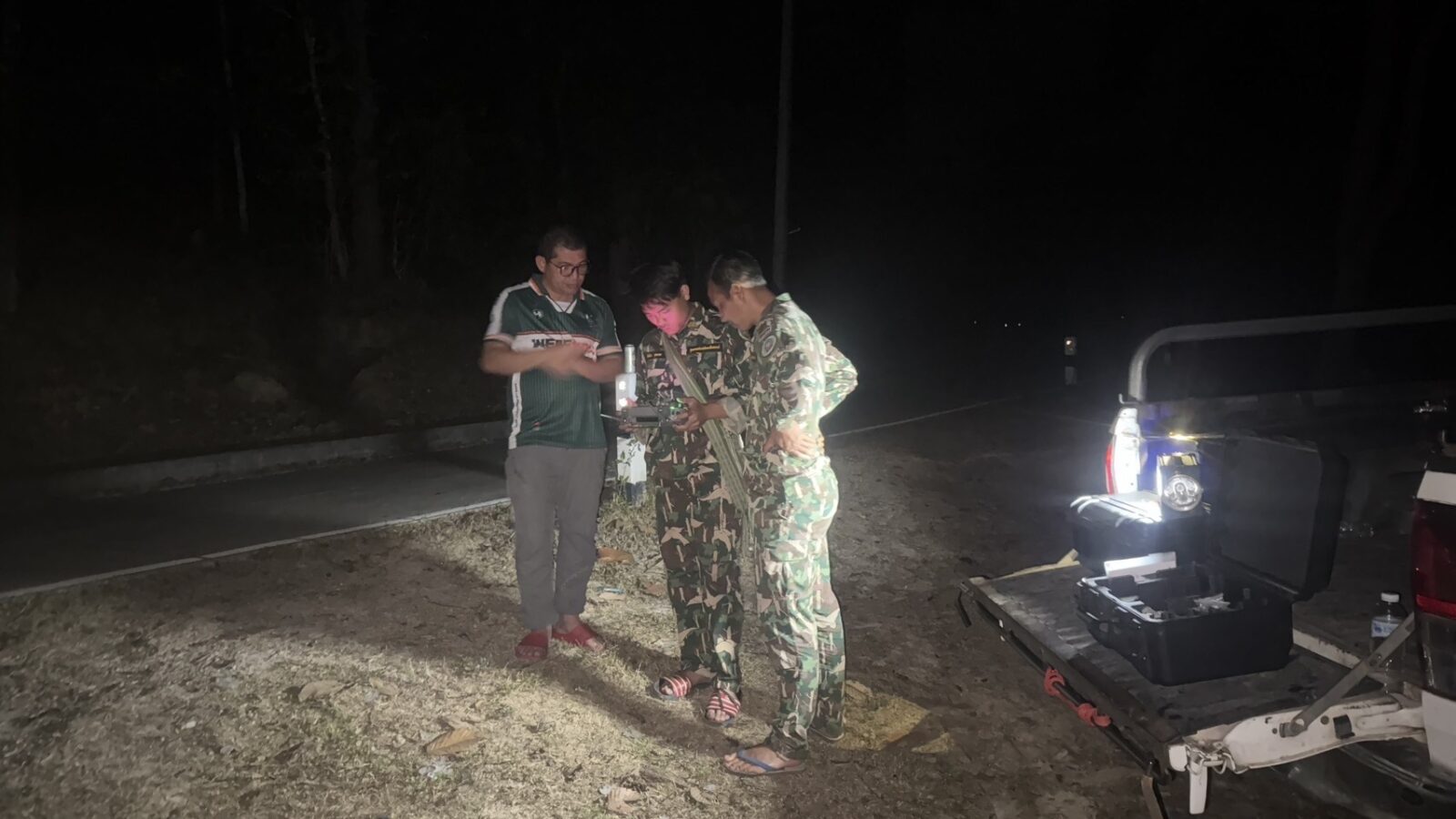
A joint command centre has been established near the Wang Muang–Wang Kwai Tourist Service Centre and Ban Mueang Ang village. The operation involves officers from the Doi Chiang Dao Wildlife Research Station, academic staff from Protected Areas Regional Office 16, wildlife veterinarians, conservation personnel, the head of Doi Inthanon National Park, a drone operations team, and local administrative officials from Chom Thong District. Investigators are examining footprints and reviewing footage from wildlife camera traps installed in the area.
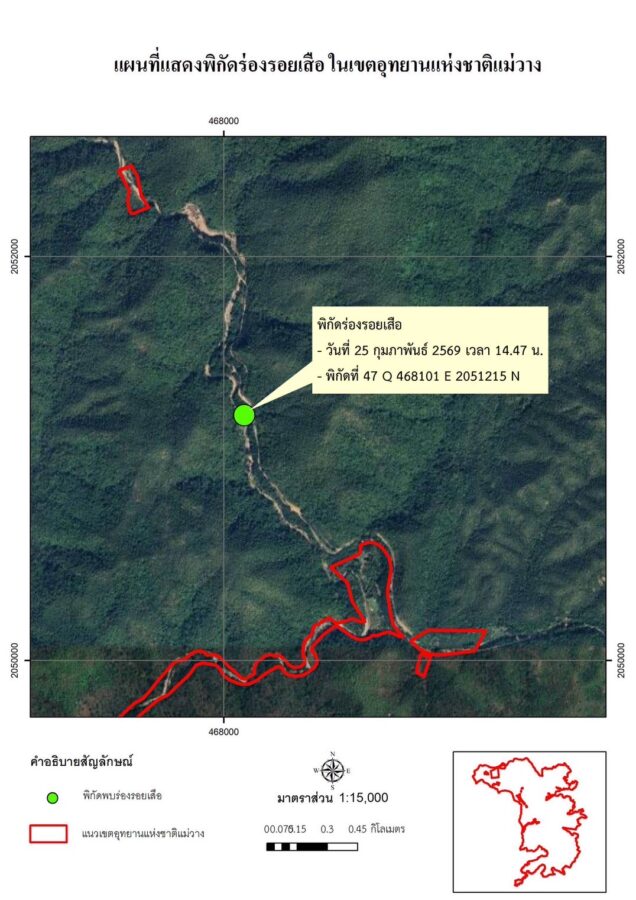
Separately, patrol teams at Mae Wang National Park have reported the discovery of predator footprints along a stream near Ban Mae Taeng, a forested zone connected to Doi Inthanon National Park. Drone teams have conducted aerial inspections of the site.
Preliminary camera trap footage has so far yielded images of dholes — a native wild canine — rather than a tiger. However, officials are treating resident accounts seriously. The village headman and several locals have described encountering a large, stripe-patterned animal measuring over three metres in length at close range. Forensic searches are being expanded to surrounding areas.
Doi Inthanon National Park has advised villagers to secure livestock in enclosed pens to prevent further losses. Patrol units have been placed on 24-hour deployment, and thermal-detection drones are being used to continuously monitor for the predator’s location.
Protected Areas Regional Office 16 confirmed that contingency plans are in place should a large predator posing a threat to life or property be confirmed, including the possible relocation of the animal to a more suitable habitat. Officials noted there are no previous records of large predator sightings in the area.