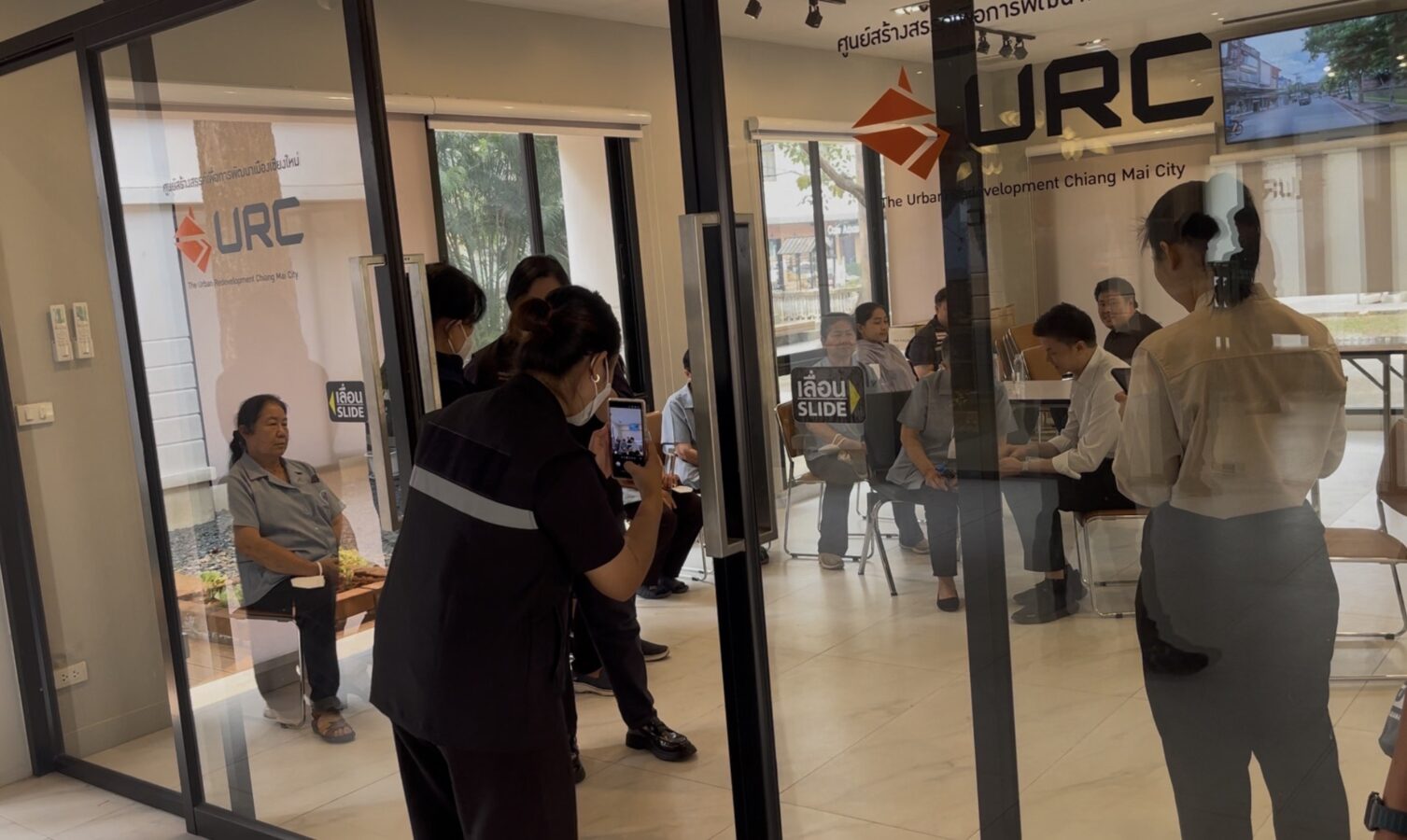
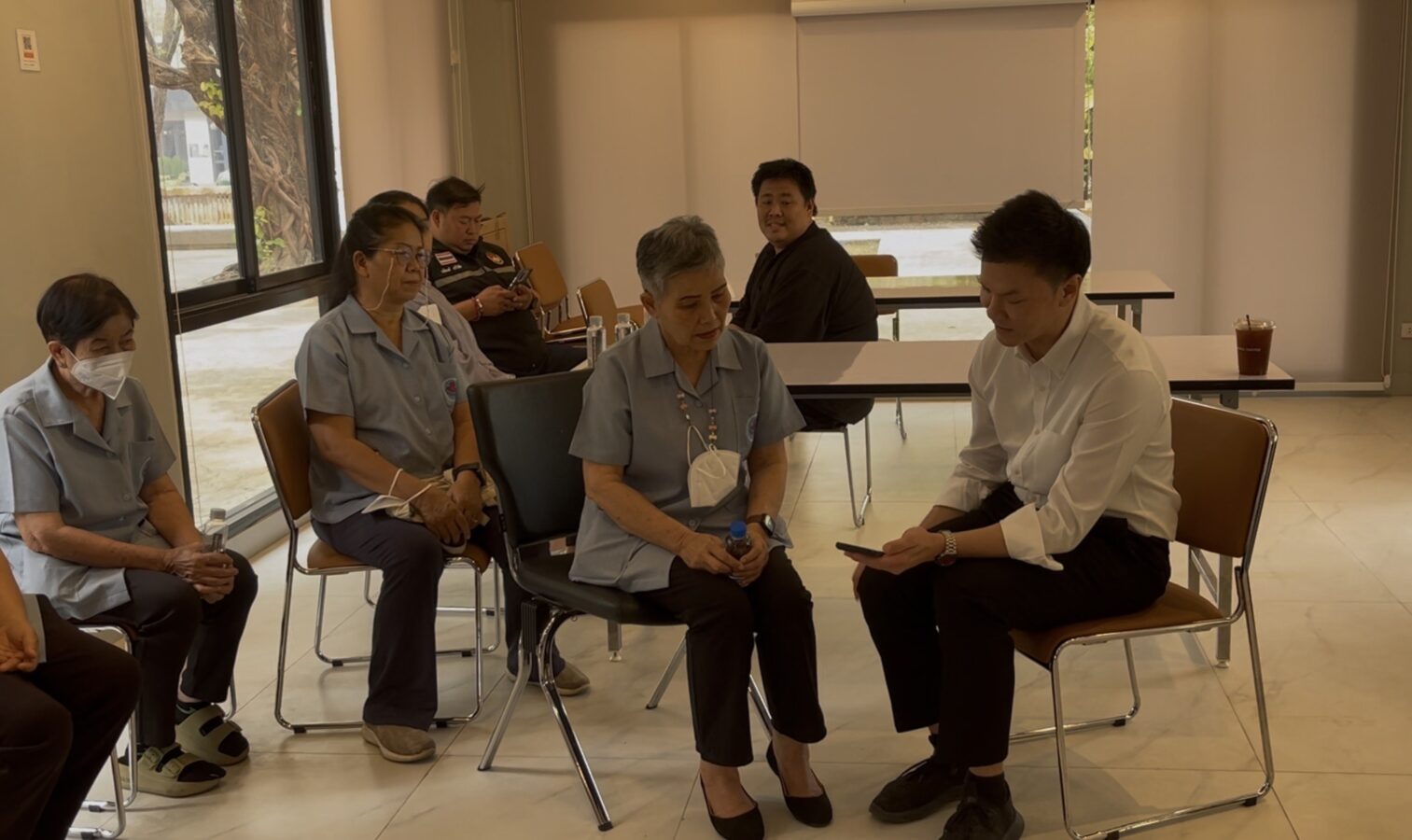
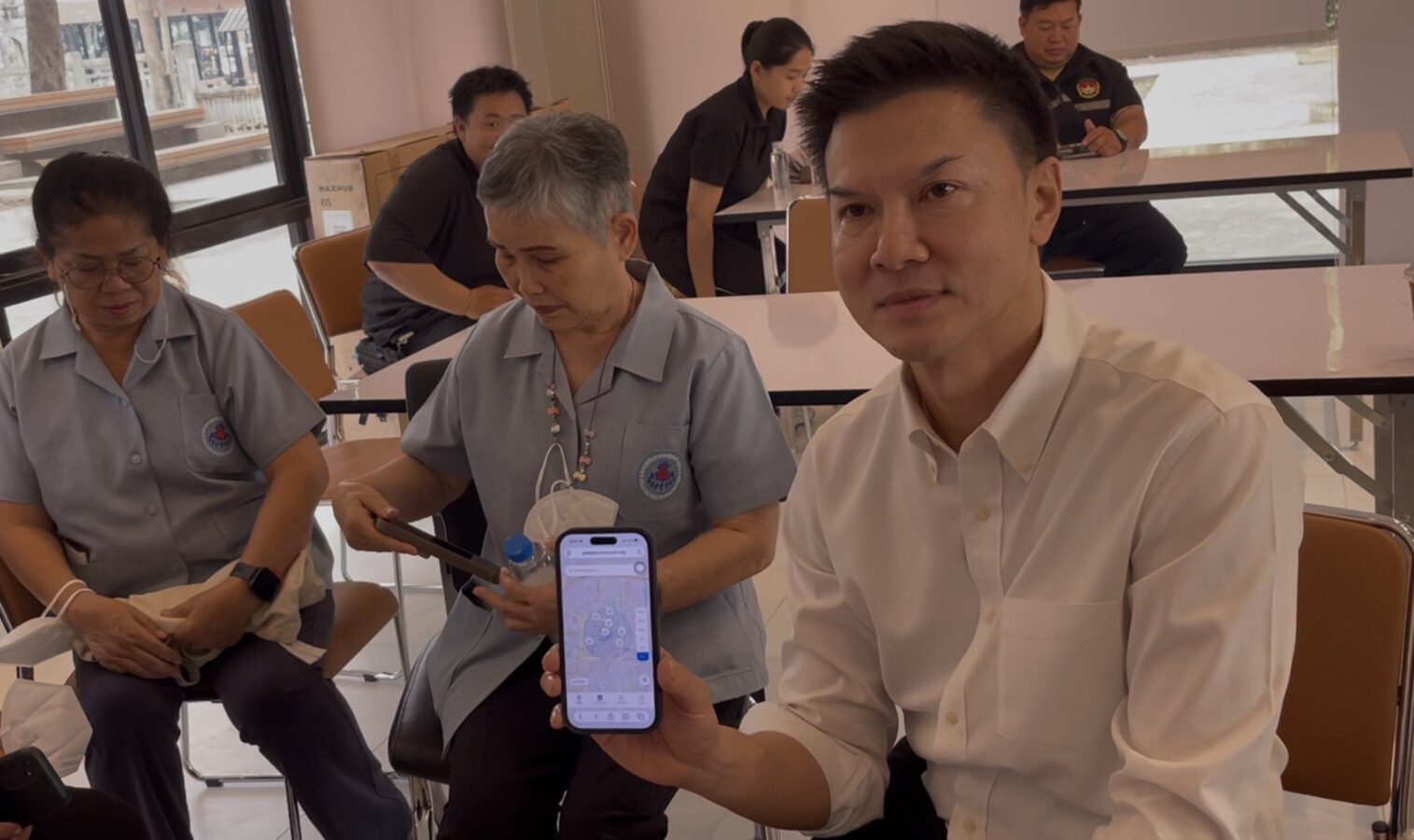
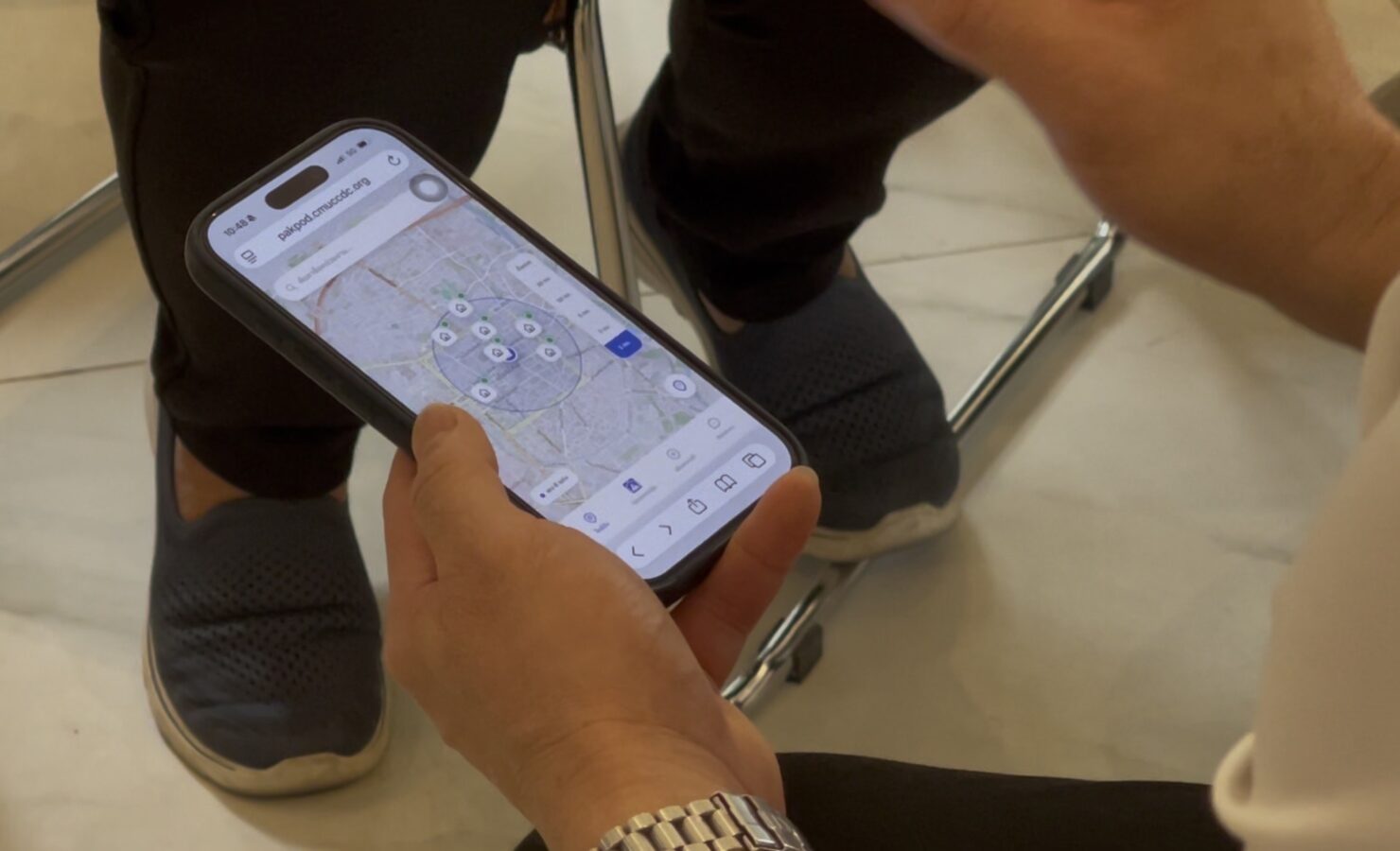
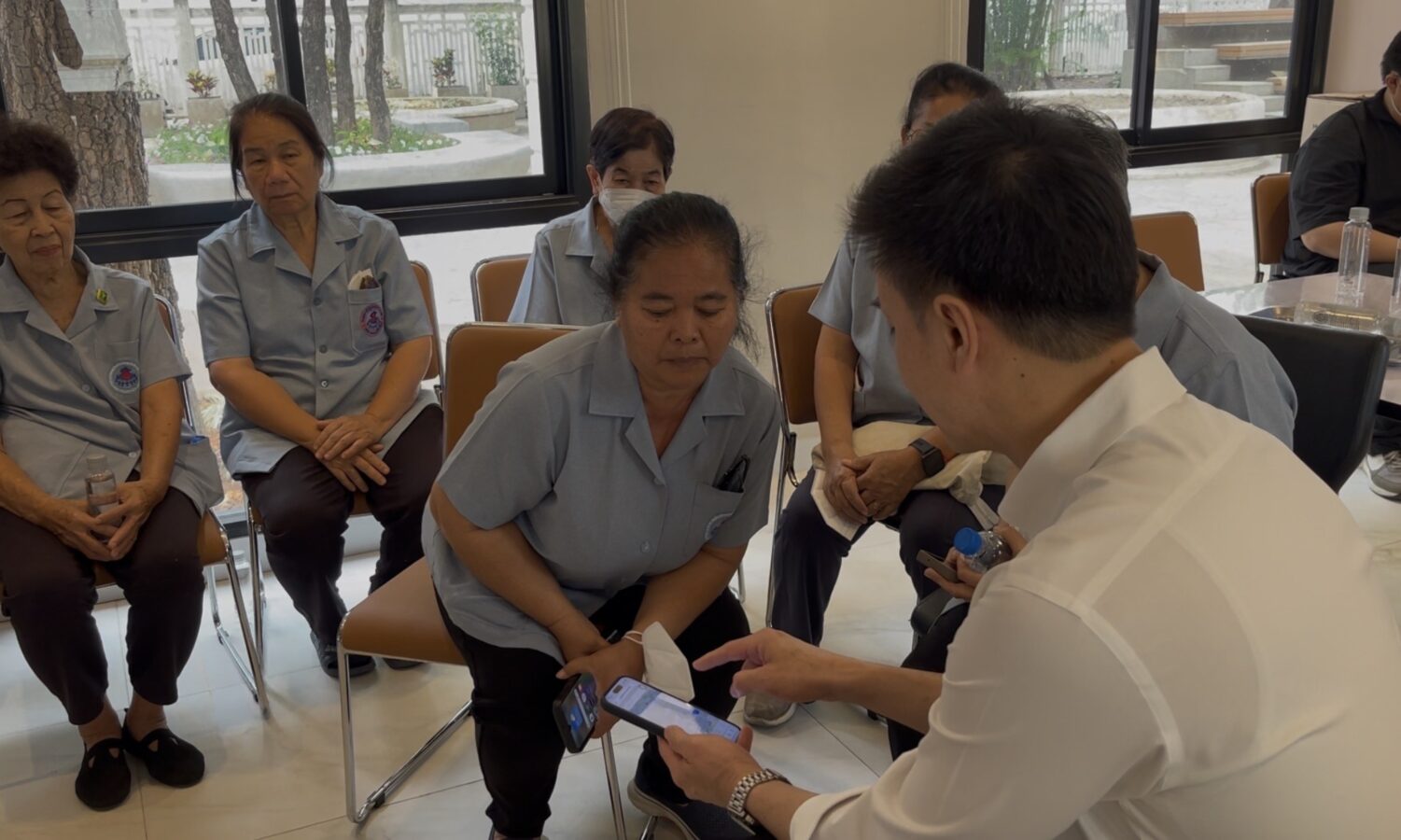
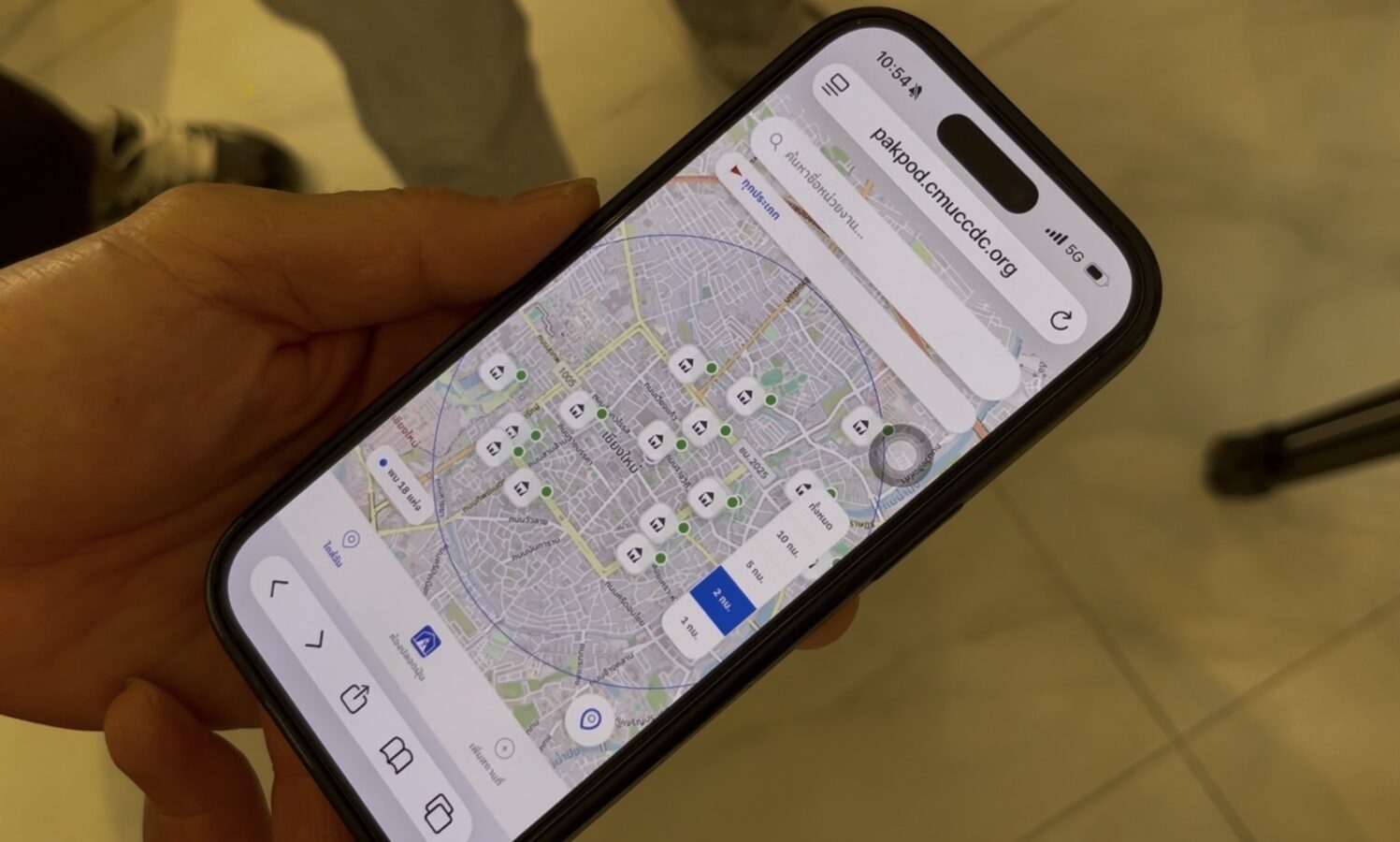
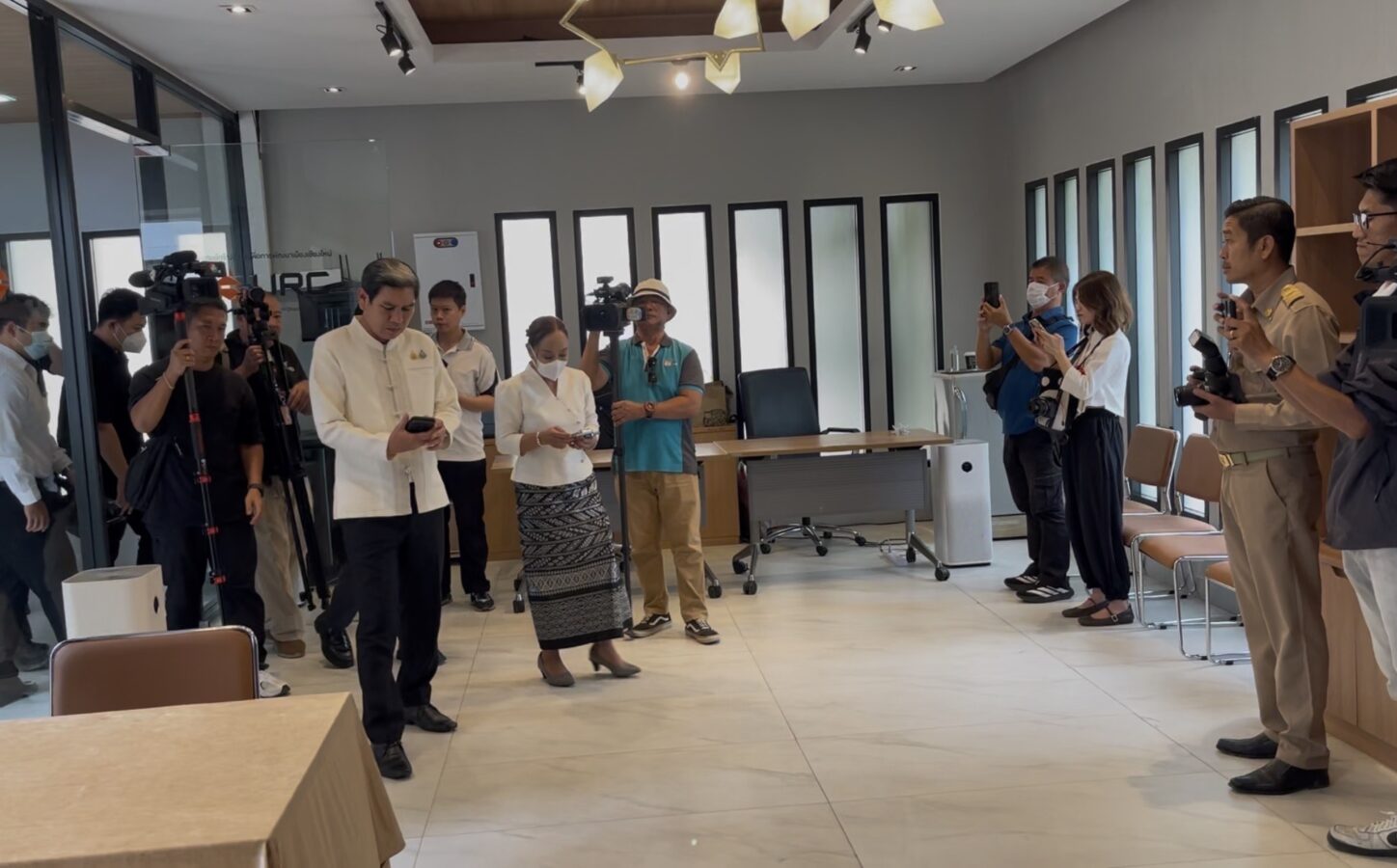
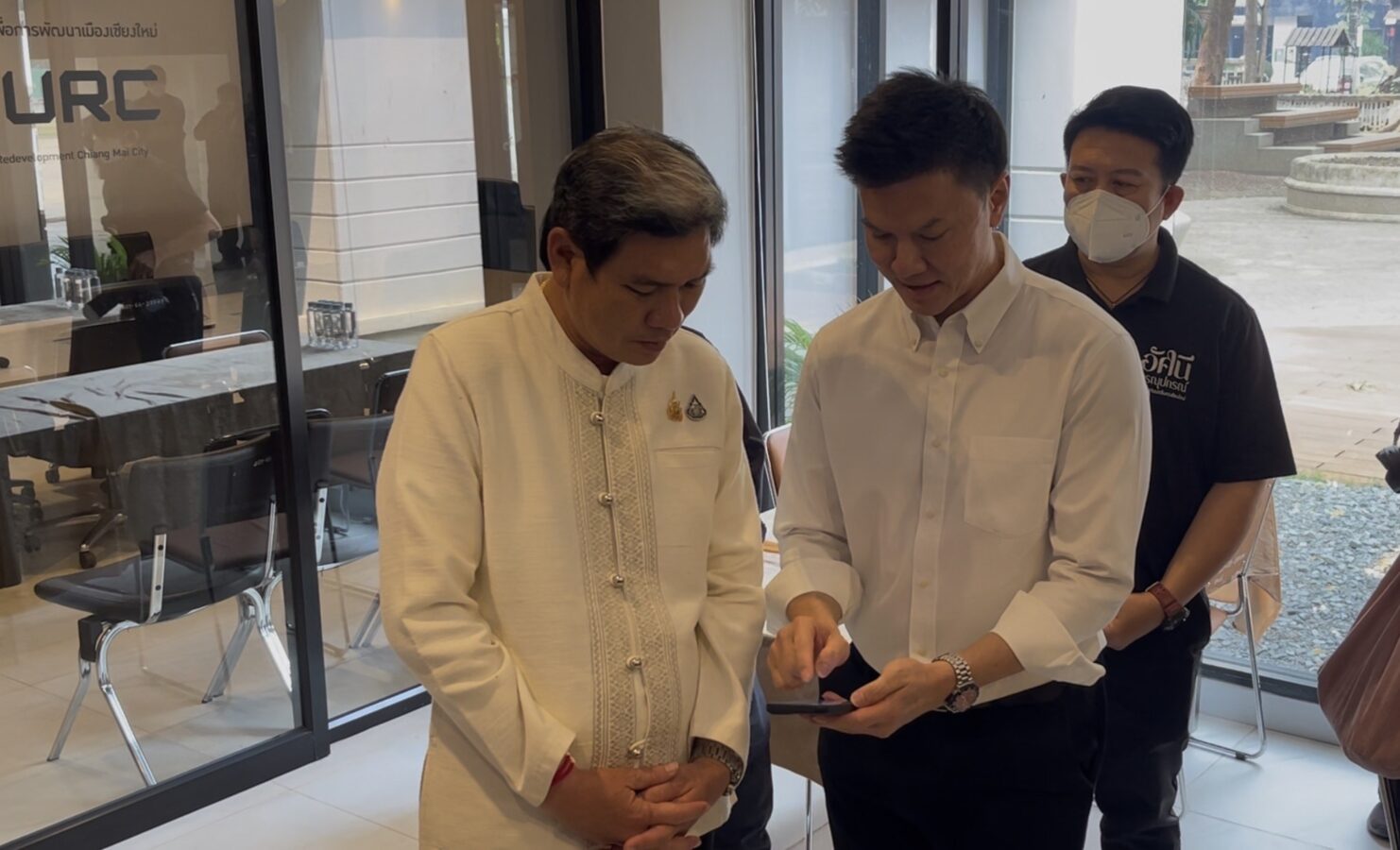
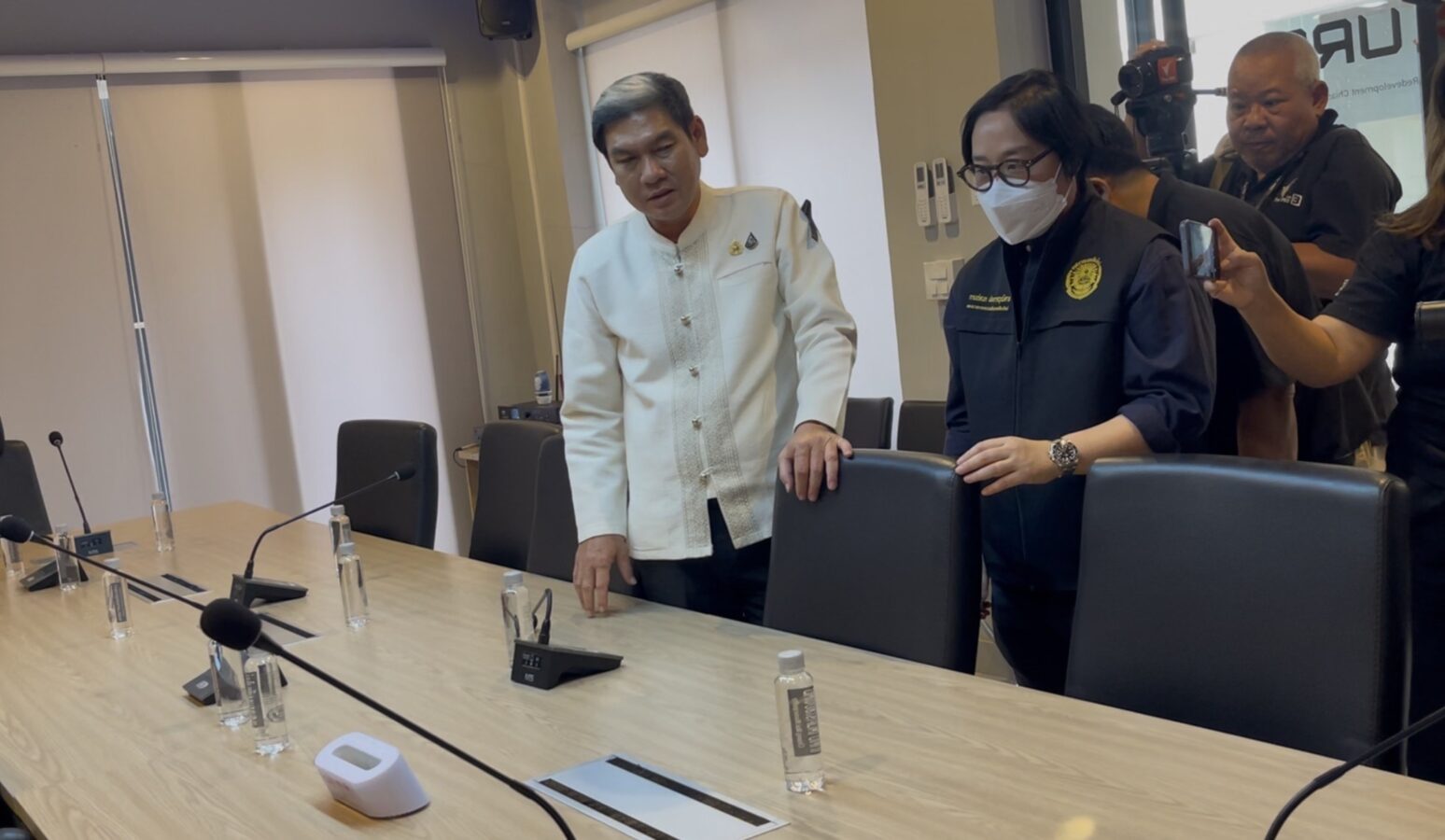
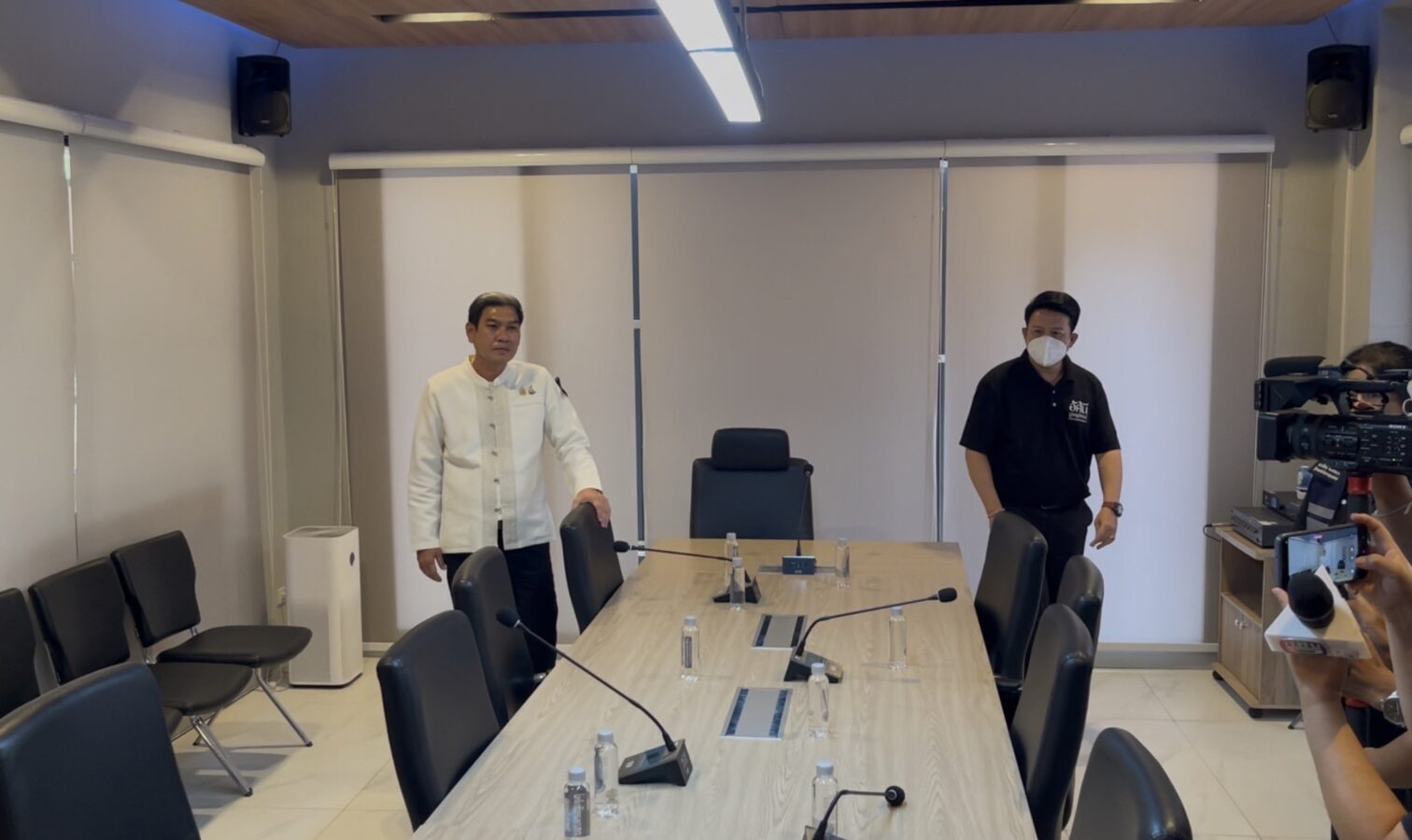
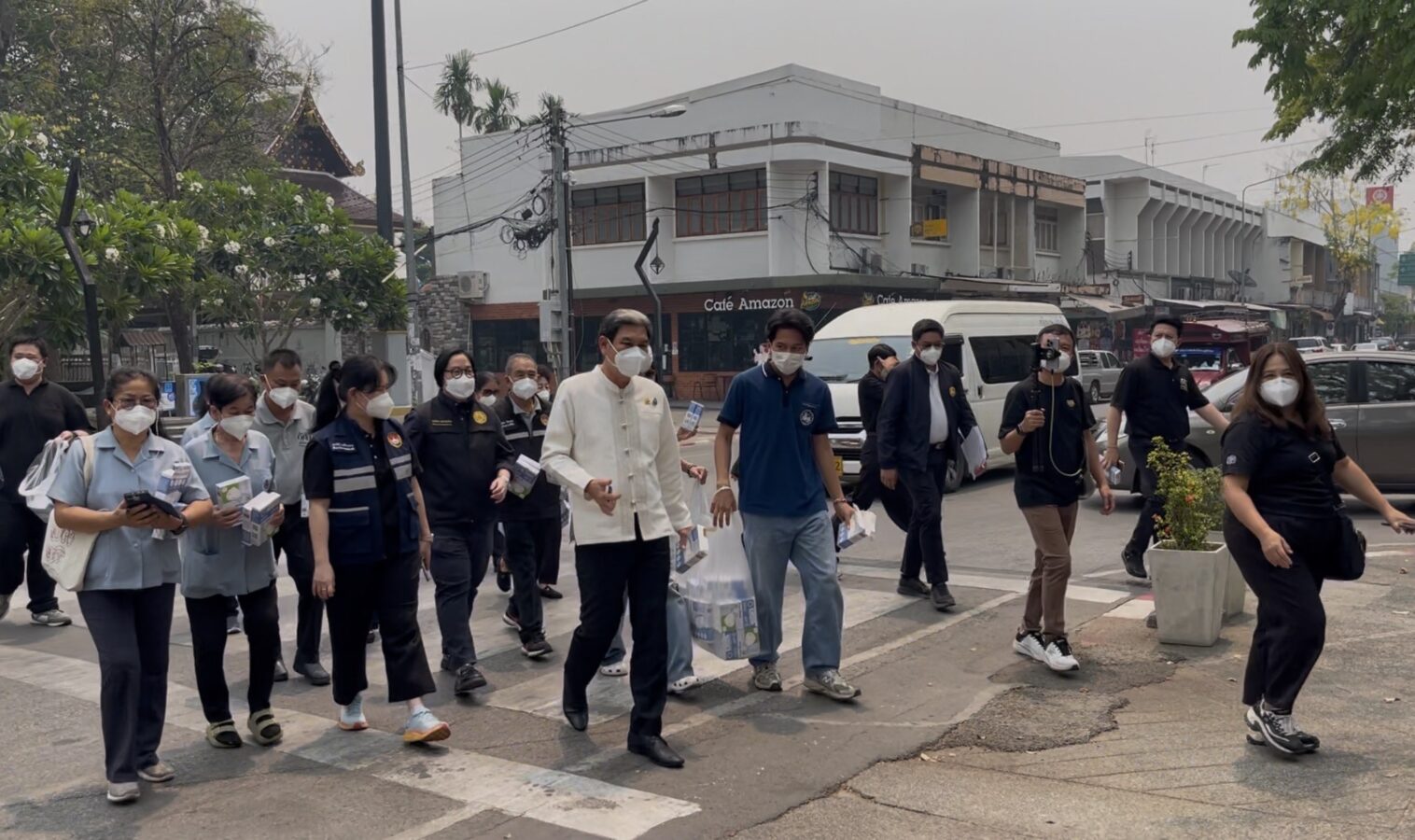
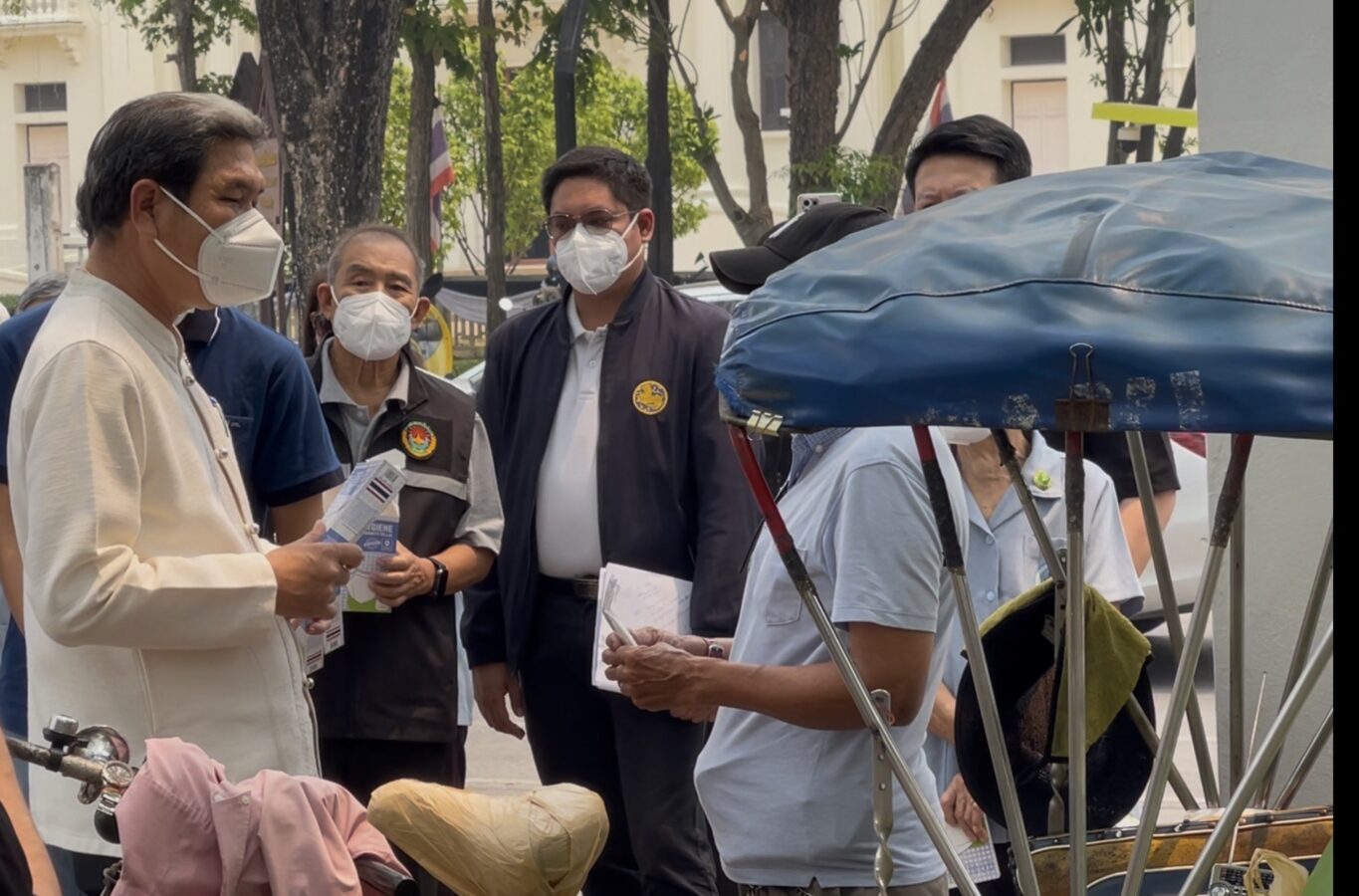
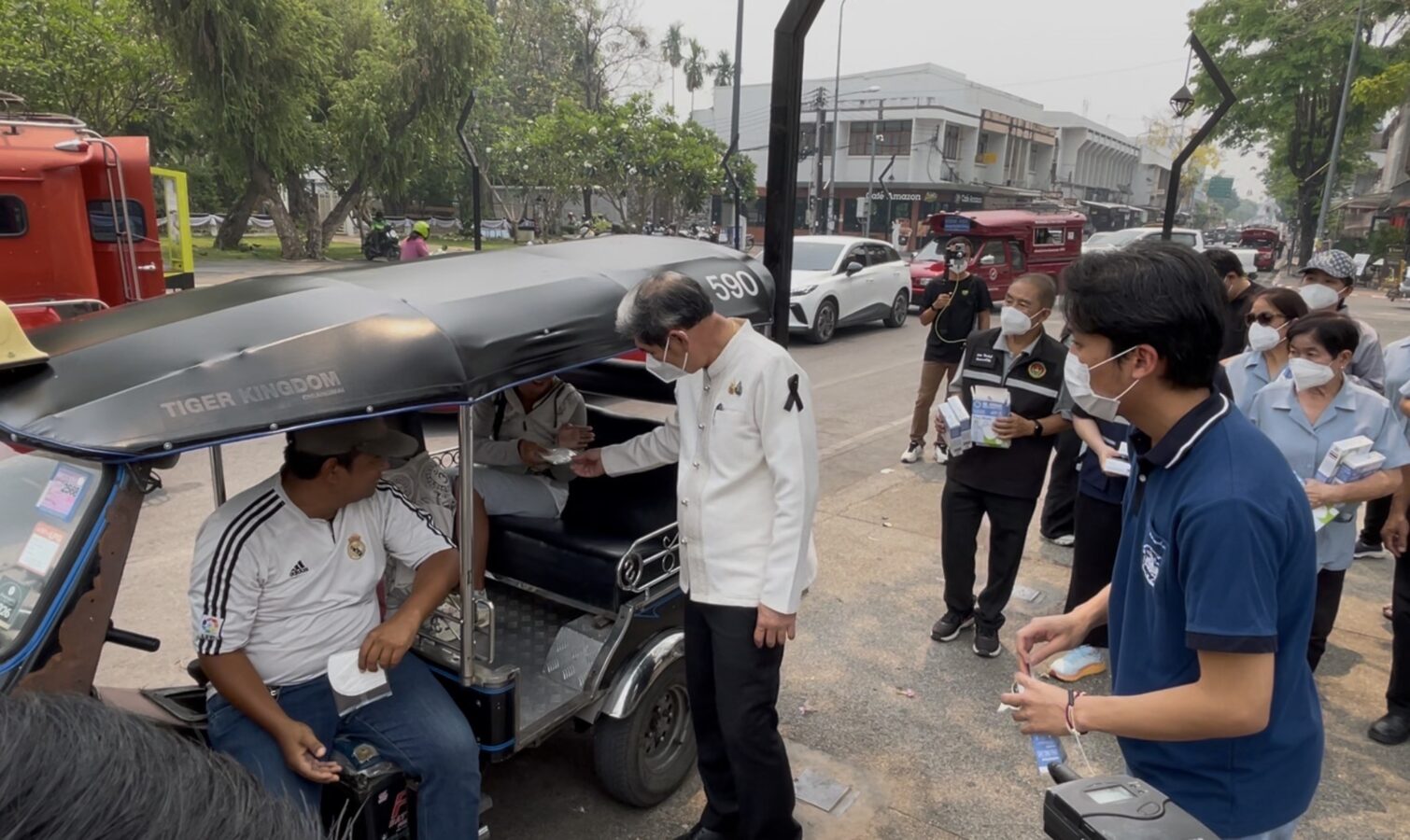
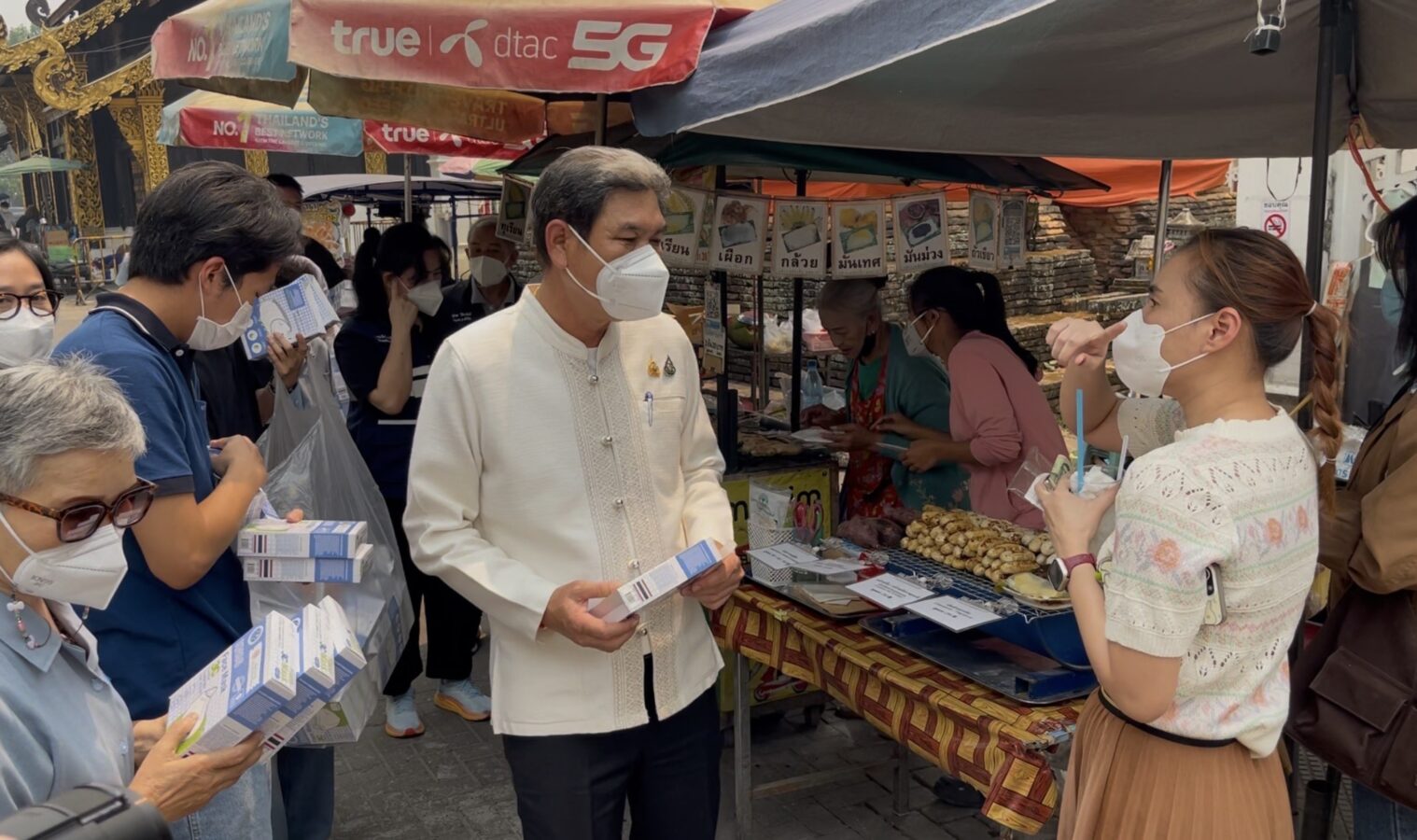
The URC facility is spacious and equipped with amenities for those seeking shelter from both the heat and the smog, whether to rest or work. The province has also partnered with Chiang Mai University’s Academic Service Centre to develop a web application called “Pak Pod” (พักปอด), which maps clean air locations and helps users avoid high-risk haze areas. It can be accessed by searching pakpod.cmuccdc.org.
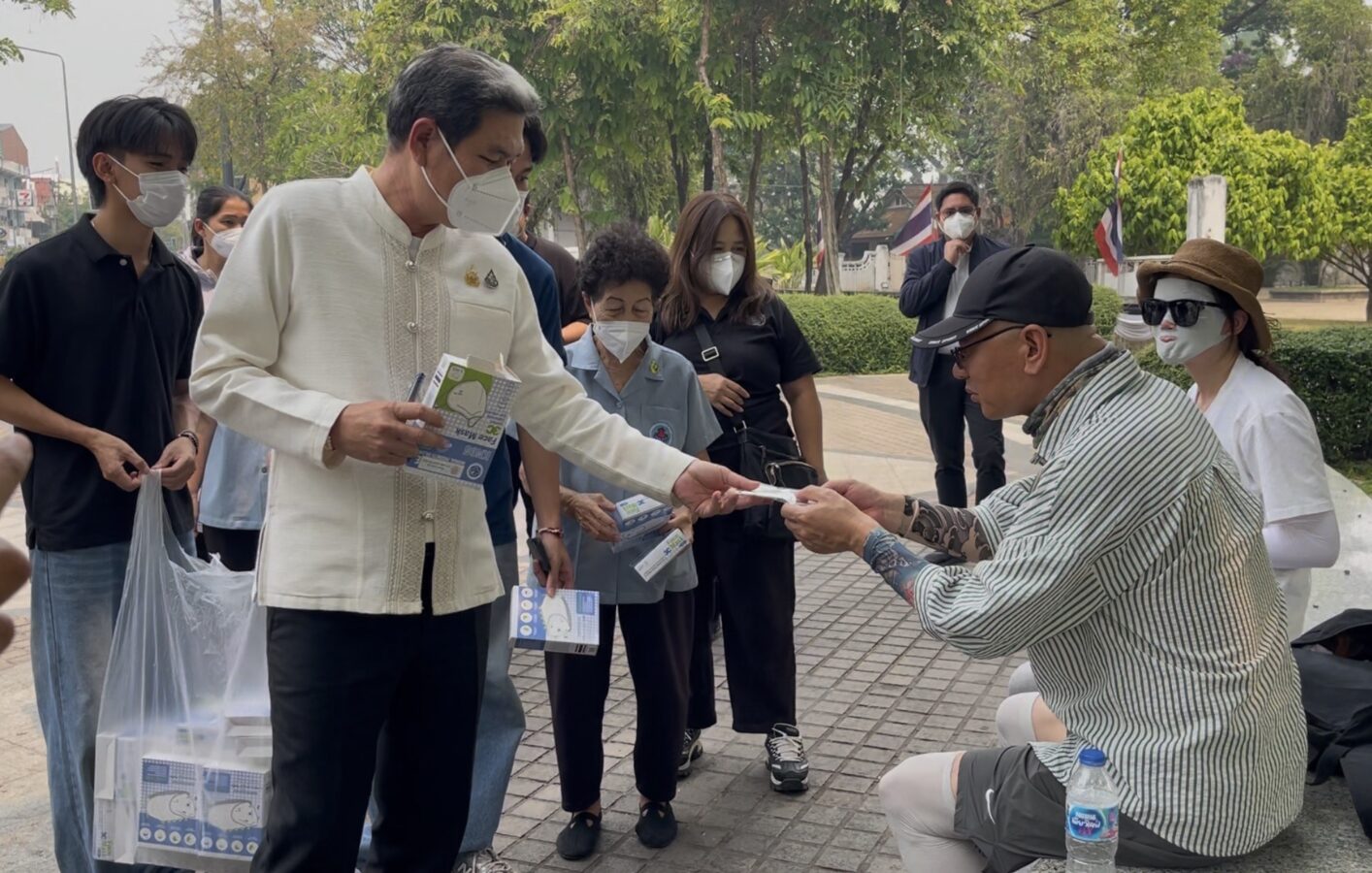
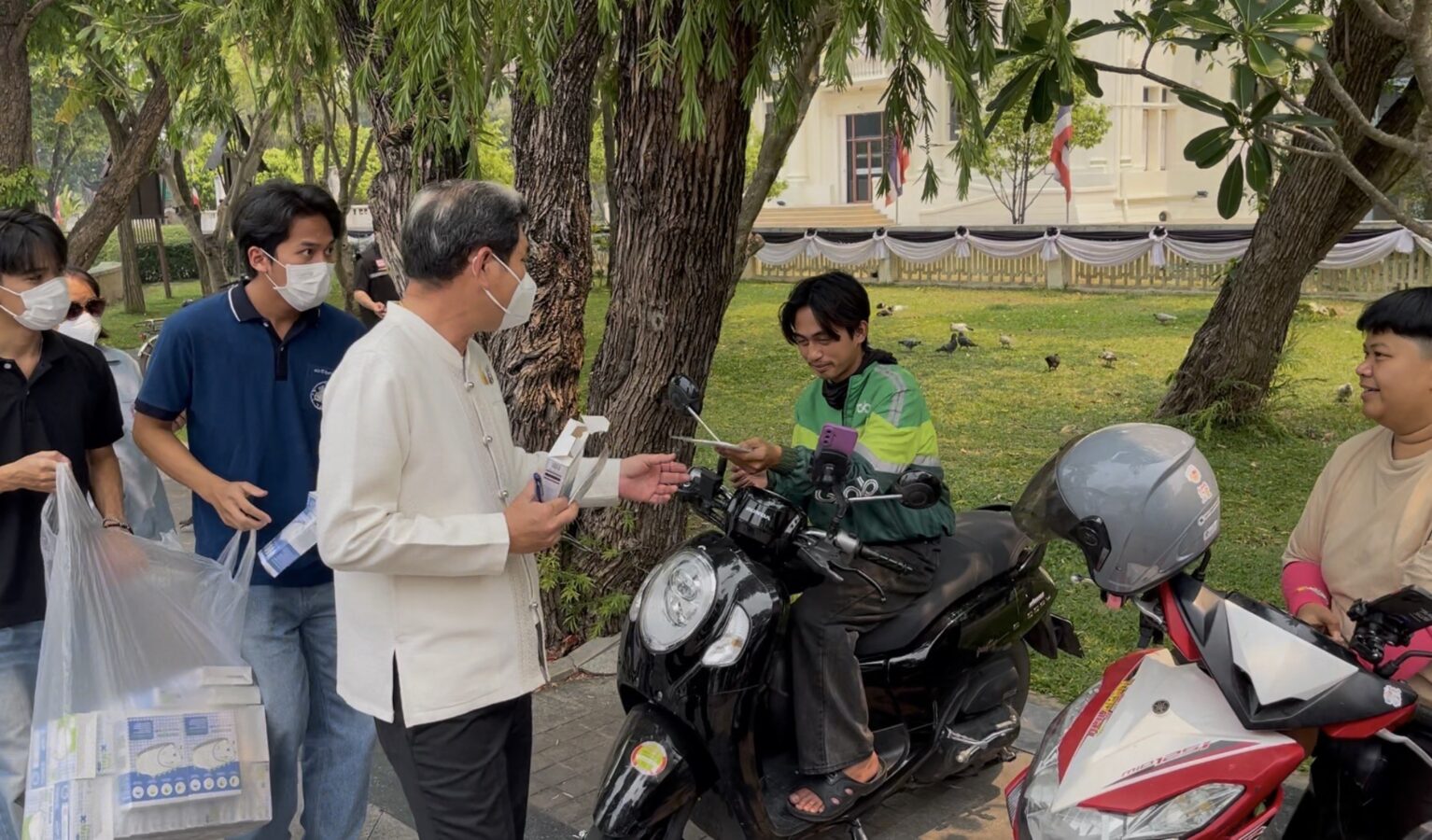
Governor Ratthapon noted that active hotspot counts have dropped to 83, spread across 14 districts — down from a peak of 573 on 29th March. Authorities are nonetheless intensifying efforts, stepping up night patrols, tightening enforcement and conducting community outreach to raise awareness about the consequences of burning, which can carry penalties including imprisonment.
Across the province, 2,004 dust-free rooms are now available to the public: 570 at hospitals and public health units, 559 across 417 child development centres, 606 at government and private offices, and 269 at 110 educational institutions. A full directory and guidance on setting up clean air rooms is available at https://podfoon.anamai.moph.go.th/.