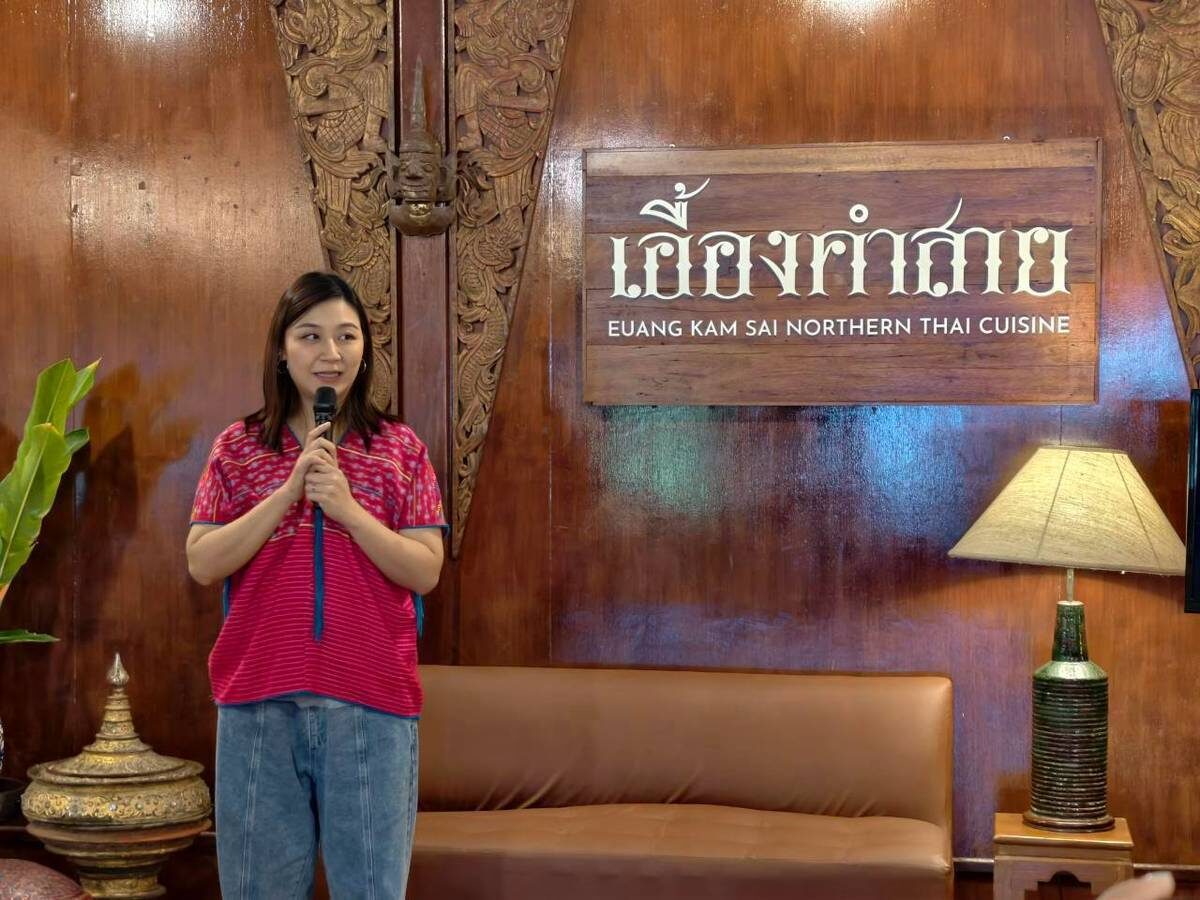
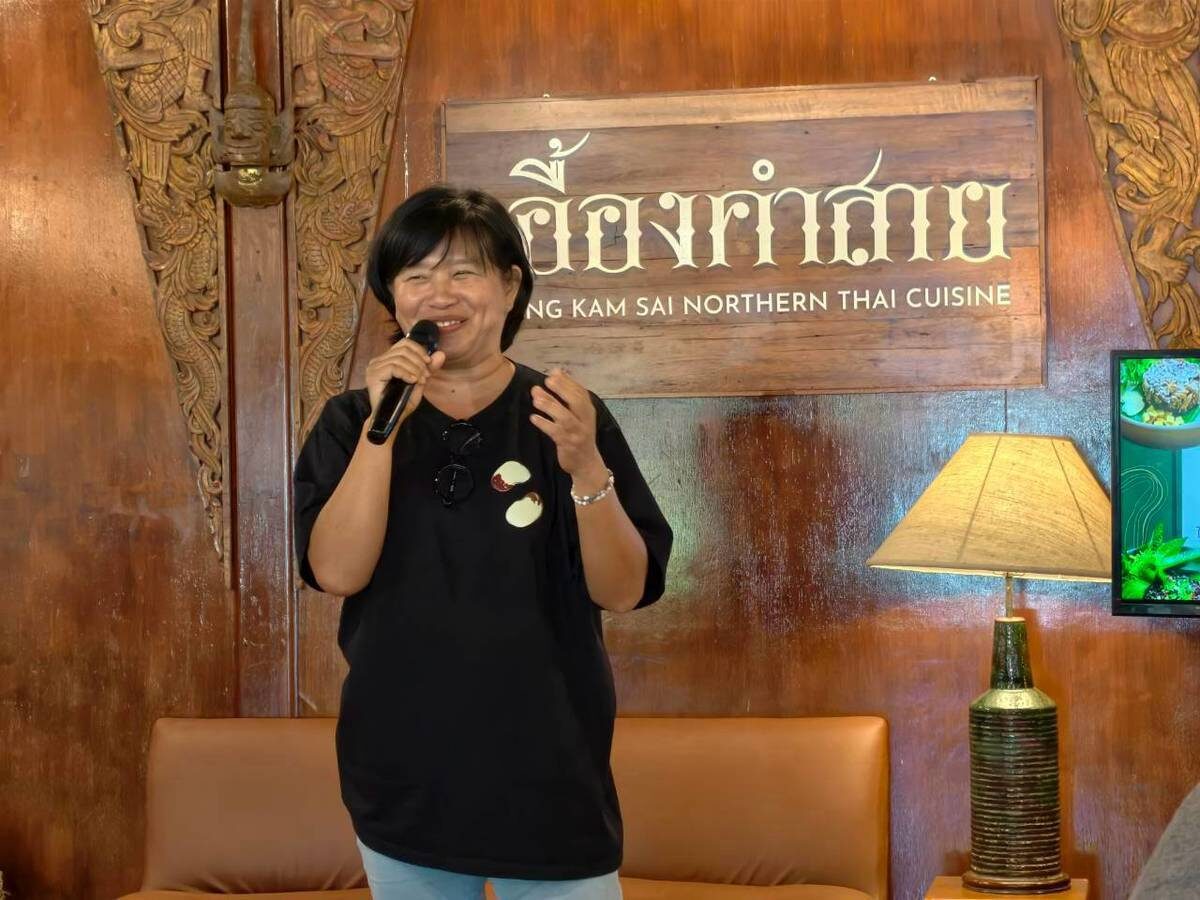
Euang Kham Sai Restaurant is introducing a new dining concept, “Lanna Flexitarian – Kin Muan Yoo Yen” (Eat Well, Live Well), bringing together the rich culinary heritage of Northern Thailand and a more balanced, plant-forward approach to eating.
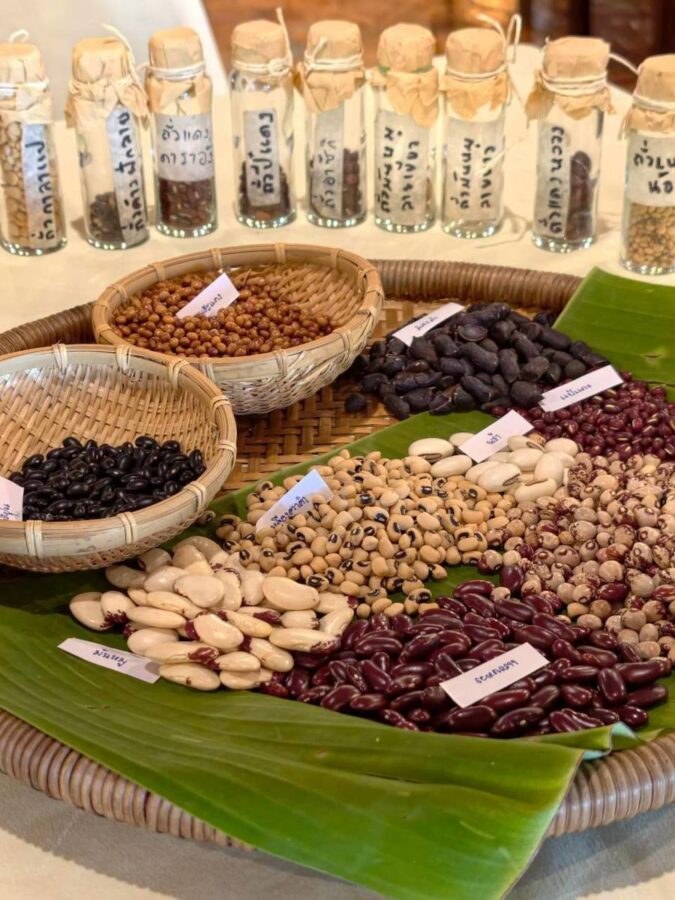
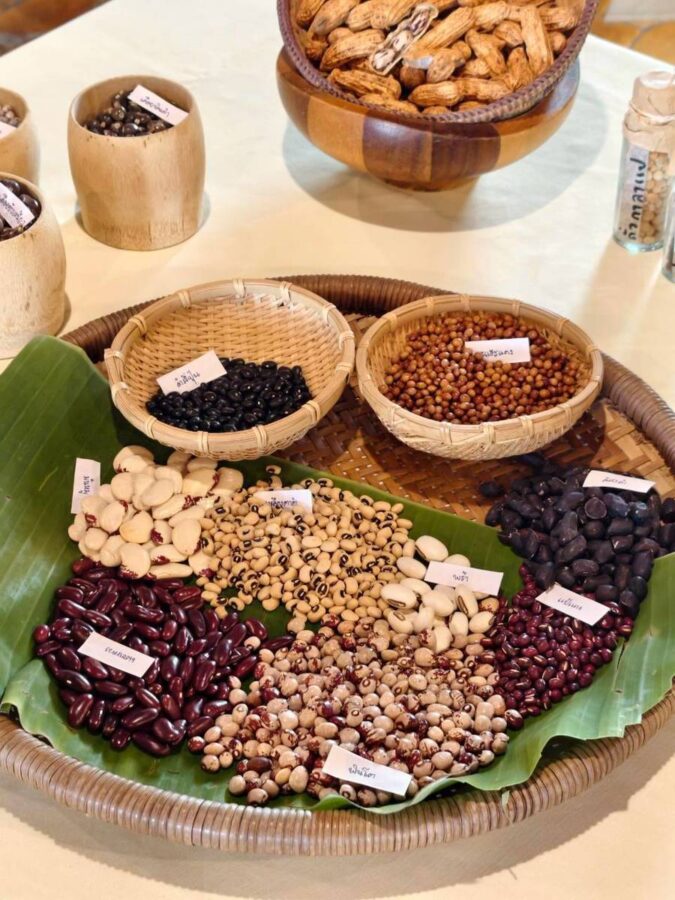
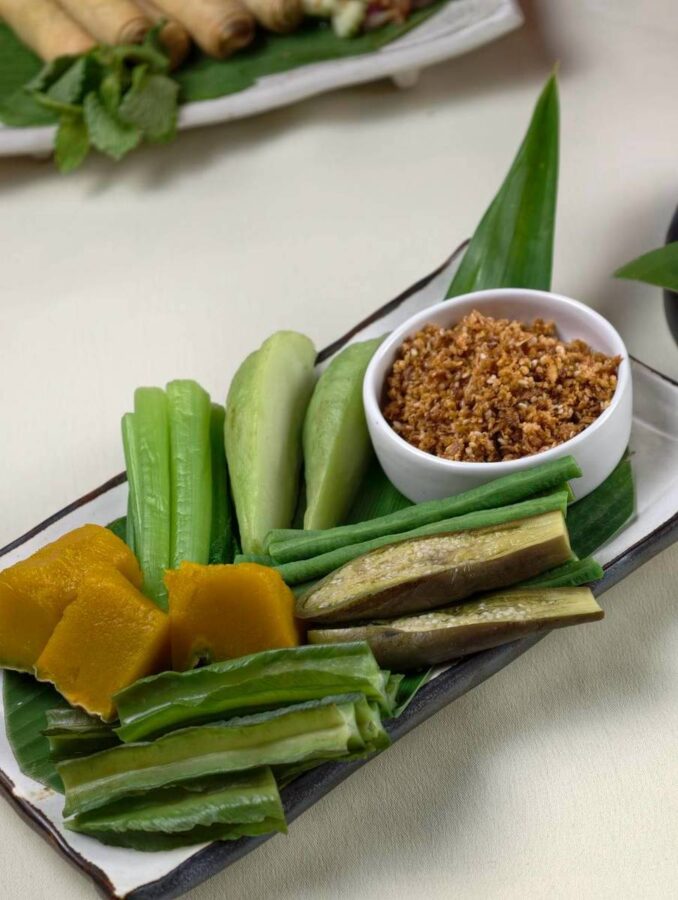
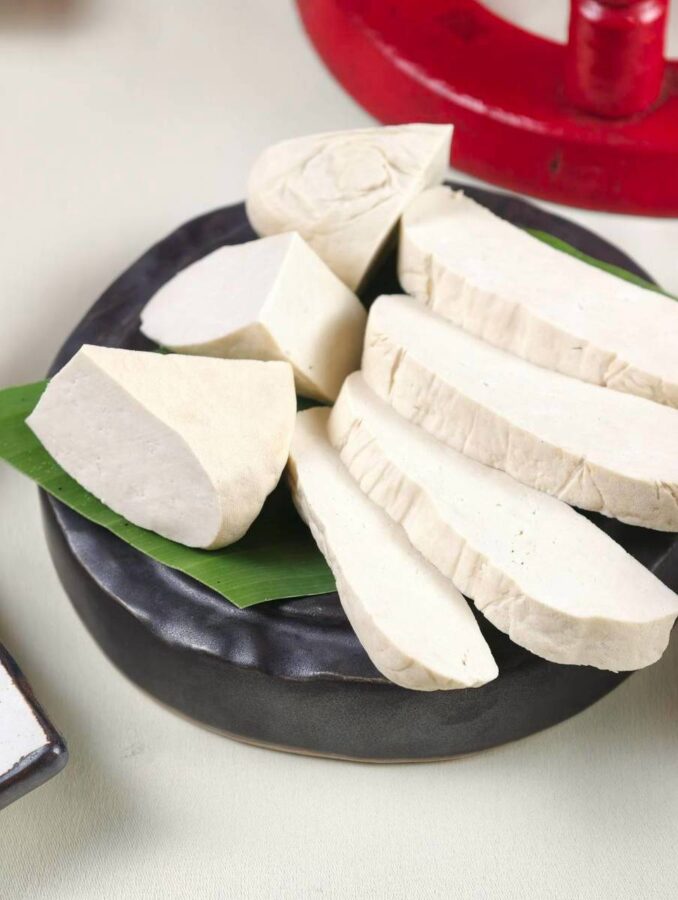
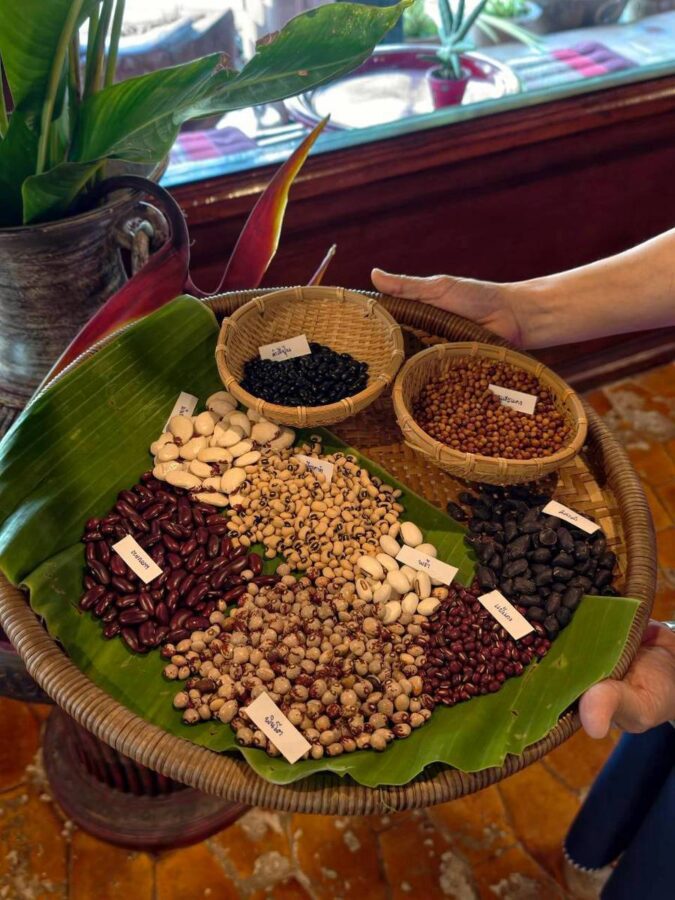
Rooted in generations of family recipes and local food traditions, the new menu celebrates the flavours of Lanna cuisine while giving greater prominence to seasonal vegetables, mushrooms, tofu, beans, grains and indigenous herbs, alongside moderate portions of meat.
From Baan Tuek’s Family Kitchen to Euang Kham Sai
The story of Euang Kham Sai’s cuisine begins with the legendary Baan Tuek family kitchen, home to the culinary traditions of the family of Luang Anusarn Sunthorn, also known as Sun Hee Chutima, a prominent merchant and traveller during the era of trade along the Ping River.
His journeys brought him into contact with people from different cultures, inspiring a distinctive family cuisine that blended the food traditions of Tai ethnic communities with Chinese cooking techniques.
These culinary influences were developed by Mae Kham Thiang and Mae Anocha Chutima and passed down through generations, eventually becoming the foundation of Euang Kham Sai’s kitchen today.
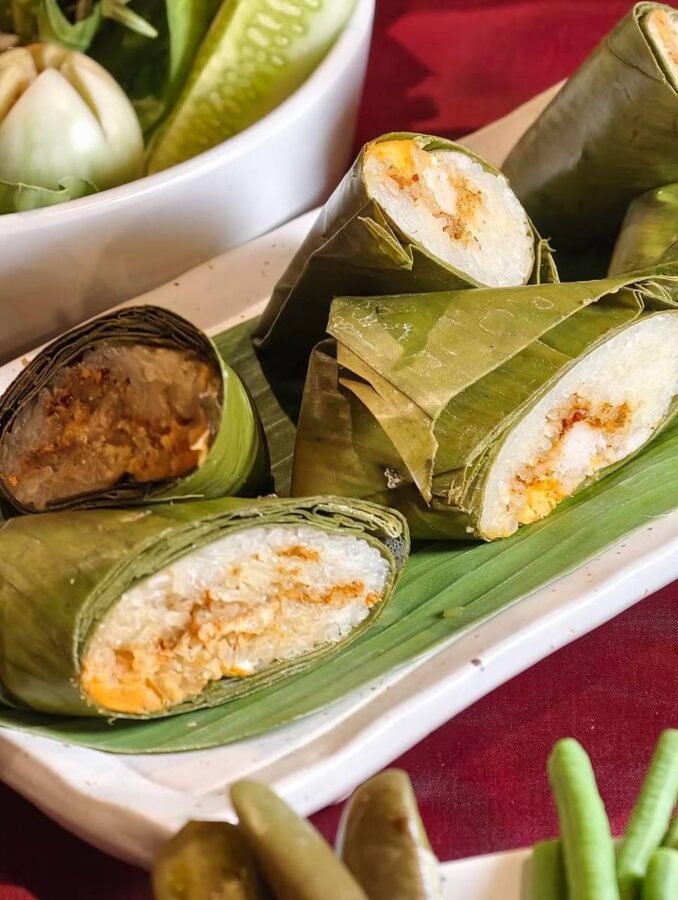
Among the restaurant’s signature heritage dishes are Khao Bai, sticky rice wrapped in banana leaves with roasted chilli paste, salted egg yolk and other fillings; Sai Ua Lue, a Northern-style sausage wrapped in lemongrass leaves rather than traditional sausage casing; Khai Khwam Rang Thong, a reimagined egg dish; and Moo Hum Khamin, tender pork slowly cooked with turmeric.
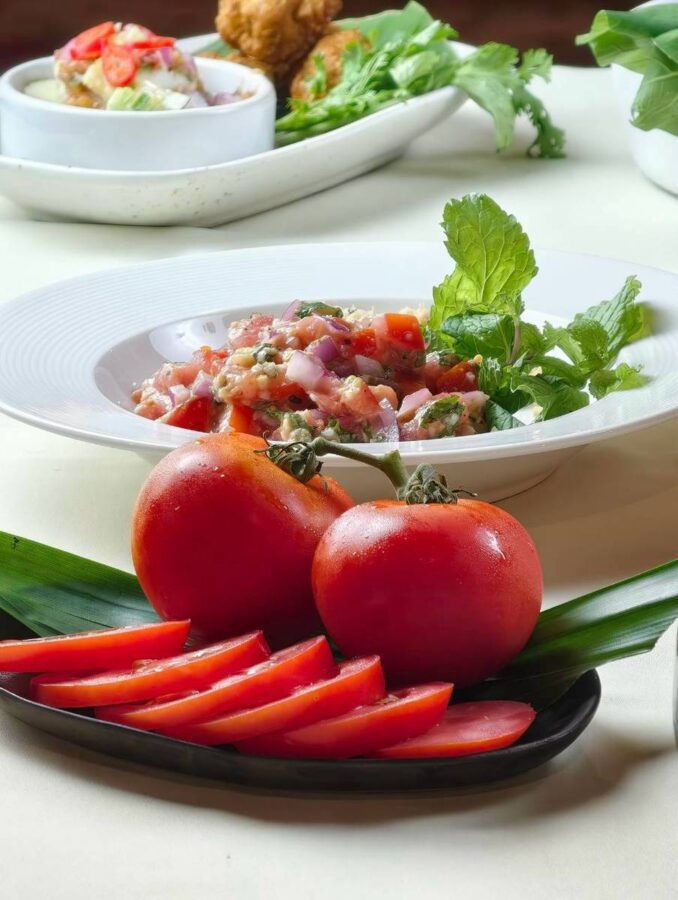
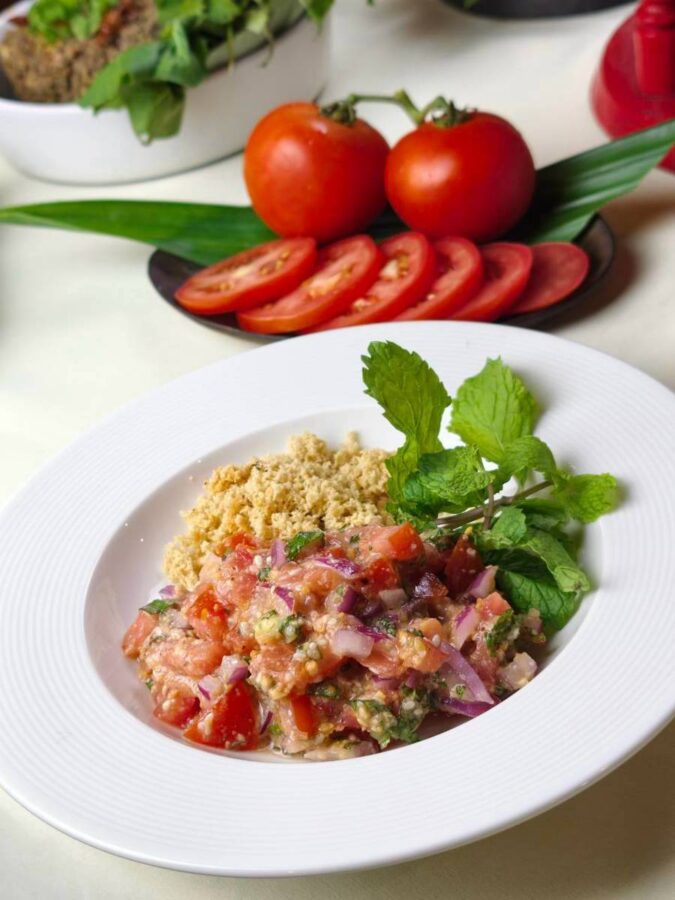
Other specialities, including salted egg chilli paste and a traditional tomato salad, reflect the cultural diversity that has long shaped the family’s cooking.
Lanna Flexitarian: A New Way to Enjoy Traditional Flavours
Building on this culinary heritage, Euang Kham Sai has developed “Lanna Flexitarian – Kin Muan Yoo Yen”, a concept that embraces the philosophy of enjoying good food while living in harmony with people, communities and nature.
Kin Muan (กิ๋นม่วน) celebrates the pleasure of eating, discovering flavours, textures and the stories behind ingredients.
Yoo Yen (อยู่เย็น) reflects mindful, balanced living, with consideration for diners, local growers, communities and the environment.
Rather than eliminating meat entirely, the flexitarian approach encourages a greater variety of plant-based ingredients while allowing diners to choose a balance that suits their individual lifestyles.
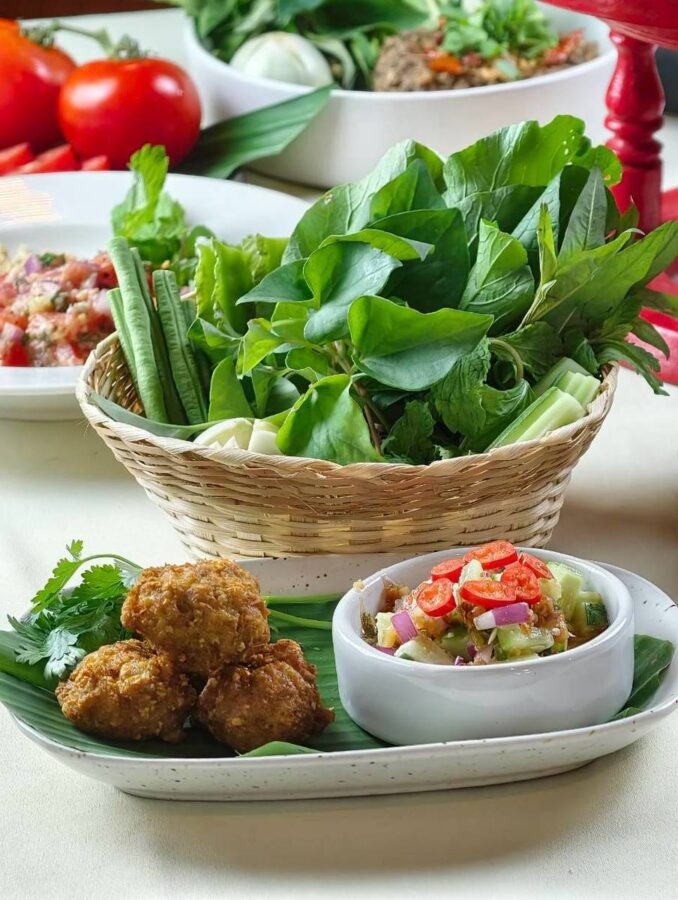
The new dishes retain the distinctive aromas of Northern Thai herbs, traditional curry pastes and time-honoured cooking methods, while highlighting locally sourced, seasonal produce.
Seven Dishes, One Culinary Journey
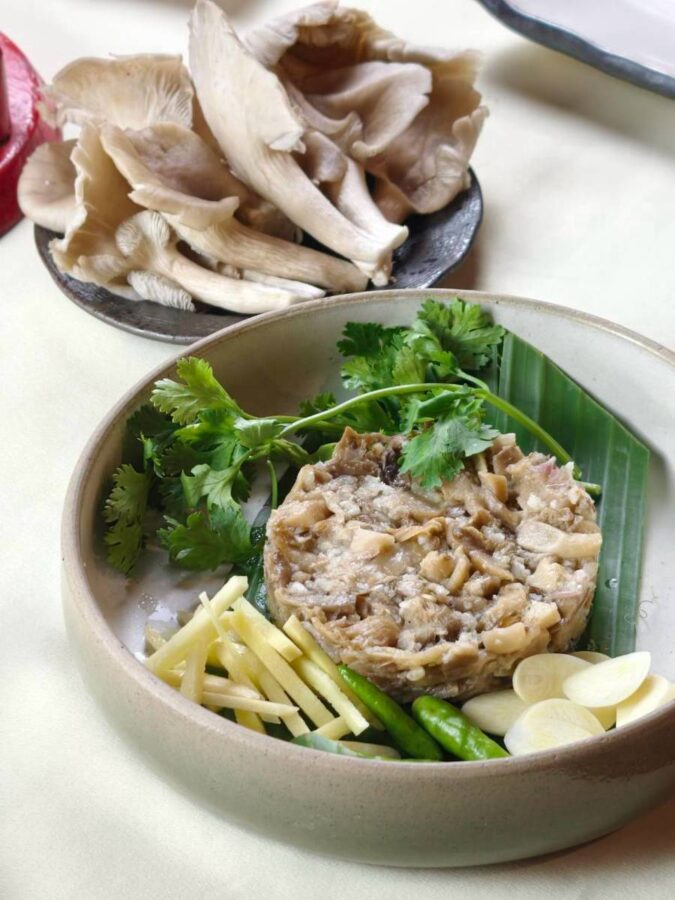
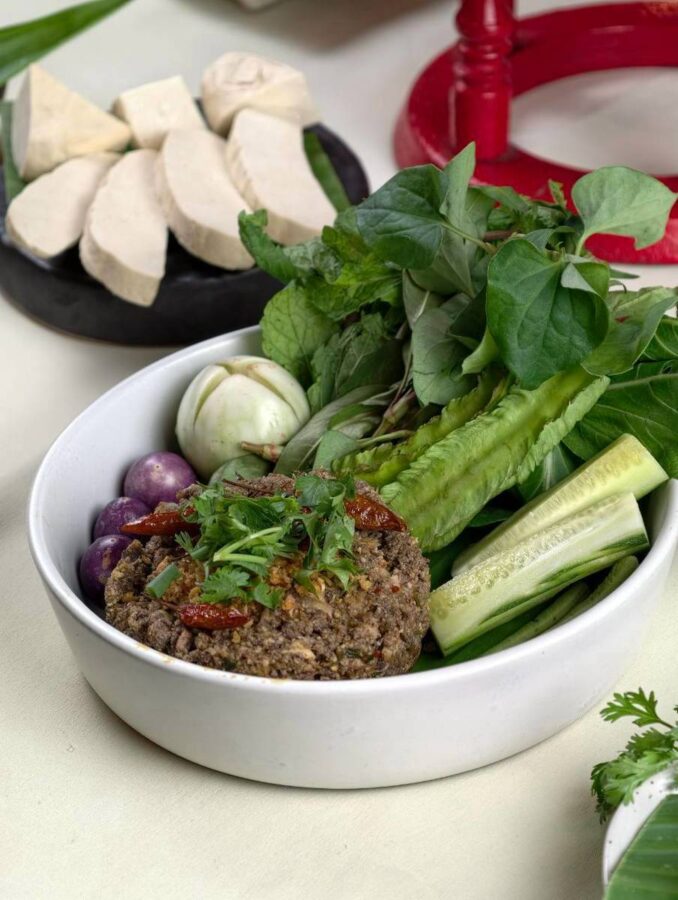
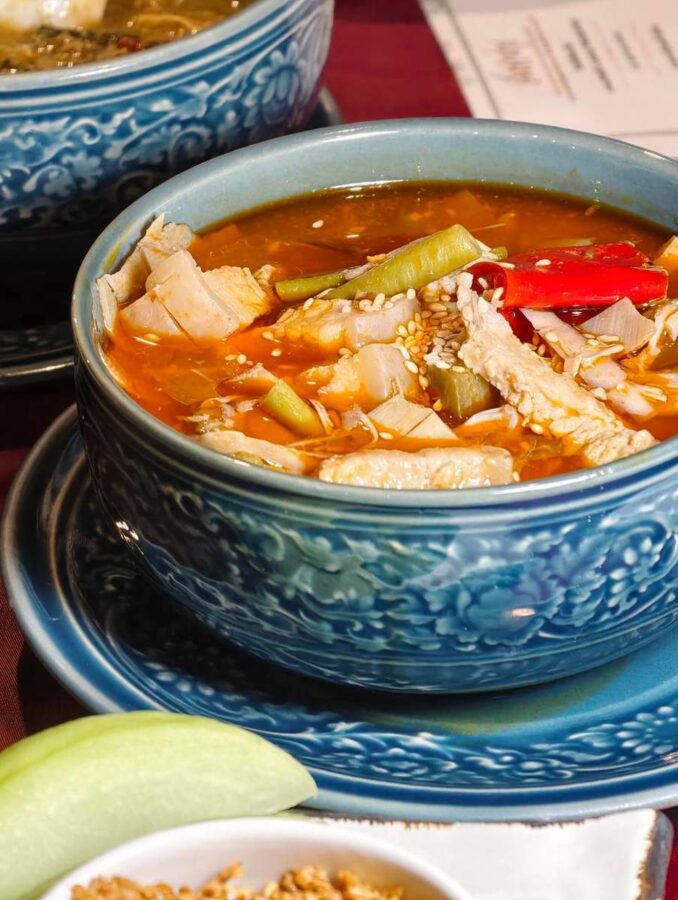
The newly introduced Lanna Flexitarian menu features seven dishes inspired by traditional Lanna and Shan culinary cultures, reinterpreted for contemporary dining:
1. Jin Lung
2. Tua Poo Go
3. Khanom Jin
4. Larb Gai Khua
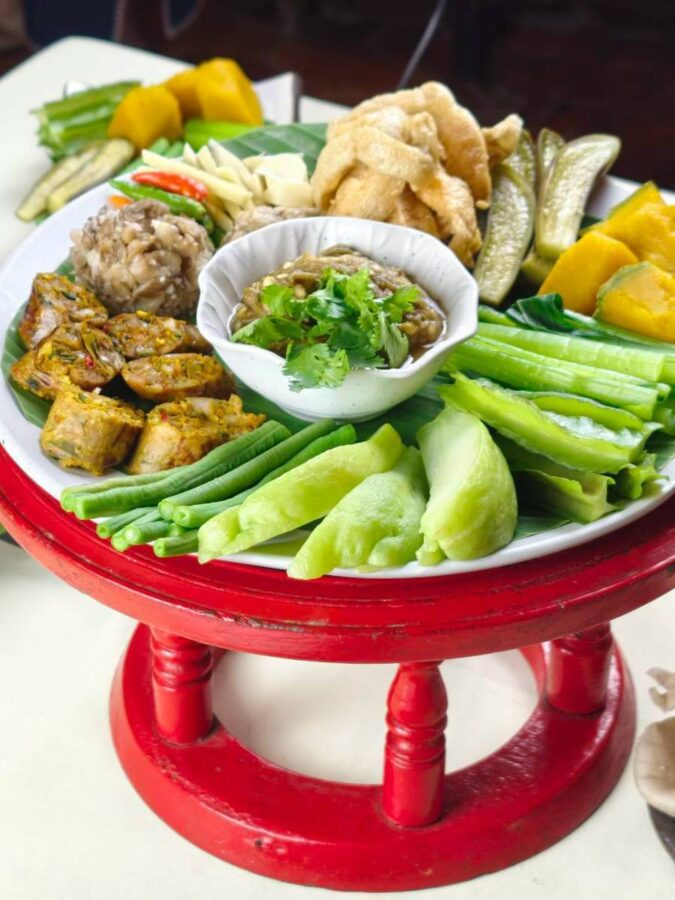
5. Northern Thai Hors d’Oeuvres
6. Nam Prik Khua Sai
7. Naem Hed (Fermented Mushroom)
Each dish offers a fresh interpretation of regional culinary traditions, demonstrating how familiar Northern Thai flavours can be enjoyed through a more plant-forward approach.
Celebrating Local Ingredients and Culinary Heritage
The official menu launch takes place on 16 October 2026, with members of the media invited to experience the new dishes and hear the stories behind them.
The event will introduce the origins of locally grown ingredients, the techniques used to adapt traditional recipes to a flexitarian approach, and the role of plant-based cooking in Northern Thai food culture.
Through this new culinary direction, Euang Kham Sai hopes to encourage a deeper appreciation of local ingredients, seasonal produce and the people who grow them, while preserving the distinctive identity of Lanna cuisine.
“Lanna Flexitarian – Kin Muan Yoo Yen” is more than a new menu. It is a celebration of Northern Thailand’s culinary past, thoughtfully adapted for the way people eat today.