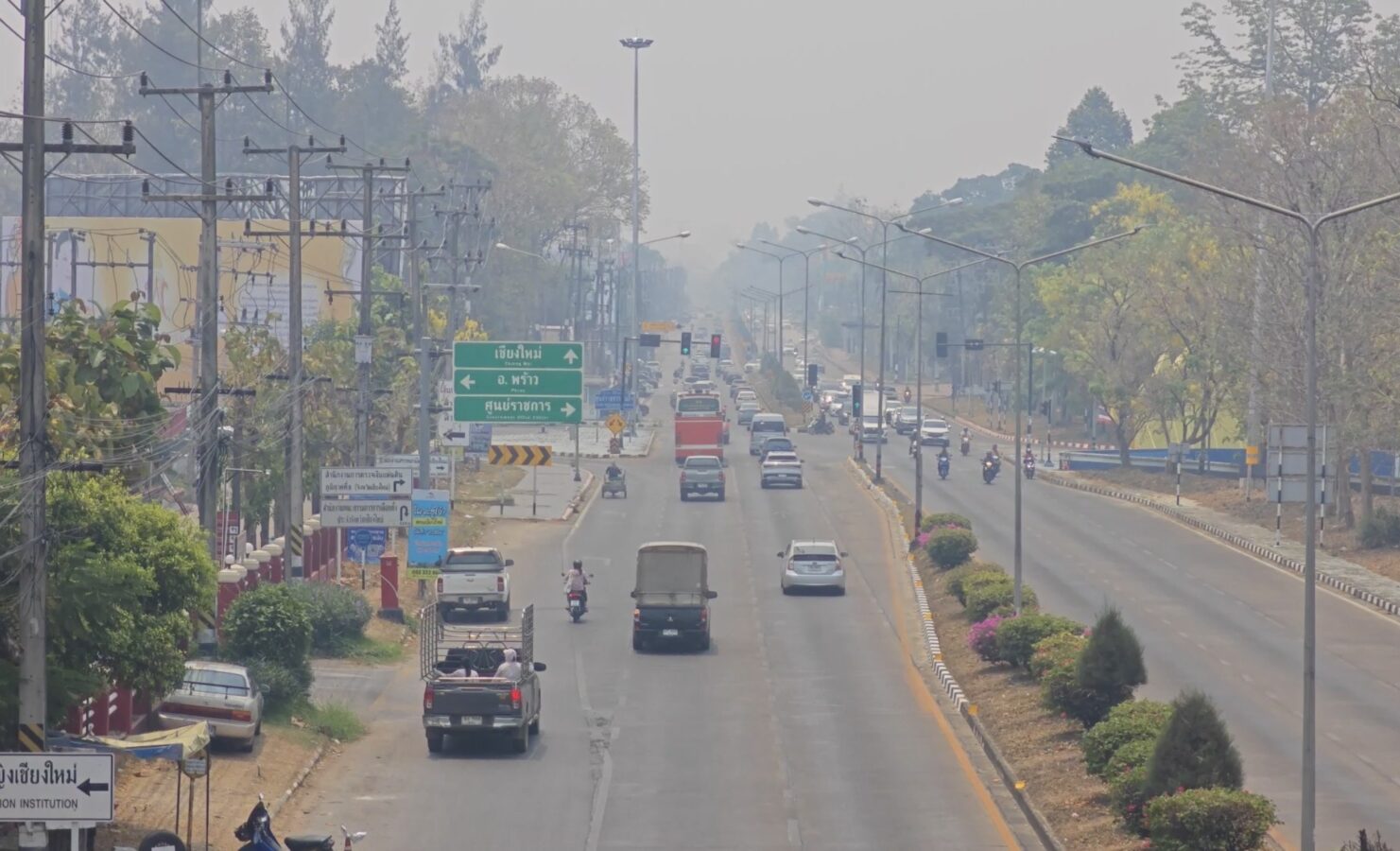
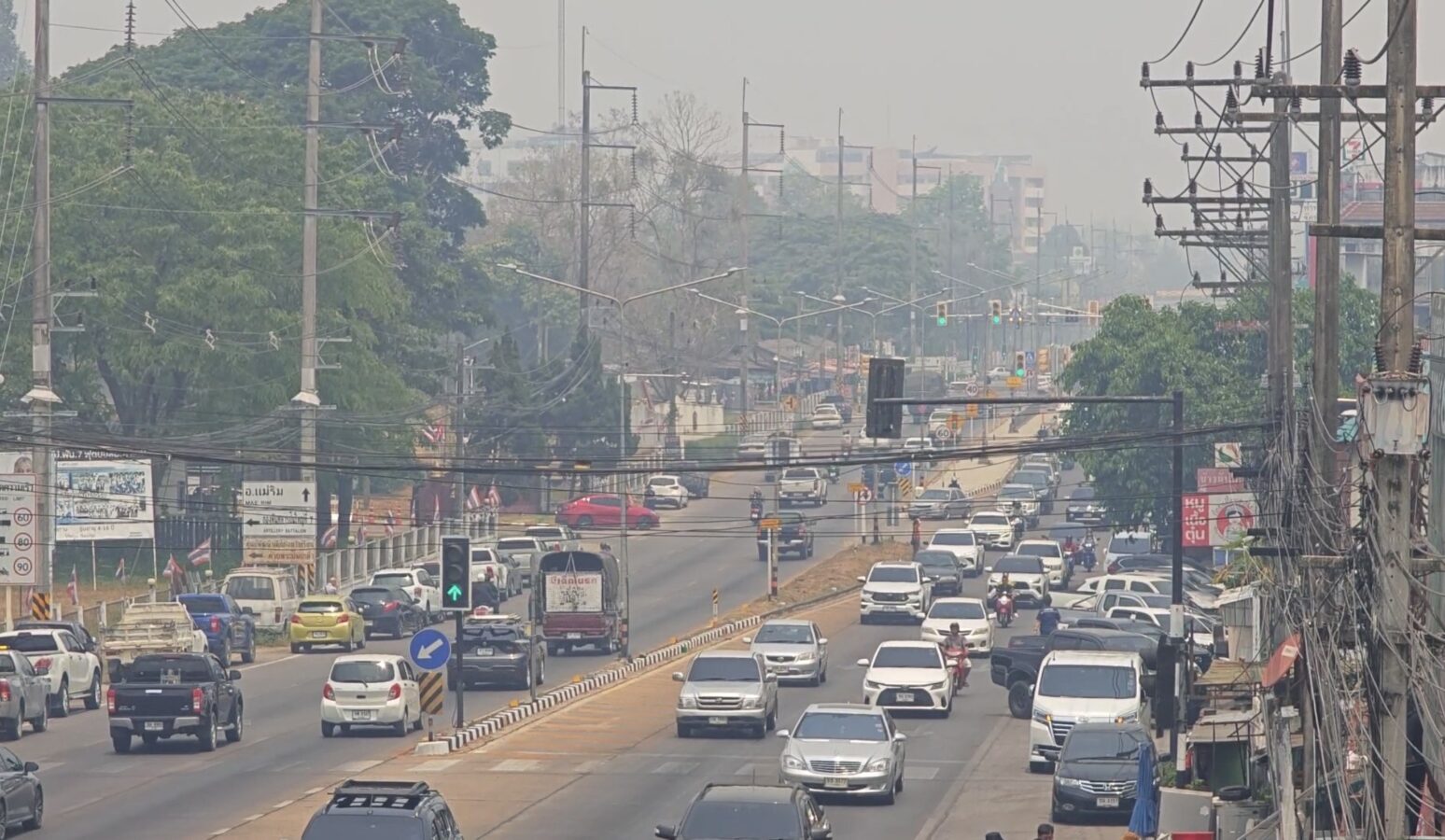
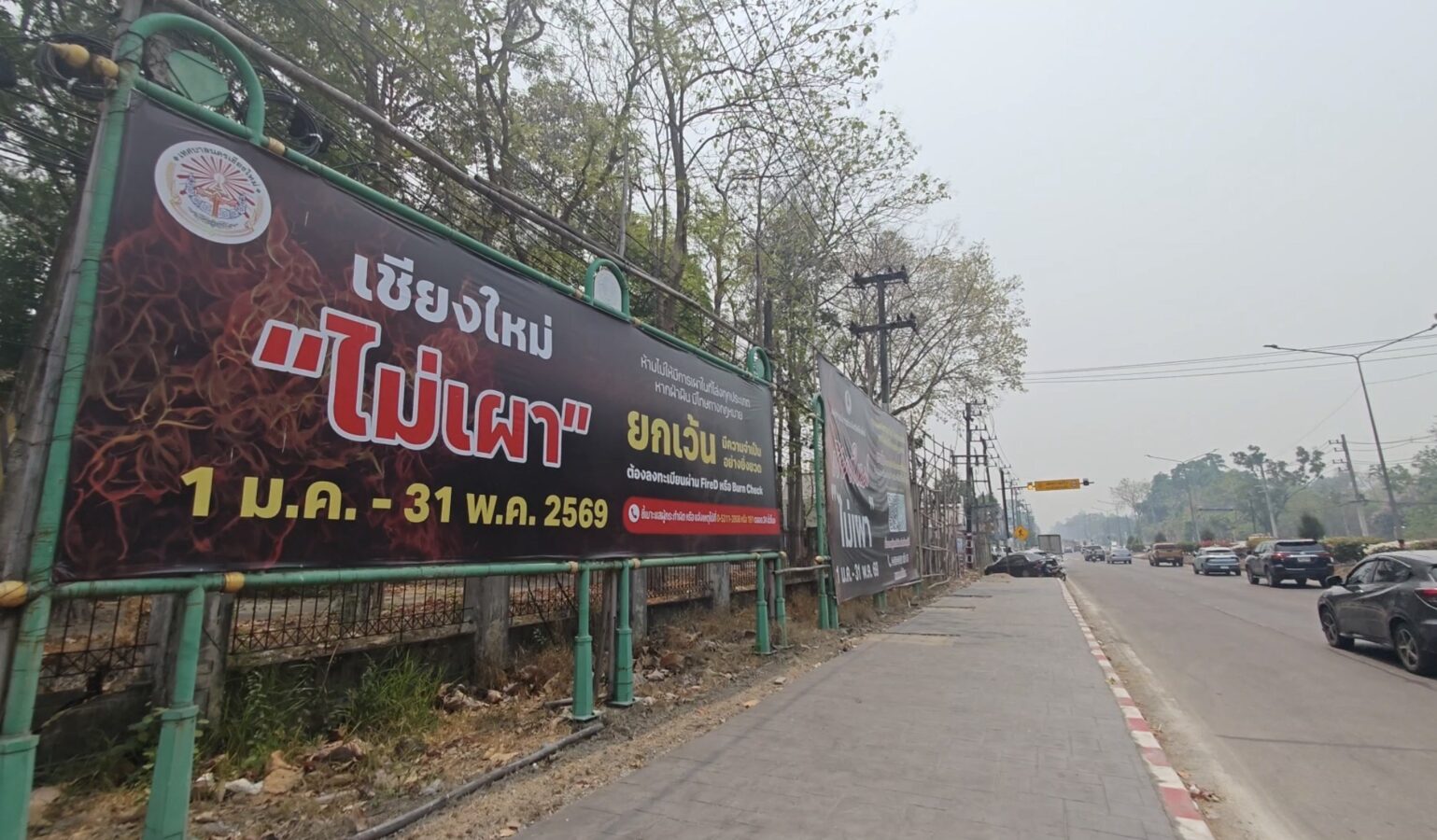
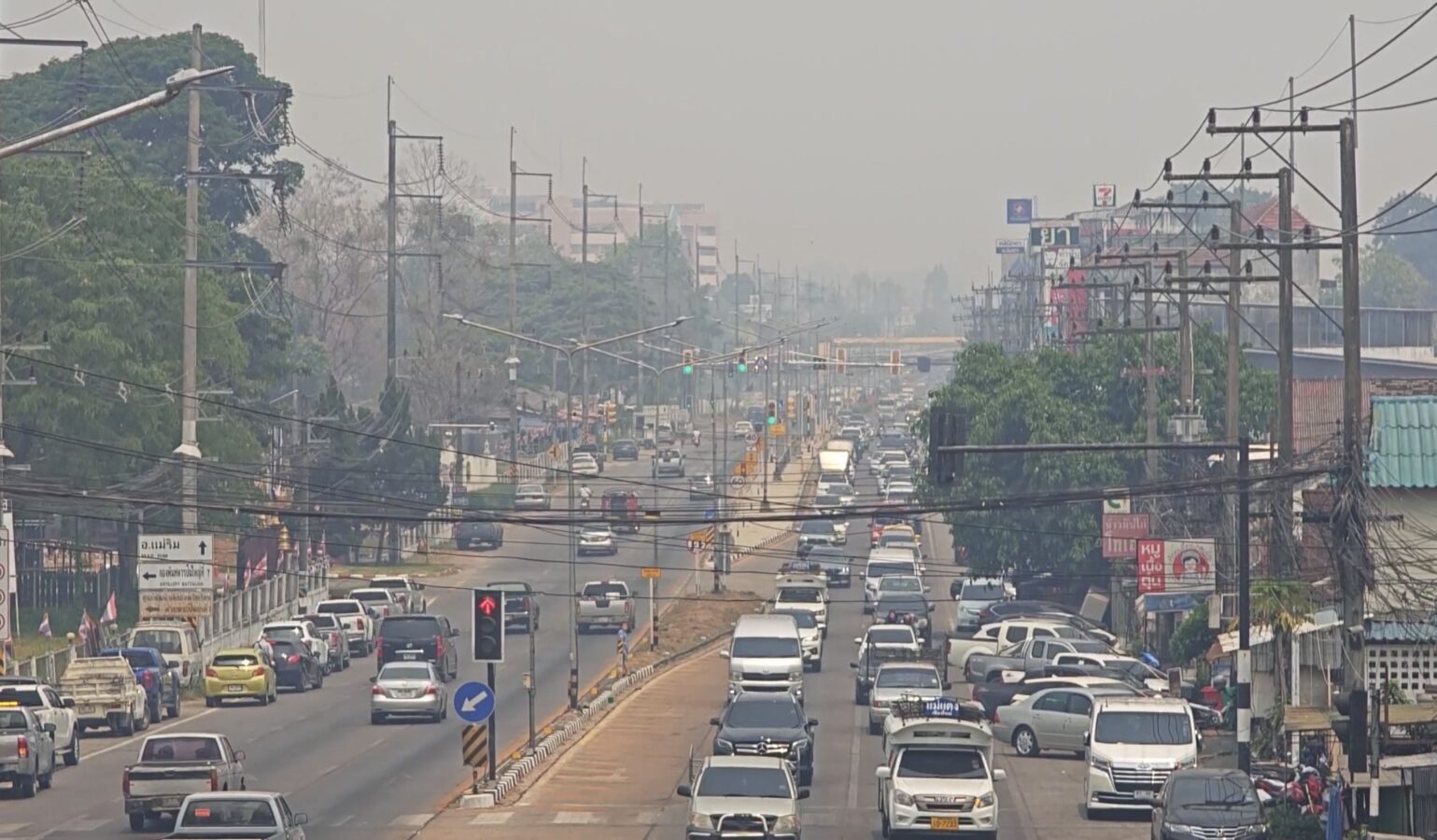
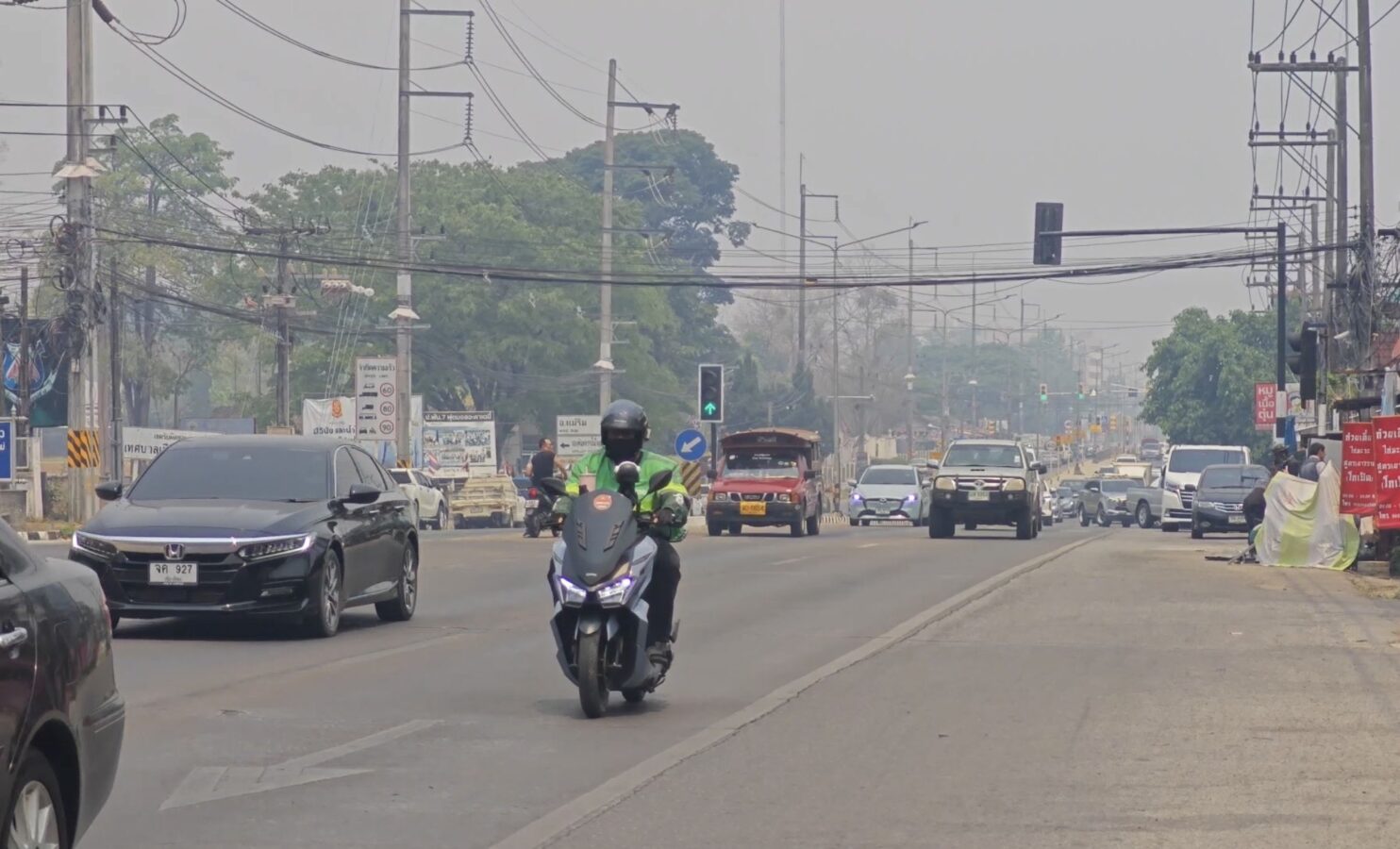
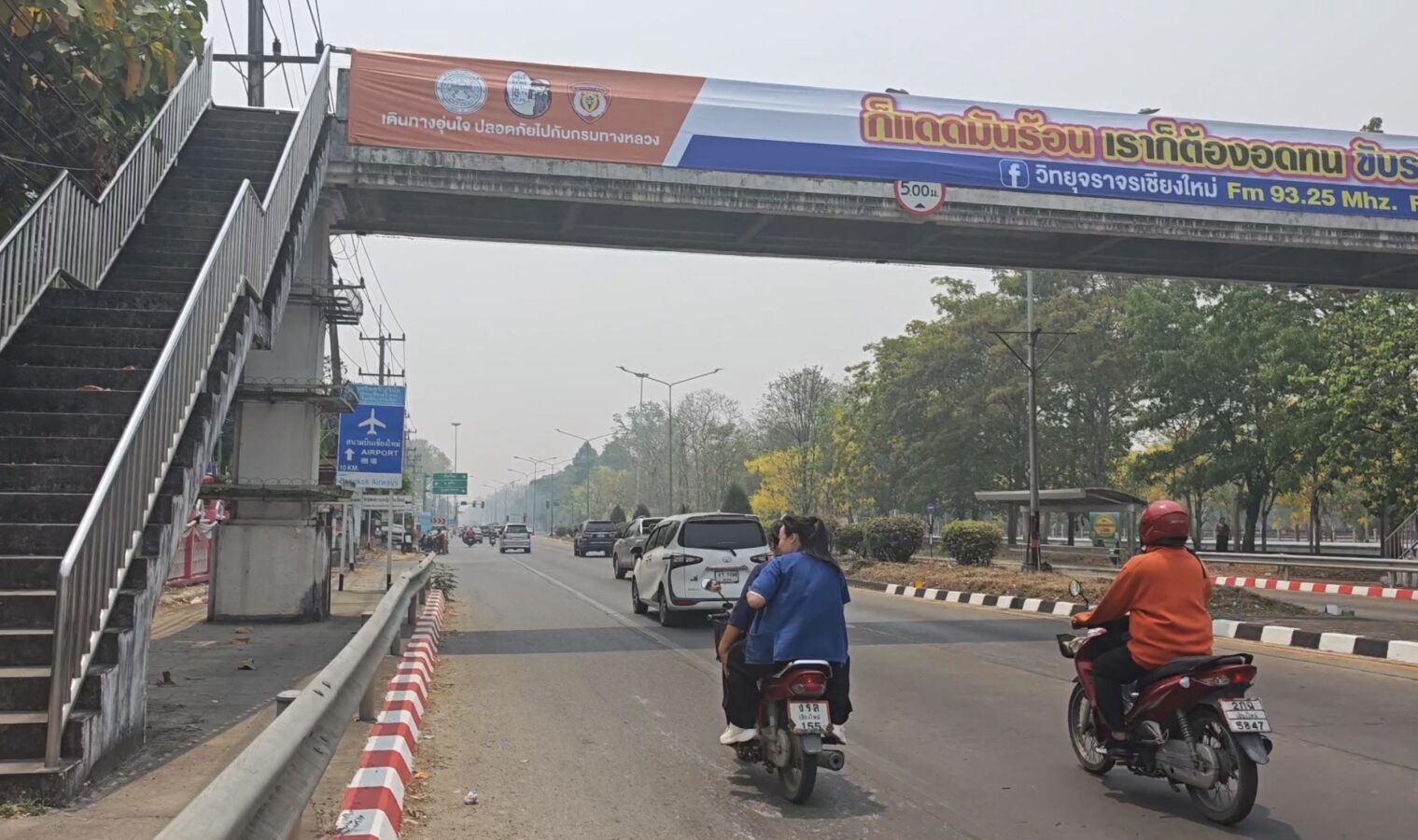
The Faculty of Medicine at Chiang Mai University has issued a fresh warning about the ongoing air quality crisis, with Assoc. Prof. Dr Atikun Limsukont, a specialist in respiratory medicine, critical care and allergy at the CMU Department of Internal Medicine, stressing that PM2.5 particles are small enough to penetrate deep into the lung’s air sacs and enter the bloodstream directly, triggering respiratory inflammation and causing serious flare-ups in patients with pre-existing lung conditions.
The warning follows a serious case involving a 19-year-old foreign female tourist, with no underlying health conditions and no history of smoking, who was transferred to Chiang Mai for treatment after exposure to smoke and PM2.5 in Pai, Mae Hong Son. After only brief exposure, she developed a rapid cough and breathlessness, requiring high-flow oxygen, antibiotics and steroids. Though she recovered and was discharged, follow-up tests found elevated eosinophils in her blood, consistent with acute eosinophilic pneumonia — a severe inflammatory lung response triggered by heavy short-term exposure to toxic smoke or pollution. Dr Atikun noted this condition typically affects non-smokers with no prior smoke exposure, and the link to PM2.5 and wildfire smoke is considered highly probable.
A second case involved a chronic lung patient who undergoes pulmonary lavage one to two times annually for abnormal protein accumulation. Previously well-controlled, the patient deteriorated rapidly during the current pollution spike — less than two months after their last procedure — developing acute respiratory failure and requiring intubation. Fluid extracted during lavage was described as blood-tinged red, compared to the usual milky white, indicating severe inflammation and lung tissue damage.
Dr Atikun urges high-risk groups — including those with lung disease, asthma, the elderly and young children — to avoid outdoor activity, wear N95 masks and monitor air quality closely. Anyone experiencing persistent coughing, chest tightness, difficulty breathing or rapid deterioration should seek medical attention immediately, as these may signal life-threatening acute respiratory failure.