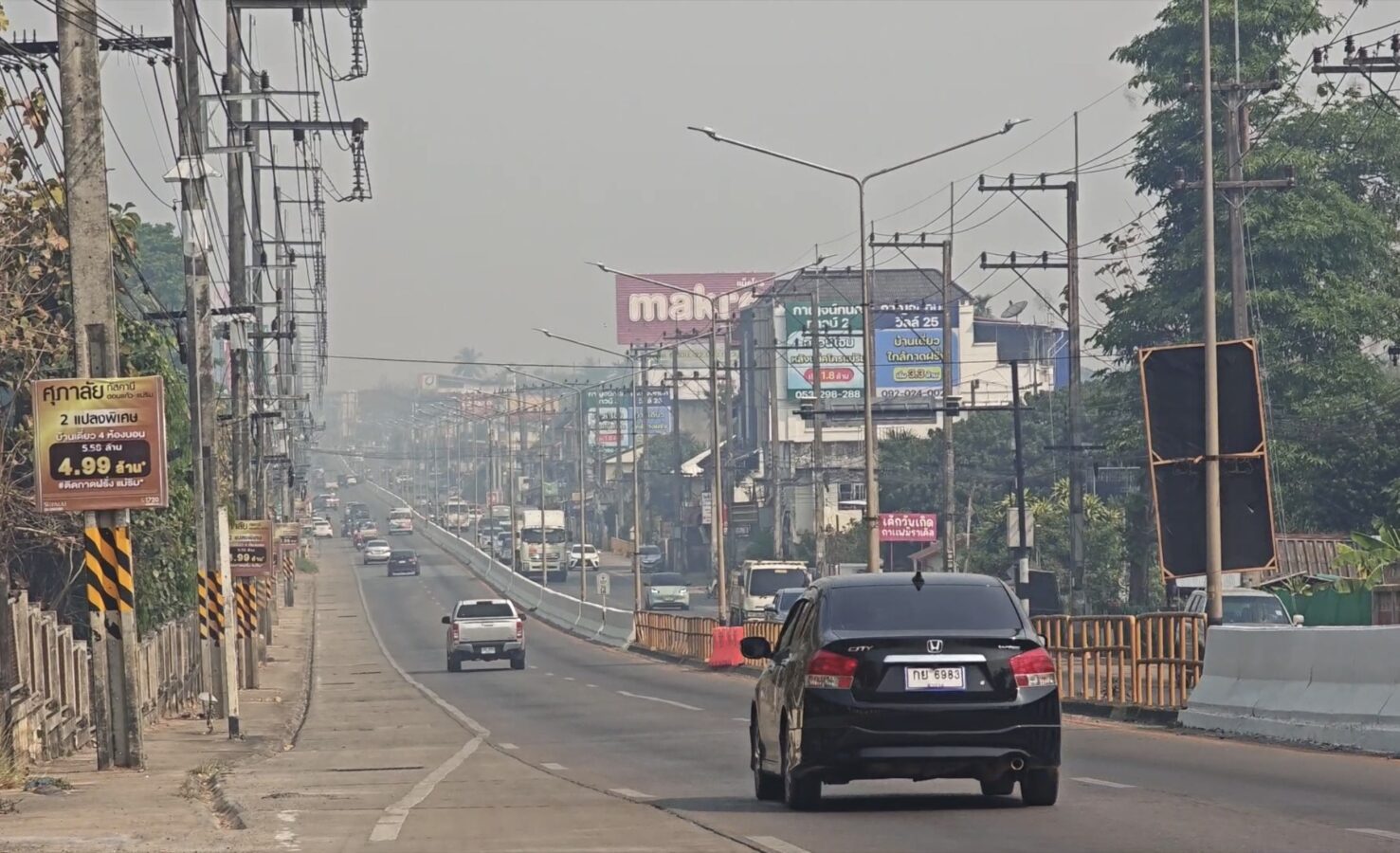
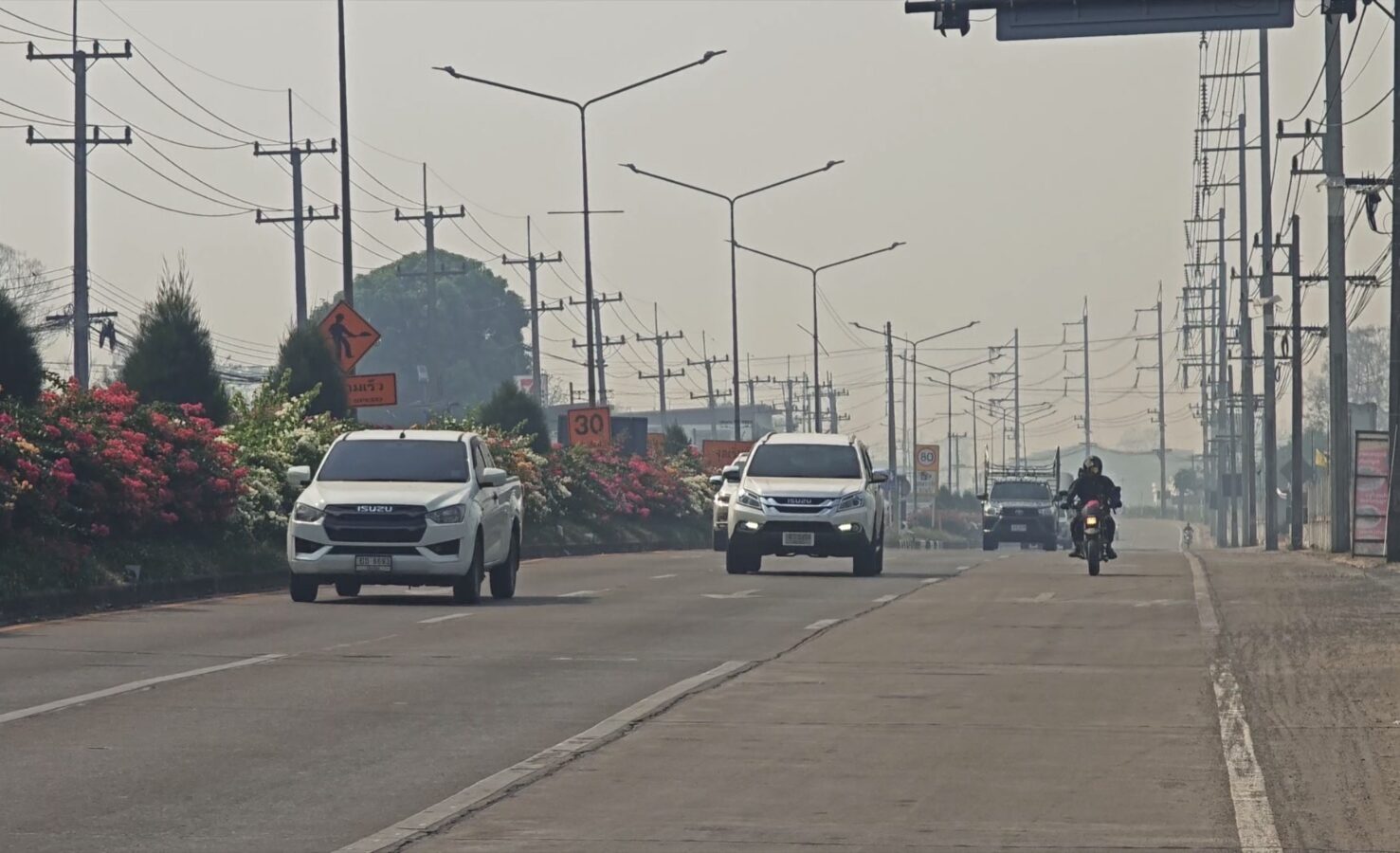
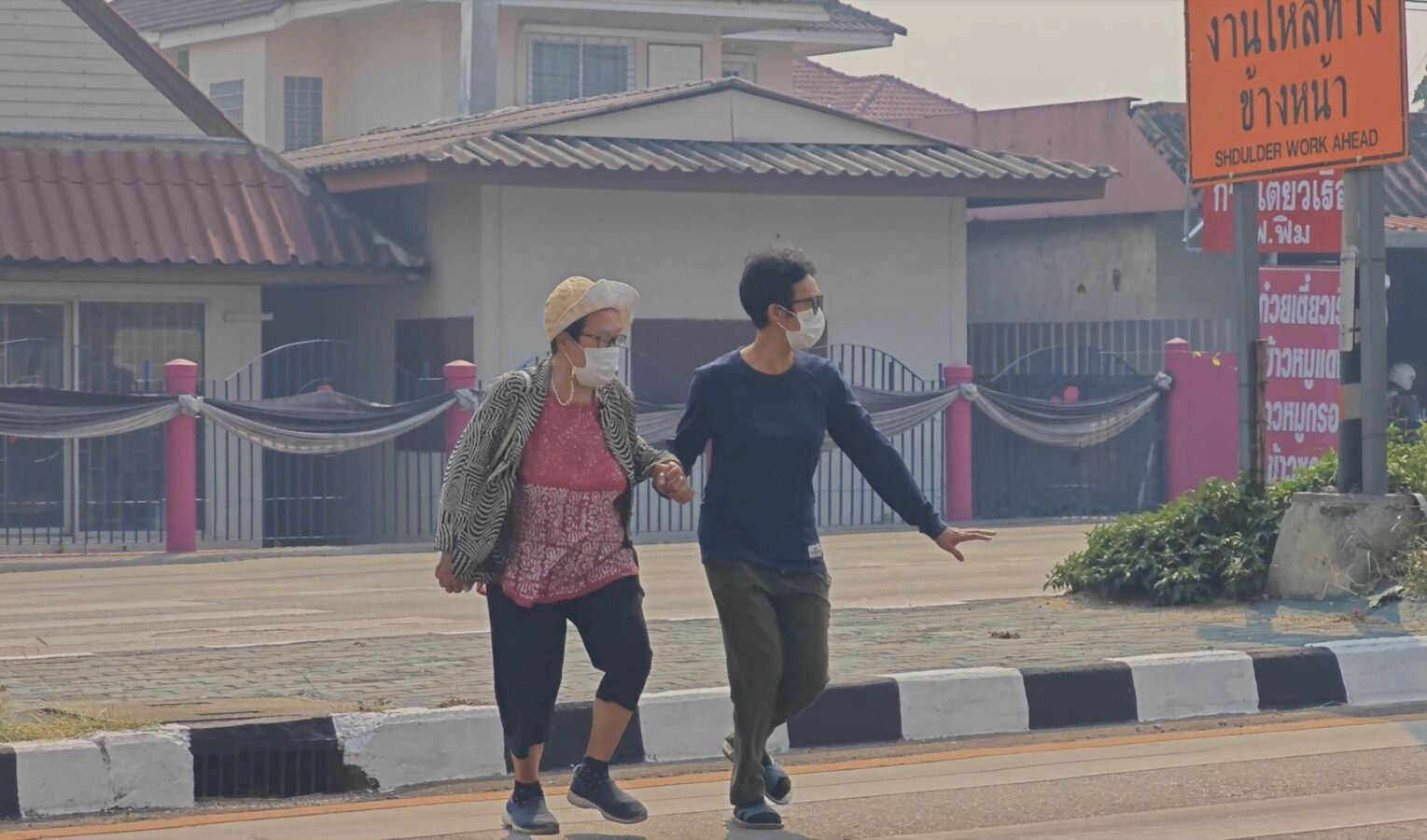
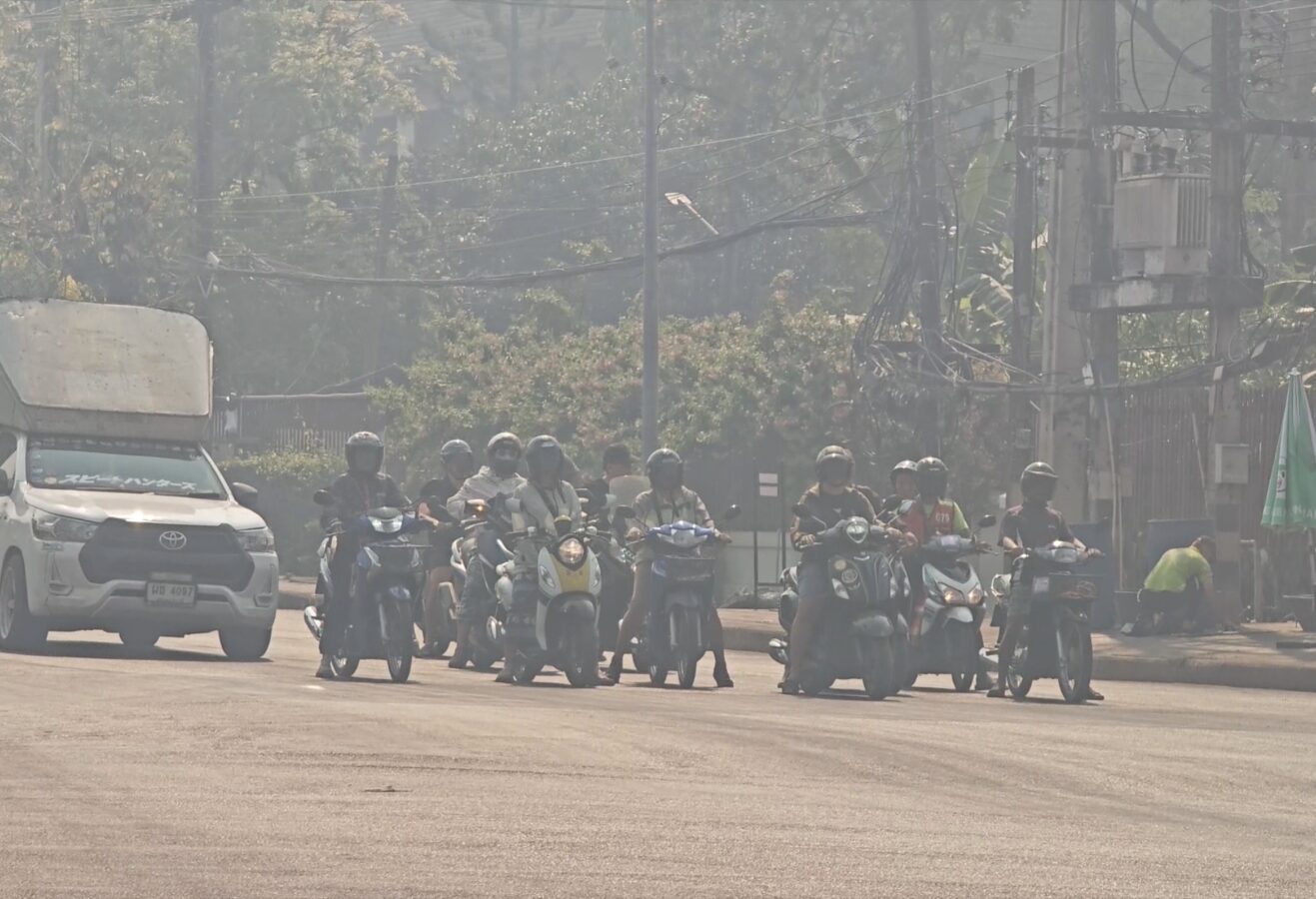
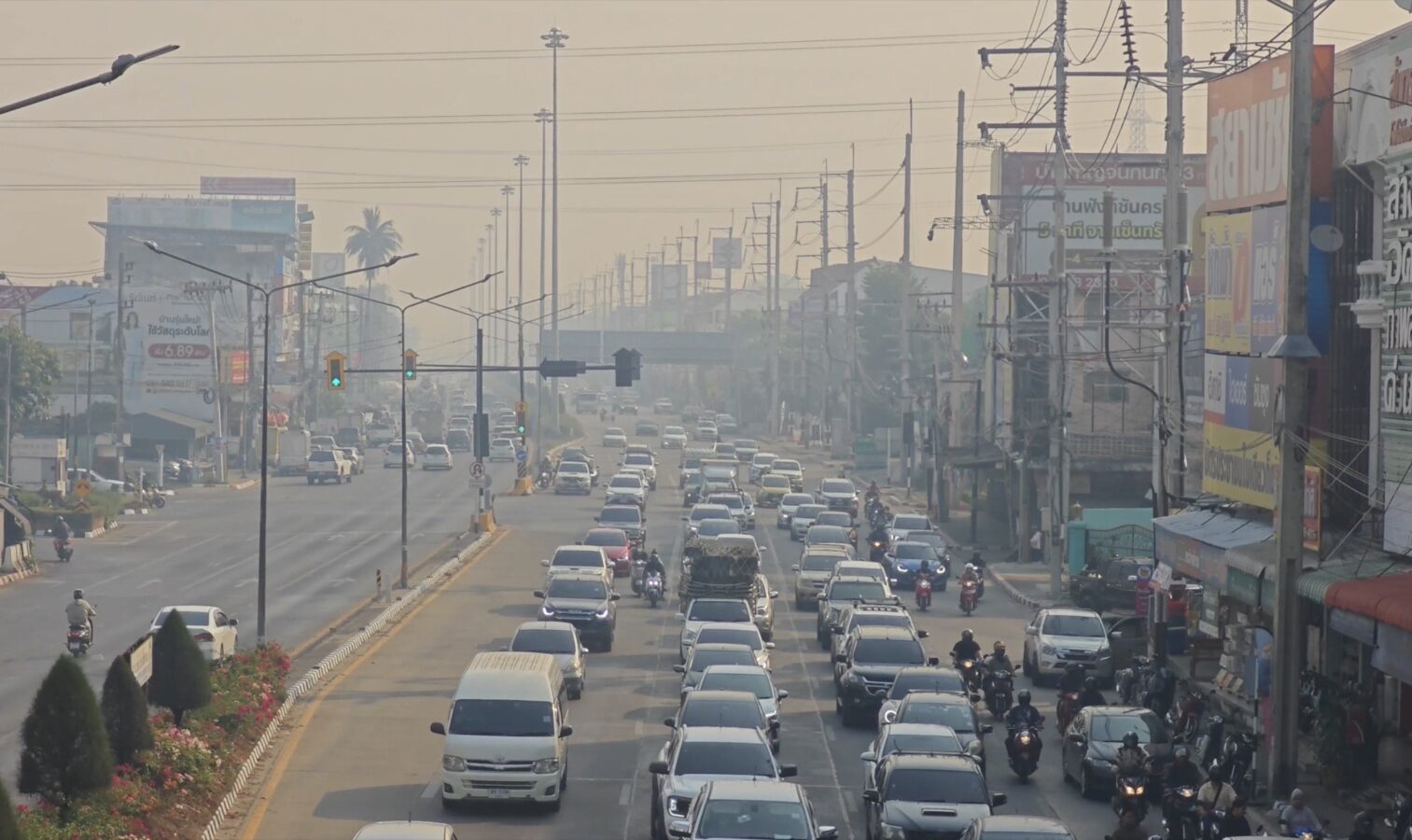
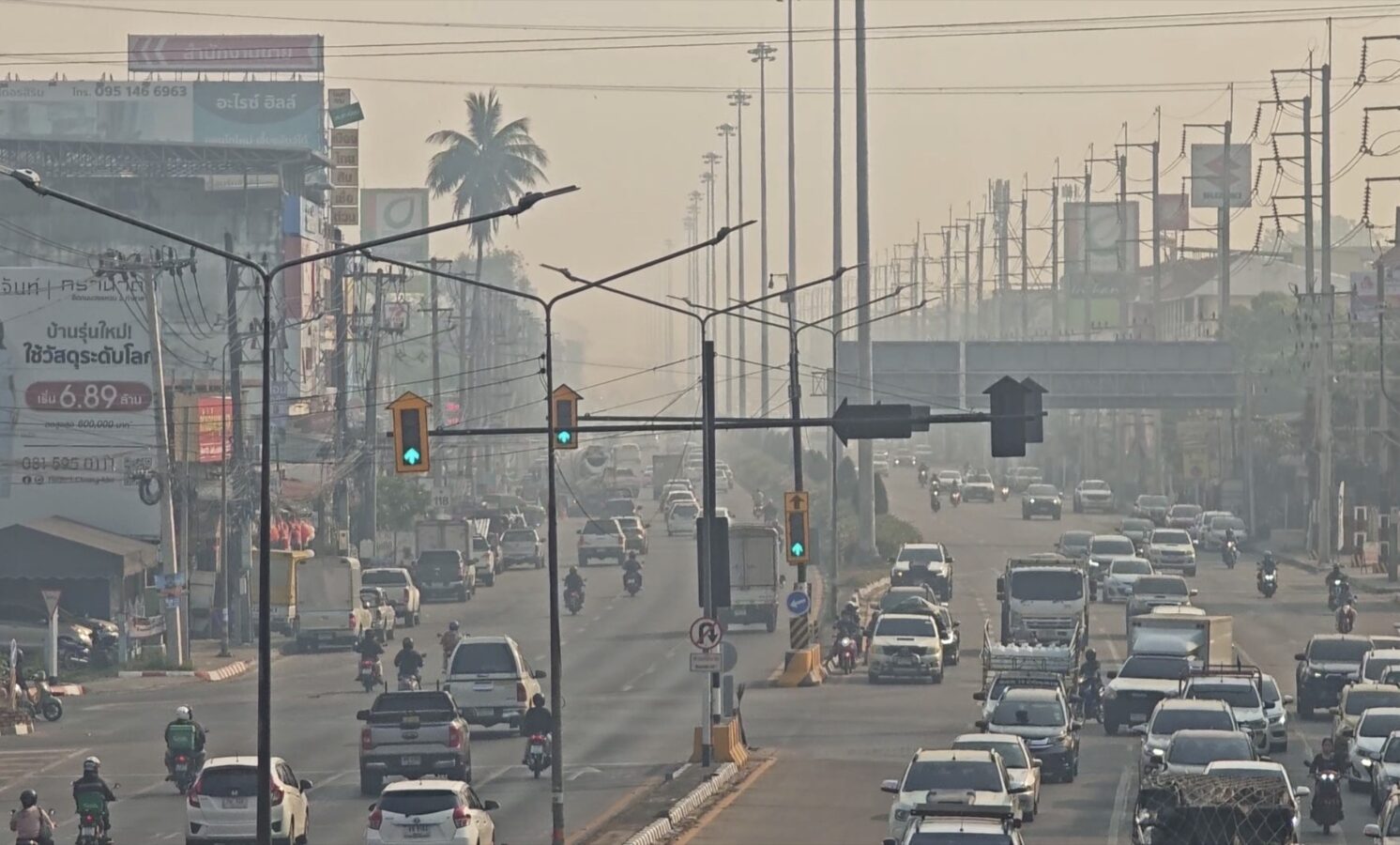
Dr Bodin Chakkaew, Deputy Chief Medical Officer of Chiang Mai Provincial Health Office, urged residents to avoid all outdoor activity. He identified those most at risk as children, the elderly, pregnant women and people with chronic conditions including heart disease, respiratory illness, allergies and asthma. Outdoor workers — vendors, motorcycle taxi drivers, construction labourers and traffic police — as well as smokers face heightened risk of lung and heart complications and were advised to wear masks whenever venturing outside.
Chiang Mai Governor Ratapon Naradit has announced seven emergency measures in response. These include mobilising firefighting teams, requiring construction sites to spray water to suppress dust at least three to four times daily, and expanding a network of “clean air rooms” by recruiting hotels, restaurants and cafés — with locations pinnable online for easy public access. Health teams and village health volunteers are conducting door-to-door outreach, distributing masks and monitoring at-risk residents. Village headmen have been instructed to publicise the legal penalties for burning, and all agencies have been ordered to post daily video updates on social media to demonstrate progress. District-level operations centres must report directly to the provincial command in real time to allow rapid adjustment of strategy.