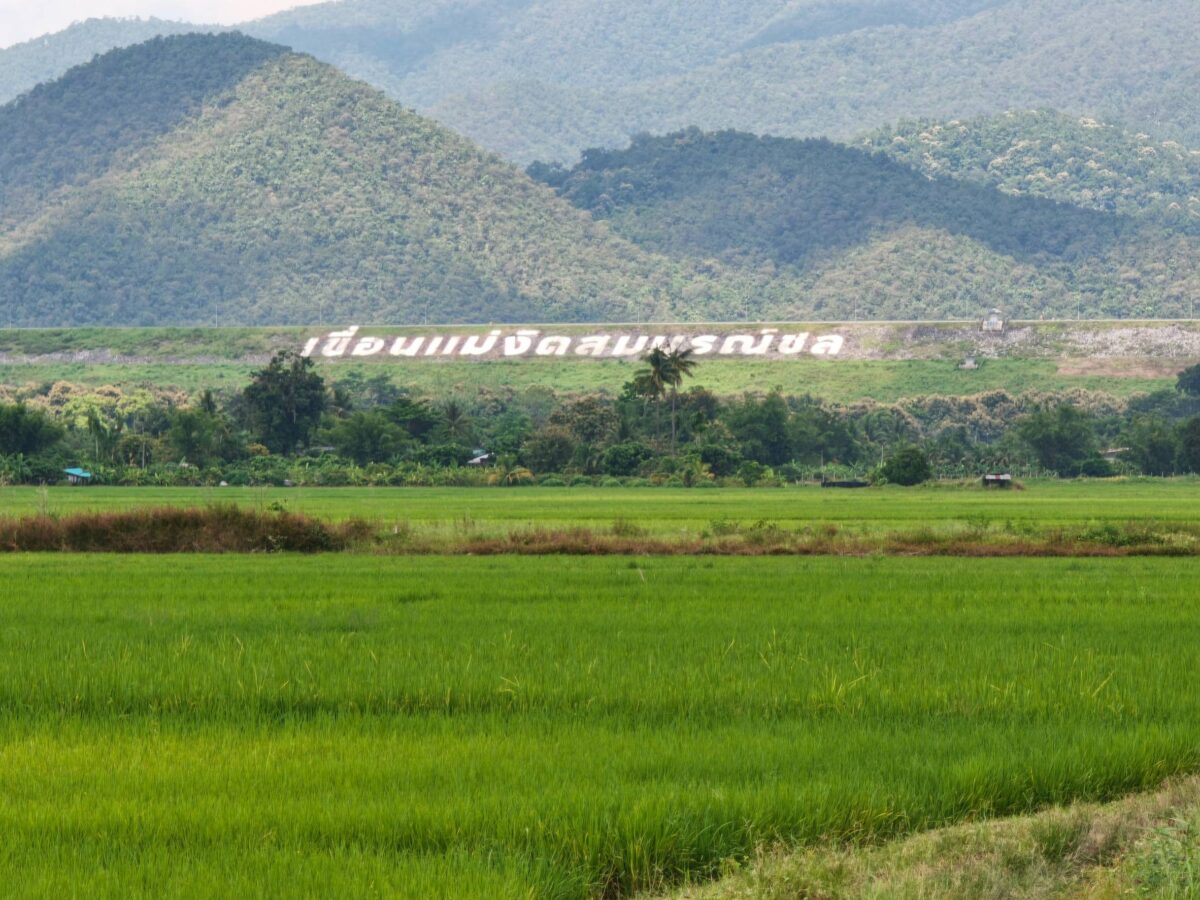
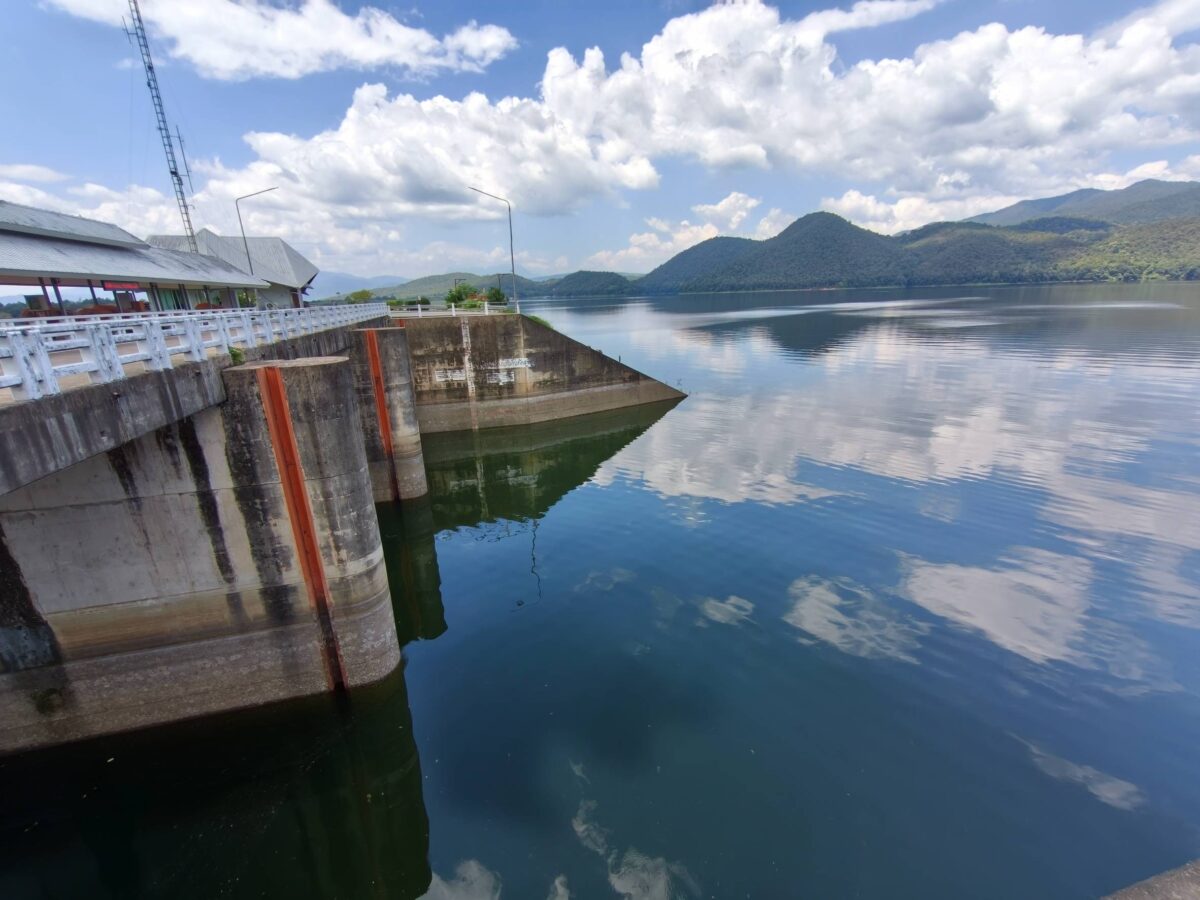
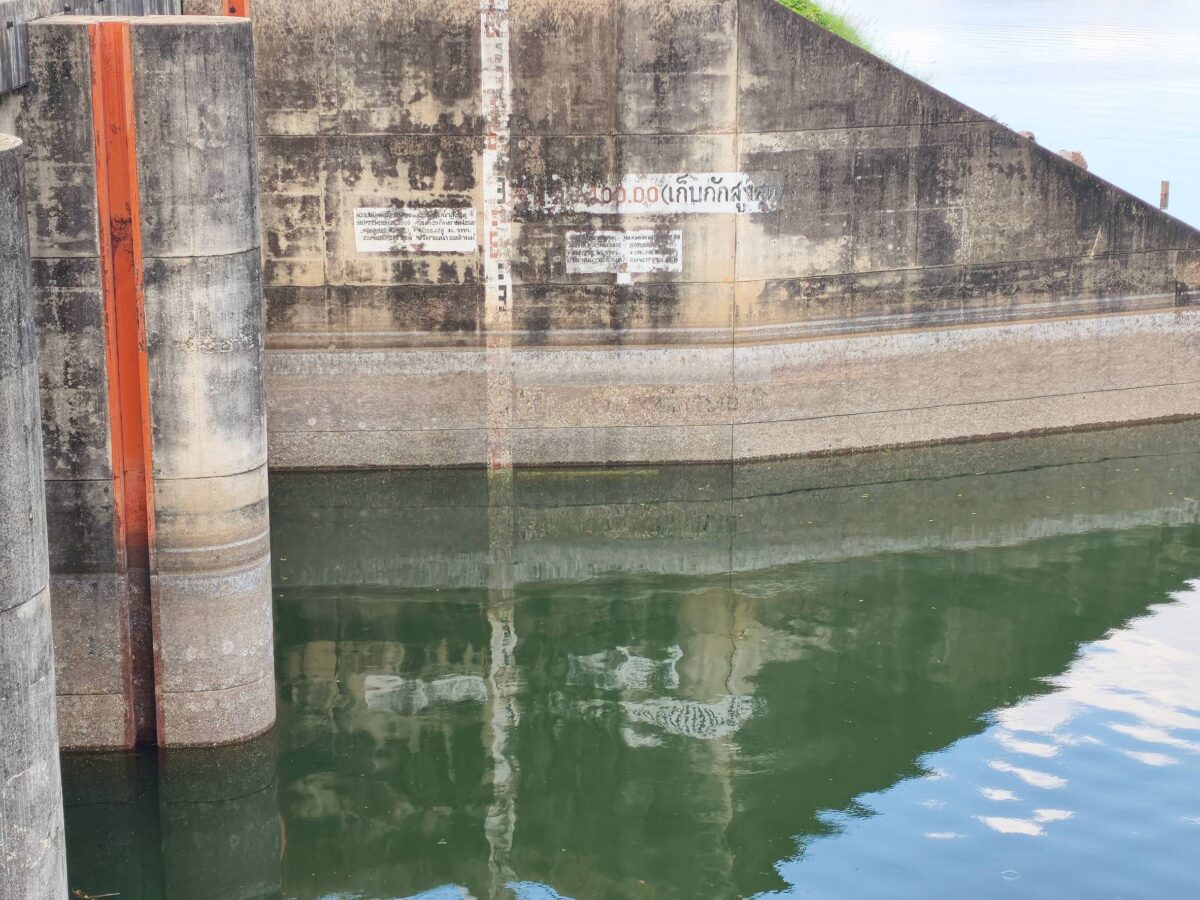
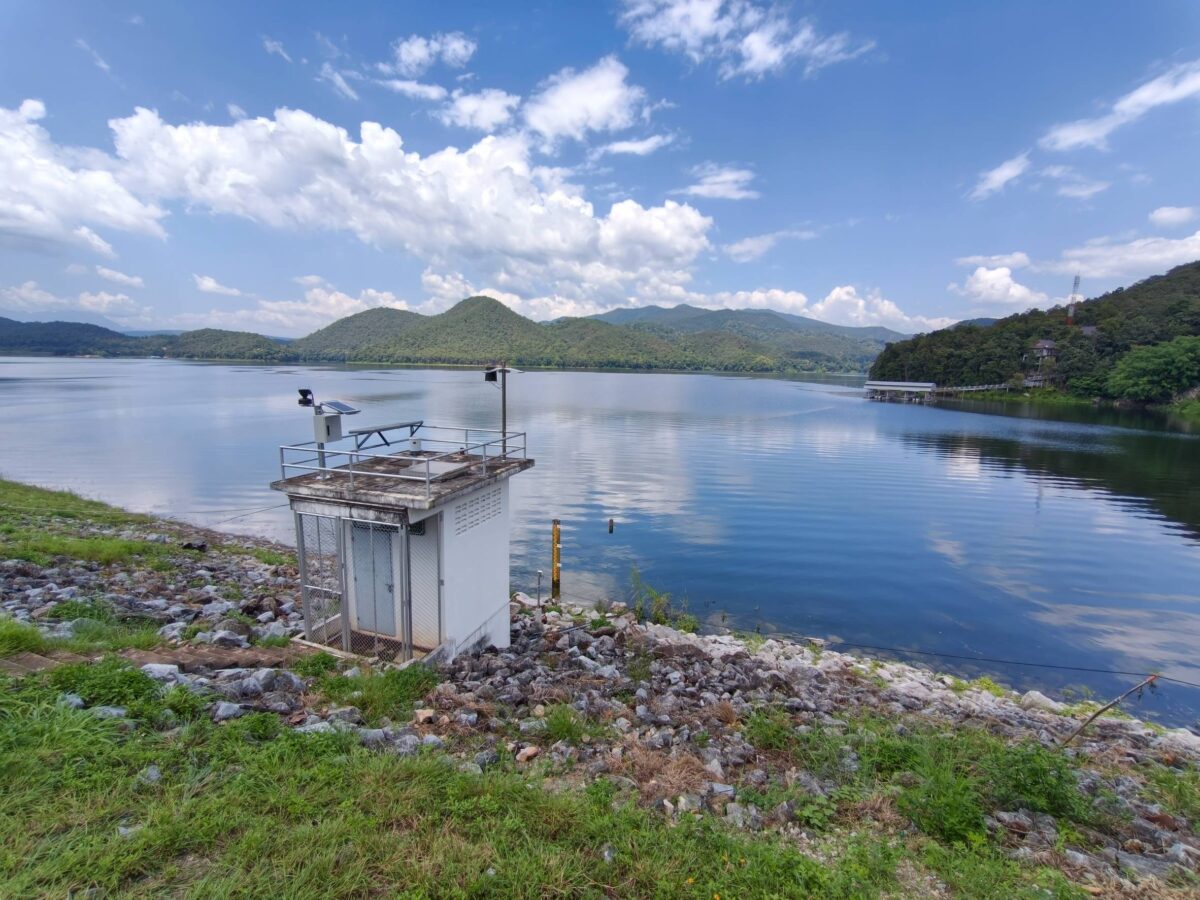
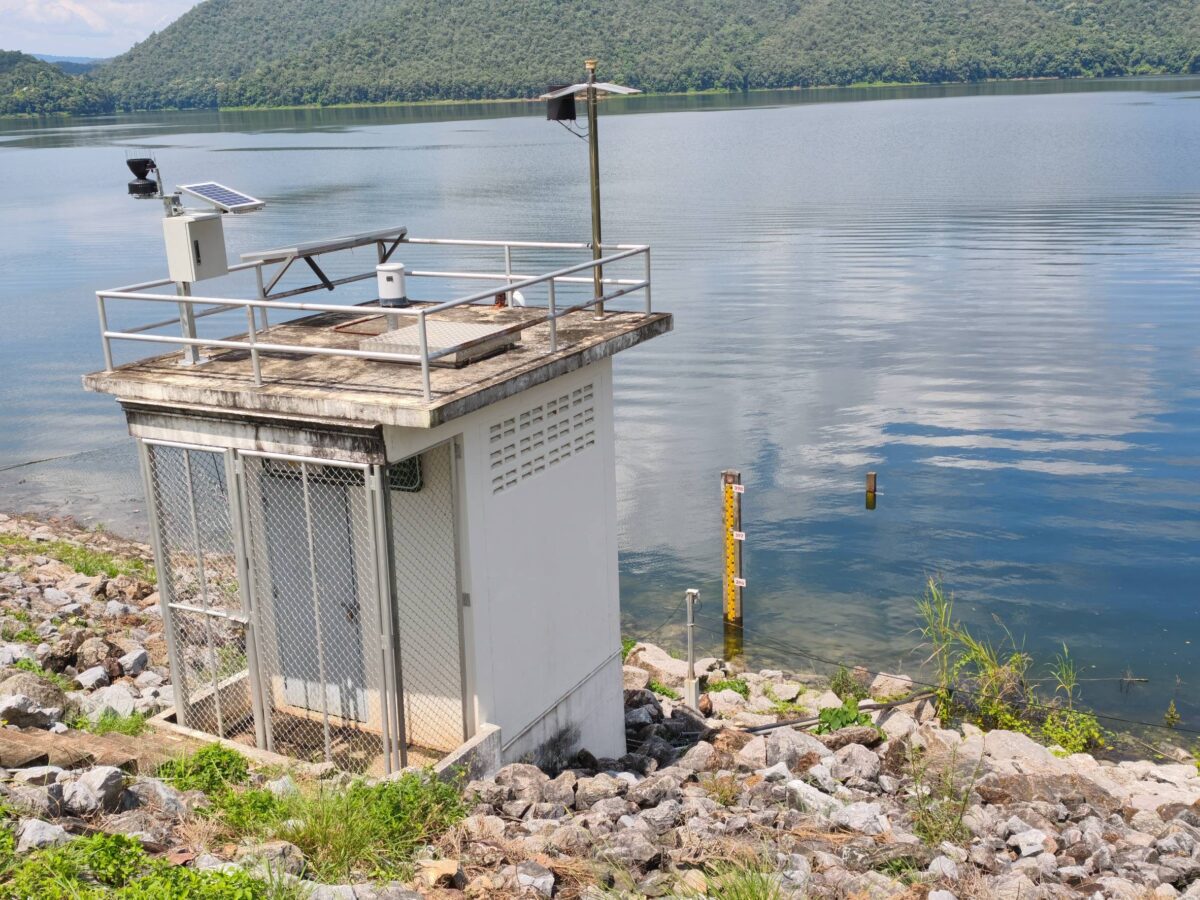
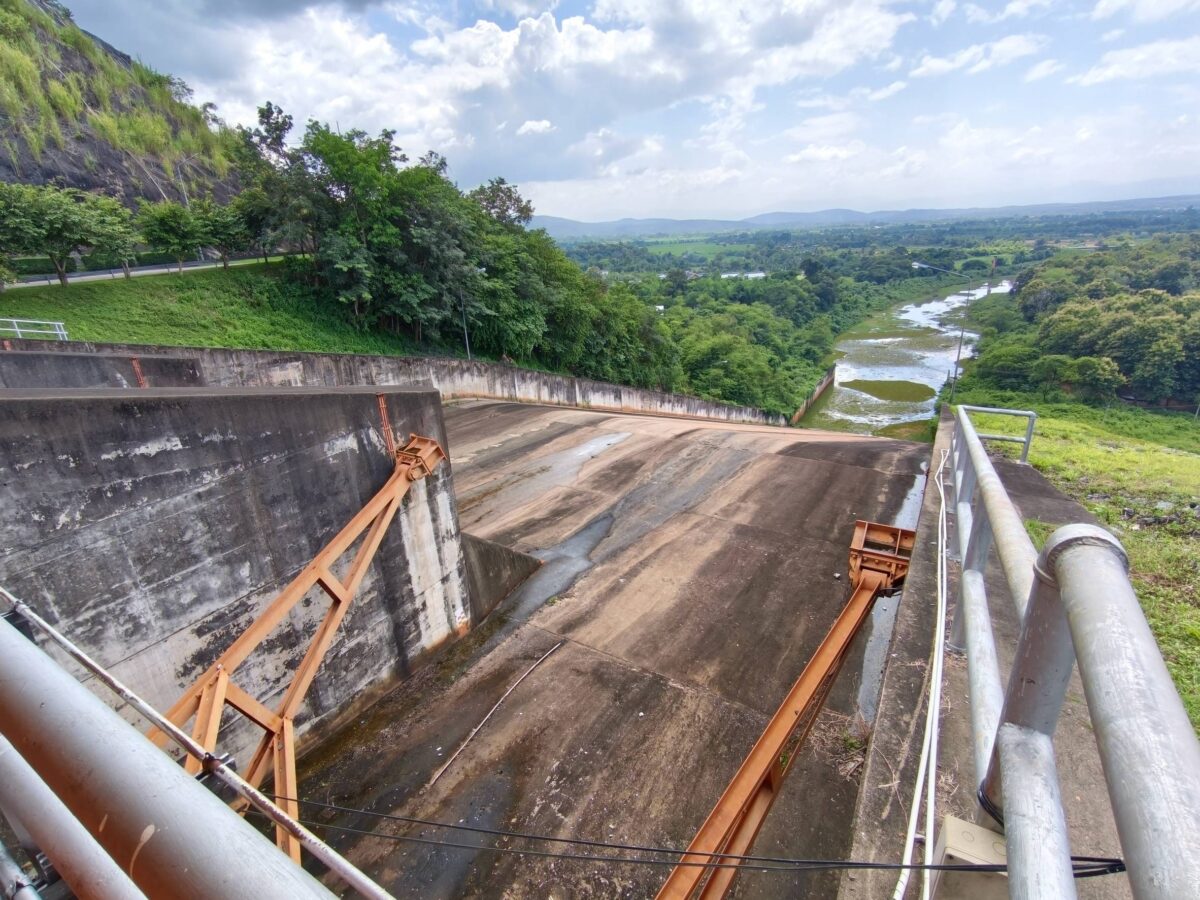
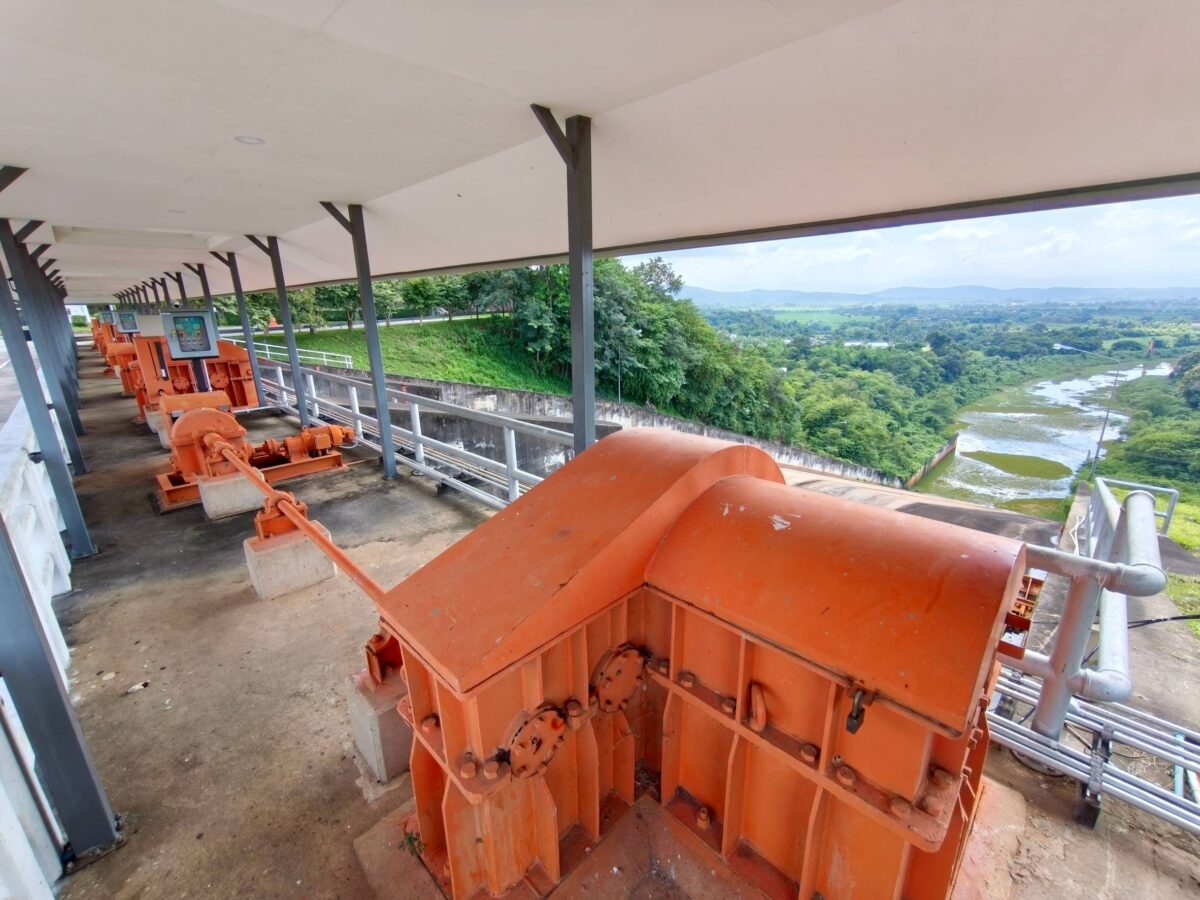
Mae Ngat Dam is sitting at roughly 241 million cubic metres, about 91 percent of capacity, with the dry season officially set to begin November 1st. Officials say that’s enough to get through, though they’re not exactly relaxed about it.
Attaya Annopphet, director of the Mae Faek-Mae Ngat Somboon Chon Irrigation and Maintenance Project, laid out the numbers on September 24th at the project office. Accumulated rainfall this year sits at around 1,211 millimetres, a touch below average. The Meteorological Department’s forecast has the dam topping out near 100 percent, or about 265 million cubic metres, once the rains finish.
Water is still flowing out to the project’s service area and will keep doing so through November. After that, Attaya said, management gets stricter. The goal is to hold enough in reserve to carry through the dry season and into next year’s rains without a gap, particularly if the rains arrive late. The project’s own paddy fields cover about 70,000 rai, but that’s only part of the picture. Between Chiang Mai and Lamphun, more than 200,000 additional rai depend on the dam in one way or another, whether through raw water pumped into the tap water system or through pumping stations strung along both banks of the Ping River, all the way down to the Mae Sop floodgate in Chom Thong district.
Planning for the 2026/2027 dry season will involve both provinces, and Attaya expects the water rotation system used last year to carry over largely unchanged, 21 rounds in total. How much water each round actually delivers depends on how the reserves look closer to the time, since the whole system has to stay balanced against what’s left in the dam.
Last year the dam started the dry season at 105 percent and made it through without trouble, water lasting all the way into the early rains of 2026. This year’s projected 100 percent should be enough too, Attaya said, and he doesn’t expect shortages in either province’s service areas. Still, he’s asking everyone drawing from the dam, farmers included, to use water carefully. Average temperatures are expected to climb and the weather to behave more erratically, with March and April flagged as the riskiest stretch, since higher heat means faster evaporation. There’s also a chance of a dry spell hitting right as next year’s rains are supposed to start, sometime between May and July 2027, which is exactly the kind of gap the reserves need to be ready for.