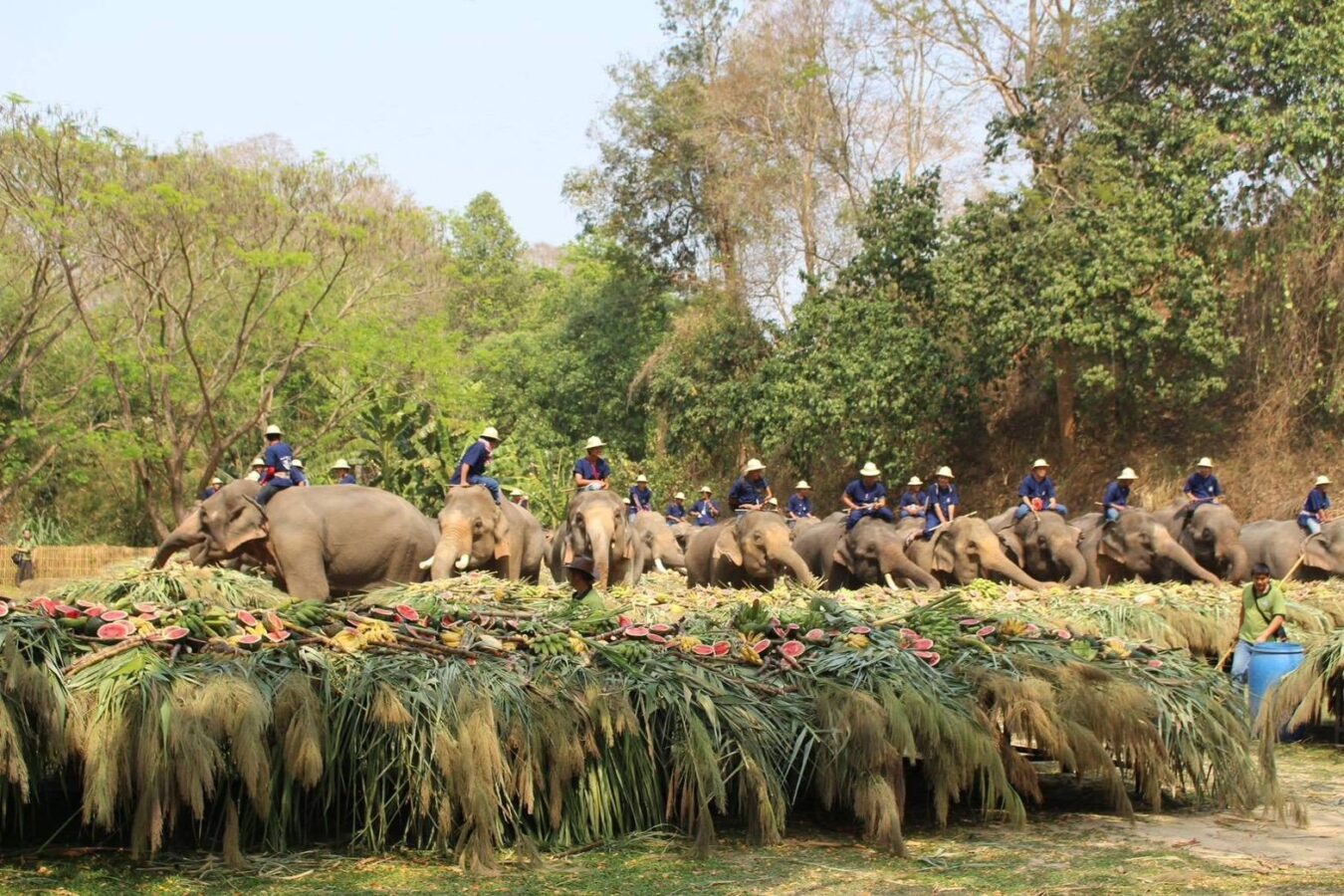
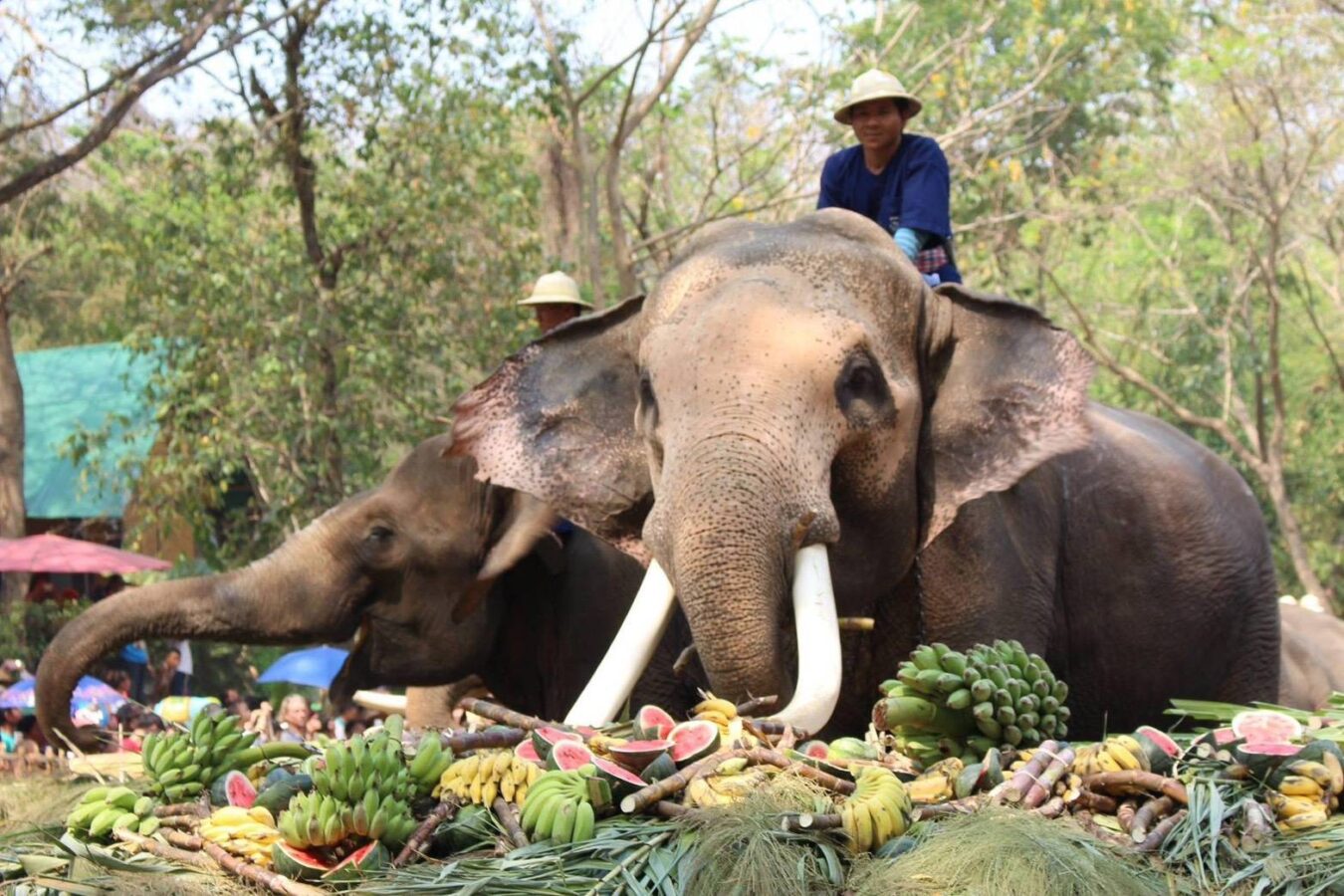
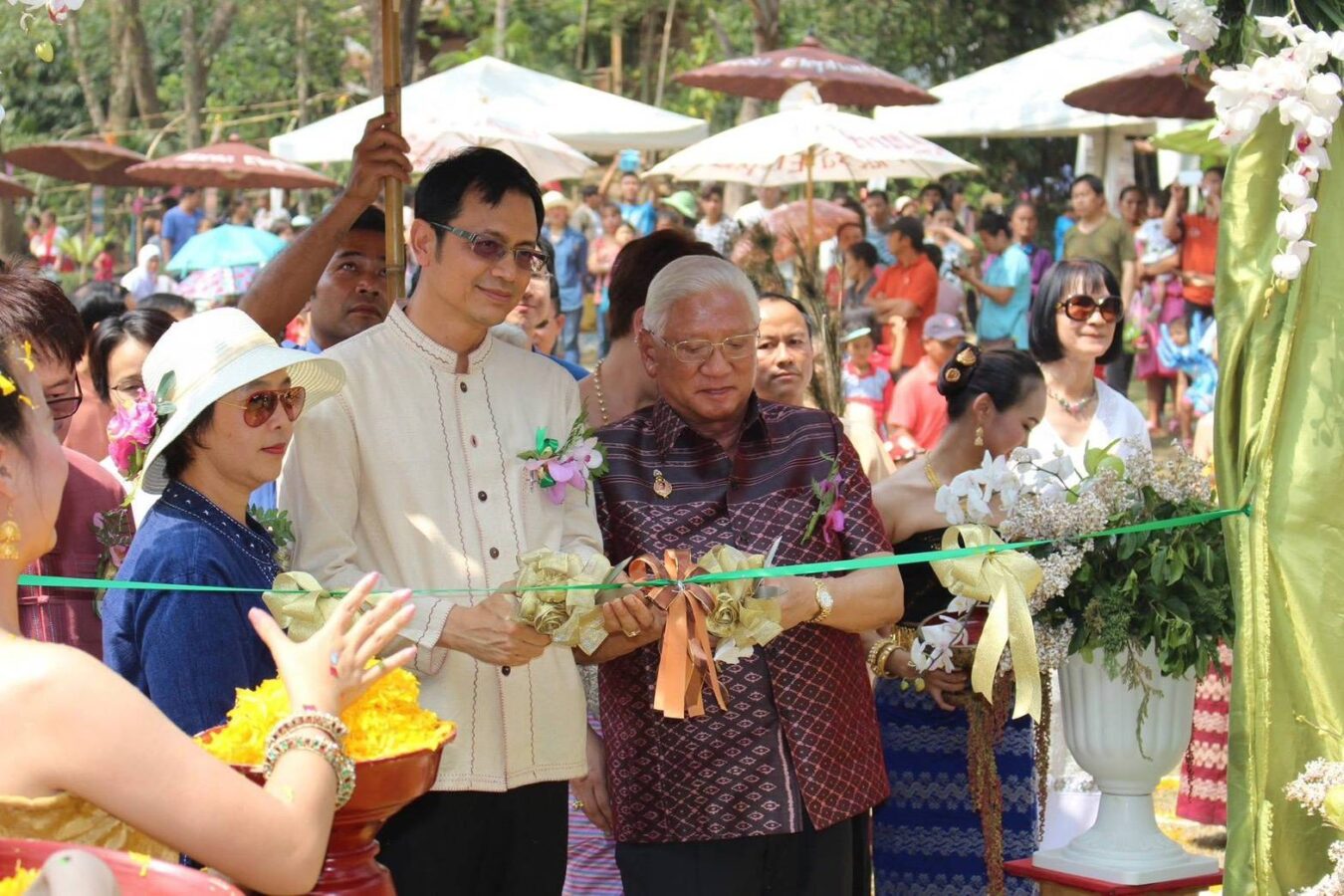
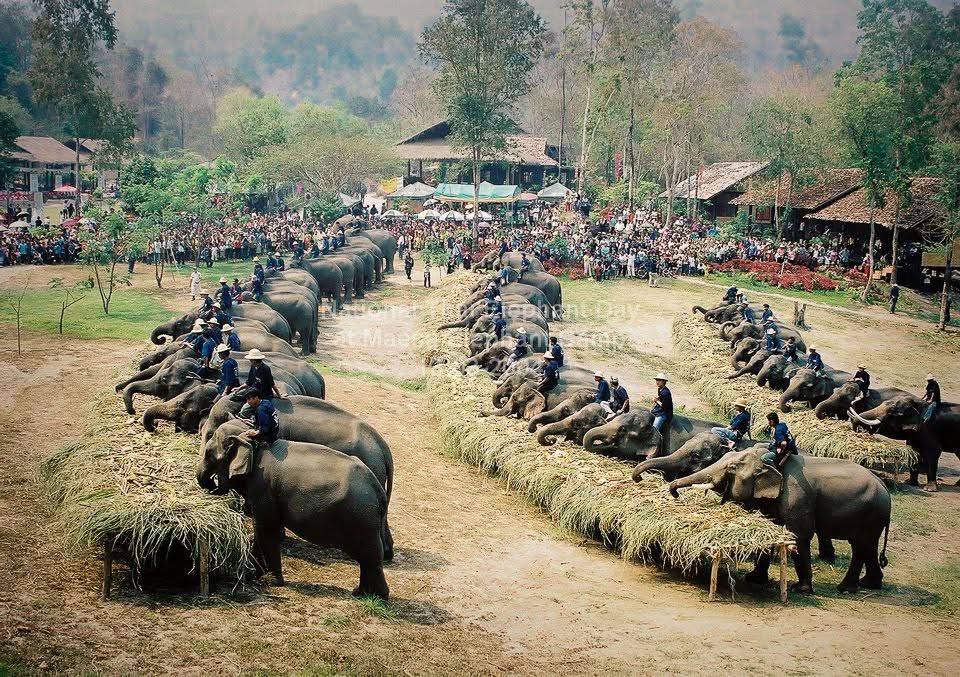
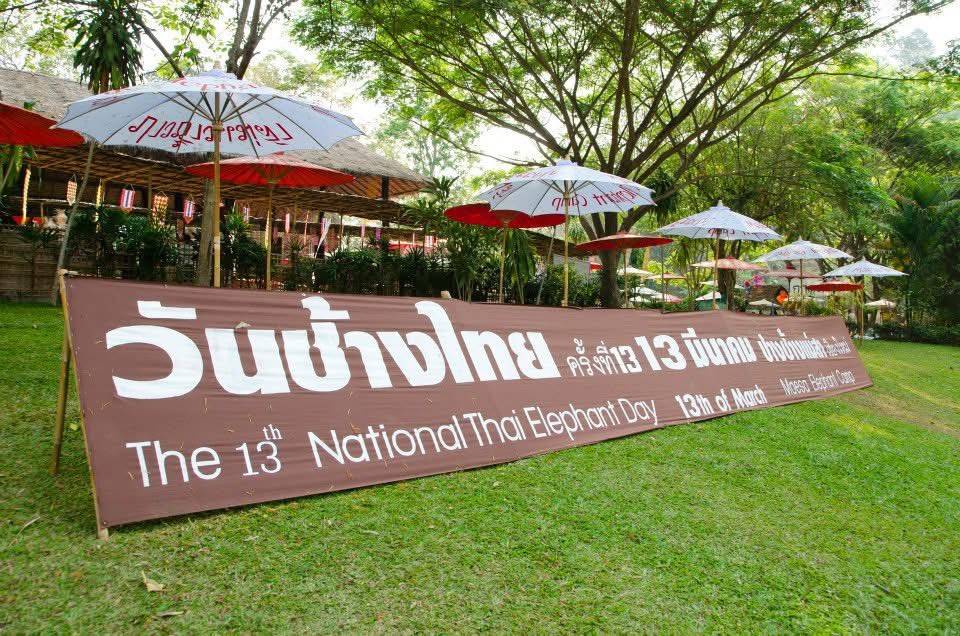
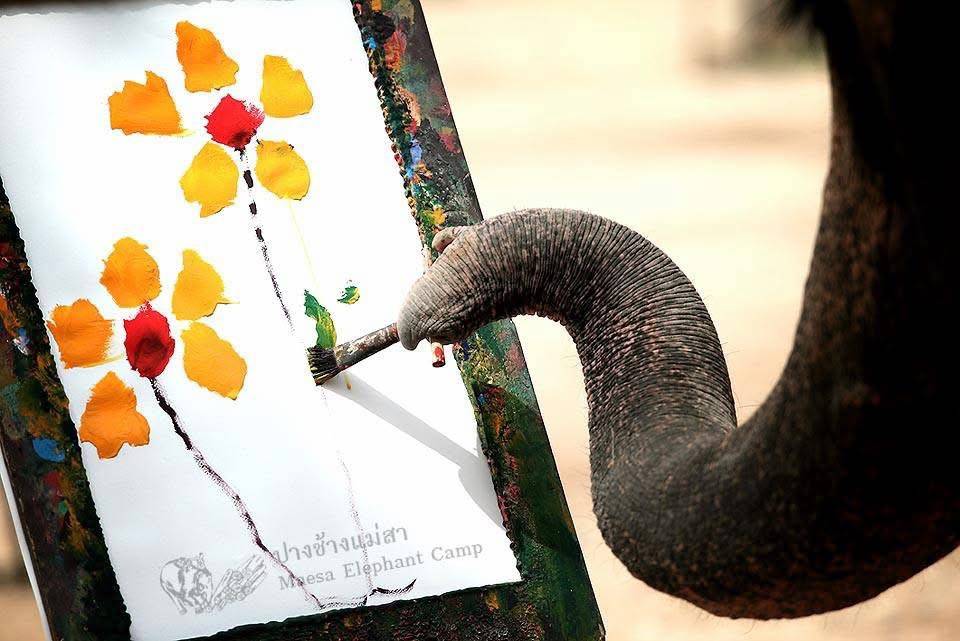
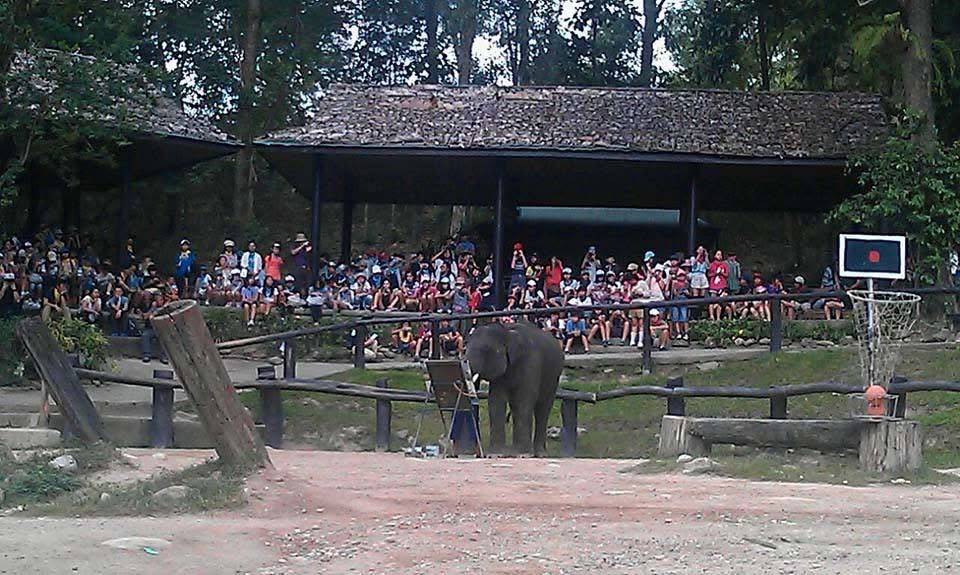
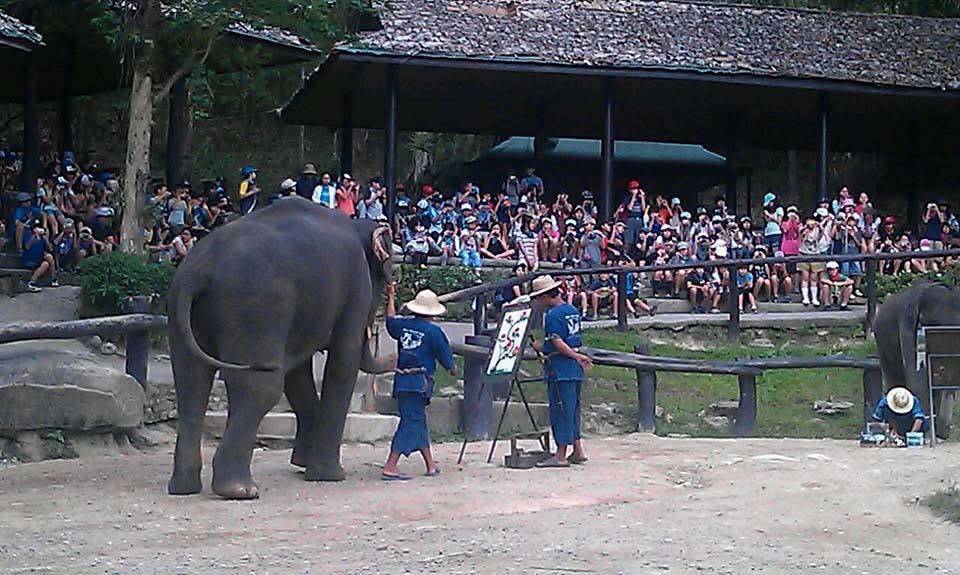
Mae Sa Elephant Camp, one of Chiang Mai’s longest-established tourist attractions, is celebrating its 50th anniversary with plans to revitalise its facilities, expand community partnerships and embrace a more sustainable approach to elephant tourism.
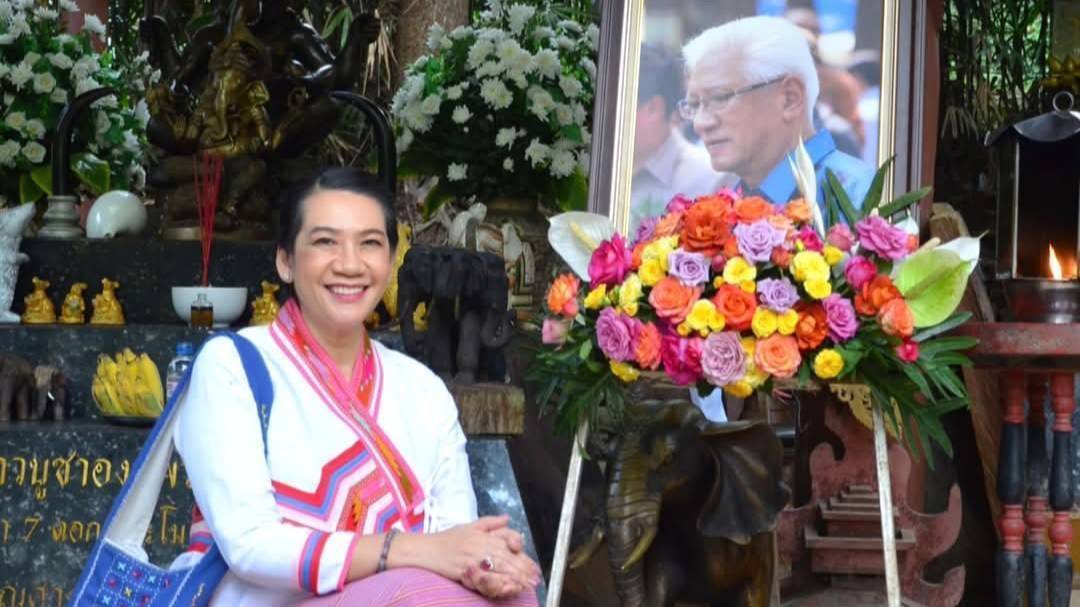
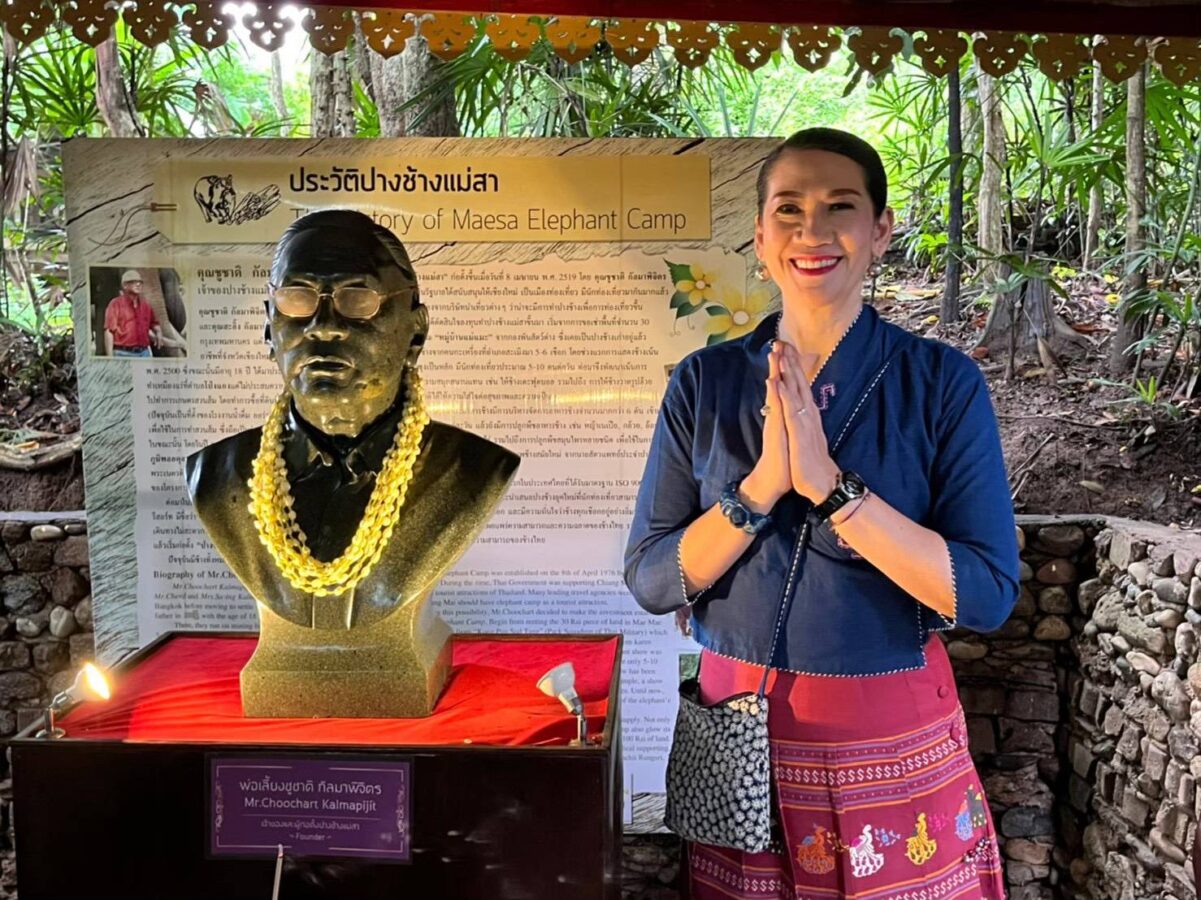
Founded in 1976 by the late Choochart Kalmapijit, Mae Sa Elephant Camp has played an important role in shaping Chiang Mai’s tourism industry for five decades. Now, under the leadership of his eldest daughter, Anchalee Kalmapijit, the camp is preparing to enter its 51st year with renewed ambitions for the future.
Five Decades of Chiang Mai Tourism History
The story of Mae Sa Elephant Camp began with Choochart Kalmapijit’s vision of developing elephant-based tourism in northern Thailand.
According to Anchalee, her father initially established Mae Sa Elephant Camp in 1976 before expanding his operations to Chiang Rai. However, with tourist numbers still relatively low at the time, he made the remarkable decision to bring elephants on foot from Chiang Rai to Tha Phae Mae Taman in Mae Taeng District, travelling along dusty, unpaved roads.
He subsequently introduced elephant rides, ox-cart journeys and bamboo rafting, helping establish some of the region’s earliest organised nature-based tourism experiences.
His initiatives created employment opportunities for hundreds of local residents, eventually connecting tourism programmes between Mae Sa and Mae Taman elephant camps. At their peak, the operations supported more than 400 employees while generating income for surrounding communities.
In 2003, Choochart further expanded his commitment to community development by establishing Baan Tong Luang, a cultural village designed to provide livelihood opportunities for ethnic minority families.
The village brought together eight ethnic communities, including Lahu, Hmong, White Karen, Long-Neck Karen, Dara-ang (Palaung), Yao, Kayaw and Akha, promoting traditional handicrafts, agriculture and cultural learning while helping participating families generate income.
Overcoming the Challenges of COVID-19
Following Choochart’s passing in 2019, Anchalee took responsibility for continuing the family legacy at a particularly challenging time.
The COVID-19 pandemic, which severely affected Thailand’s tourism industry between 2020 and 2022, brought unprecedented difficulties to Mae Sa Elephant Camp. Repeated closures and a collapse in visitor numbers resulted in financial losses of approximately 60 million baht.
During this period, Anchalee was also serving as President of the Mukdahan Provincial Red Cross Chapter alongside her husband, then-Governor Worayan Bunyarat, requiring her to divide her time between Chiang Mai and Mukdahan for more than three years.
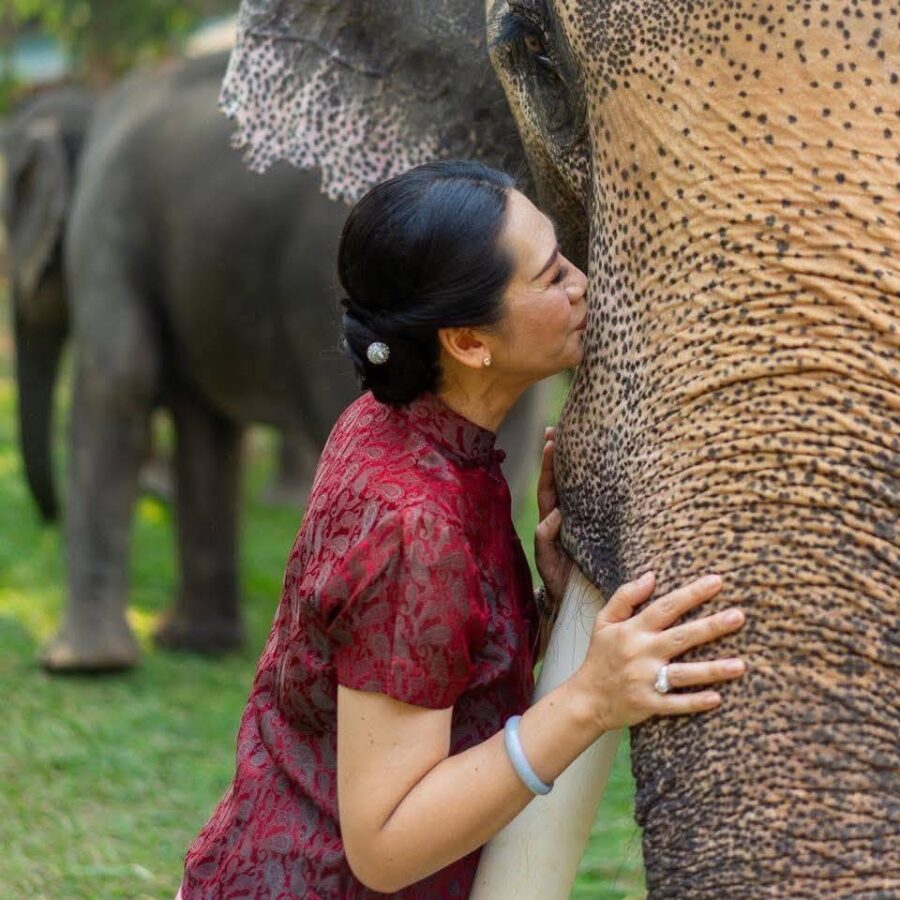
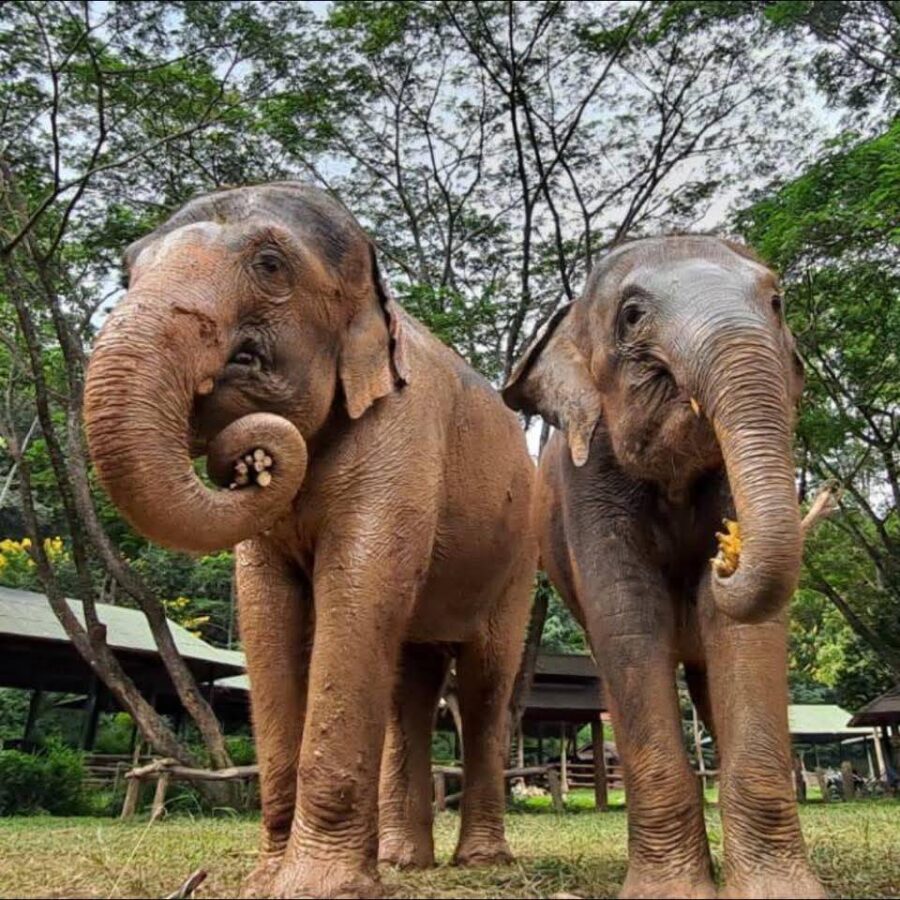
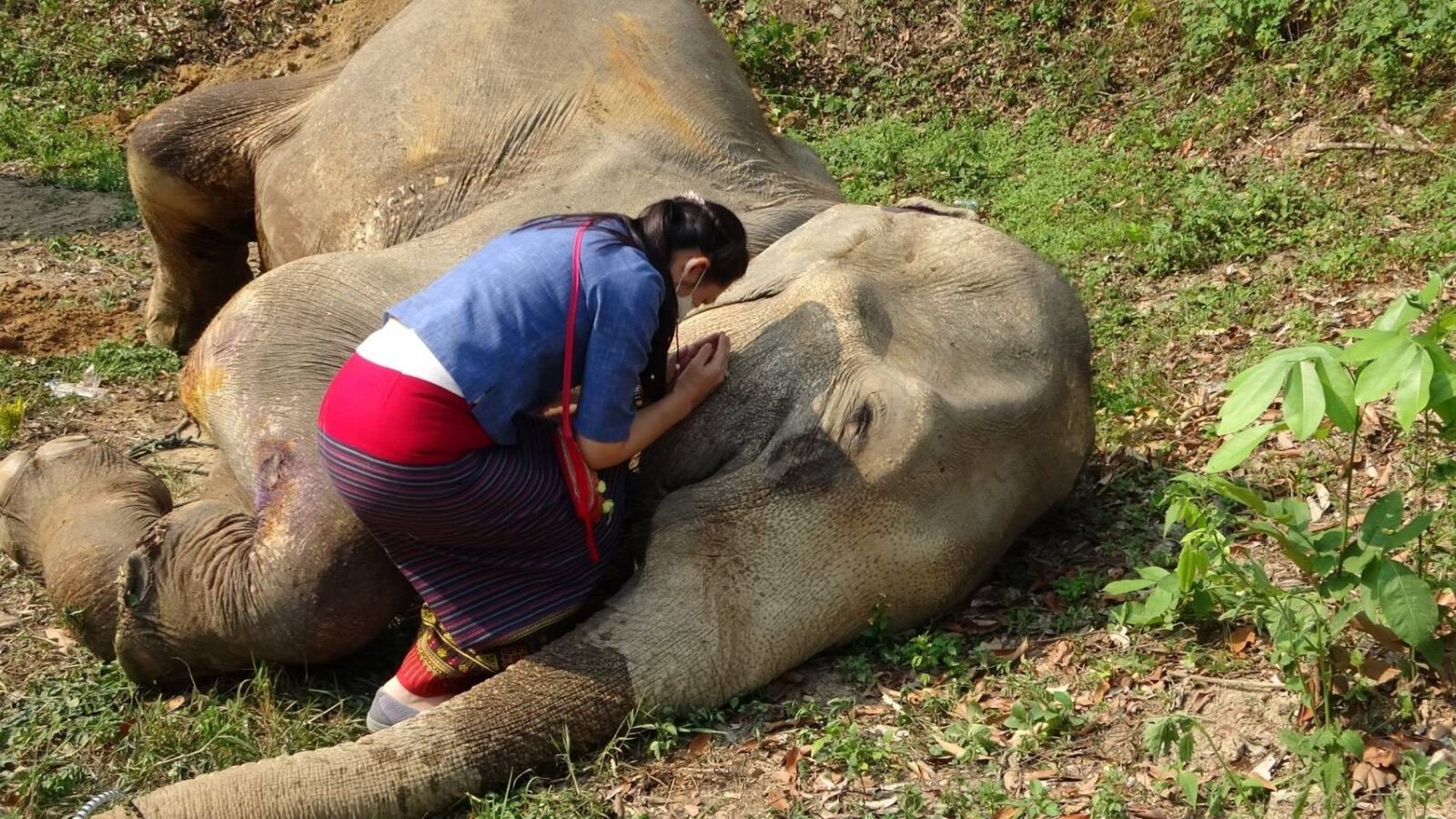
Despite these responsibilities, she continued working to keep the elephant camp operating and ensure the welfare of its elephants.
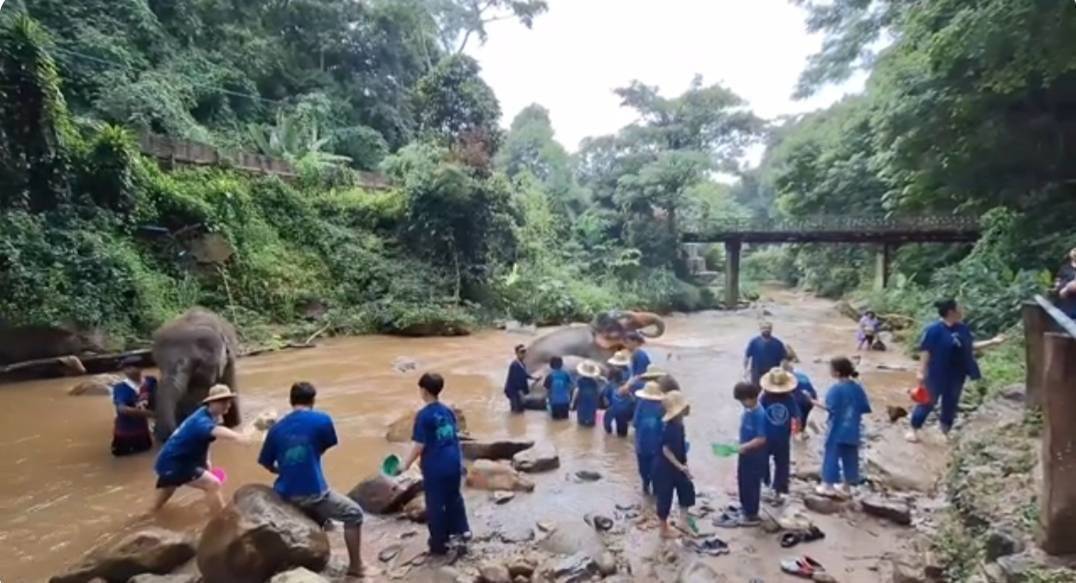
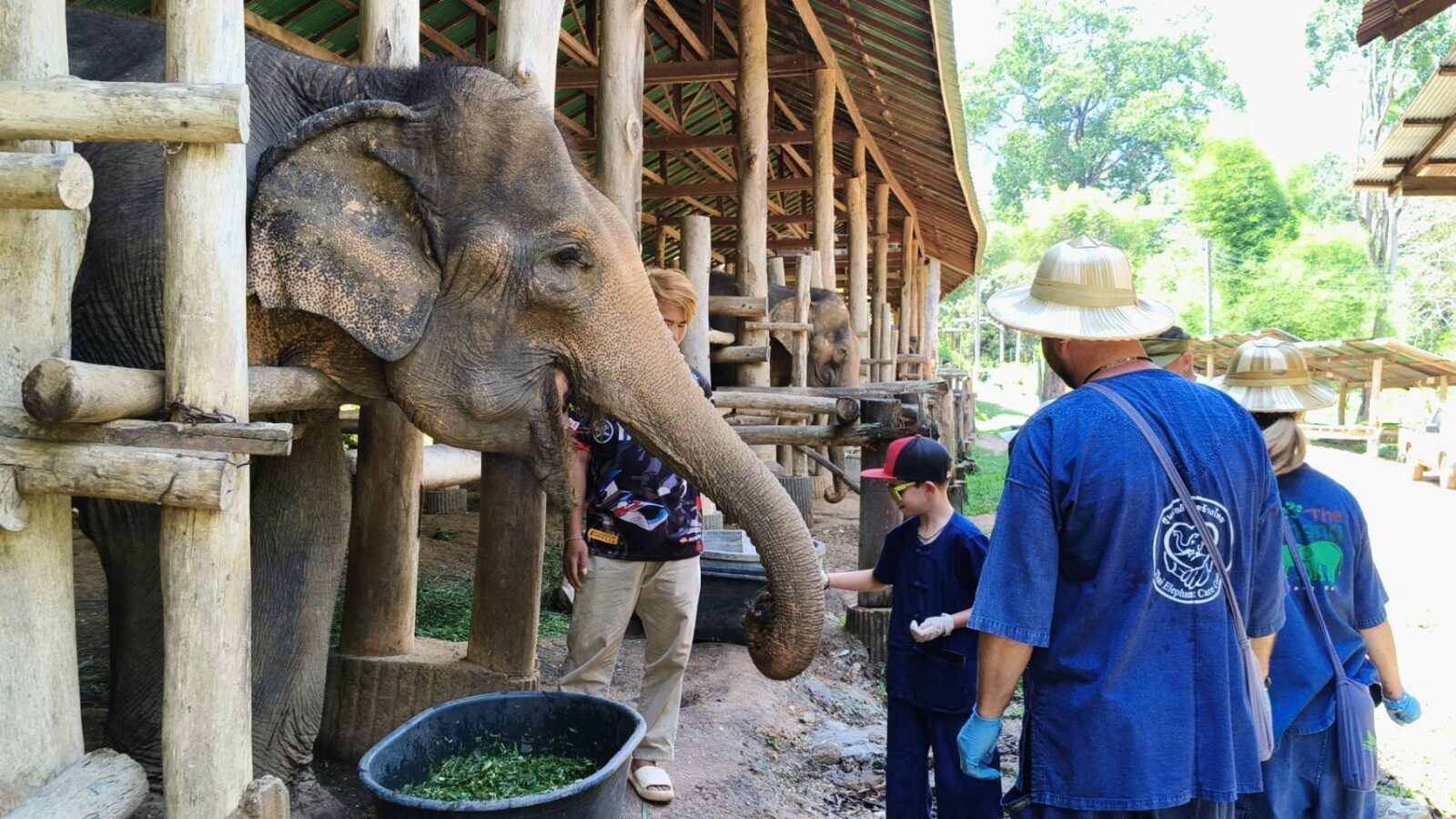
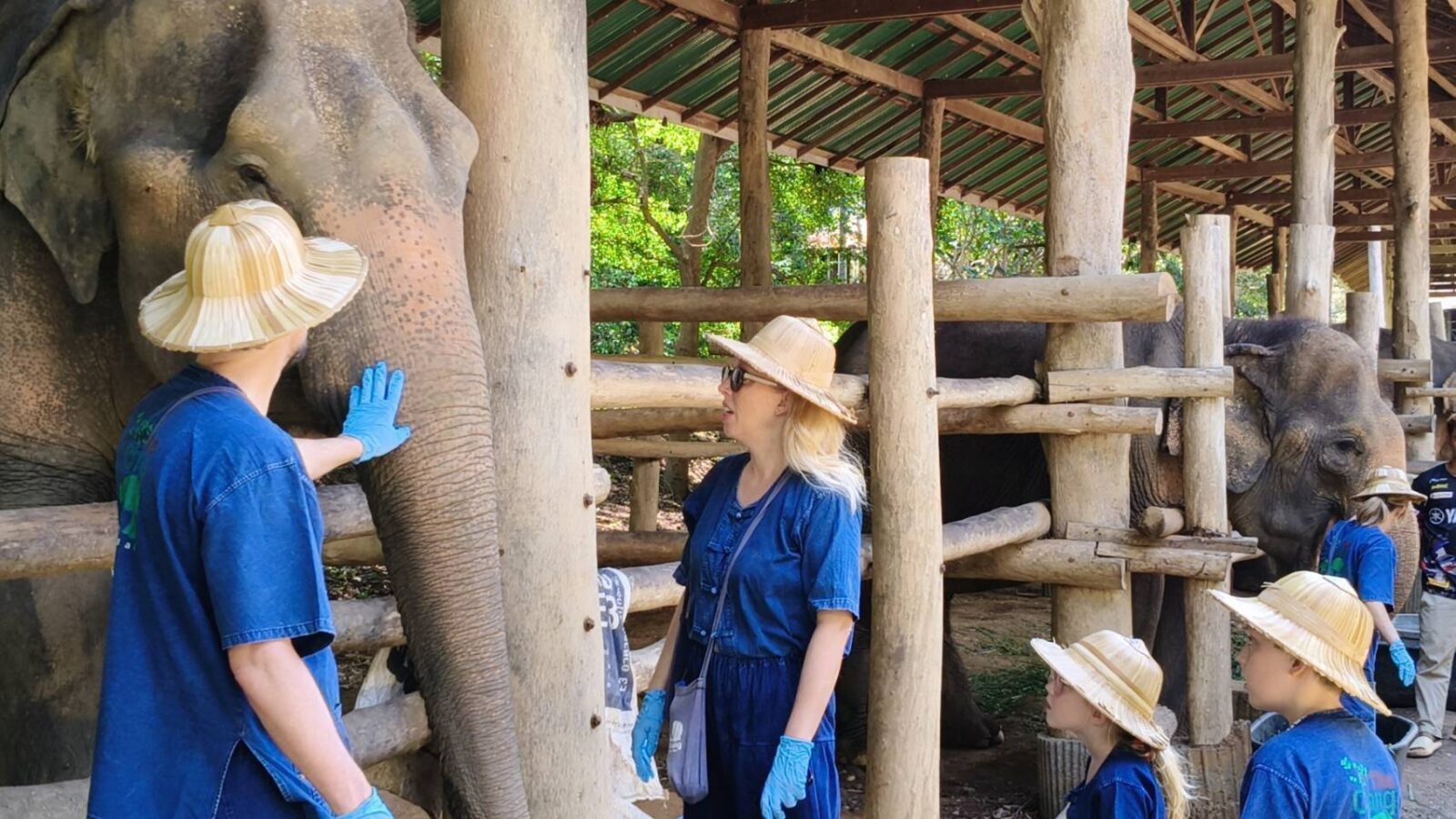
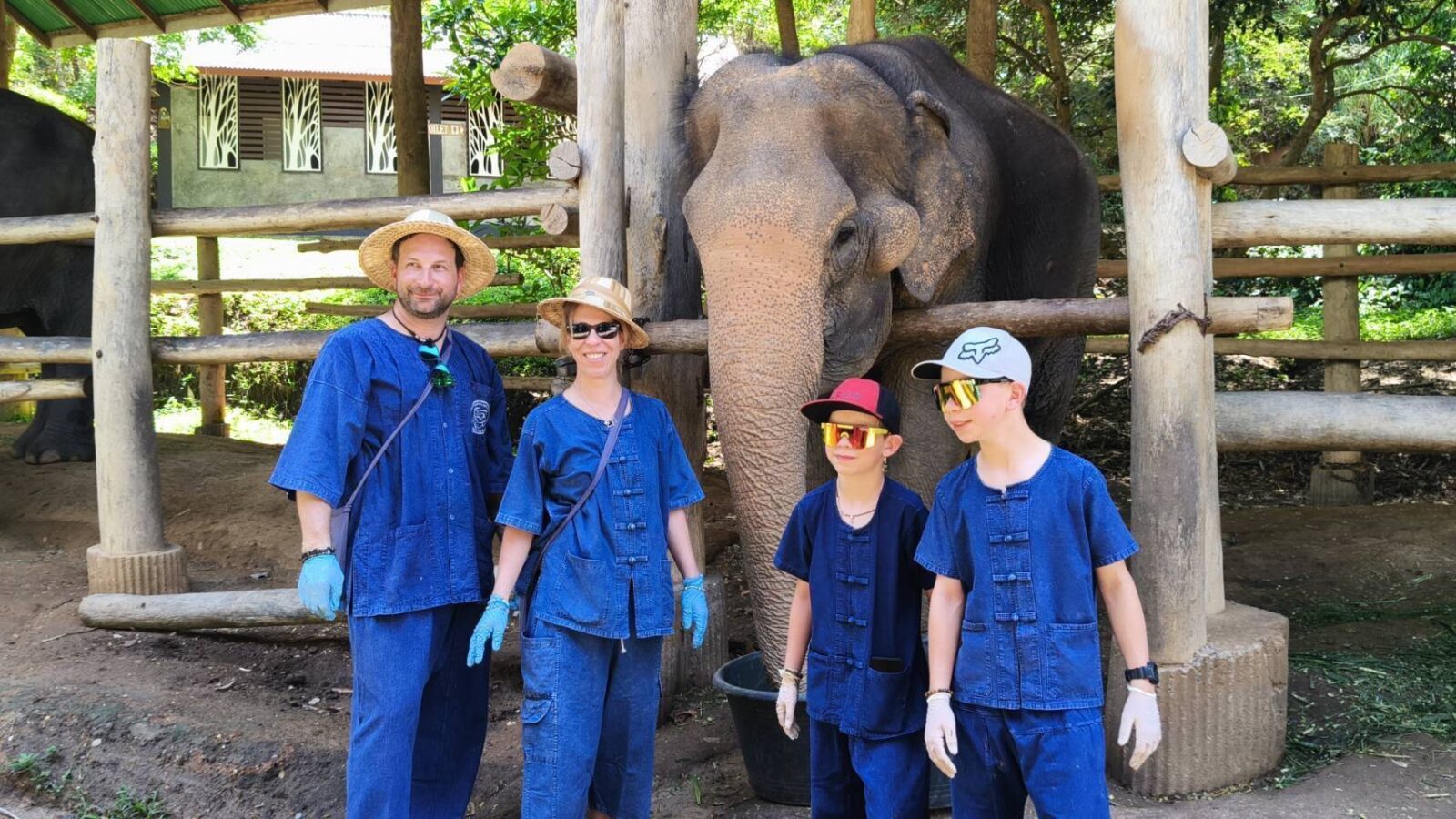
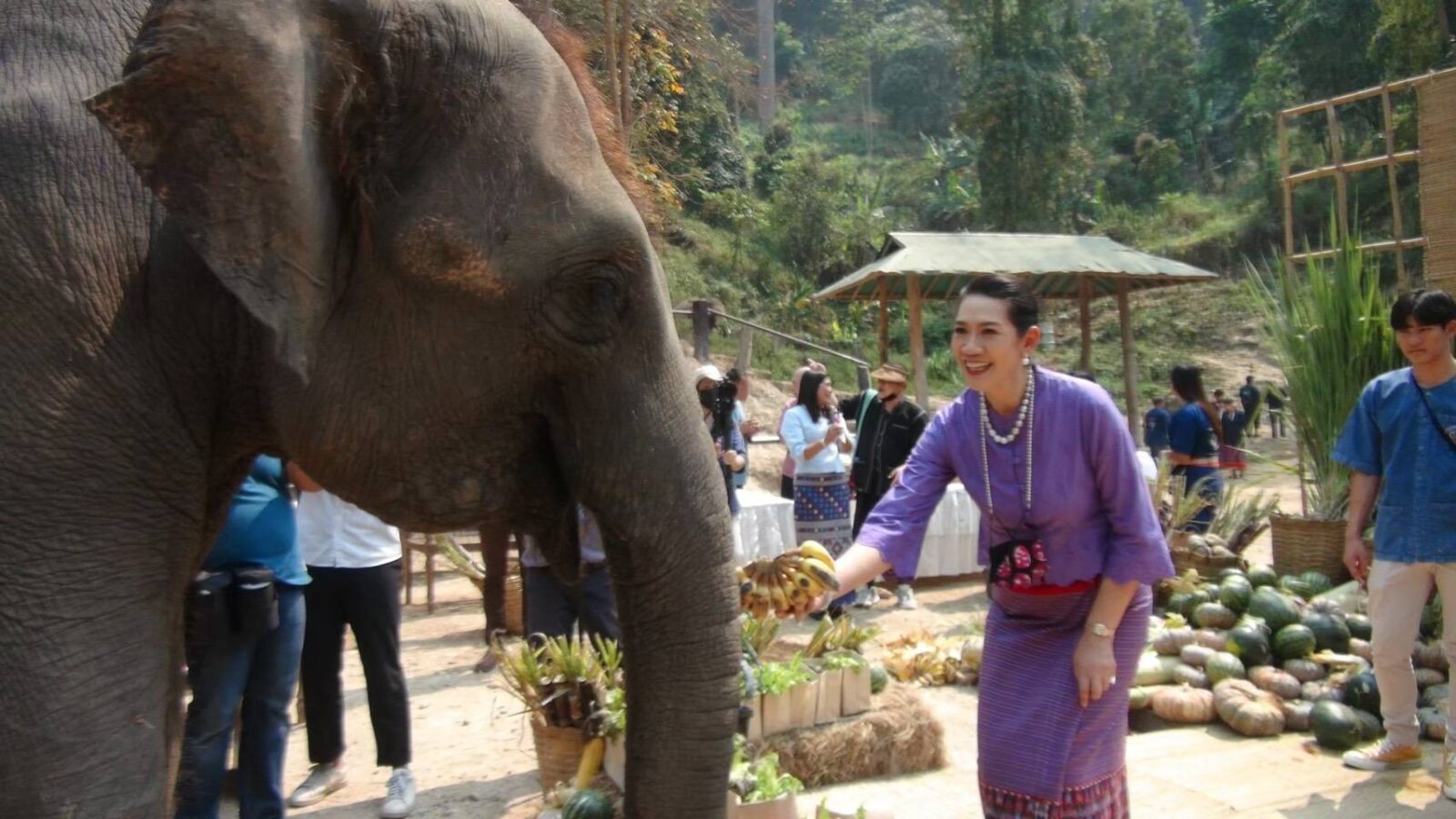
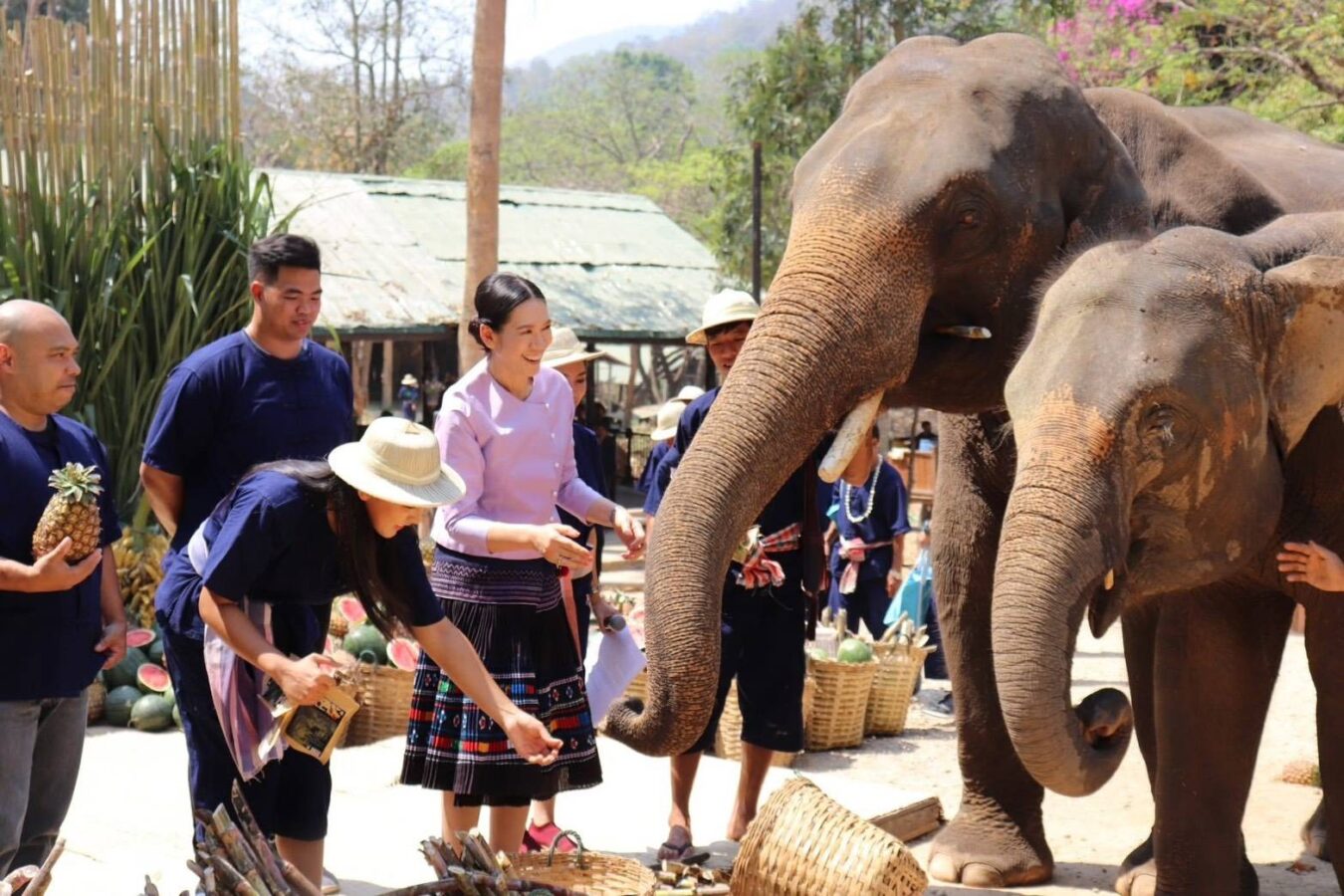
Among the measures introduced was free admission for visitors, with donations encouraged to help cover the cost of elephant food. As tourism gradually recovered, the camp adapted its programmes towards closer interaction with elephants and more care-focused visitor experiences.
A New Vision for the 51st Year
As Mae Sa Elephant Camp enters its next chapter, Anchalee has outlined a redevelopment strategy aimed at revitalising the destination while responding to changing expectations in the tourism industry.
Beginning in November 2026, the camp plans to renovate its landscaping, buildings and visitor facilities in preparation for Chiang Mai’s high tourist season.
The longer-term vision is to develop Mae Sa Elephant Camp into an elephant conservation and learning centre, where visitors can gain a greater understanding of Thai elephants while enjoying experiences connected to local culture and nature.
The camp also intends to welcome partnerships with established cafés, restaurants, OTOP producers and local handicraft businesses, creating a new community space that supports local entrepreneurs and broadens the visitor experience.
Cultural tourism will form another important part of the development. Planned activities include bringing together elephants, mahouts and ethnic communities for traditional rice-harvesting activities at Baan Tong Luang, offering visitors opportunities to experience local agricultural traditions and community life.
Special 50th Anniversary Admission Rates
To celebrate its golden anniversary and encourage domestic tourism, Mae Sa Elephant Camp has announced special admission rates for a five-month period, from 1 December 2026 to 30 April 2027.
– Thai visitors: 50 baht per person (elephant food baskets not included).
– International visitors: 300 baht per person (including an elephant food basket).
The anniversary promotion is intended to make the camp more accessible to Thai visitors while helping stimulate tourism and local economic activity.
Continuing a Legacy of People, Elephants and Community
For Anchalee, the next chapter of Mae Sa Elephant Camp is about more than restoring a well-known tourist attraction. It is about preserving her father’s legacy while adapting to a changing world.
From its pioneering beginnings in 1976 to the financial hardships of the pandemic, Mae Sa Elephant Camp has witnessed some of the most significant changes in Chiang Mai’s tourism history.
Now, as it celebrates half a century, the camp is looking ahead with plans to strengthen elephant welfare, support local livelihoods and develop new opportunities for sustainable tourism.
After 50 years, Mae Sa Elephant Camp hopes to remain an important part of Chiang Mai’s tourism landscape — not only as a place where visitors can encounter elephants, but as a destination that brings together people, culture, community and nature for generations to come.