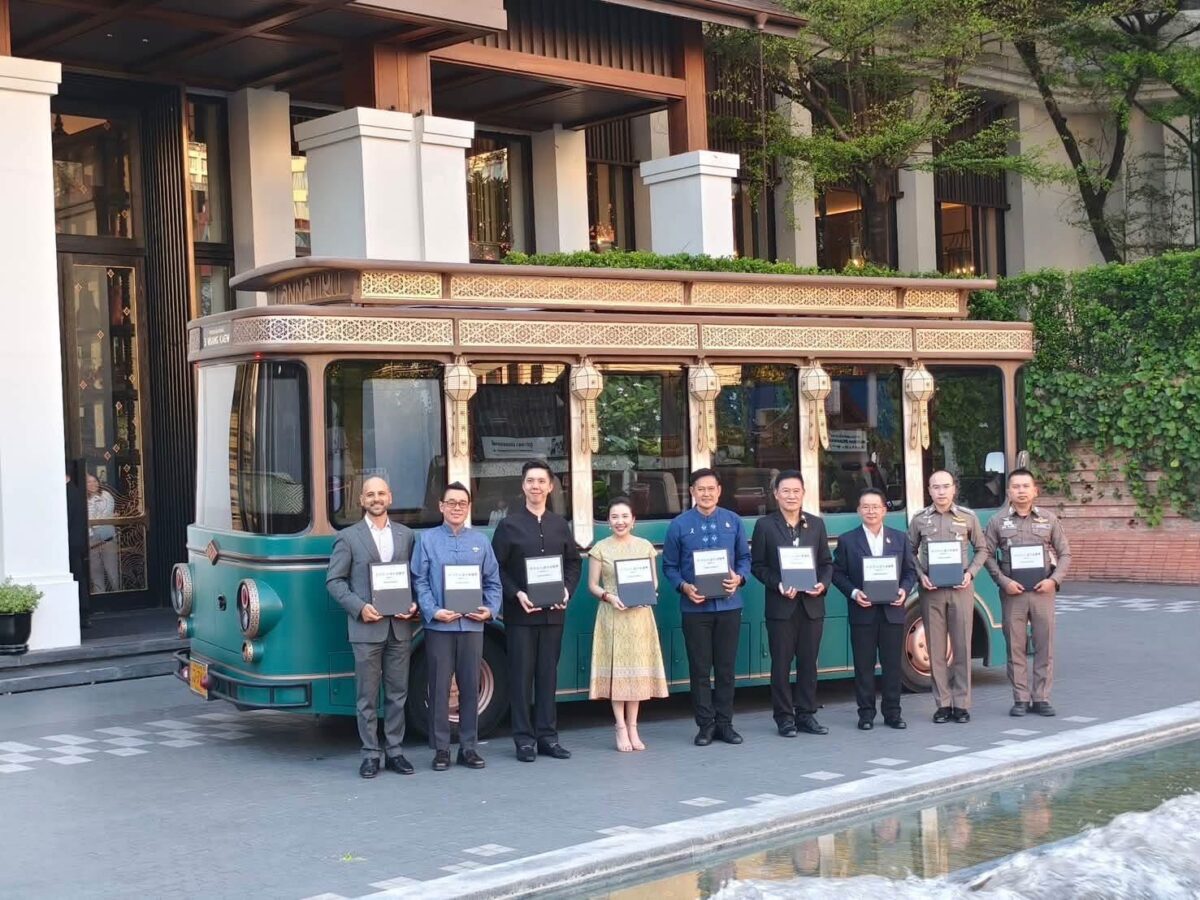
Chiang Mai’s governor, its mayor, a listed property giant and the tourism authority put their names to a memorandum of understanding on Tuesday afternoon, promising to turn the city into a “city of life and prosperity” and a destination known around the world.
The signing took place on October 20 at about 5pm. Asset World Corp (AWC) was represented by chief executive Wallapa Traisorat. Governor Thotsaphon Phuenudom signed alongside Phichai Lertphongadisorn, president of the Chiang Mai Provincial Administrative Organisation, and Chiang Mai mayor Atsani Burunupakorn. Manop Phutthawong, the provincial transport chief, and Keng Chaiwarin, director of the Tourism Authority of Thailand’s Chiang Mai office, also joined the ceremony.
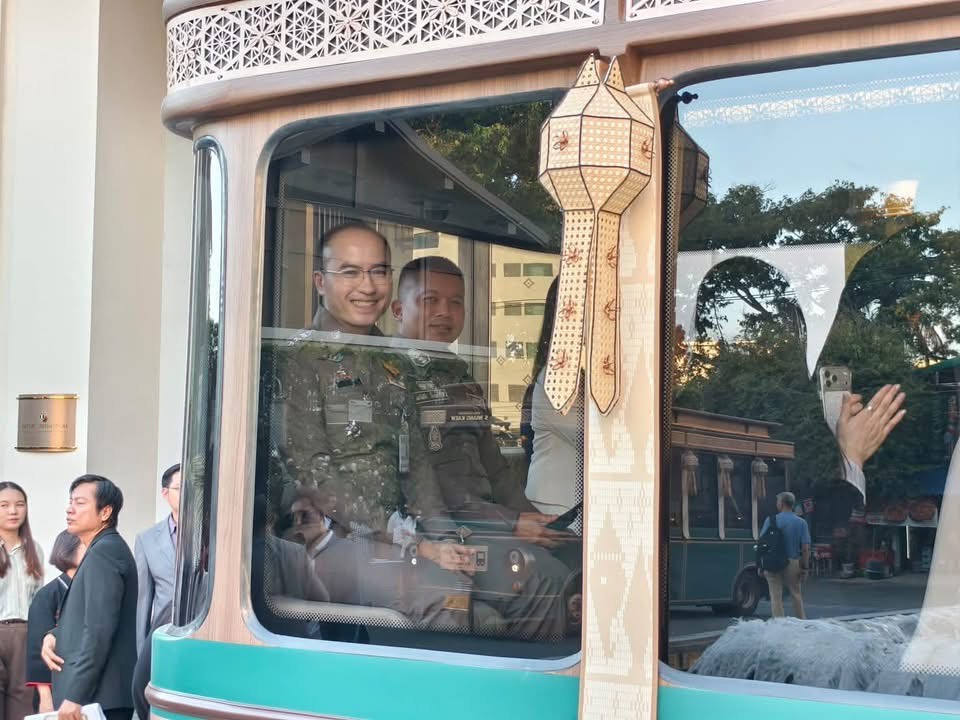
Chiang Mai police were there as honorary witnesses. Provincial police commander Maj Gen Yutthana Kaenchan sent his deputy, Pol Col Phuwanat Duangdee, and Pol Col Manatchai Inthuean, who heads the traffic division.
The timing is deliberate. This year marks 730 years since the city was founded, and the parties say they want to use the anniversary to look ahead rather than back. The wording leans heavily on the usual vocabulary, with a strong economy, good quality of life and international competitiveness, all while keeping the city’s identity, culture and nature intact. How those last two sit alongside the first three is not spelled out.
The agreement rests on three pillars, framed by the phrases “Social Enterprise” and “Building Better Future”. The first is joining up public and private expertise to develop the city. The second is better public transport and getting around, with a link-up between transport networks and “smart city” technology. The third is spreading tourism income to local businesses and communities.
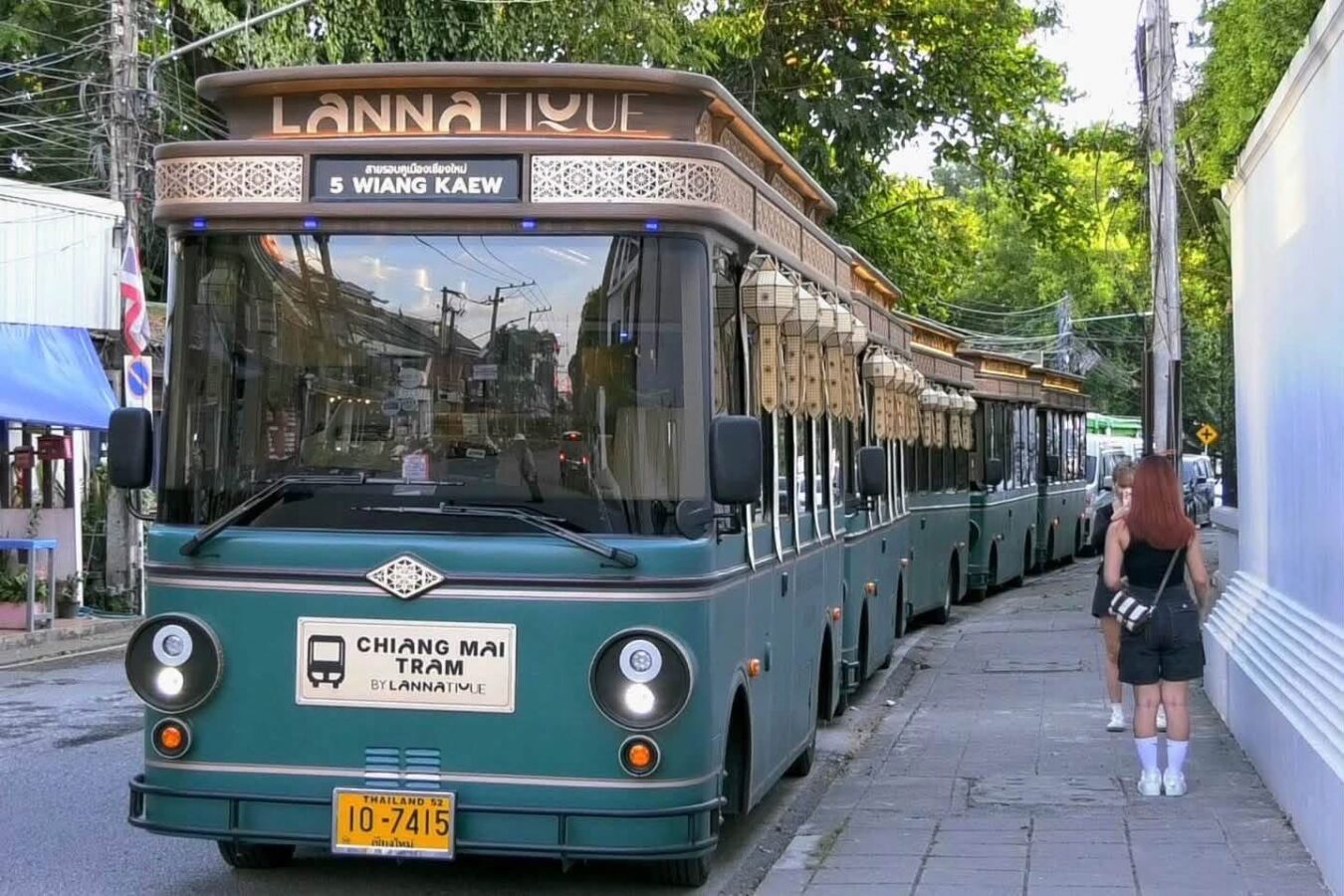
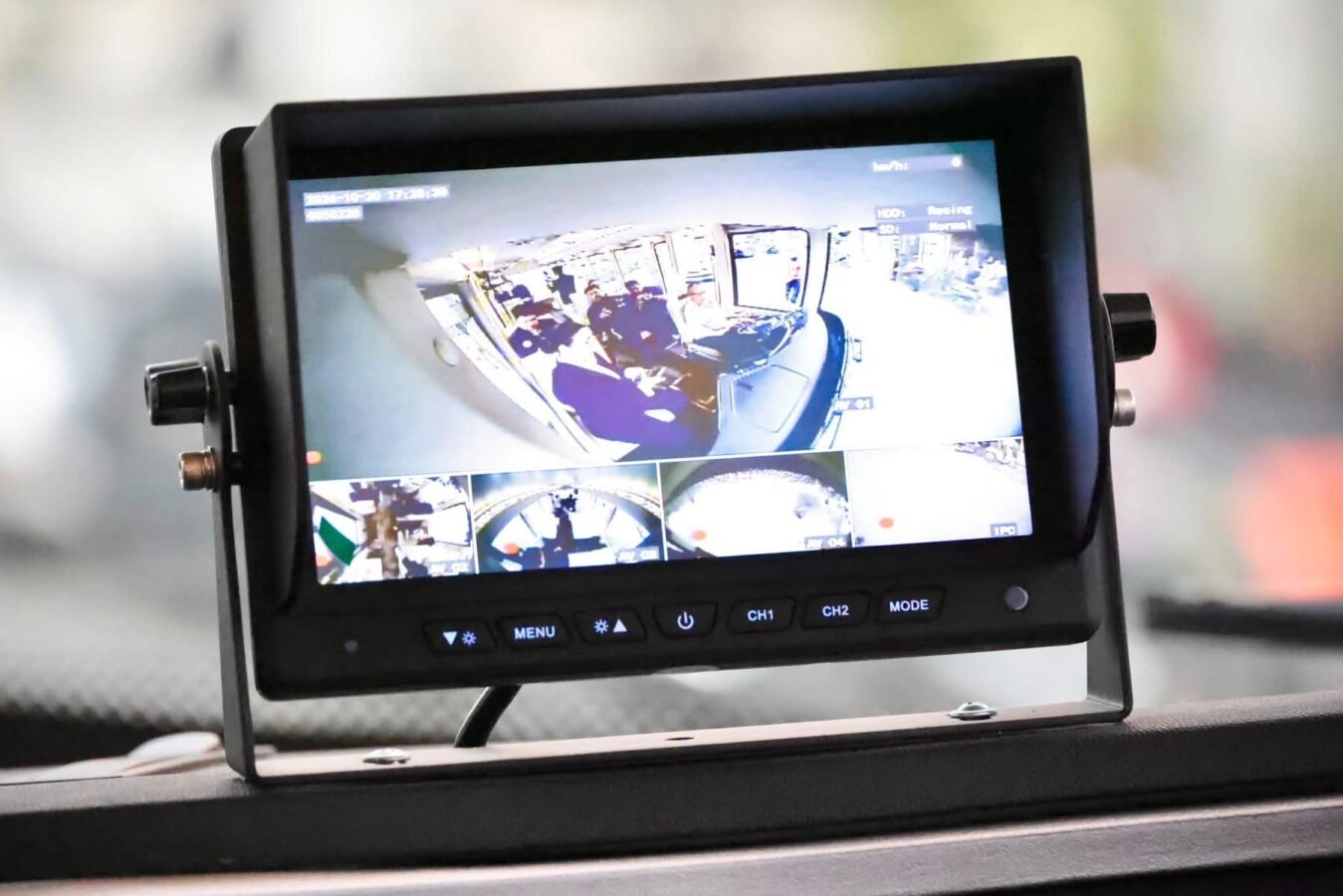
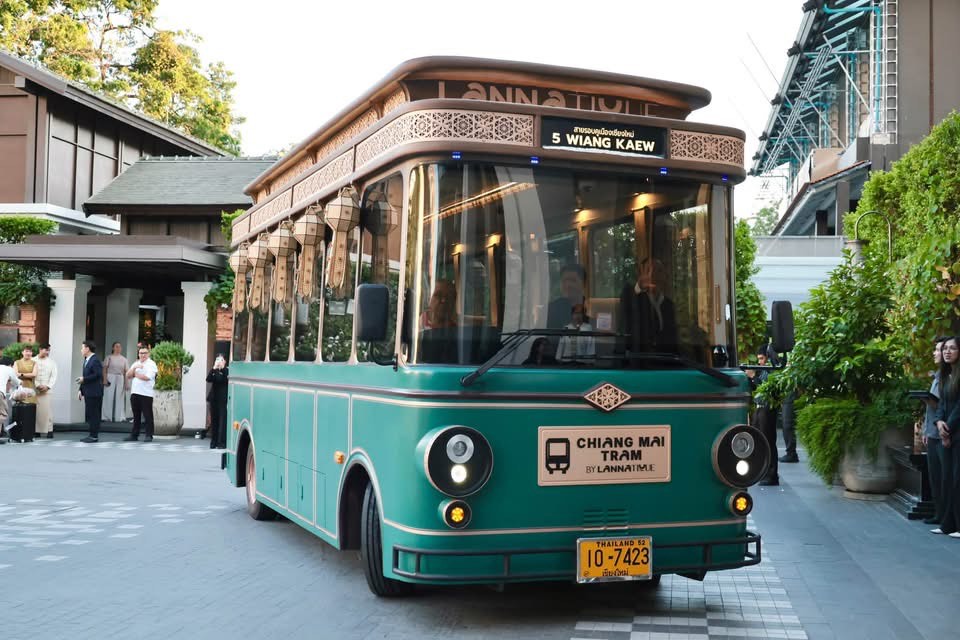
After the signing, the officials and guests took a test ride on an electric bus, brought in on a trial basis to show how it might connect with the city’s wider mass transit plans. The organisers pointed to its potential to cut PM2.5 smoke and make travel easier for residents and visitors alike, and described it as a concrete step towards a low-carbon, smart tourist city.