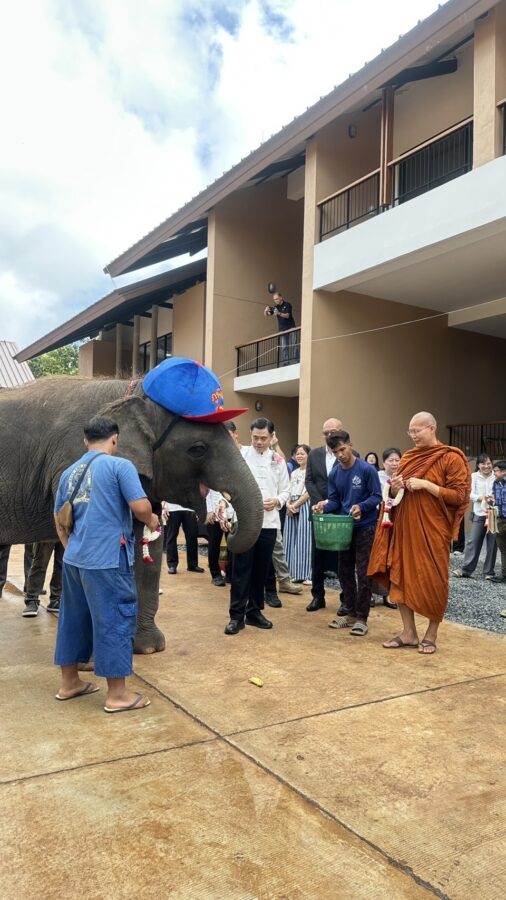
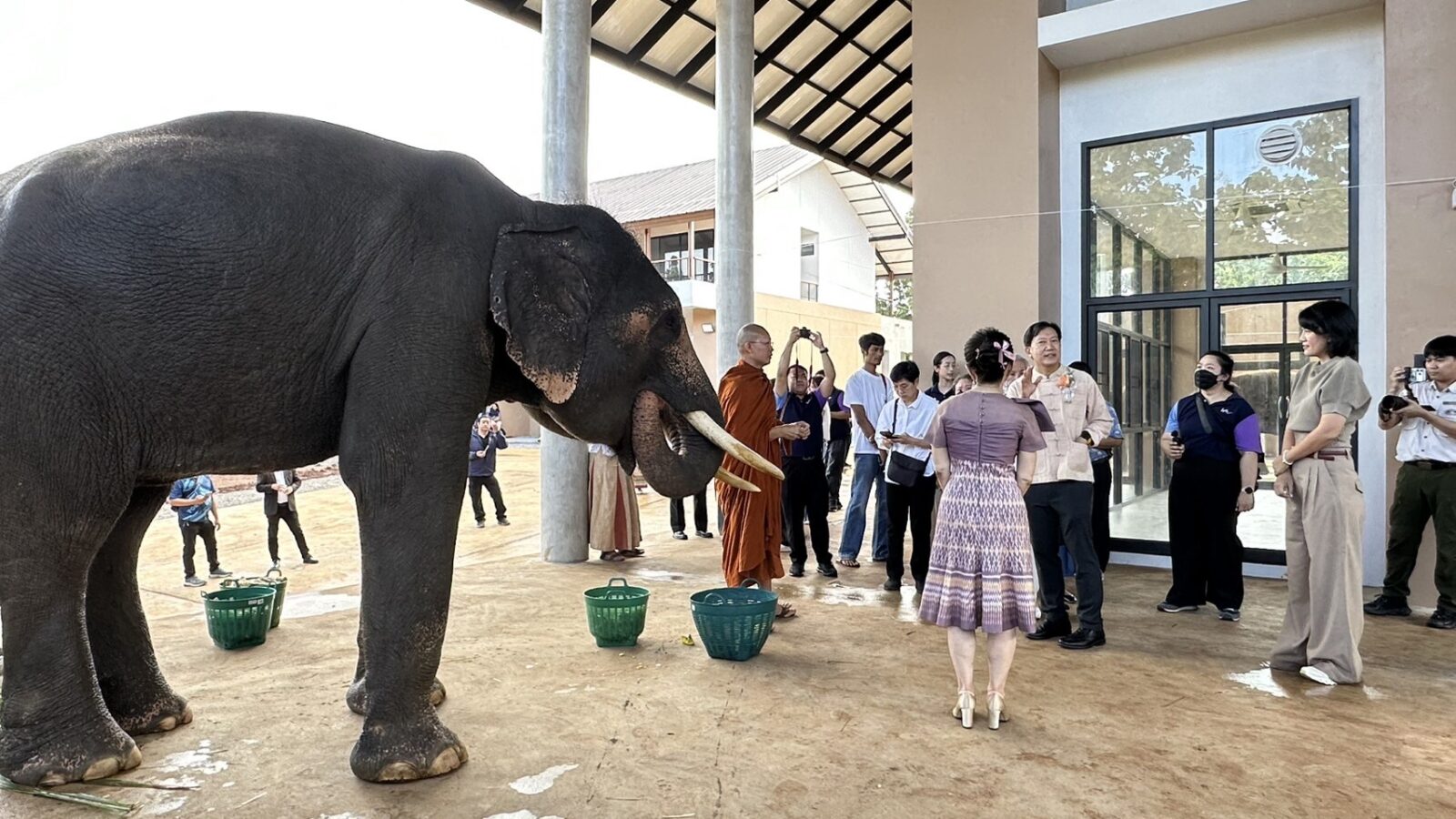
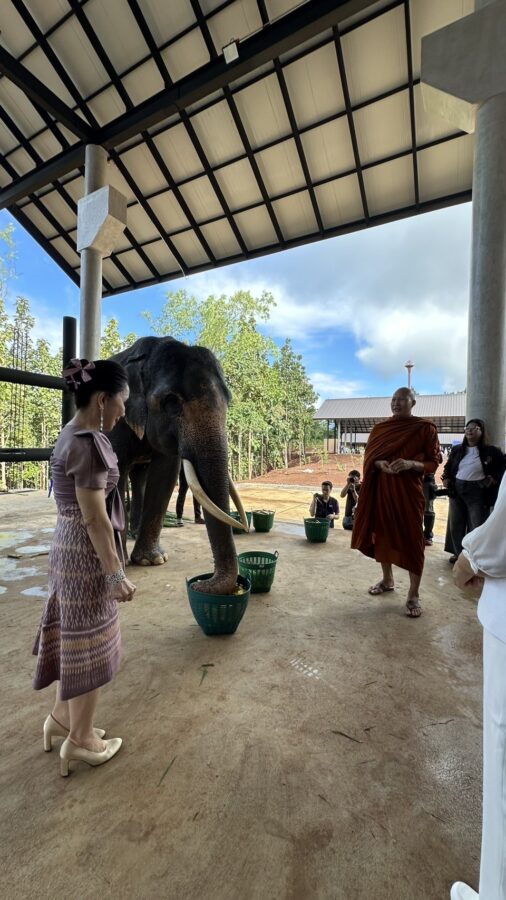
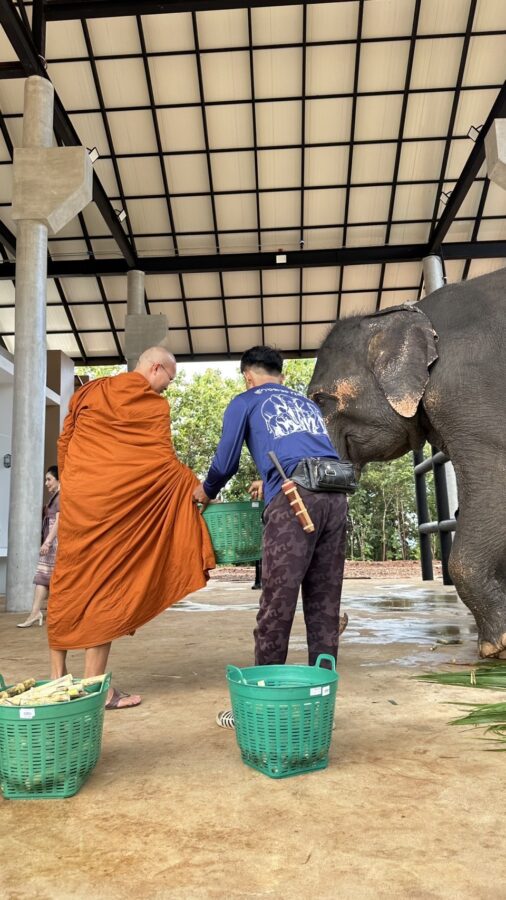
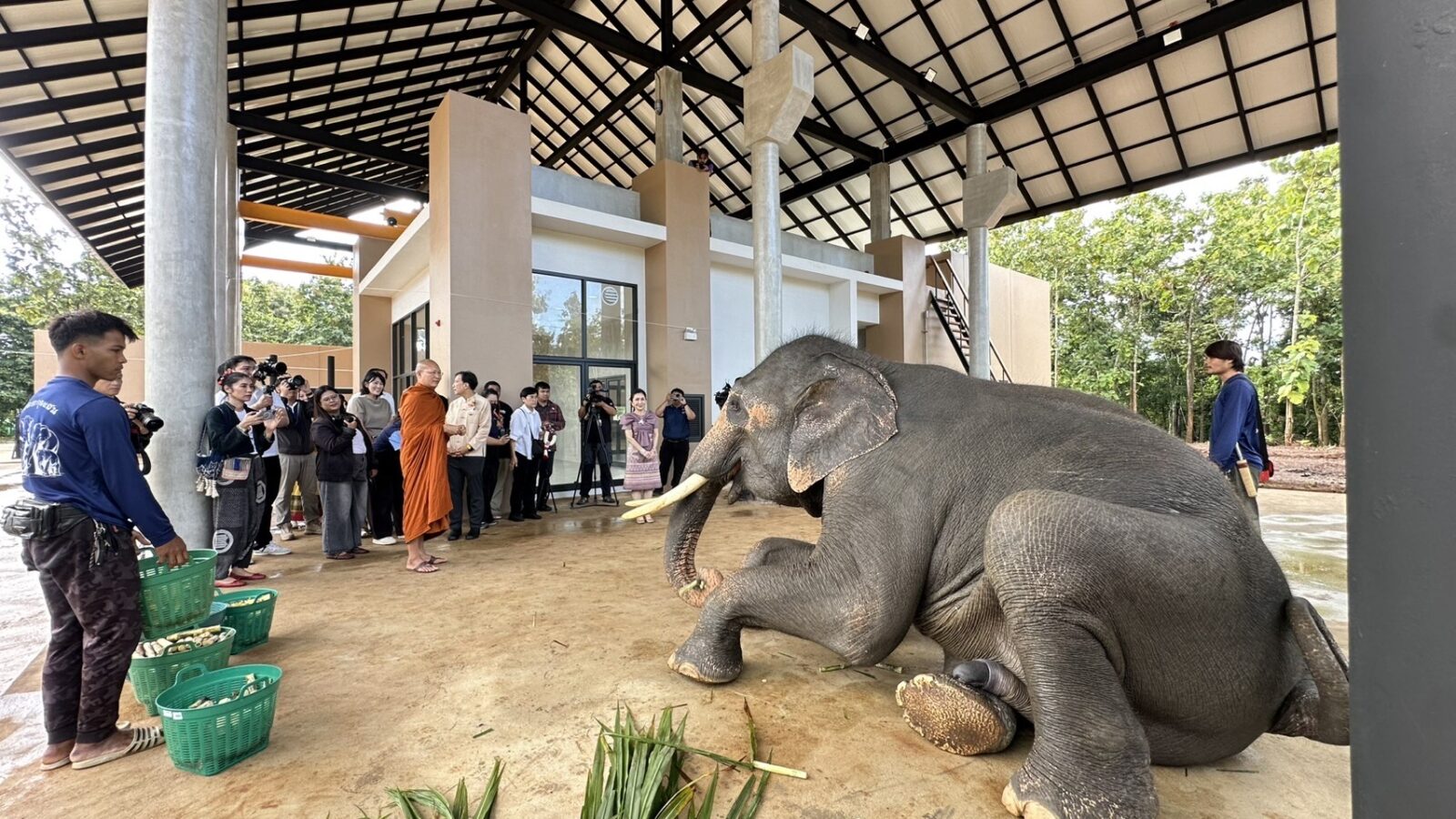
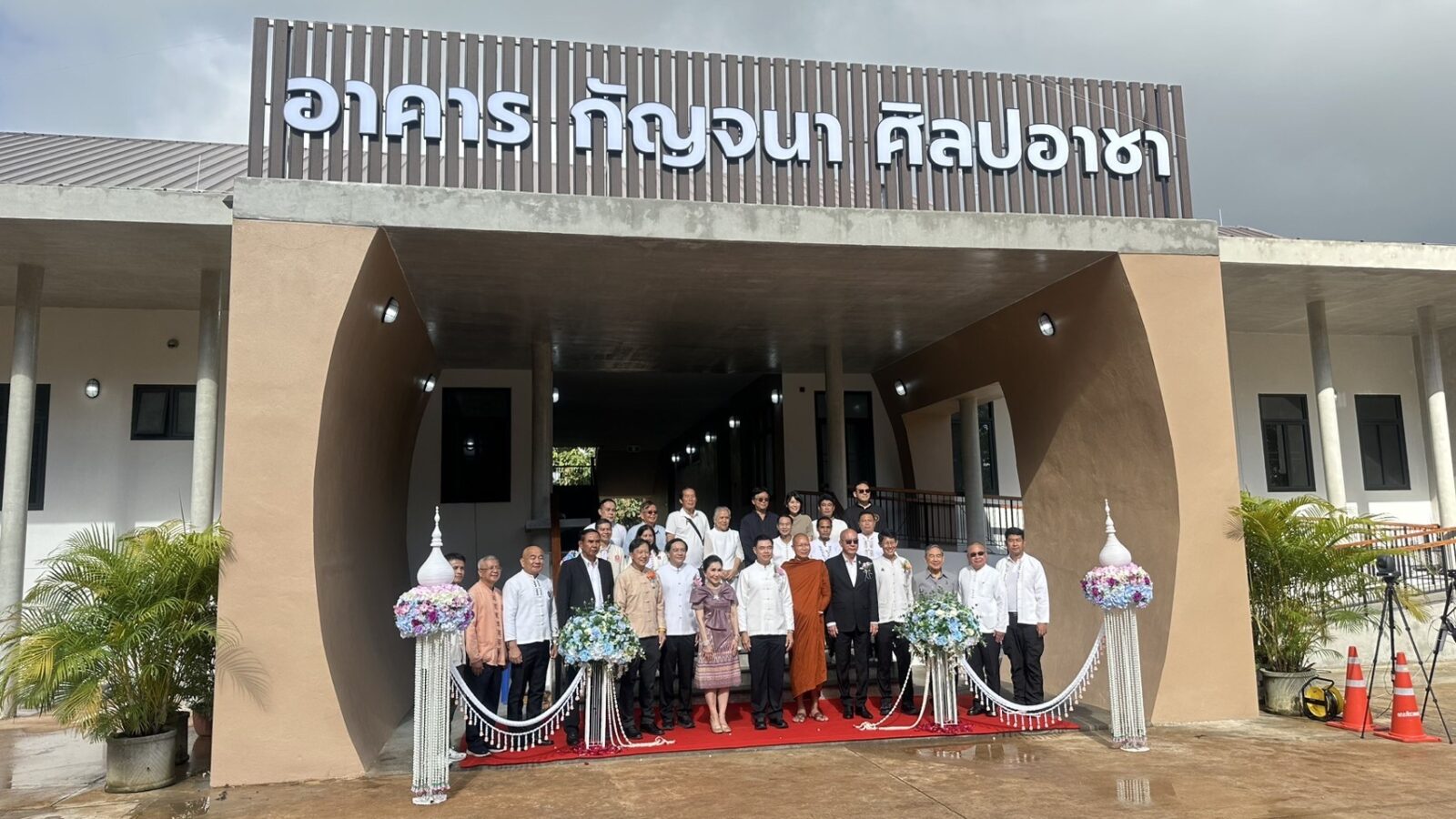
Twenty years is a long time to wait for a hospital, even one built for elephants. On September 26, Chiang Mai University’s Faculty of Veterinary Medicine finally cut the ribbon on its new Elephant Hospital building, part of the Center for Elephant and Wildlife Health in Mae Taeng district, and the people who showed up to watch had earned the right to look pleased with themselves.
The project traces back to roughly 2004, when then-dean Prof. Dr. Suwichai Rojanasathien first floated the idea and went looking for land near Mae Hia. Nothing suitable turned up. It wasn’t until 2009 that former university president Pongsak Angkasith and then-dean Lertrak Srikitkarn picked the thread back up, scouting sites in both Lamphun and Mae Taeng before settling on the current location. In 2019 the Agricultural Land Reform Office finally granted the university just over 26 rai to establish what would later be renamed the Center for Elephant and Wildlife Health, chosen partly because the surrounding area already houses more than 400 elephants in human care and numerous elephant parks, meaning sick animals can now reach treatment in about half an hour instead of the two or three hours it used to take.
Money was the real obstacle. The university spent about four years petitioning the government for construction funds before Kanchana Silpa-archa stepped in with a 49.25 million baht donation that got the building actually built. The Elephant Conservation Fund Foundation, under Pilaiphan Sombatsiri, covered the design costs, and Phra Khru Odd of Wat Chedi Luang kicked in seed funding on top of support from local elephant parks and community networks. It’s the kind of project that seems to have needed a small coalition of donors before anyone would move a shovel.
Northern Thailand is home to more than a third of the country’s elephants in human care, over 1,500 animals, with Chiang Mai province alone housing roughly 900. Until now, the faculty’s main tool for treating them was a mobile elephant clinic, vets driving out to wherever the sick animal happened to be. That works fine for routine checkups. It works considerably less well for an elephant that needs a procedure, round-the-clock monitoring, or ongoing treatment, and vets on that circuit have had to make do with whatever equipment fit in the truck.
The new building can handle at least six critically ill elephants at once, with equipment and supplies designed for genuine emergencies rather than field visits. University officials also want it to double as a teaching and research hub, training vet students from Thailand and abroad in elephant health, reproduction, behaviour, and general management.
It’s a shift from reactive care delivered wherever an elephant happens to be sick, to something closer to what a hospital is actually supposed to be: a place elephants can be brought to, and kept, until they’re better.