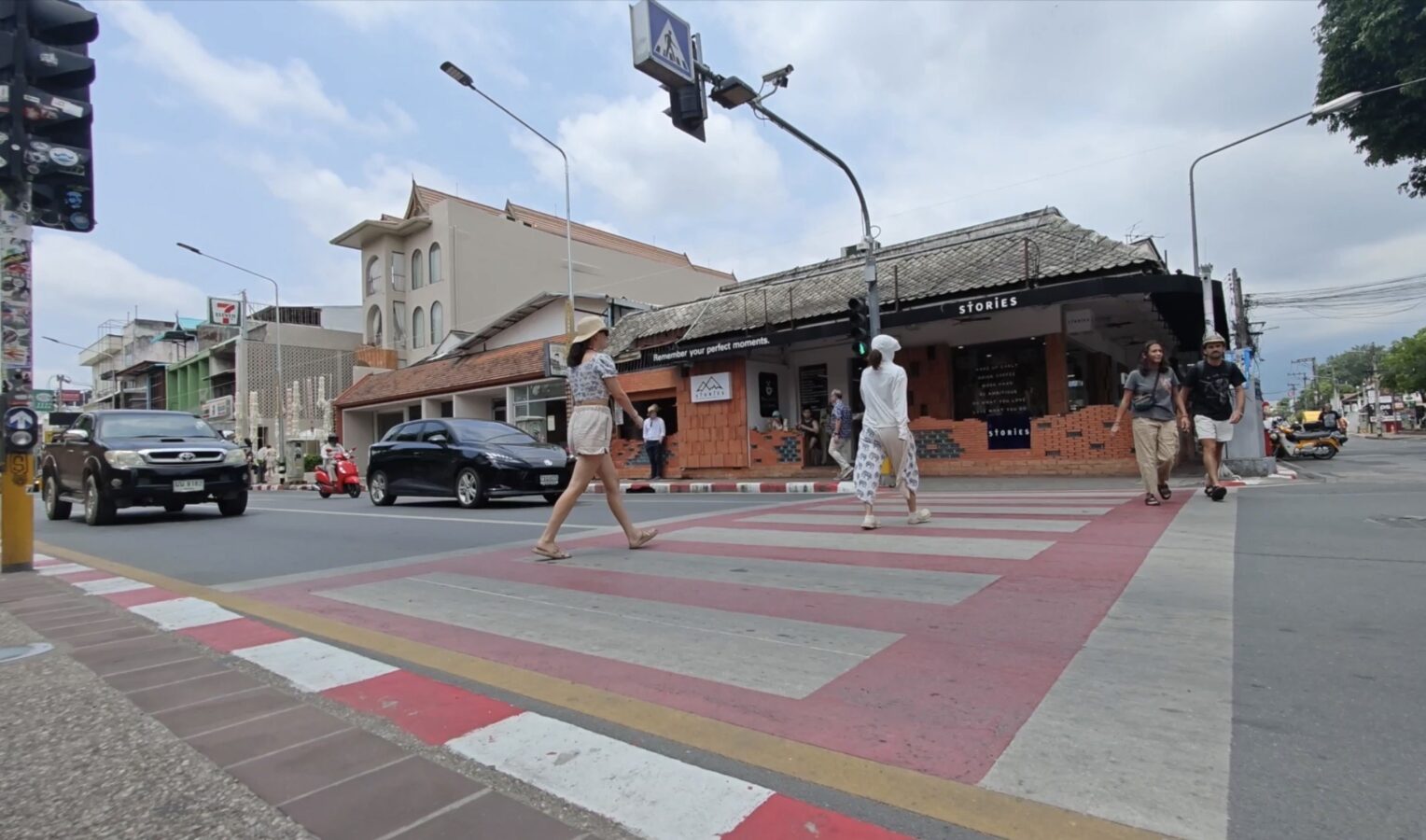
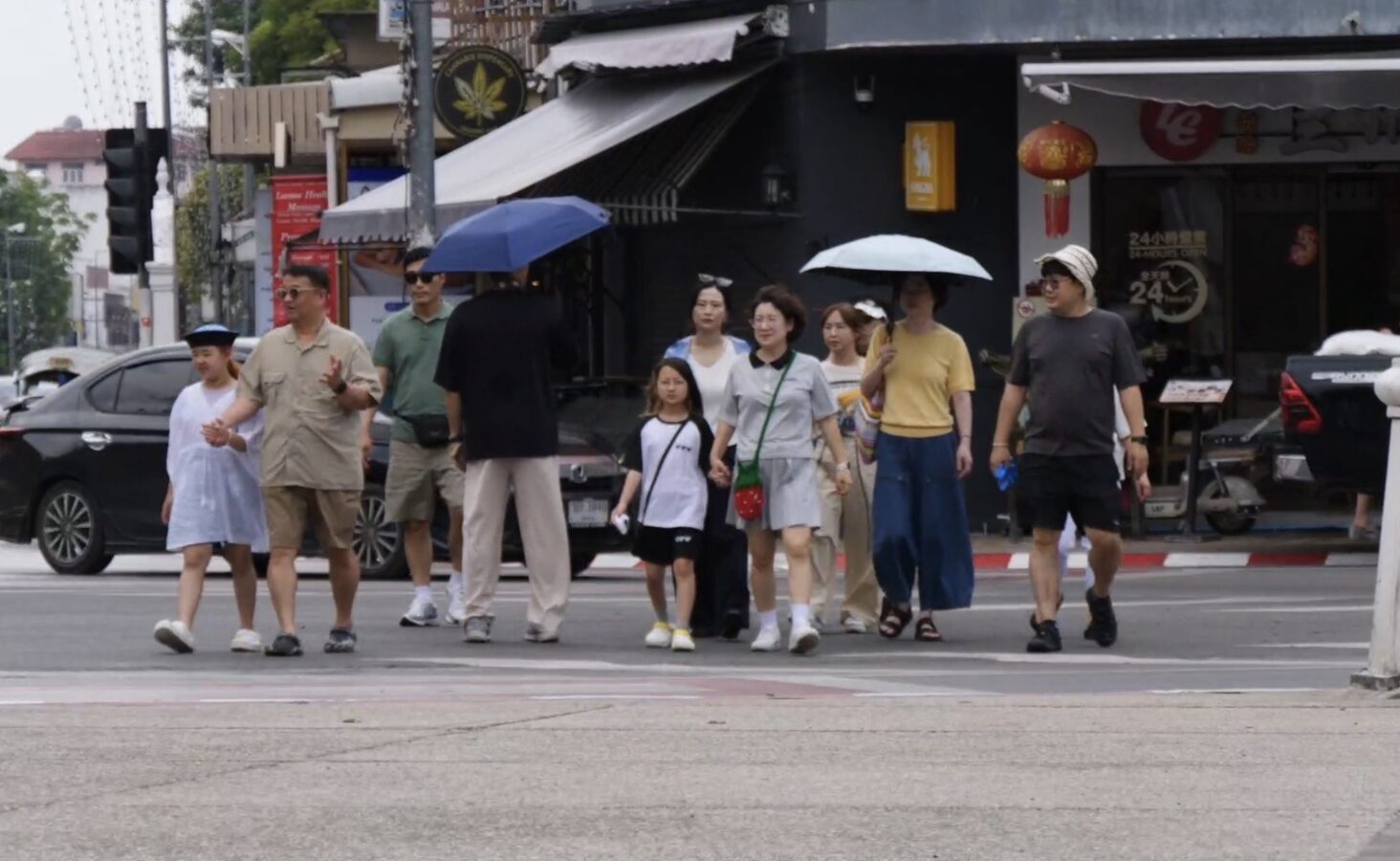
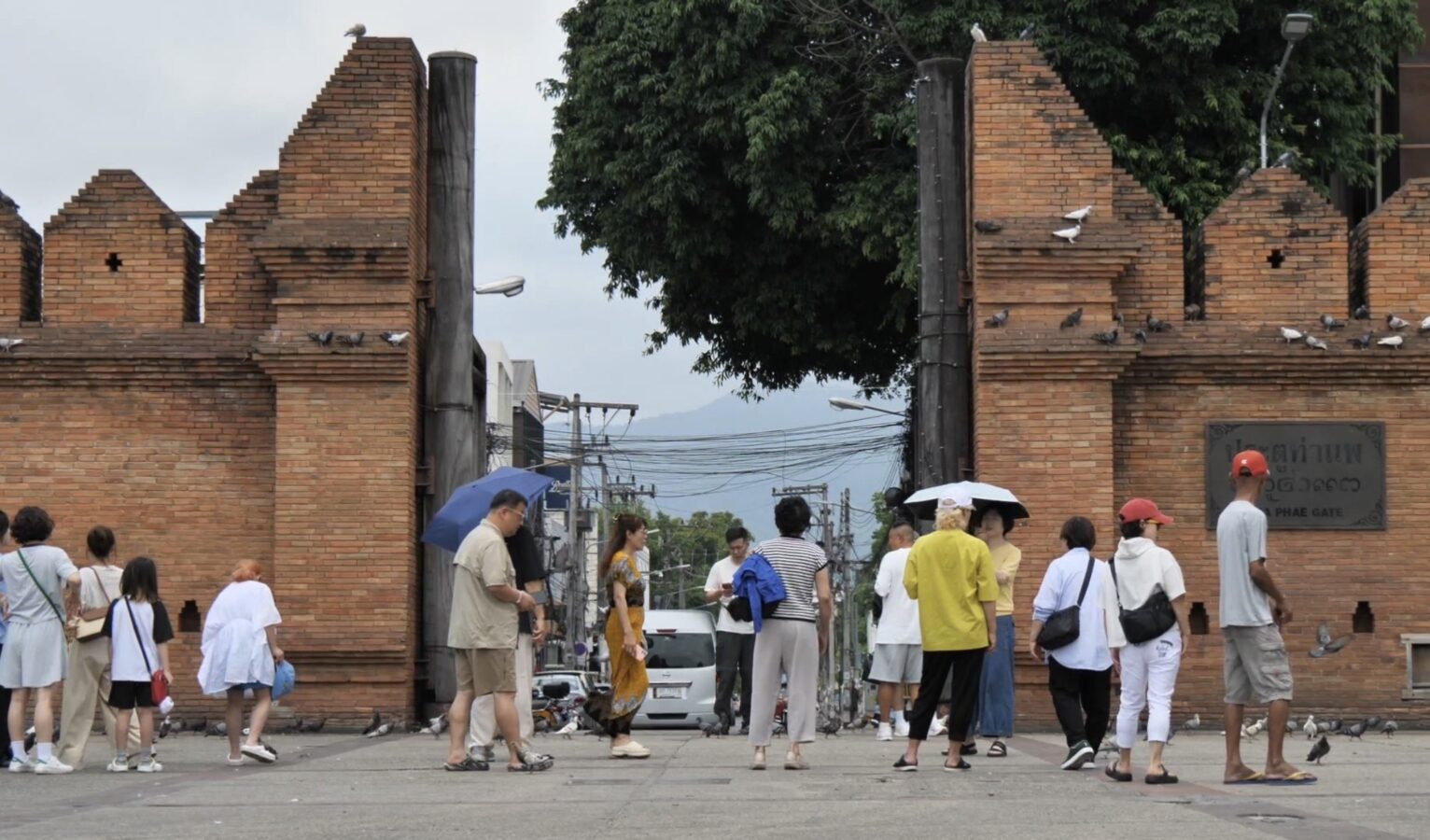
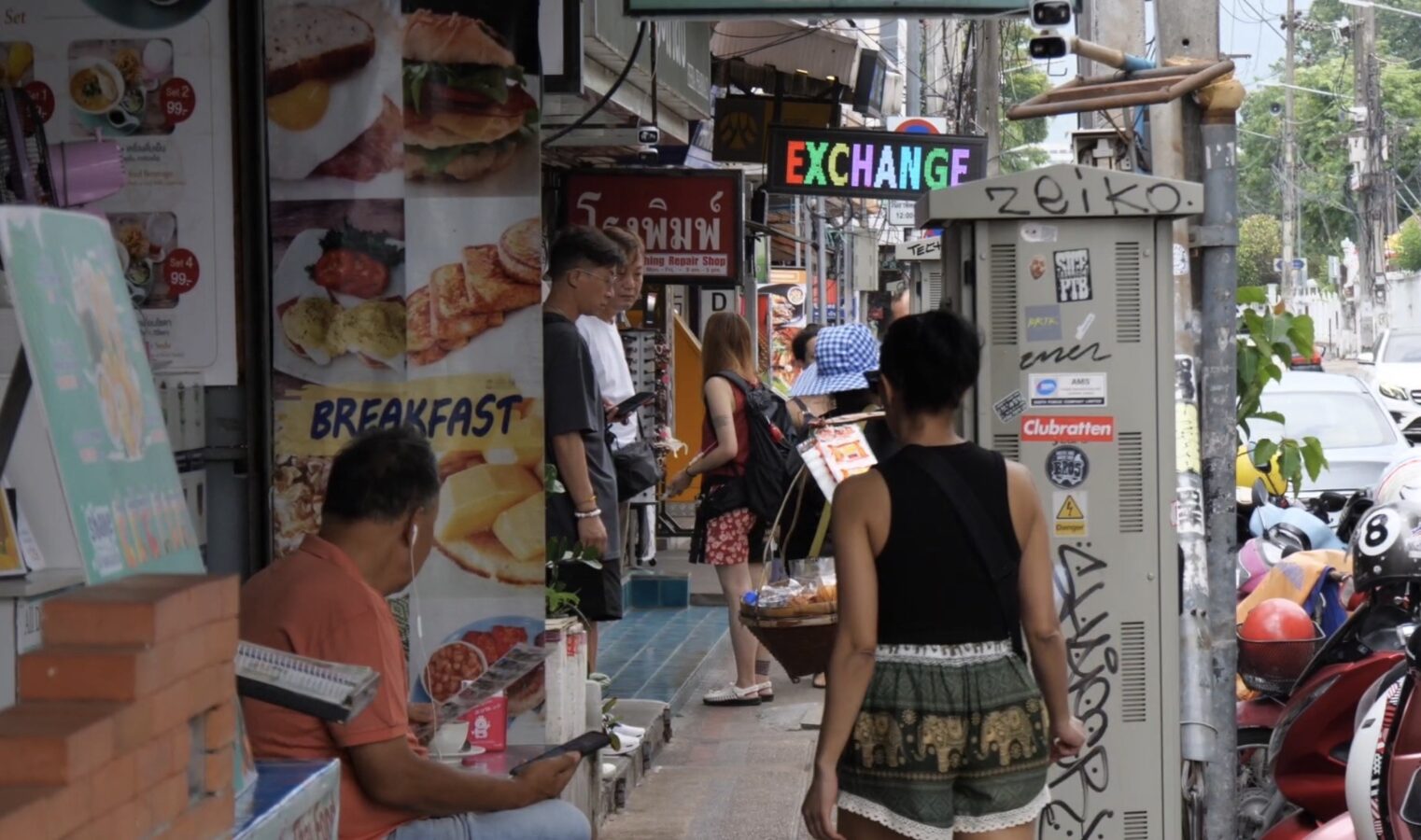
La-iad Bungsrithong, adviser to the Thai Hotels Association Northern Region, said the long-stay segment — including remote workers and digital nomads — accounts for around 5–8% of foreign visitors to Chiang Mai and the North. While that share may appear modest, it has been growing steadily and should not be sacrificed. She argued that any adjustment to visa conditions should be accompanied by alternative arrangements, noting that many other long-stay destinations have already streamlined their requirements considerably.
She called on the government and the Tourism Authority of Thailand to use statistical data and AI tools to analyse which markets prefer which destinations, information that could inform targeted, segment-specific visa schemes in the future.
On the current tourism climate, La-iad said Chiang Mai’s second quarter has been noticeably quieter than last year. Domestic travel has weakened significantly due to higher transport costs, with fuel prices and airfares rising by 25–30%, while average hotel occupancy has dropped around 15% compared to the same period last year. She expressed hope that the high season in the fourth quarter would bring a recovery.
The Thai Hotels Association board is expected to meet to formulate proposals to the government, pushing for investment in regional operator supply chains and urging a national-level strategy to position Thailand — and particularly Chiang Mai — as a top-of-mind destination heading into Q4.