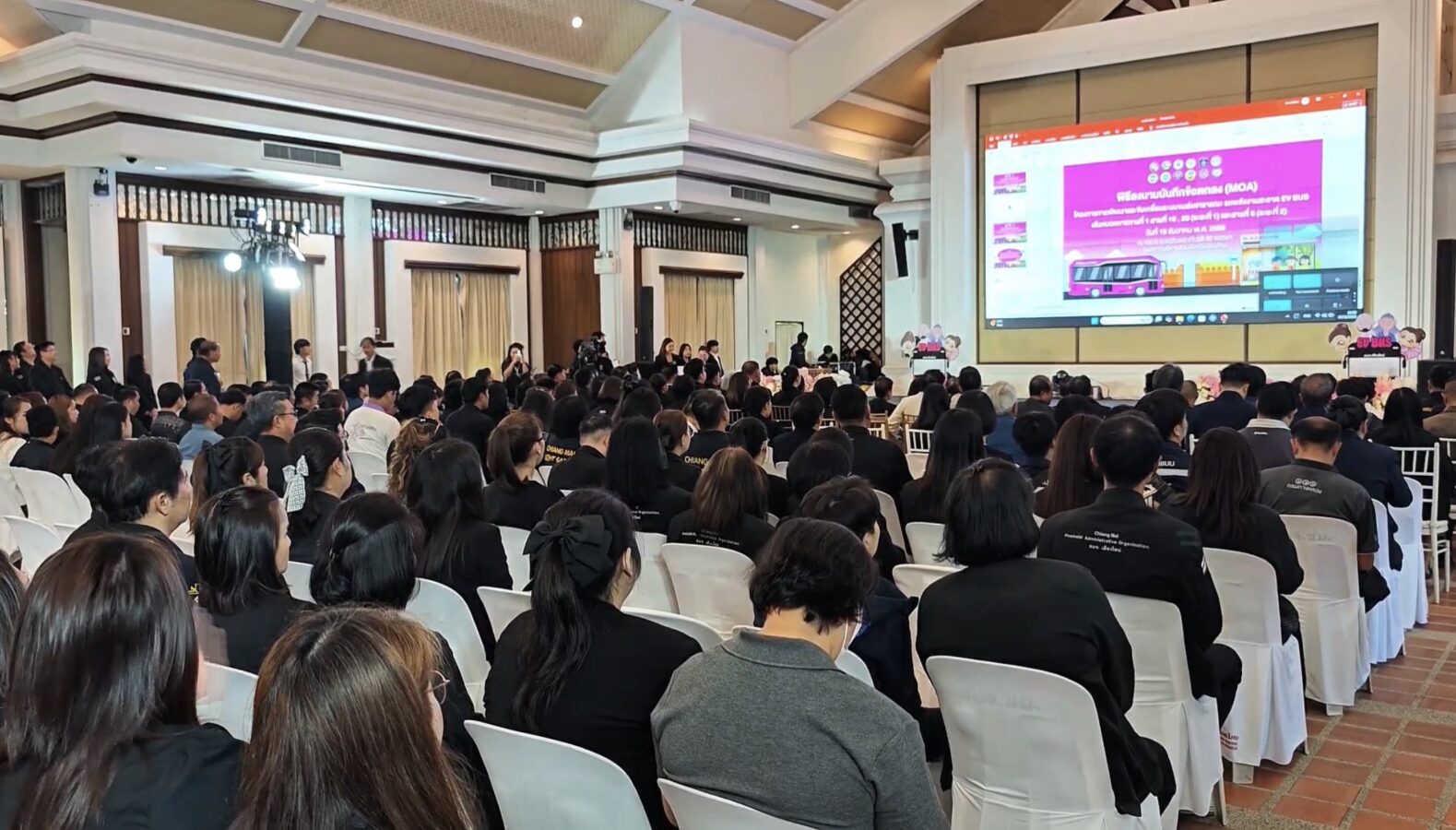
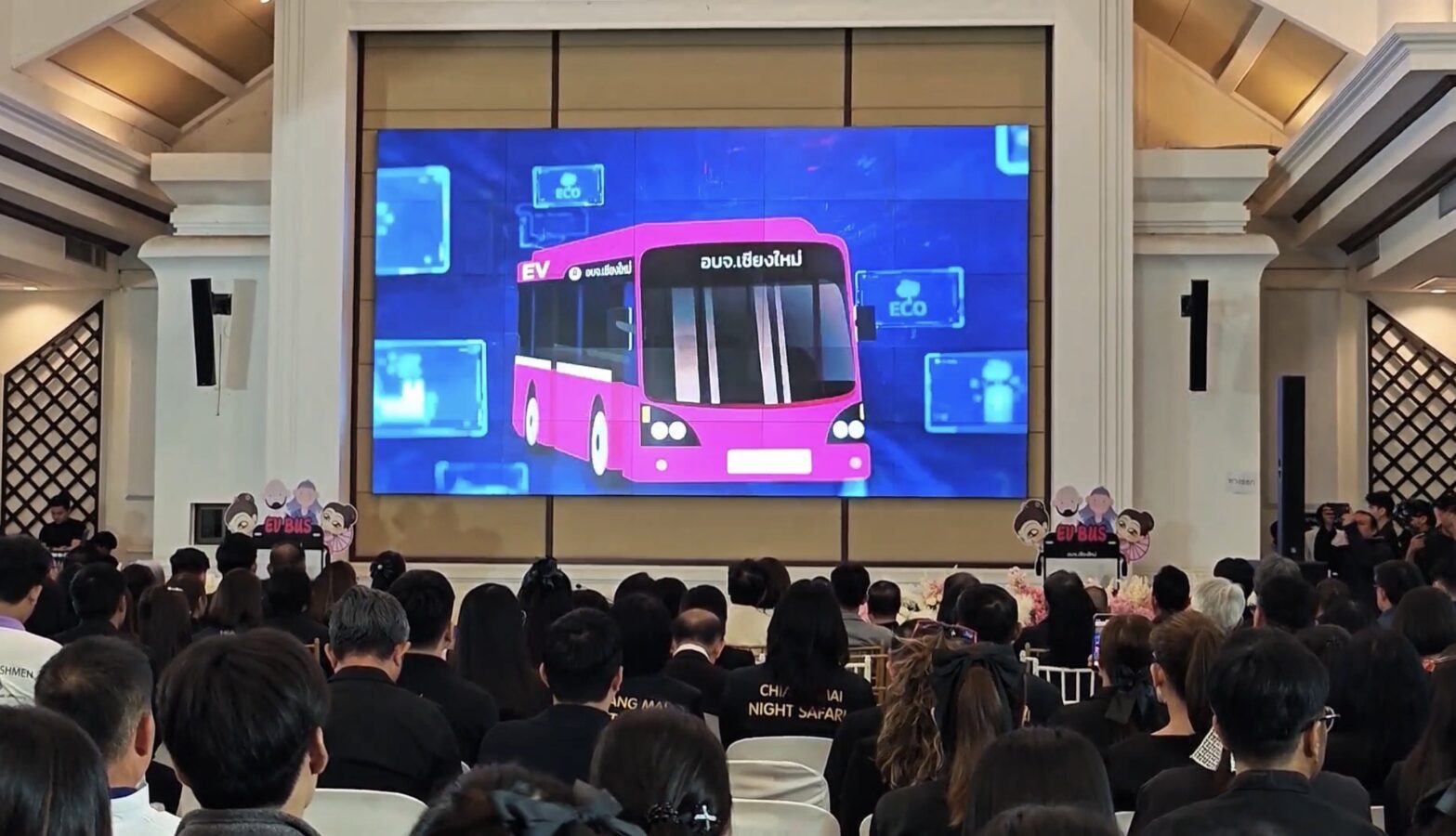
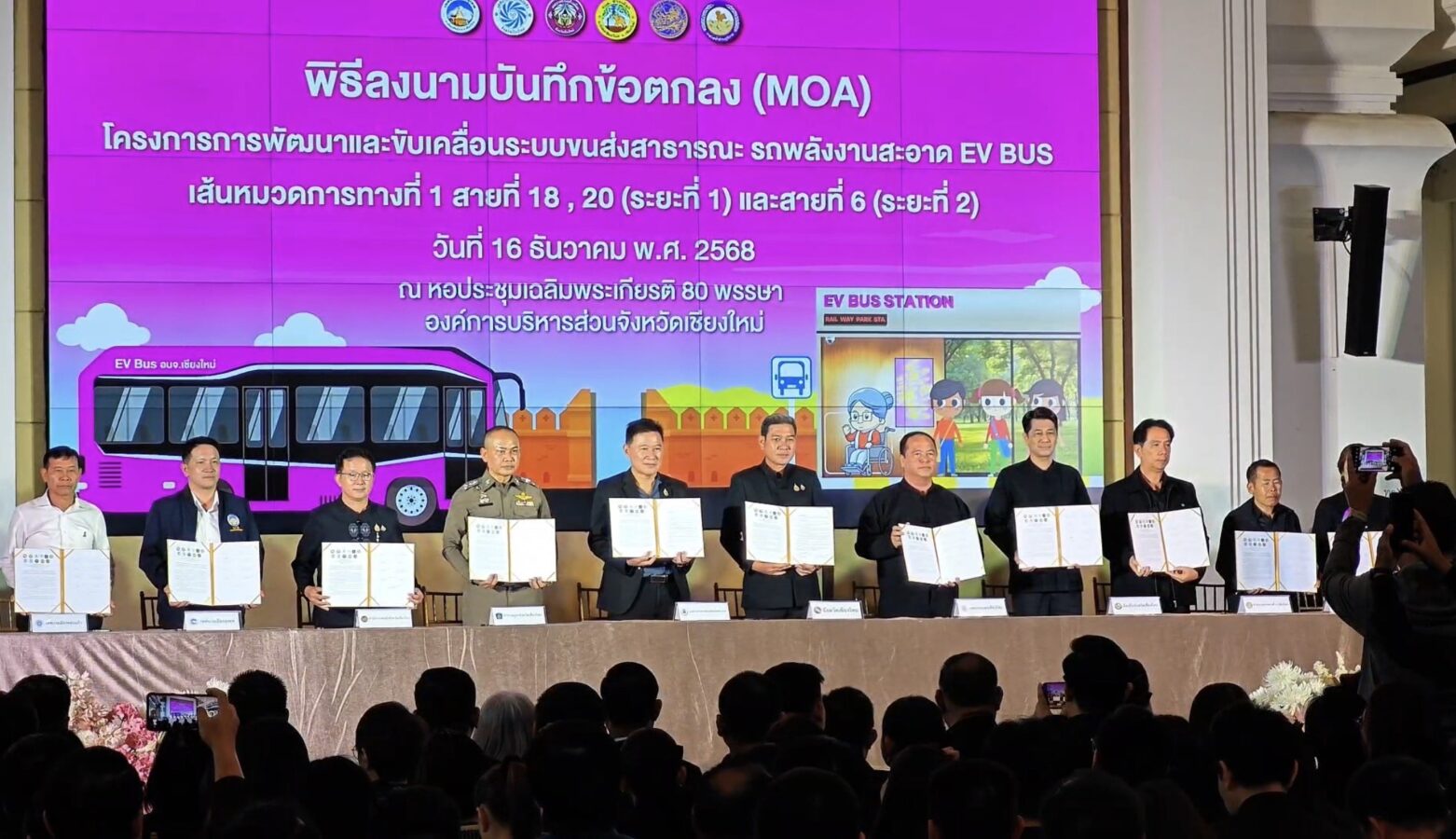
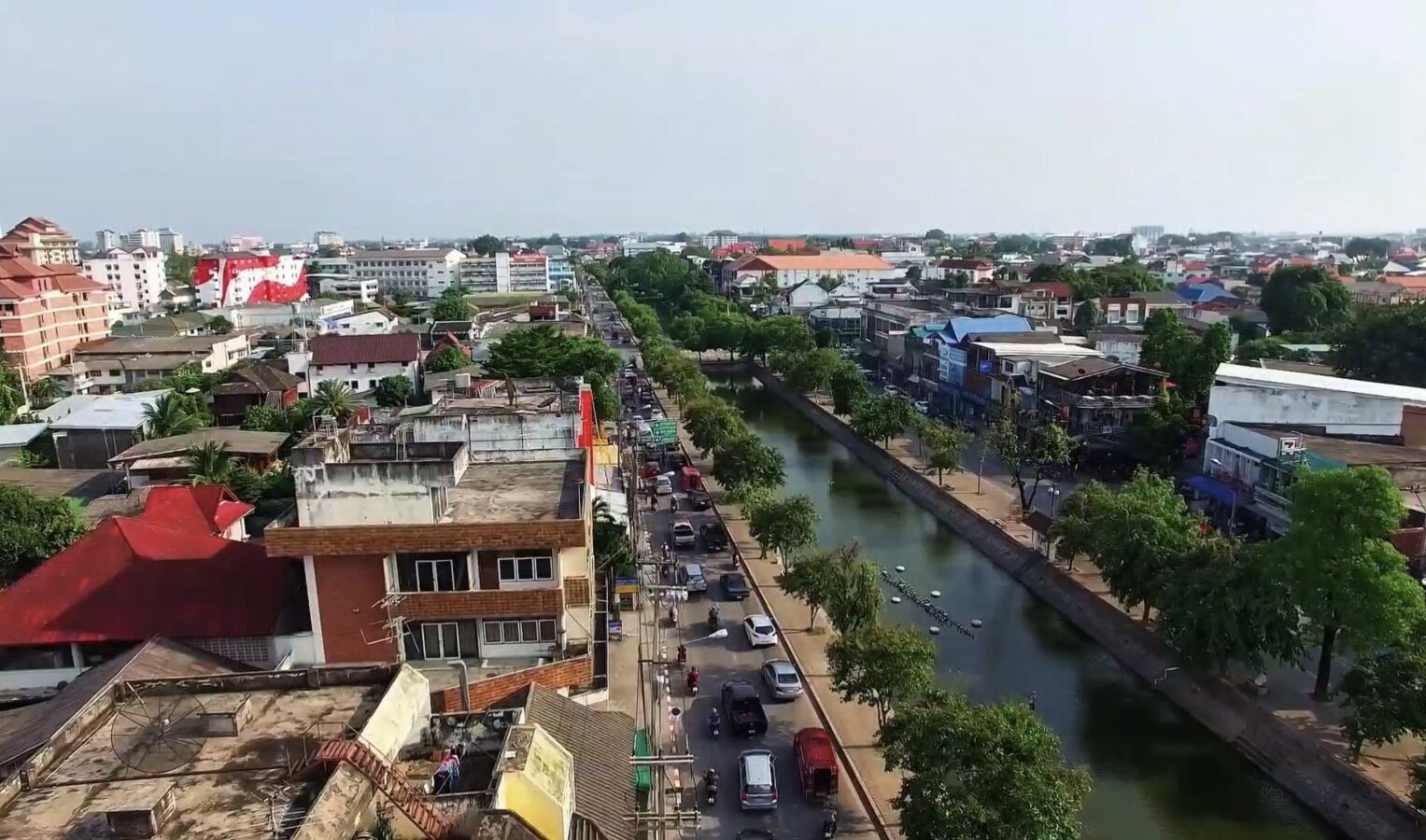
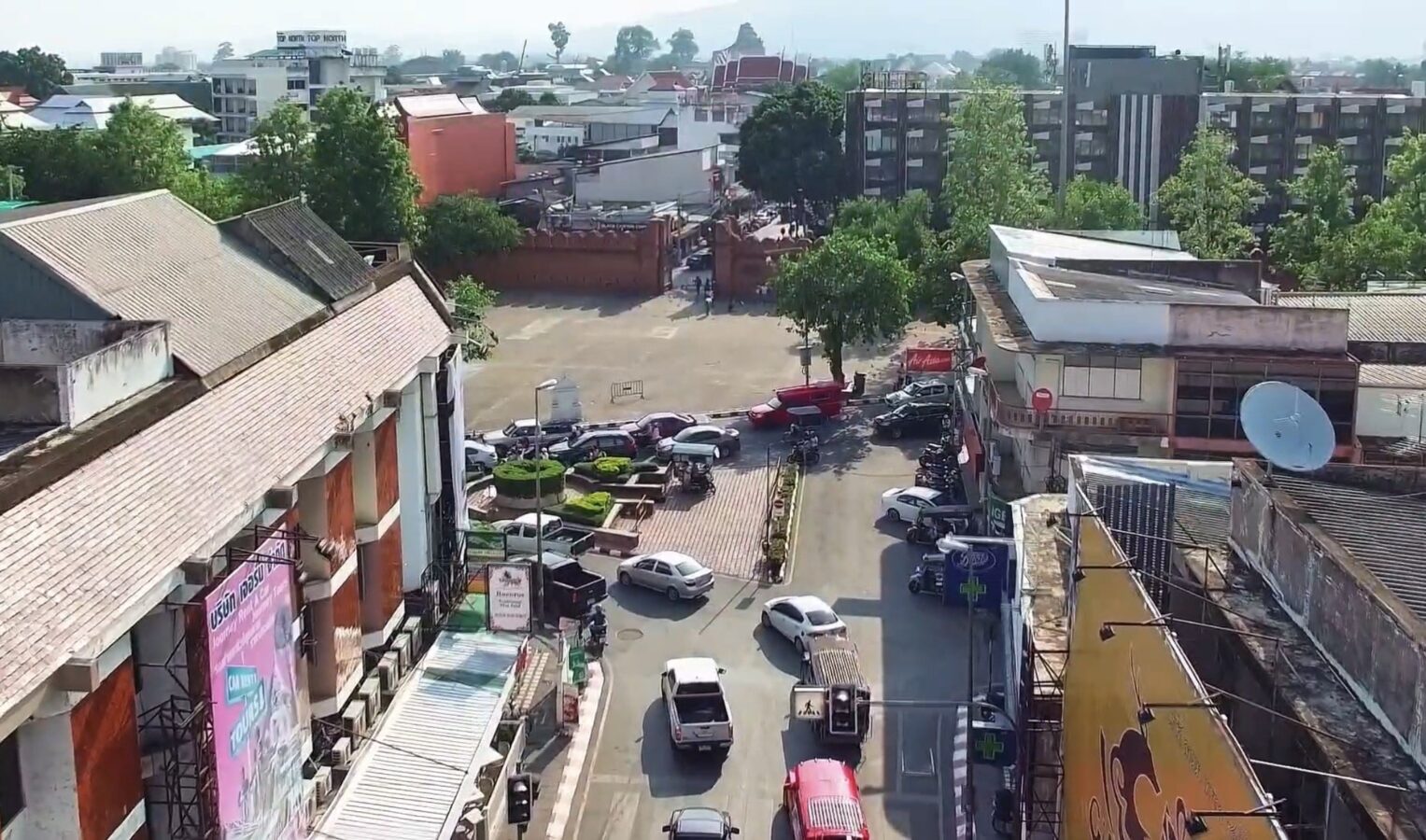
At the 80th Anniversary Commemorative Auditorium of the Chiang Mai Provincial Administrative Organisation (PAO) today, Chiang Mai Governor Ratthapol Naradisorn and Phichai Lertpongadisorn, President of the Chiang Mai PAO, jointly signed an MoU with 11 partner agencies to develop and drive a clean-energy public transport system using electric buses.
The project aims to improve quality of life for residents and visitors, ease traffic congestion, and address air pollution while laying the foundation for sustainable urban mobility.
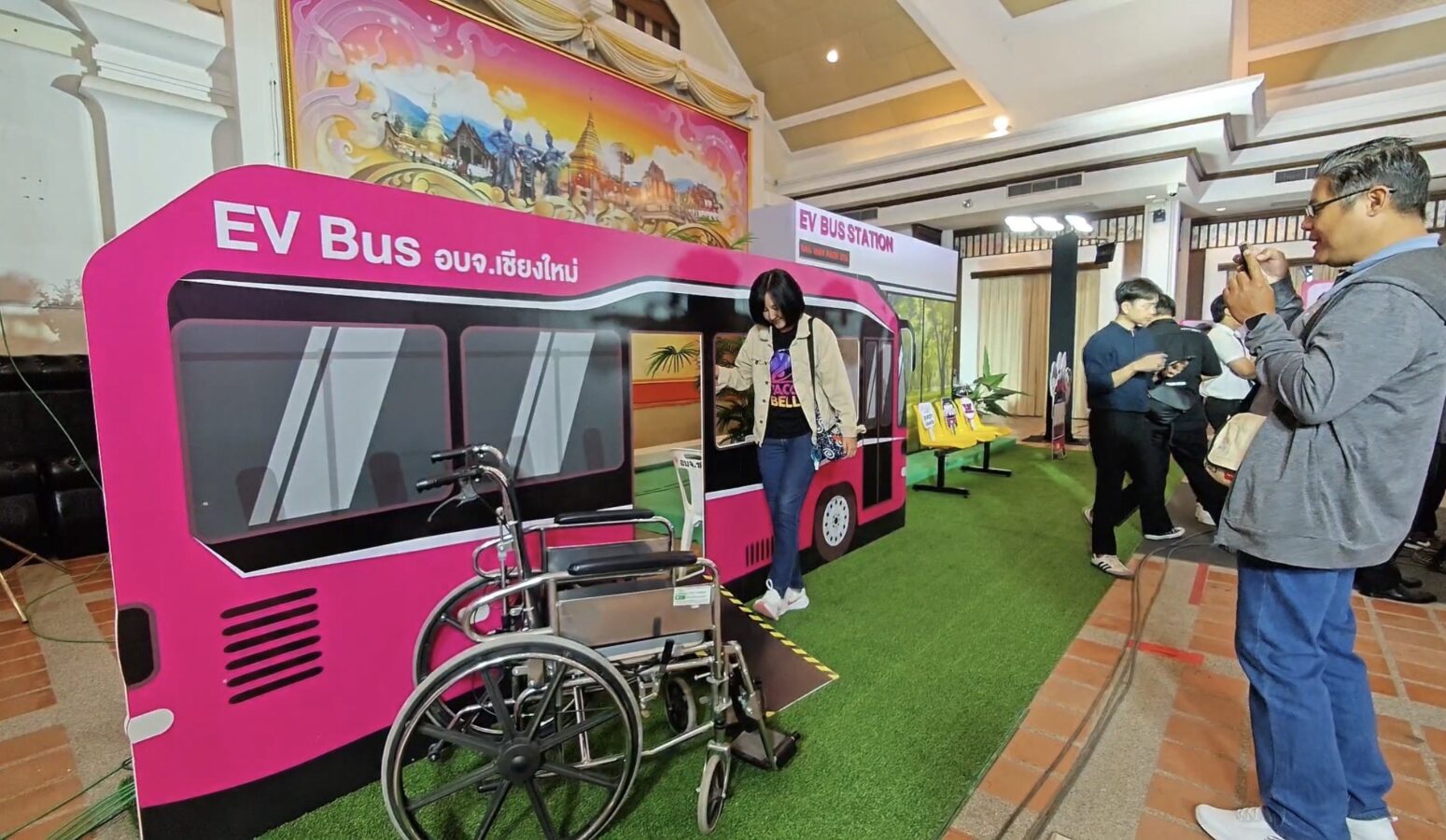
The EV buses will run on 100% clean energy and are environmentally friendly. Designed as low-floor buses, they are accessible for the elderly, people with disabilities, and other vulnerable users. Each bus is equipped with comprehensive safety technology, including 360-degree CCTV, driver behaviour monitoring systems, and real-time vehicle tracking, all linked to the Chiang Mai PAO’s central control centre to enhance safety and punctuality.
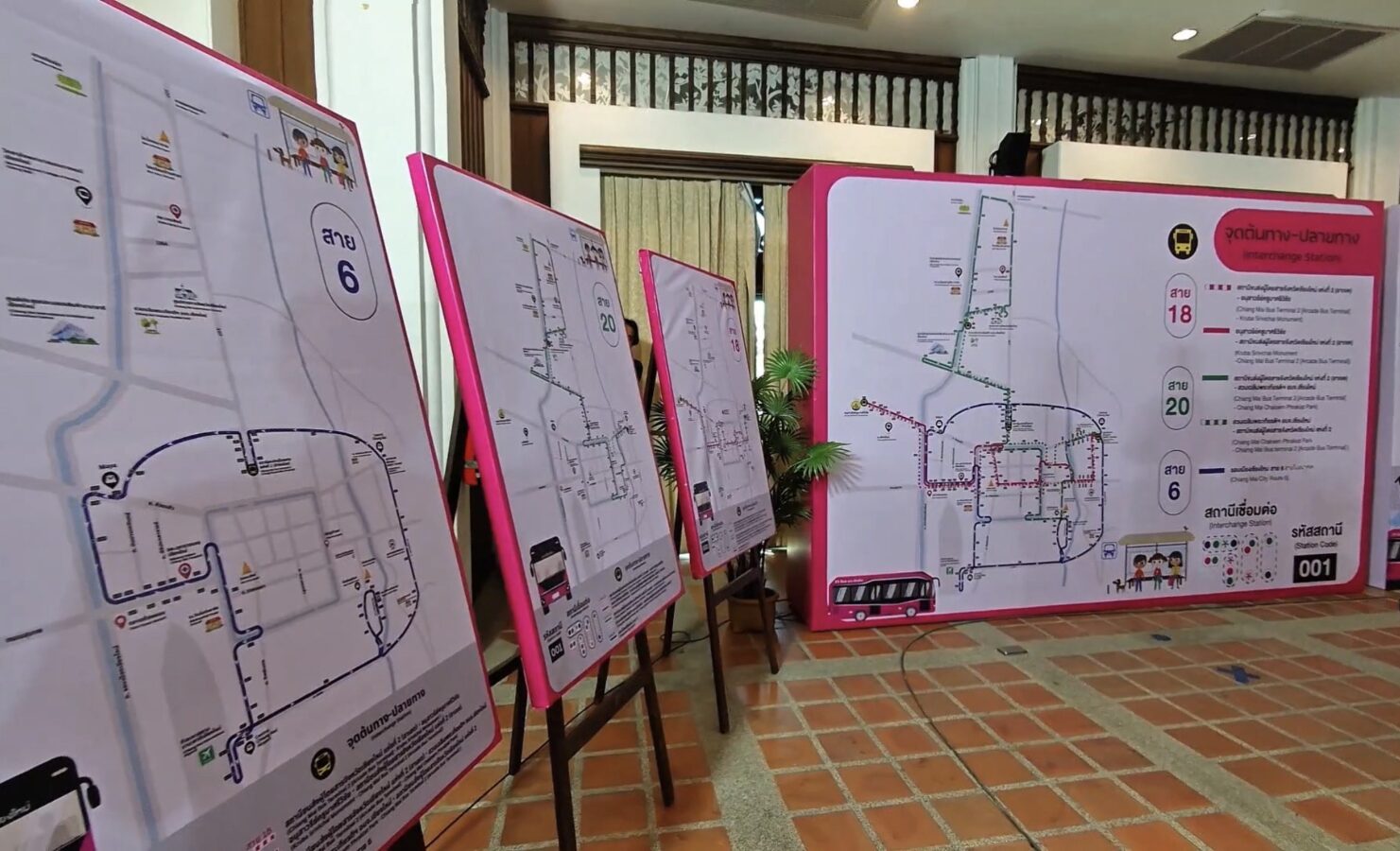
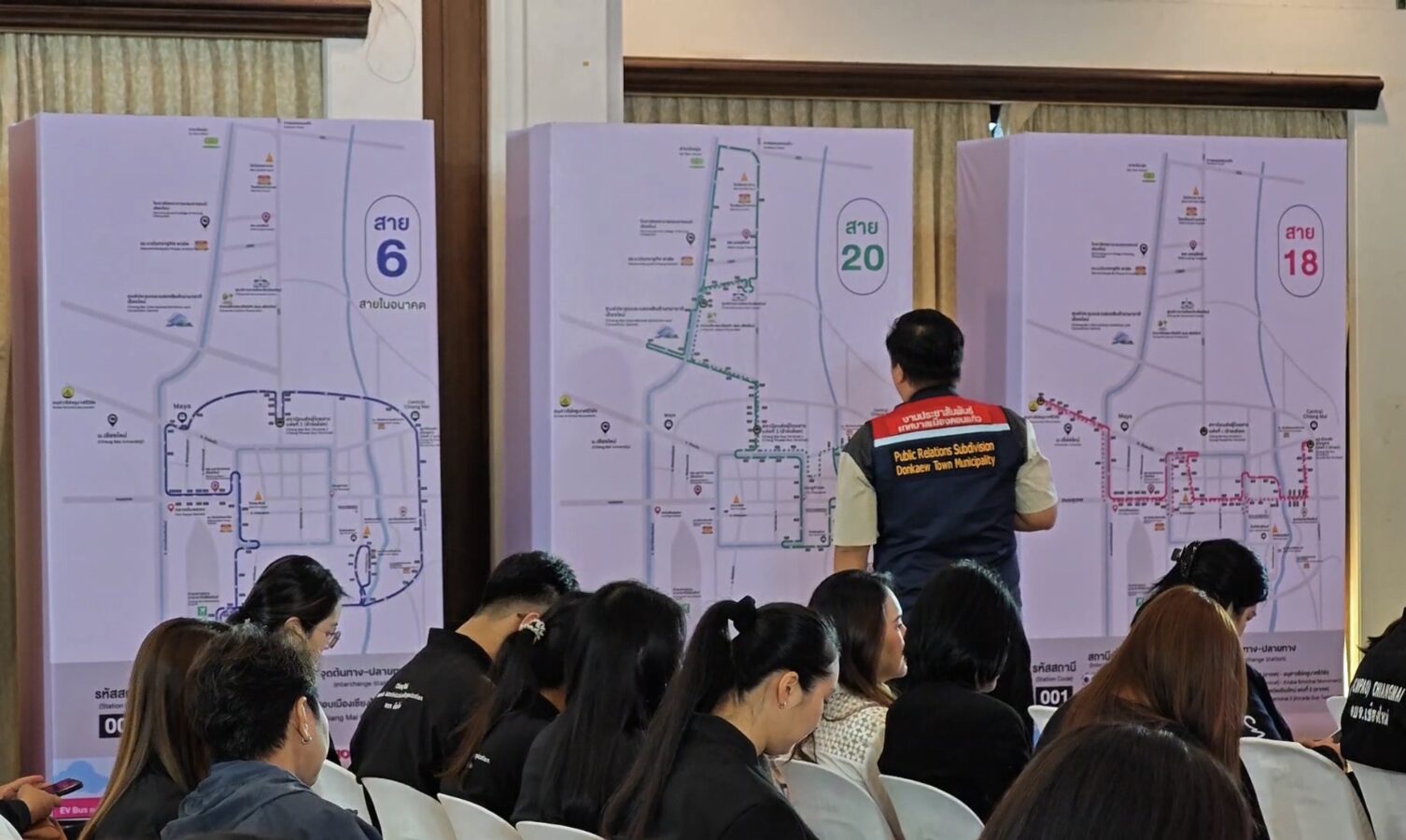
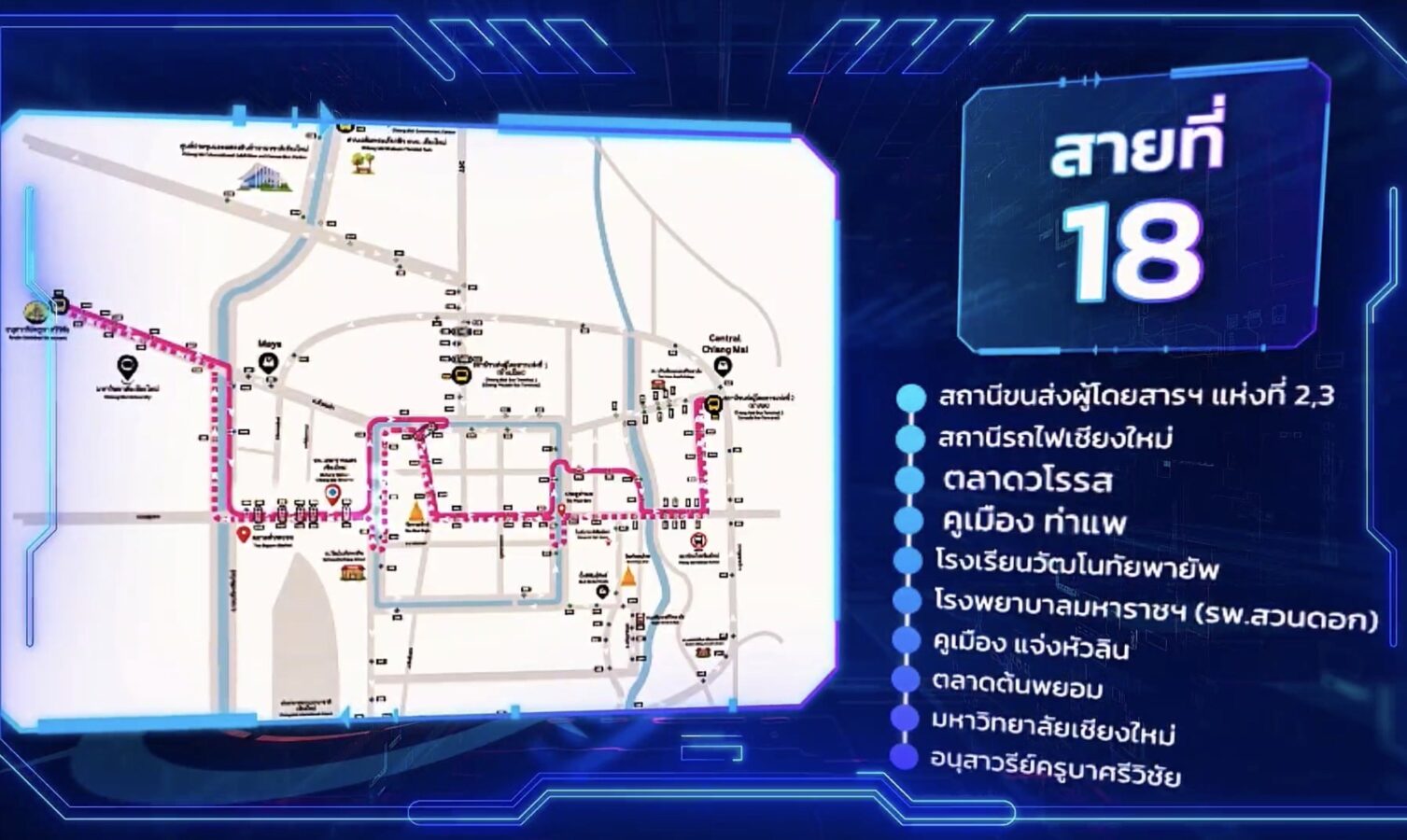
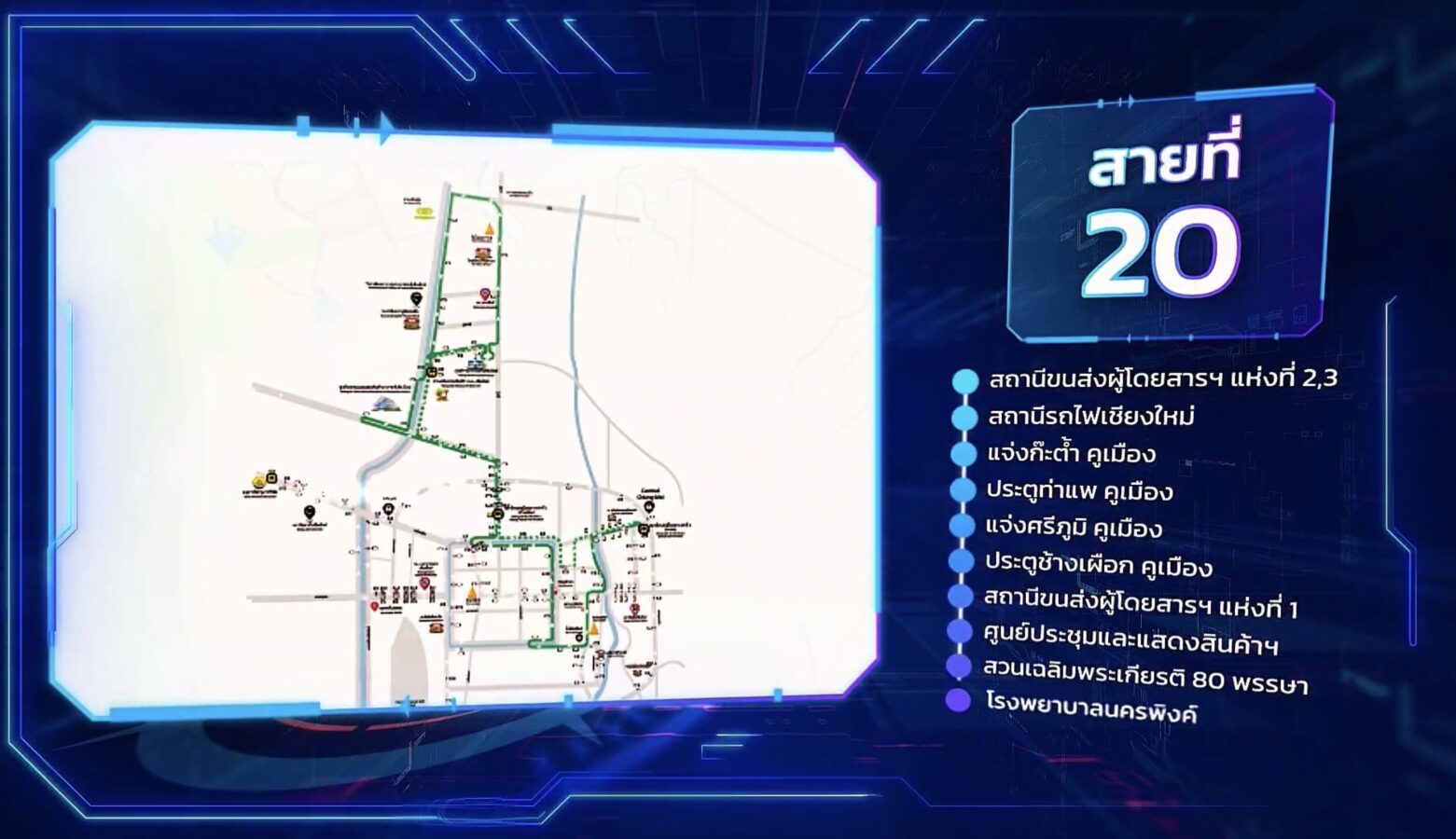
Phase 1 of the service will pilot two main routes.
- Route 18 will operate from Arcade Bus Terminal, passing the railway station, Tha Pae area, Maharaj Nakorn hospital, Chiang Mai University, and ending at the Kruba Srivichai Monument.
- Route 20 will run from Arcade Bus Terminal, through the Night Bazaar, Chang Phueak Bus Terminal, Chiang Mai International Convention and Exhibition Centre, 80th Anniversary Commemorative Park, and on to Nakornping Hospital.
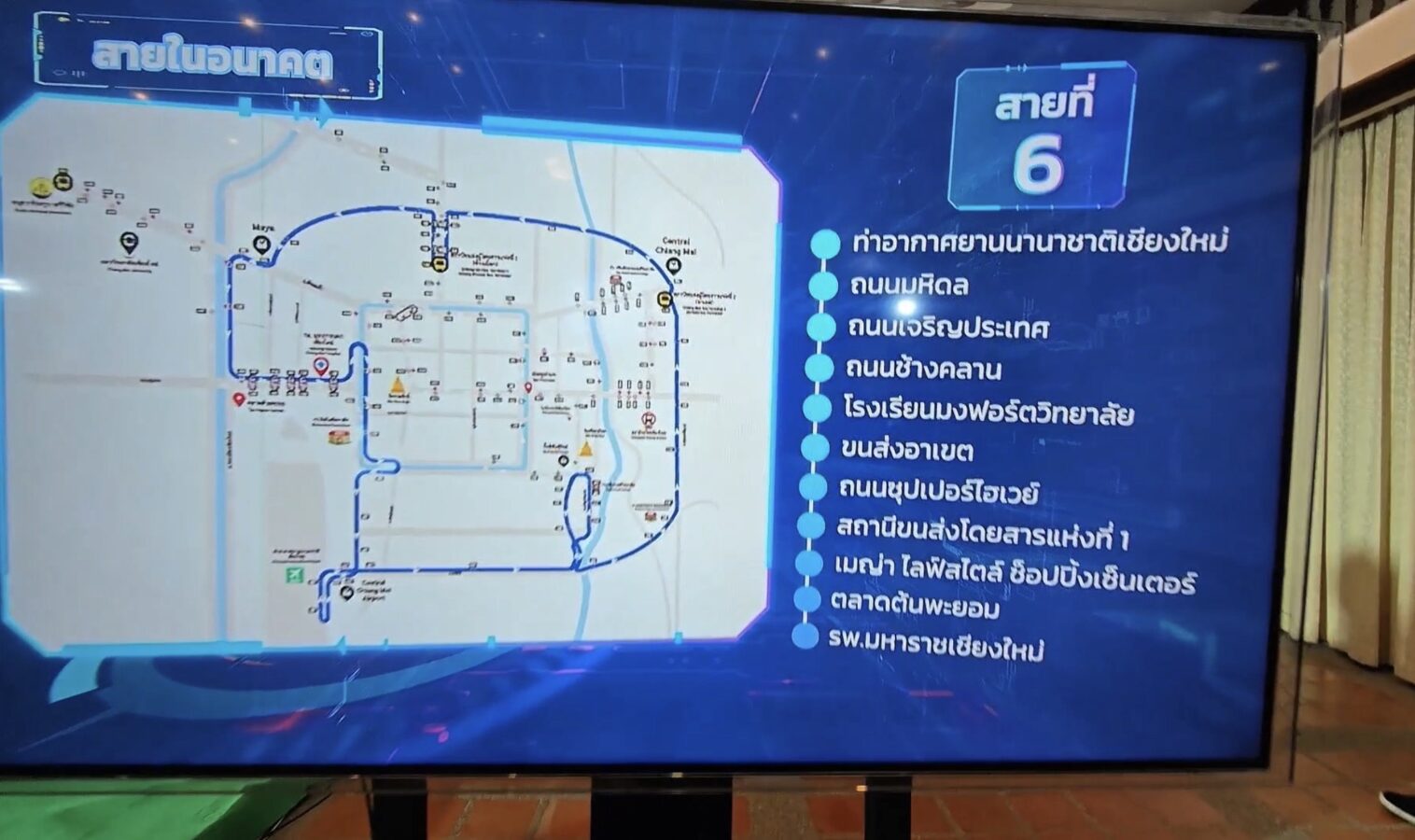
Phase 2 will expand services to Route 6, linking Chiang Mai International Airport with key economic areas, educational institutions, and major hospitals across the city.
Phichai Lertpongadisorn said the project is expected to require an initial budget of more than 100 million baht, with around 40 buses in service during the first phase. Buses will operate at 10-minute intervals to meet the needs of both locals and tourists. The EV bus system is intended to be efficient, safe, and affordable, with fares capped at no more than 20 baht per trip, while connecting tourist attractions, economic zones, and park-and-ride facilities to reduce private car use — particularly during peak hours.
He added that the initiative also supports Chiang Mai’s ambition to become a World Heritage city and advances its transformation into a smart city, under the concept: