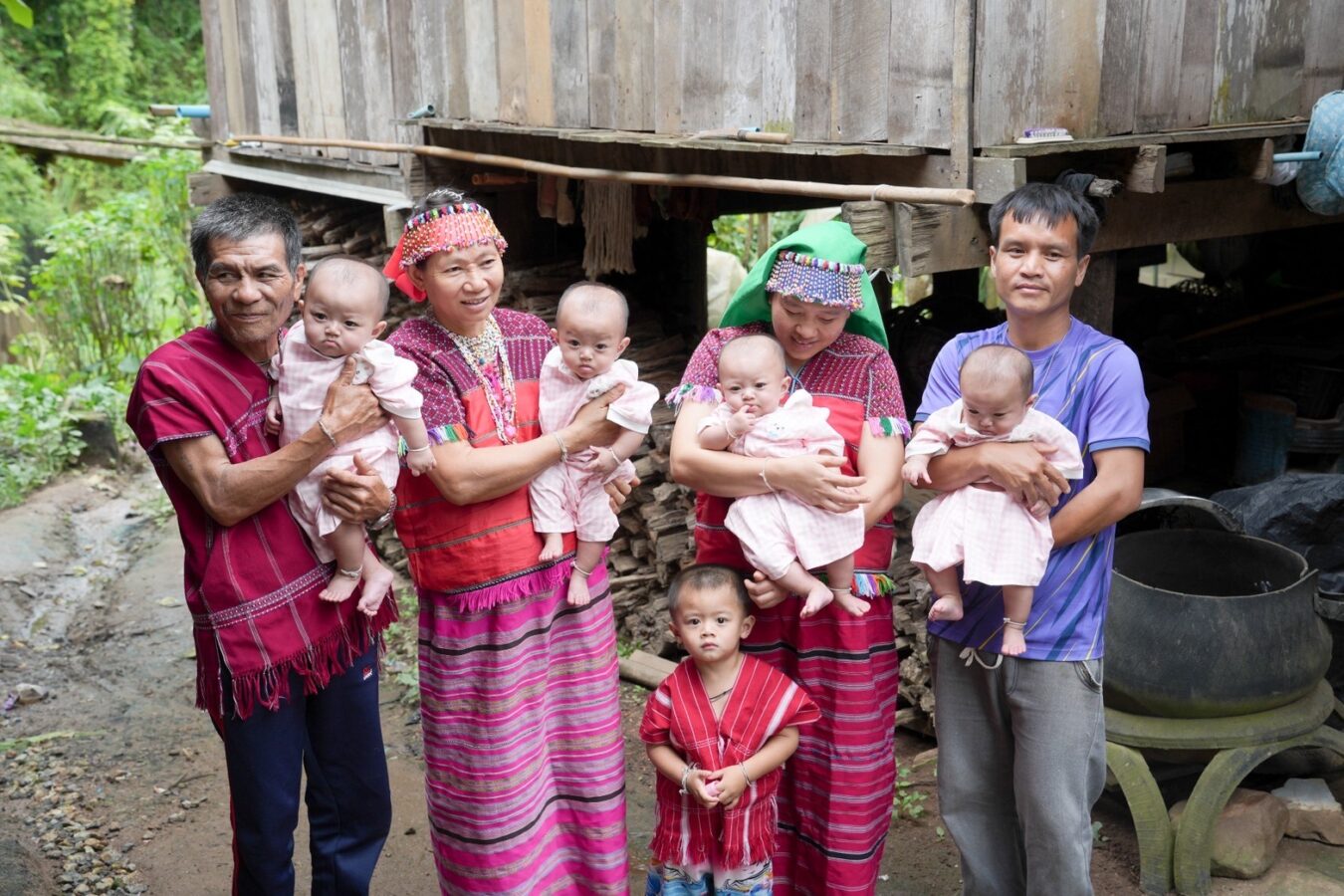
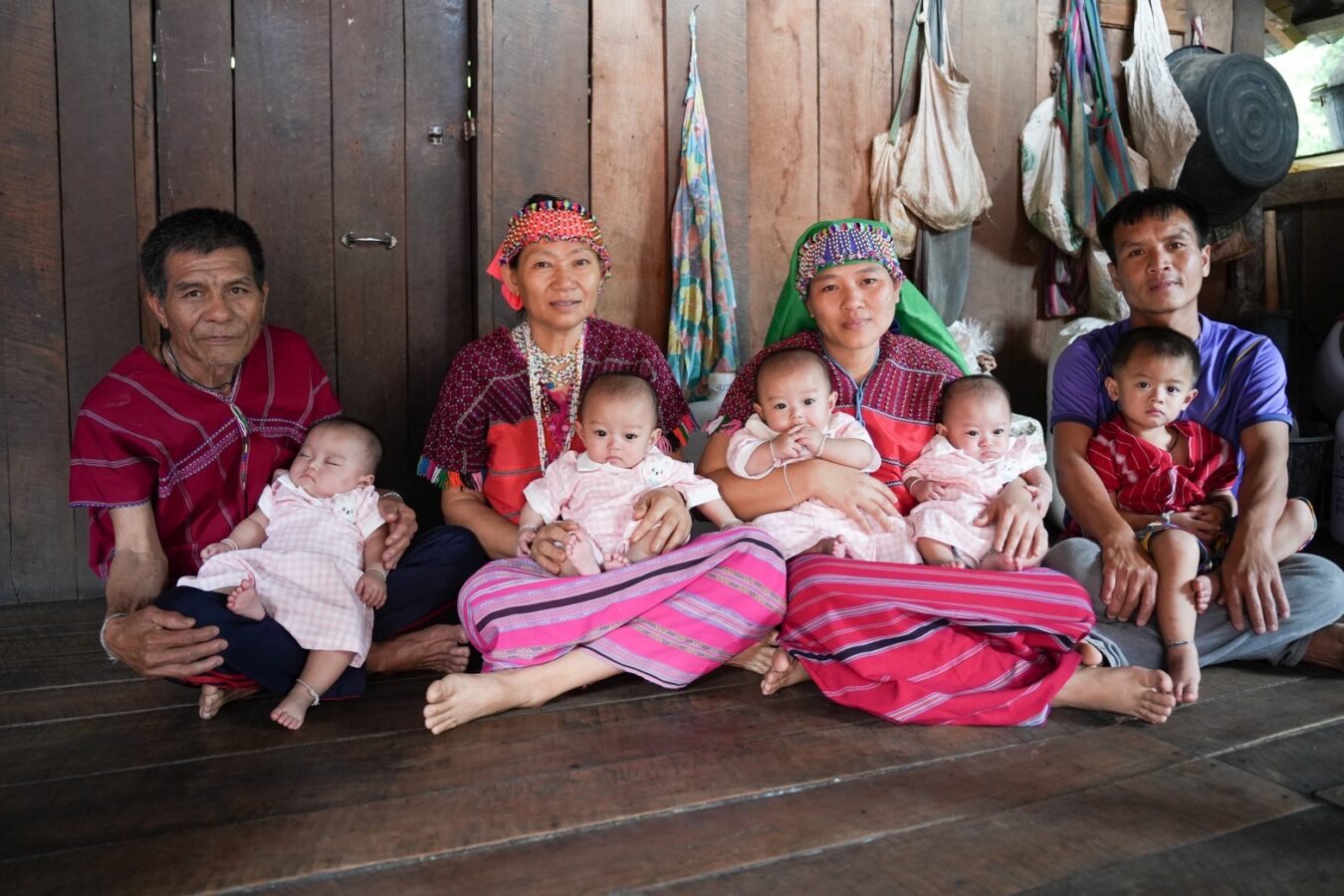
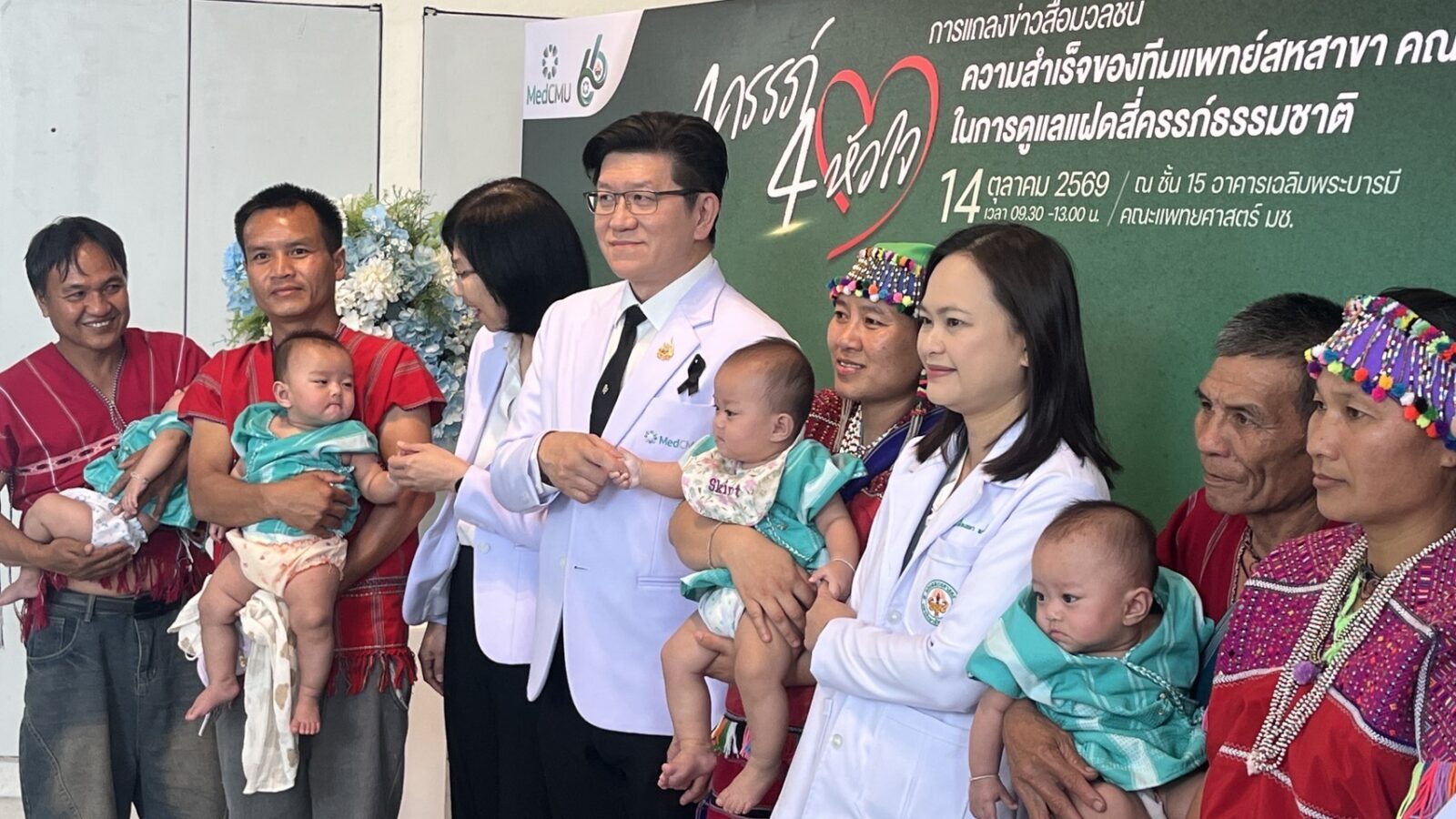
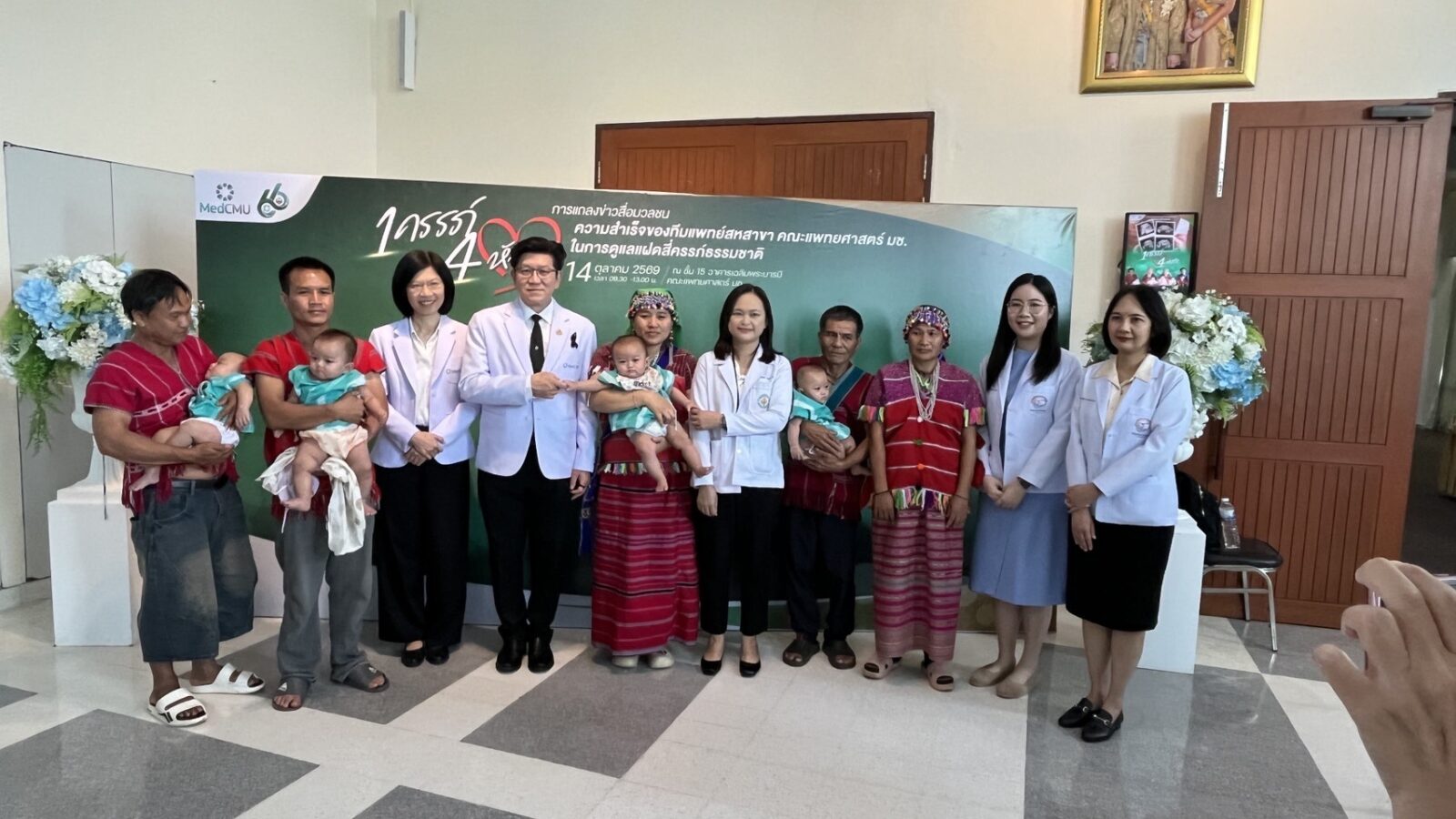
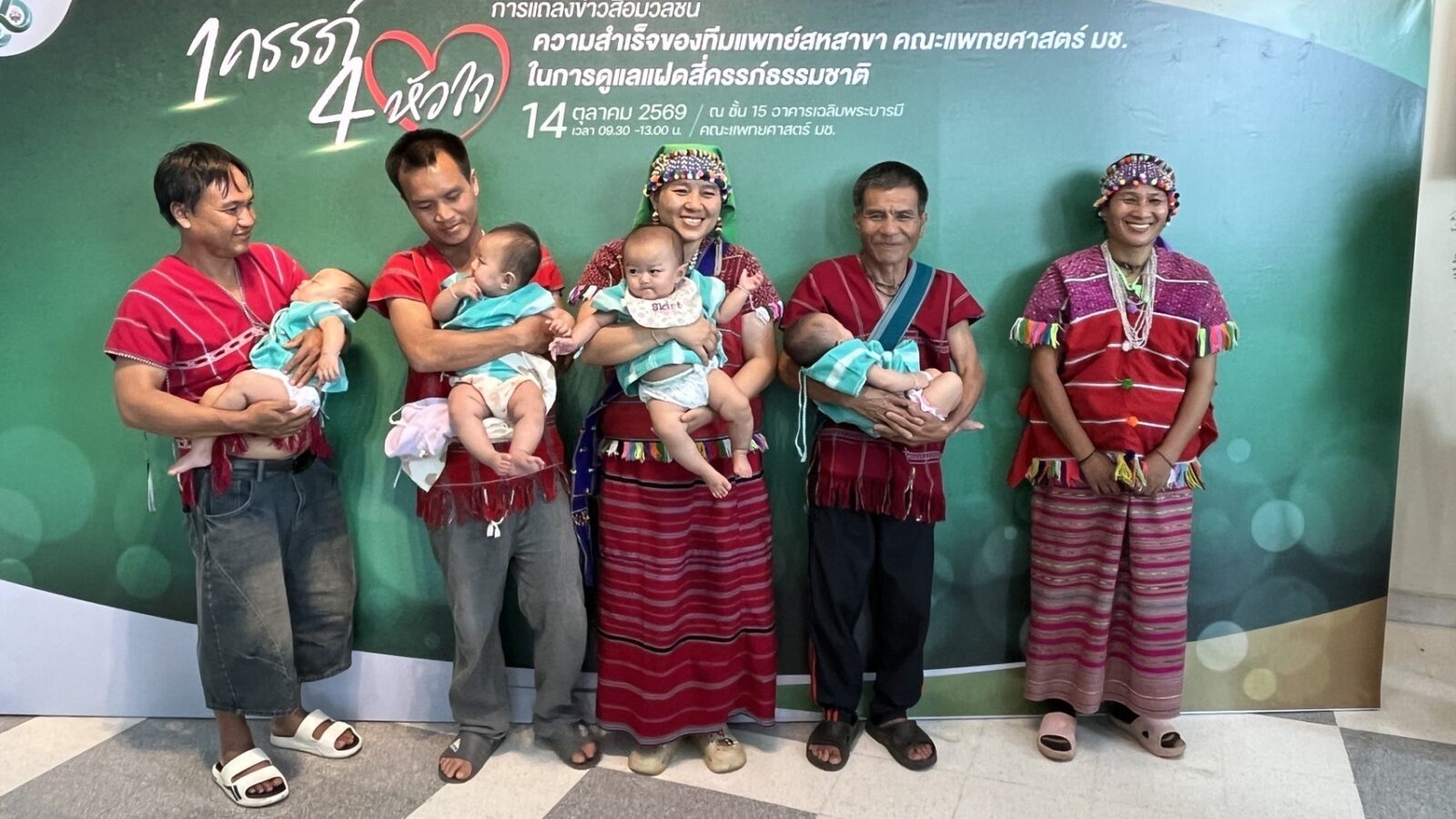
A Karen woman from Mae Sariang who went to hospital expecting triplets has given birth to four babies, and Chiang Mai University’s Faculty of Medicine says the odds of that happening naturally from a single egg are about 1 in 700,000.
Dean Narenth Chotirosniramit presented the case at a press conference on 14 October on the 15th floor of the Chalermprabaramee Building. The babies are identical, grew from one egg and shared a single placenta, each in its own amniotic sac. Doctors at Maharaj Nakorn Chiang Mai Hospital described it as both rare and high risk.
The mother, 33-year-old Thitikan Sinirakthrap, was referred from Mae Sariang Hospital in Mae Hong Son at 23 weeks. The hospital there had counted three. A detailed ultrasound by the maternal-fetal medicine team counted four.
Assoc Prof Dr Fuangladda Thongprasert, who heads the maternal-fetal medicine unit, said the main job was to keep the pregnancy going as long as possible while watching for the usual dangers of a shared placenta, including uneven blood flow between babies and poor growth. Quadruplets tend to arrive around 29 to 30 weeks, so every extra day counted. The long trip from Mae Sariang made regular check-ups awkward, so the Chiang Mai team worked with Mae Sariang’s obstetricians to share the monitoring. Scans were planned every one to two weeks. The mother was given medication to prevent pre-eclampsia, screened for other complications and referred to a dietitian, since she was eating for five, in a manner of speaking.
She was admitted to Maharaj at 27 weeks for steroid injections to mature the babies’ lungs, and then she waited. The team rehearsed the delivery repeatedly, with the obstetricians, anaesthetists, neonatologists and nurses all walking through the plan, and prepared drugs, blood, equipment and space for four newborns. A caesarean was planned from the start because the babies were lying breech or sideways.
At about 2.30am, at 29 weeks and 5 days, contractions began and the cervix had opened 2 centimetres. Doctors gave drugs to slow things down while the team assembled. Dr Fuangladda said the hardest call of the whole case was whether to keep suppressing labour, with its side effects, or to deliver, since each extra day in the womb meant more weight for the babies.
The operation took about an hour with no complications. Nearly 30 people were involved: four obstetricians, 10 to 12 paediatricians, five anaesthetists and anaesthesia nurses, and five theatre nurses. The babies weighed 1,110, 1,295, 1,115 and 800 grams.
All four were born very prematurely and went straight to the neonatal intensive care unit. Dr Nawinda Ruengamnat of the paediatrics department said the challenge was having four fragile newborns needing attention in the same first minutes, each with different problems and each needing their own treatment plan. All had trouble breathing because their lungs were not fully developed, so they received ventilation according to need, and some were given surfactant to help the lungs work.
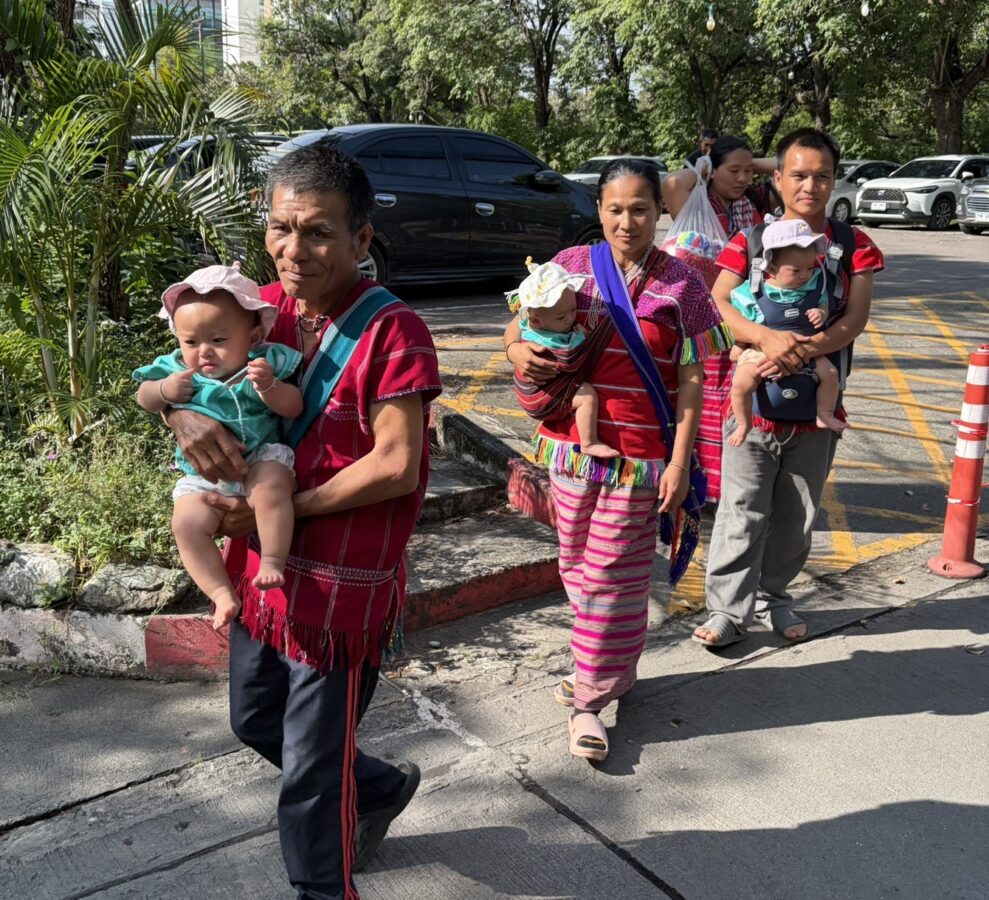
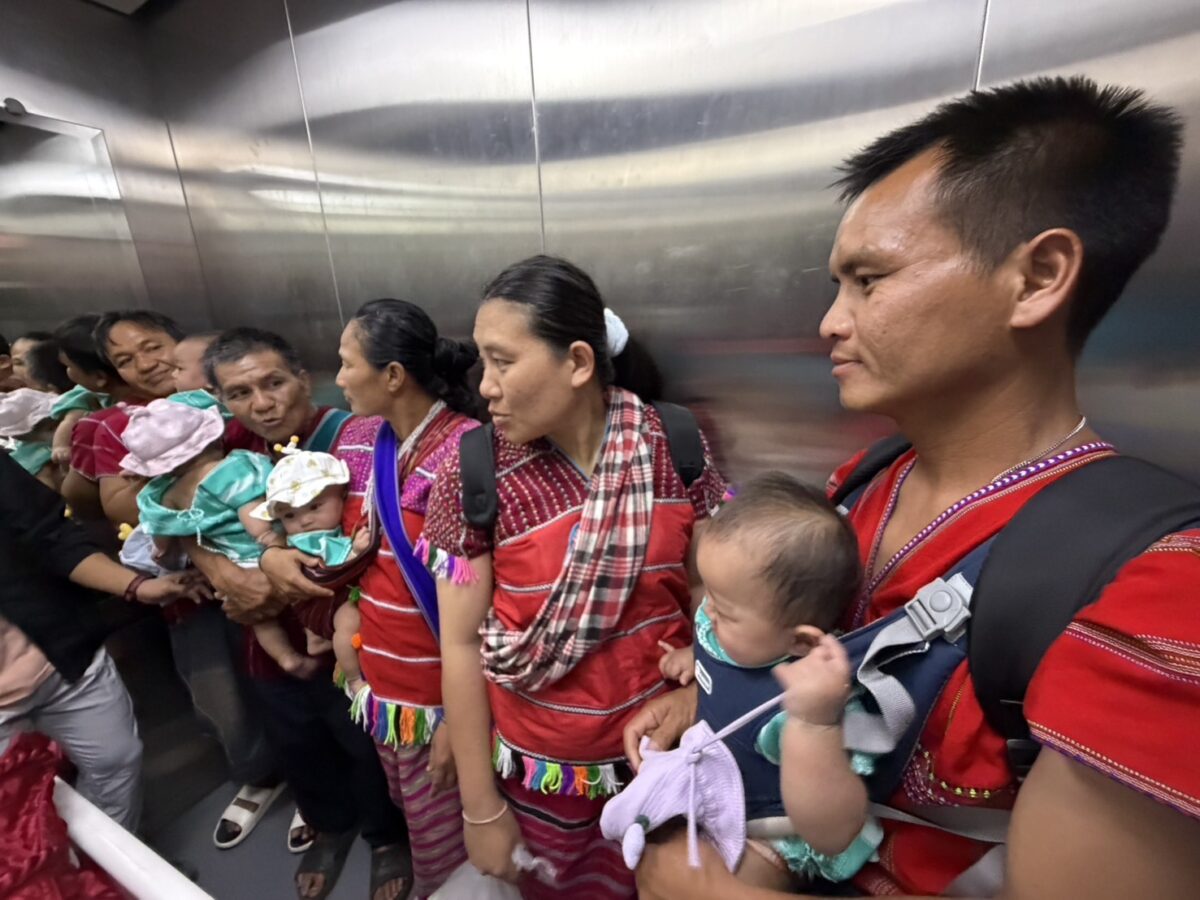
They started on milk on day two, a mix of their mother’s and donated milk from Chiang Mai University’s breast milk bank, and reached full feeds in about a week. Support was then reduced step by step. They are now breathing on their own, feeding and growing well, and have gone home to their family.
The babies, named Idea, Iva, Ida and Ira, are now 8 months old. Dr Nawinda put their survival down to preparation, continuous care and cooperation rather than any single treatment, and noted the parents and the mother’s milk played a real part. Dr Fuangladda thanked the family, saying the mother looked after herself very well, and the team that “carried out the plan as prepared.”