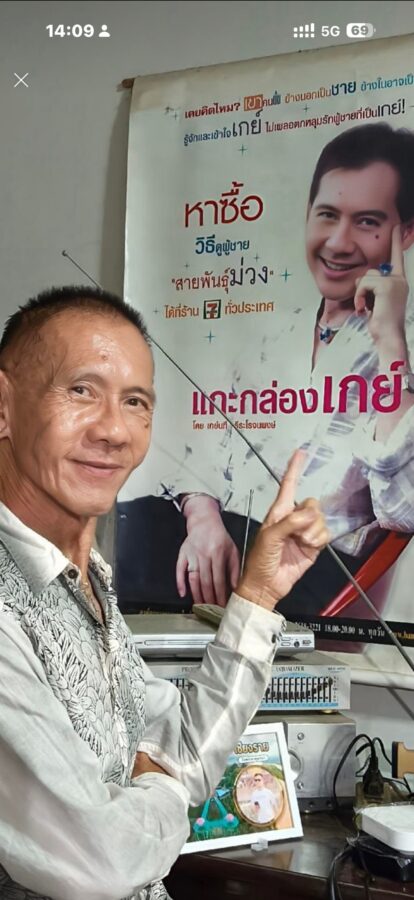
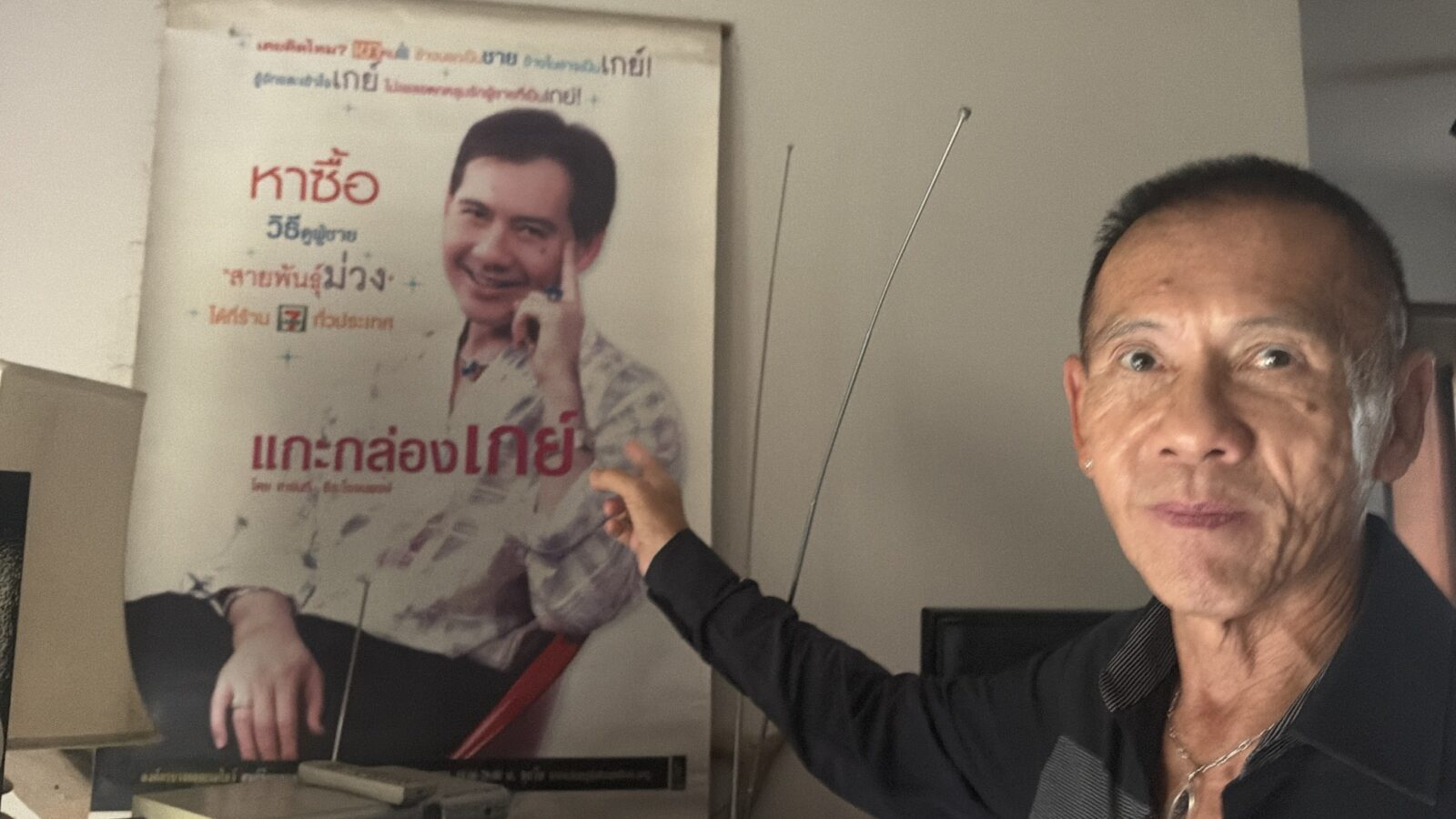
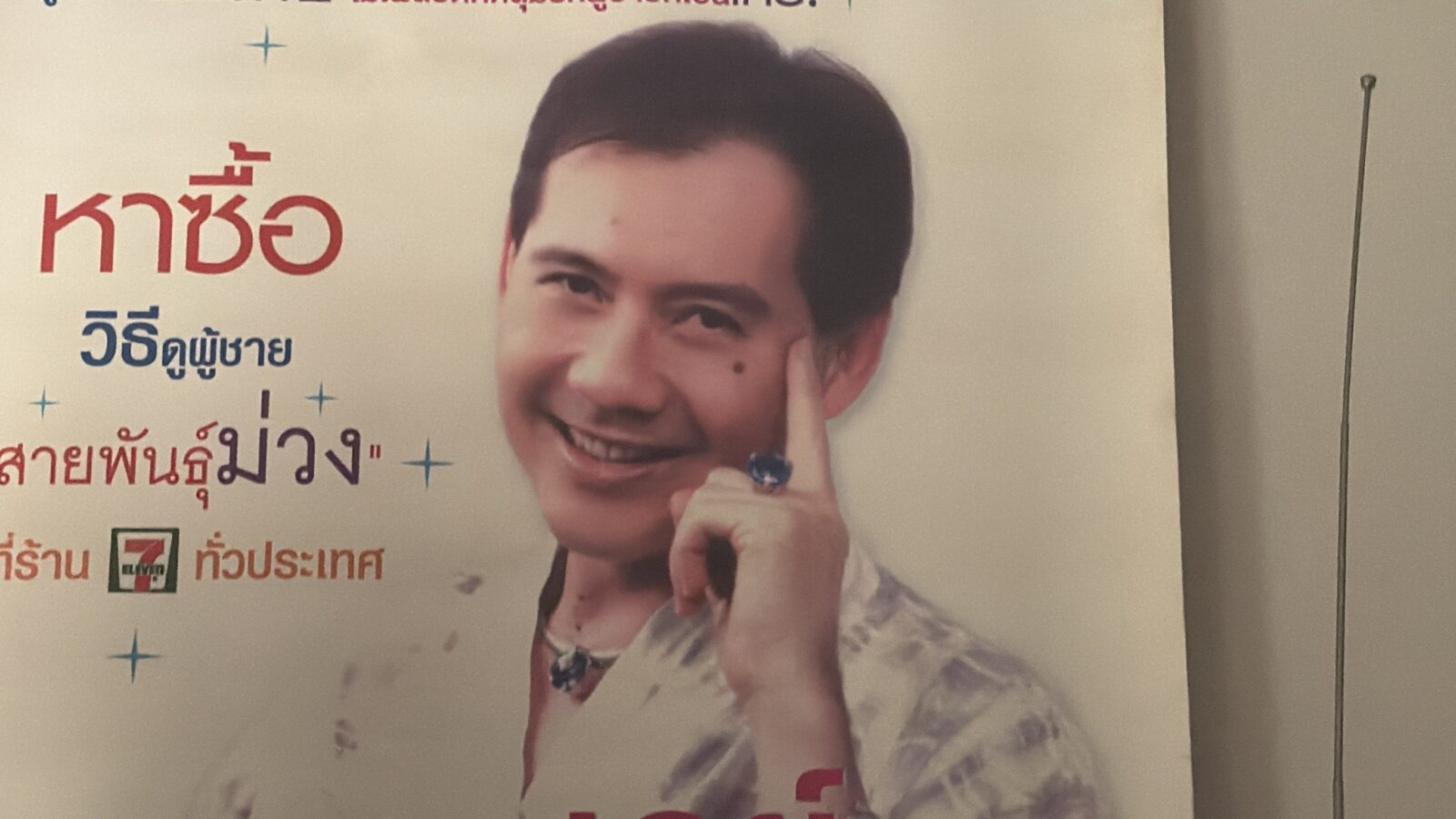
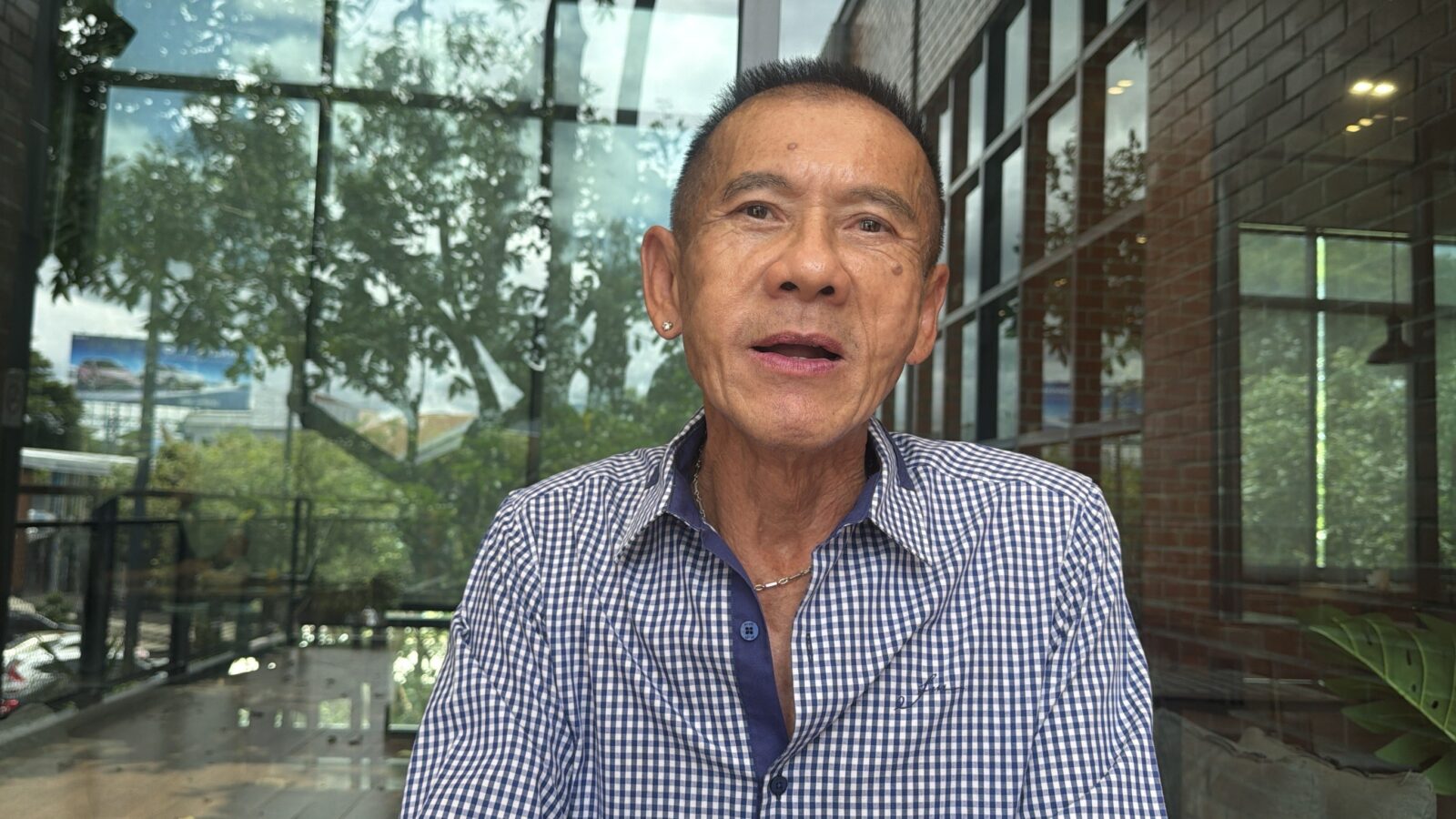
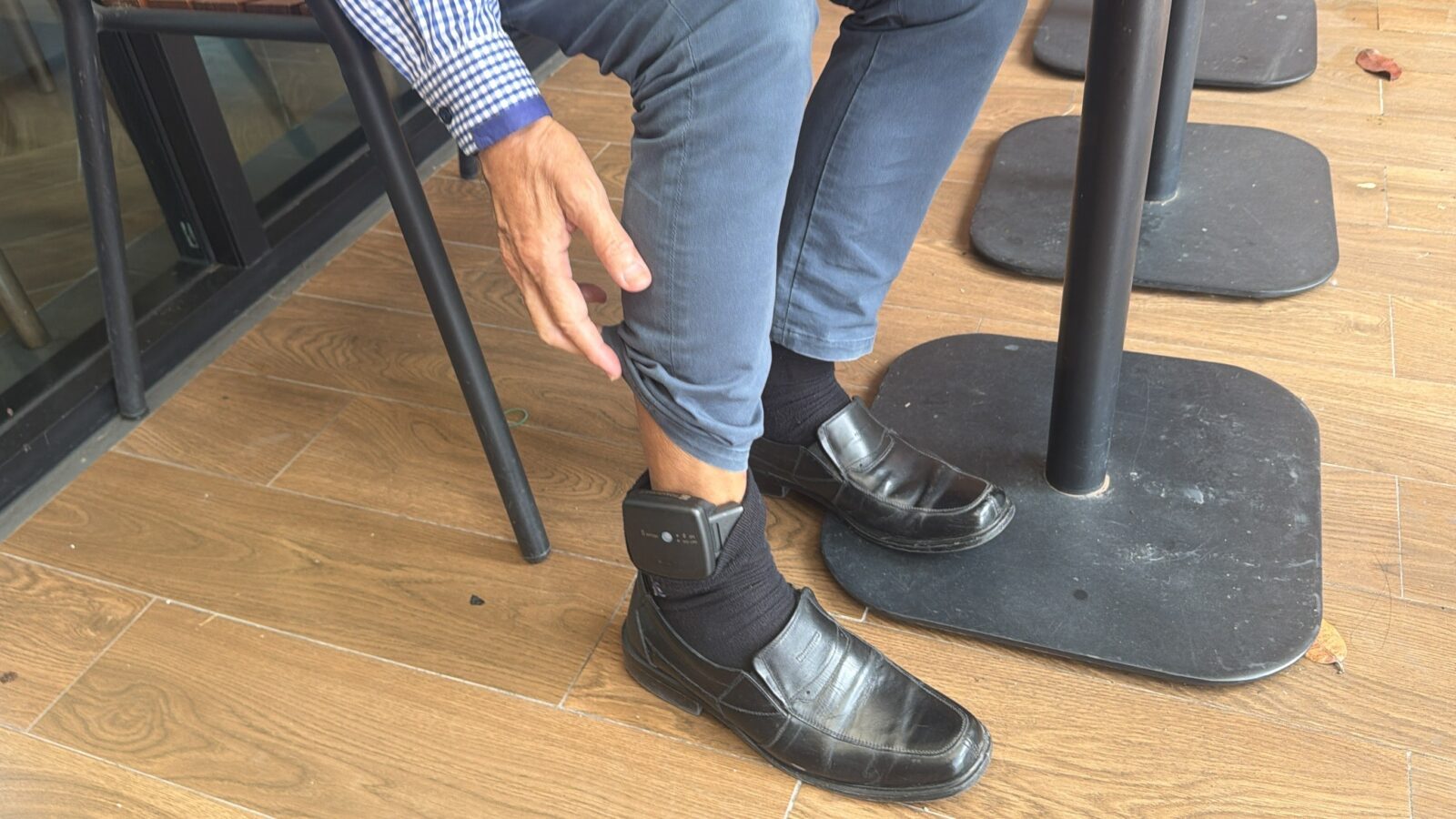
At the clinic he consulted doctors about restoring his appearance without surgery — a gradual programme of tip-tightening treatments, light therapy for dark spots and pigmentation, and Botox for wrinkles, expected to take one to two months. “Not scared, but sad,” is roughly the tone of it. He is 69 now, was jailed at 58, and turns 70 in a few months.
He used the visit to offer a warning to other good-looking people, including celebrities, who might find themselves facing similar legal trouble. “If you go to prison, everything changes — your face, your age. You have to accept it,” he told reporters. “Looks don’t matter. Take care of your mental health.” He said he never cried over the imprisonment itself, only the first time he saw his own face in the mirror after getting out, having avoided mirrors entirely for the length of his sentence.
He said he plans a fifth memoir, titled “When an Old Gay Man Goes to Prison,” following four previous titles including “Crossing the White Line” and “Unboxing Gay.” He also wrote 2,655 songs while inside, two of which have since been produced with AI assistance and released to friends: “Wind and the Crescent Moon,” “The Night the Moon Was Kind” and “Forgetting the Home Village” among them. He credits his partner’s prison visits with keeping his spirits up, and says he plans to pay respects at the Three Kings Monument and launch a new group, the Alliance for Returning Good People to Society.
It is hard to hear any of this without the mind rushing back to February 2009, when Gay Nathee was not the man asking for sympathy over a ruined face but the one responsible for ruining something else entirely: Chiang Mai’s first attempt at a Pride parade.
Twenty-two organisations had come together that year to build on a small, cheerful 2008 gathering into something bigger, with a route planned from the Chiang Mai Religion Practice Centre up Chang Klan Road to a stage at the old Saengtawan cinema. Gay Nathee, by his own design one of the loudest voices in the city at the time — “cosy,” as Citylife described him then, with both the media and the conservative wing of the city’s Office of Culture, forever offering unsolicited sound bites, once telling this magazine, whose offices he frequented to offer his opinions, “I am gay, but first I am Lanna” — wanted to run the parade. According to Sirisak “Ton” Chaited, one of the 2009 organisers, when he wasn’t allowed to, that became a problem.
“He wasn’t happy that he wasn’t in charge,” Ton said. “When his voice wasn’t allowed to be the loudest, he turned. He reached out to the media and began to bash us, falsely accusing us of doing all the things he was actually pushing for. The media, titillated by the idea of a naughty pride parade, went berserk.”
What followed was media and social mayhem, with radio callers asking what weapons they should bring to the protest and others threatening to throw fermented fish at anyone gay who walked past their house. Nathee flamed those fires. On the day, a few hundred activists were blocked into the Religion Practice Centre car park by Red Shirt vehicles while roughly 150 police stood by and did nothing. “We were blocked in, terrified yet defiant, until before midnight,” Ton said. The mob demanded an apology on their hands and knees and a promise never to try to put on another pride again for 1,500 years. The parade never left the car park. “And Gay Nathee didn’t even turn up, after causing all that,” Ton said.
Chiang Mai’s reputation survived the parade that never happened but not the mob that stopped it. “Ensuing protests made headlines in newspapers around the world,” Citylife wrote at the time. “Chiang Mai’s reputation was indeed established… as homophobic.”
The city’s LGBT community rebuilt anyway. By 2019 an actual Pride parade drew around 1,000 people down the same streets, this time led rather than blocked by police. This May, Chiang Mai Pride returned for its latest edition, with the Governor of Chiang Mai signing a formal Memorandum of Understanding for an Inclusive City at Tha Pae Gate — the same square Gay Nathee once argued was too culturally precious to host a parade at all.
He is out now, seeing doctors about his skin while telling reporters that looks don’t matter, and planning to launch an alliance for returning good people to society.