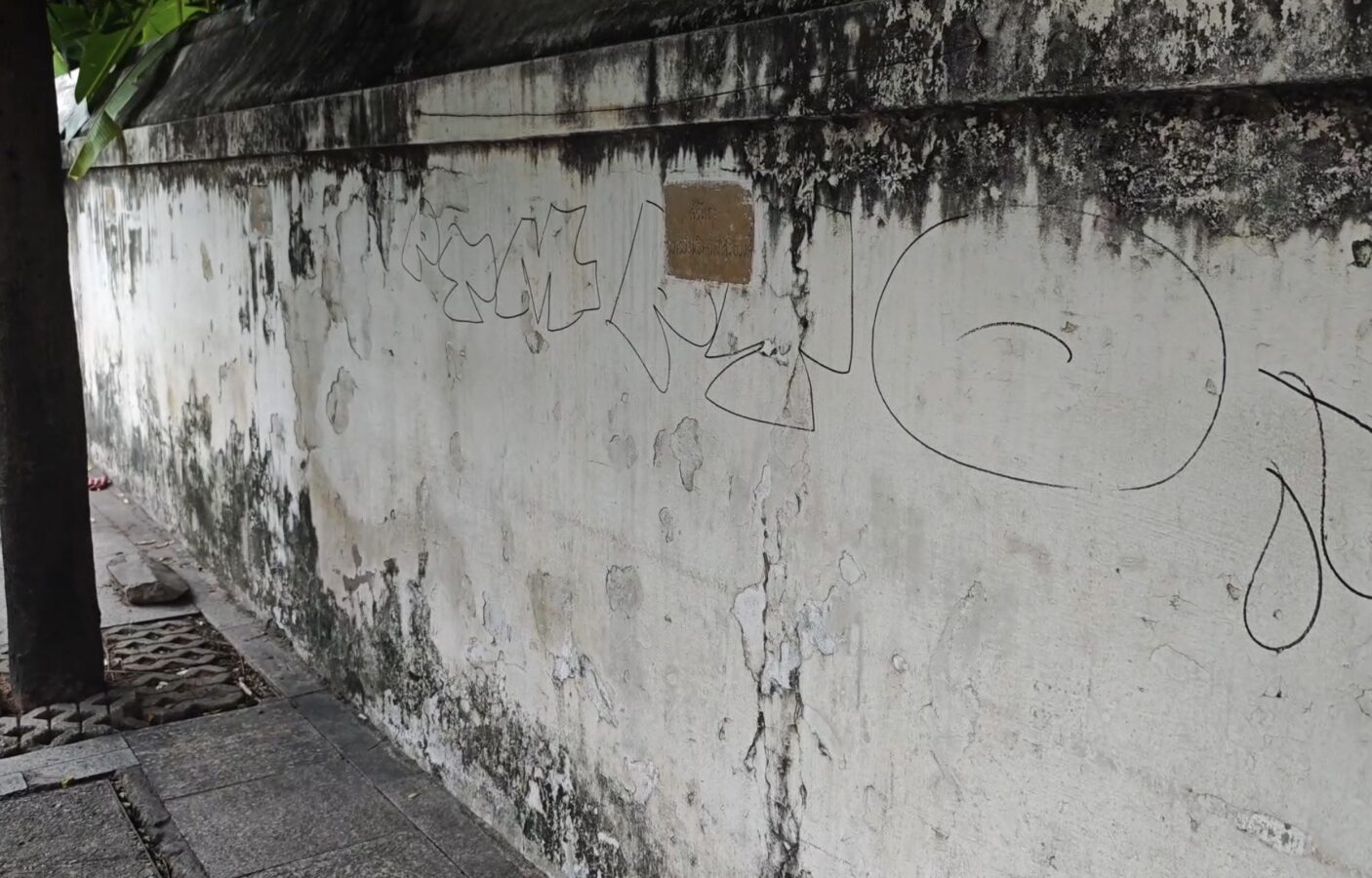
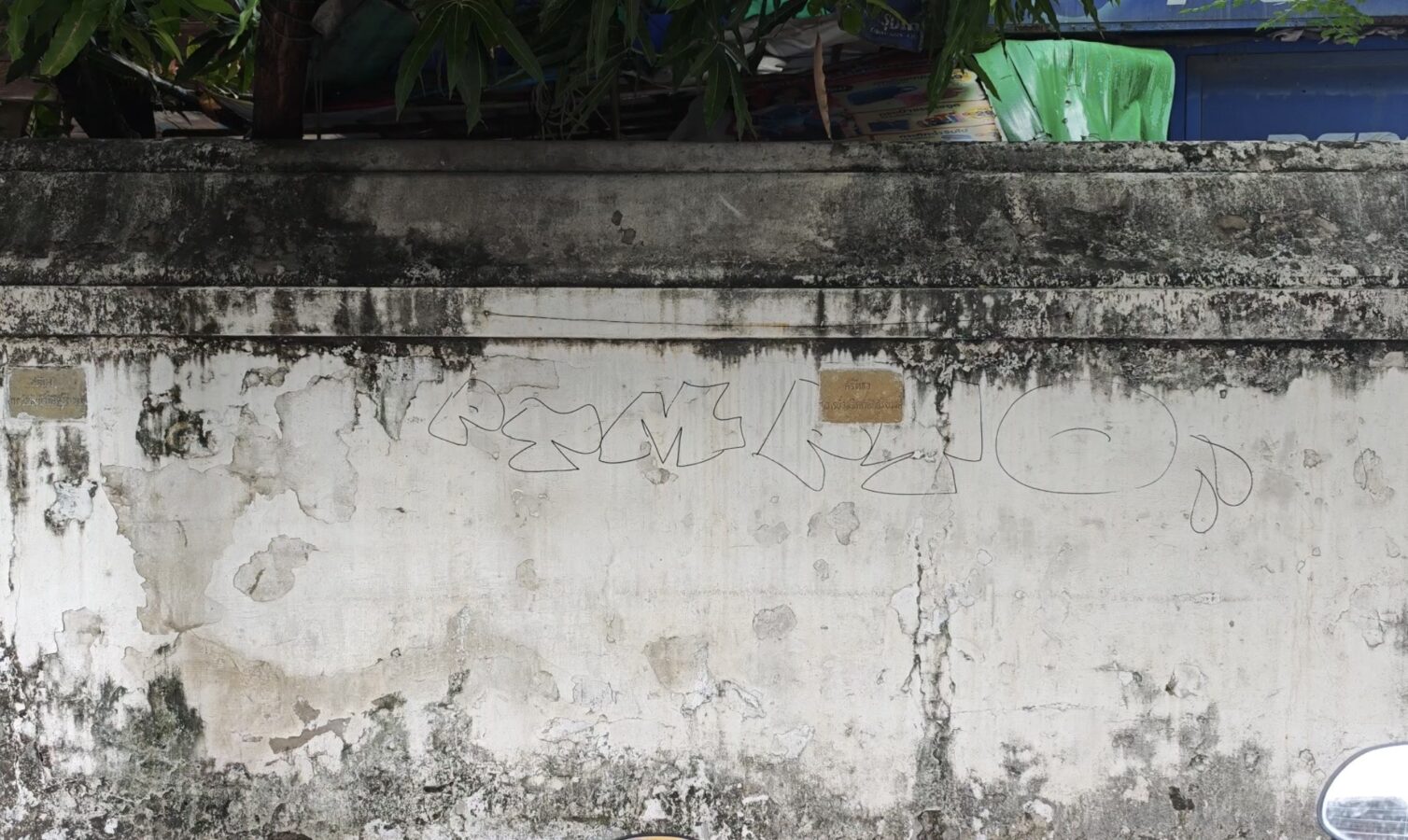
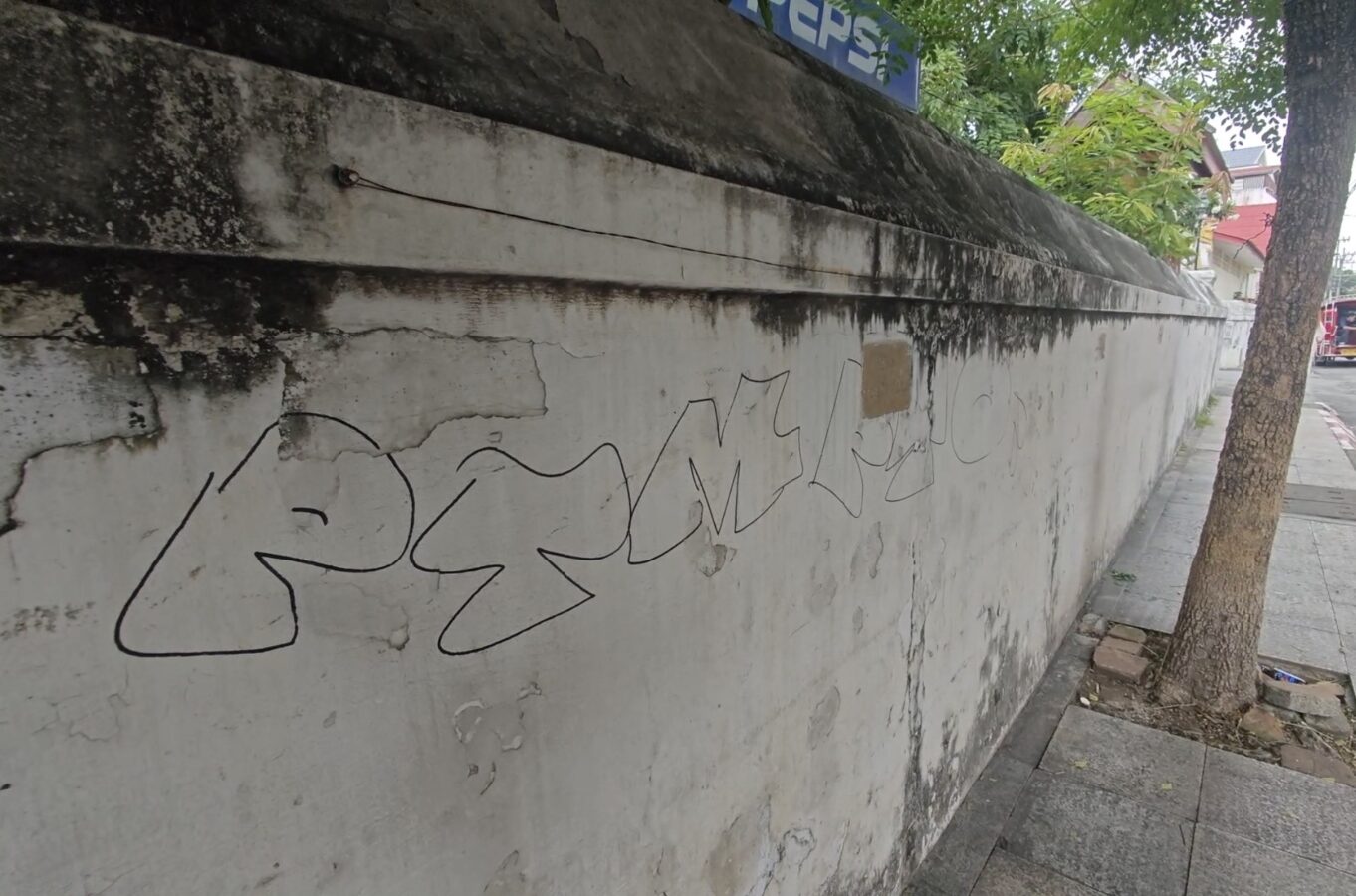
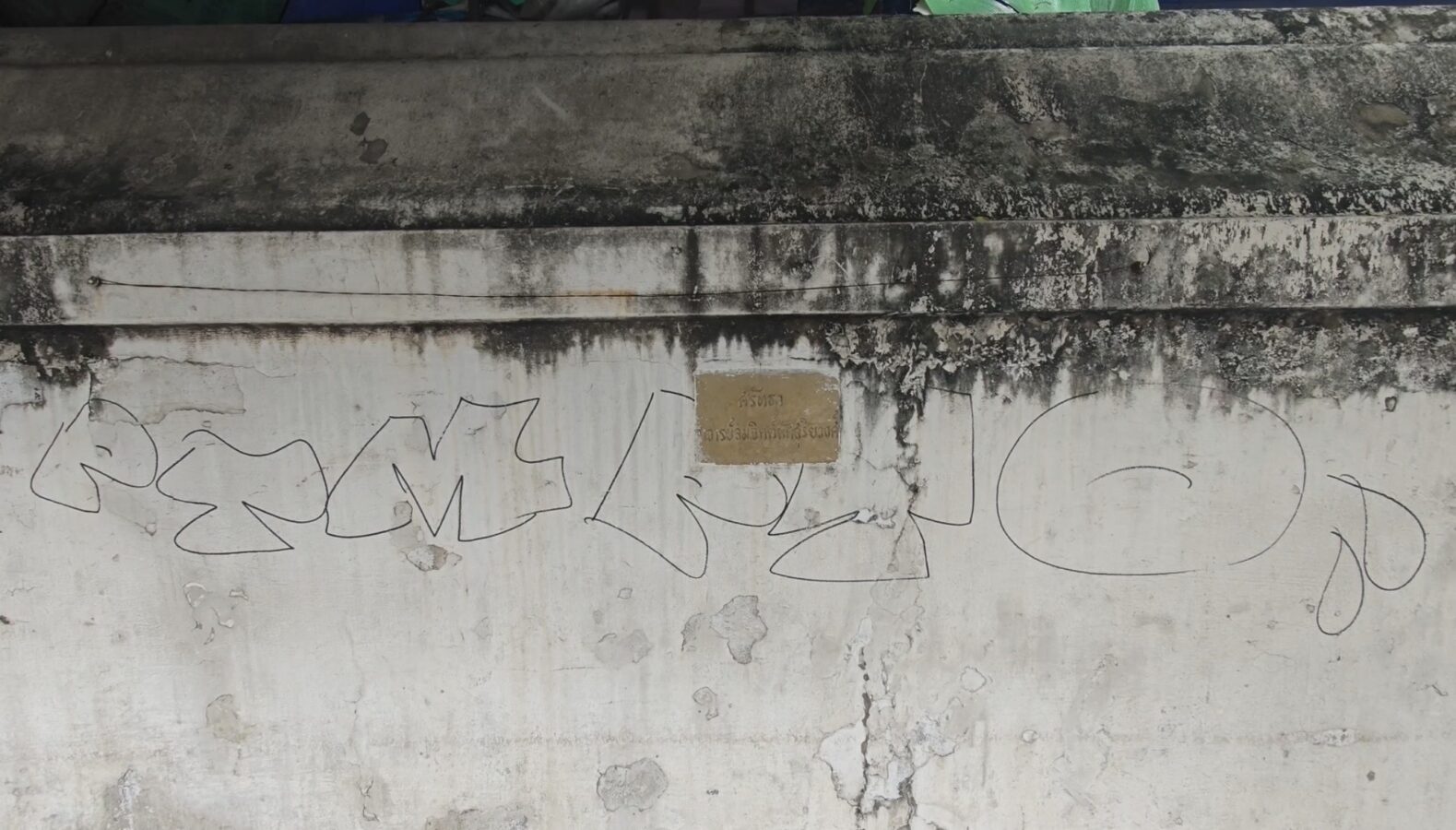
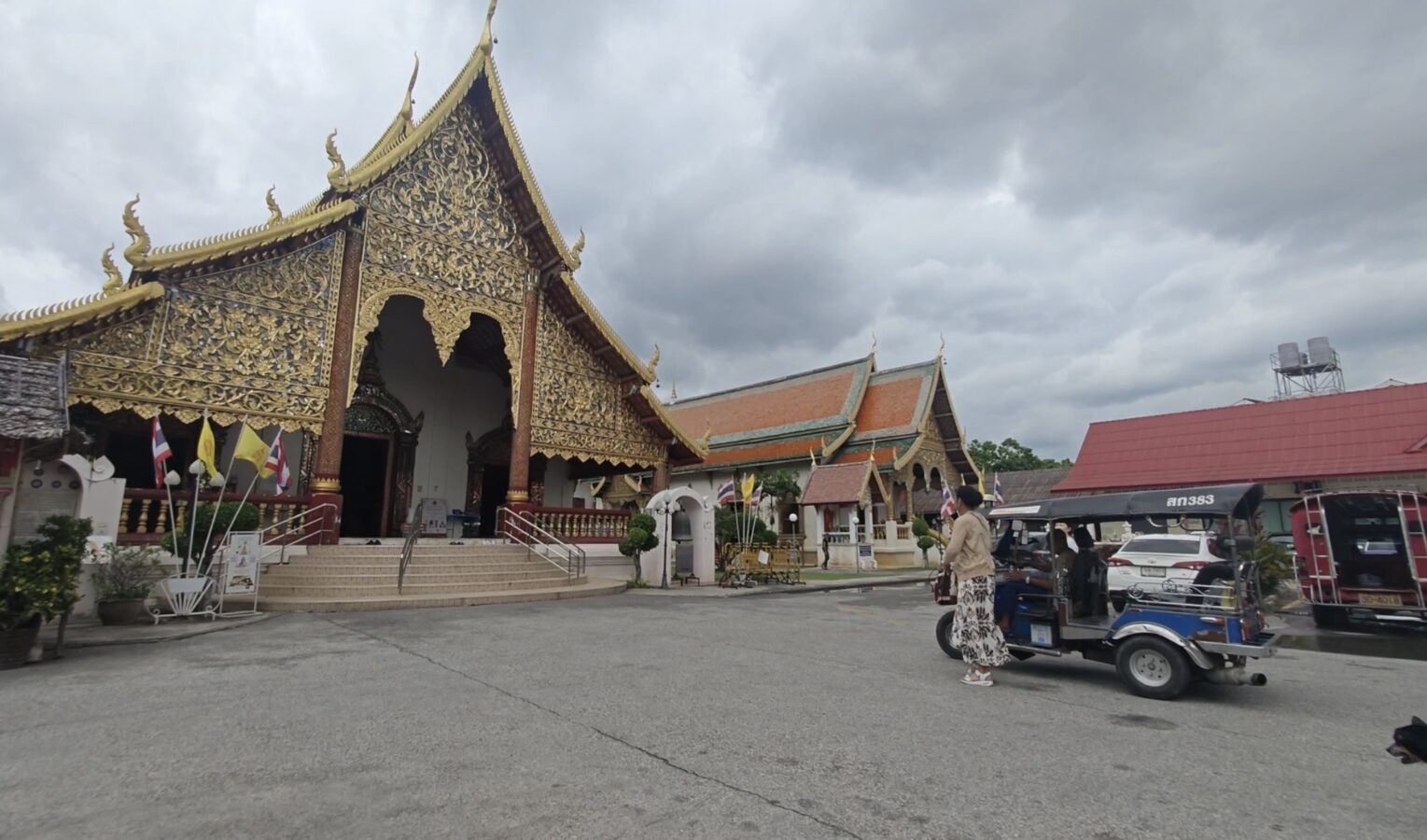
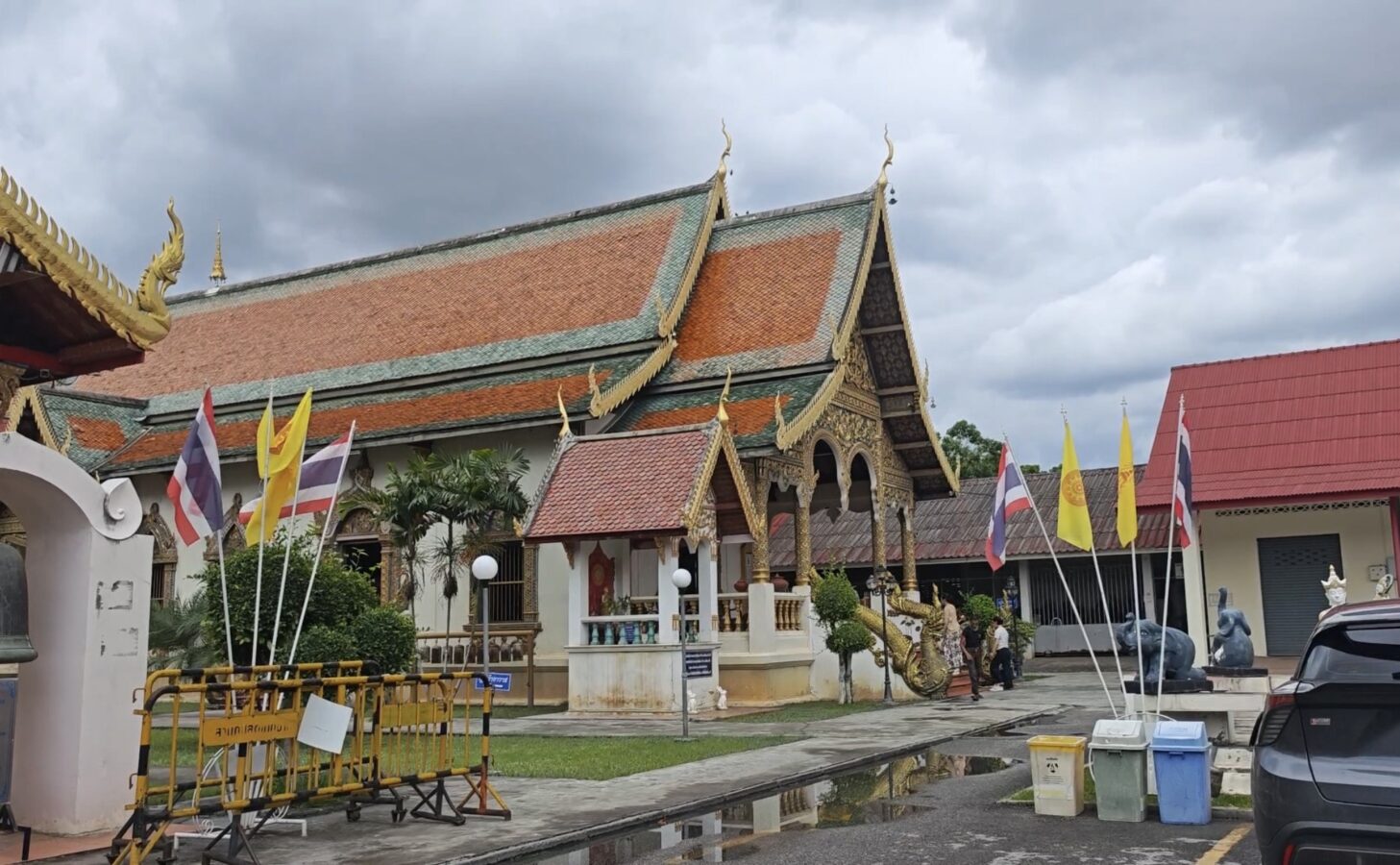
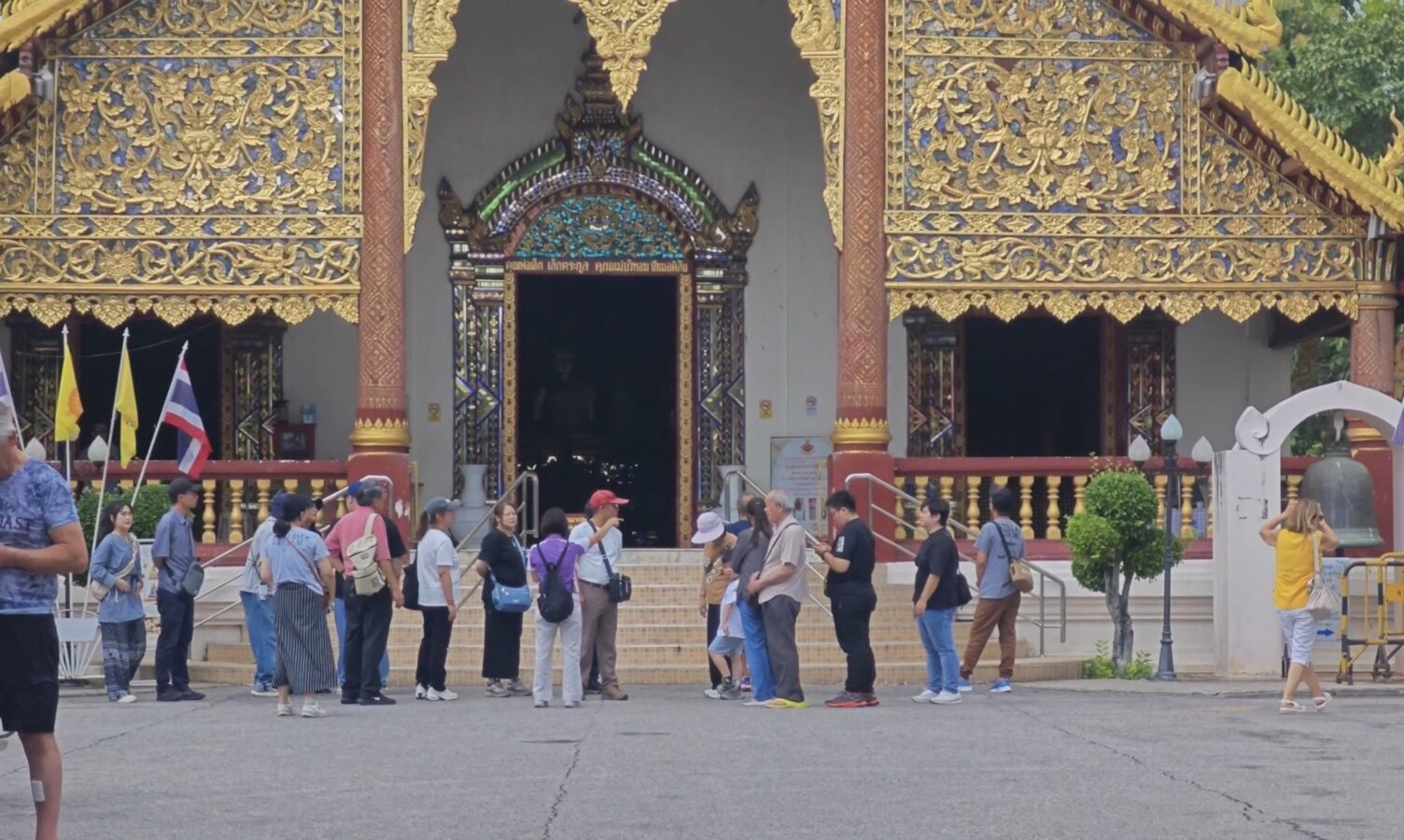
Reporters visiting the temple on 18th June found English-language text still visible on the front wall. Local residents suspect the culprits are teenagers or high-spirited tourists, and have called on police and authorities to investigate and increase surveillance to prevent further incidents.
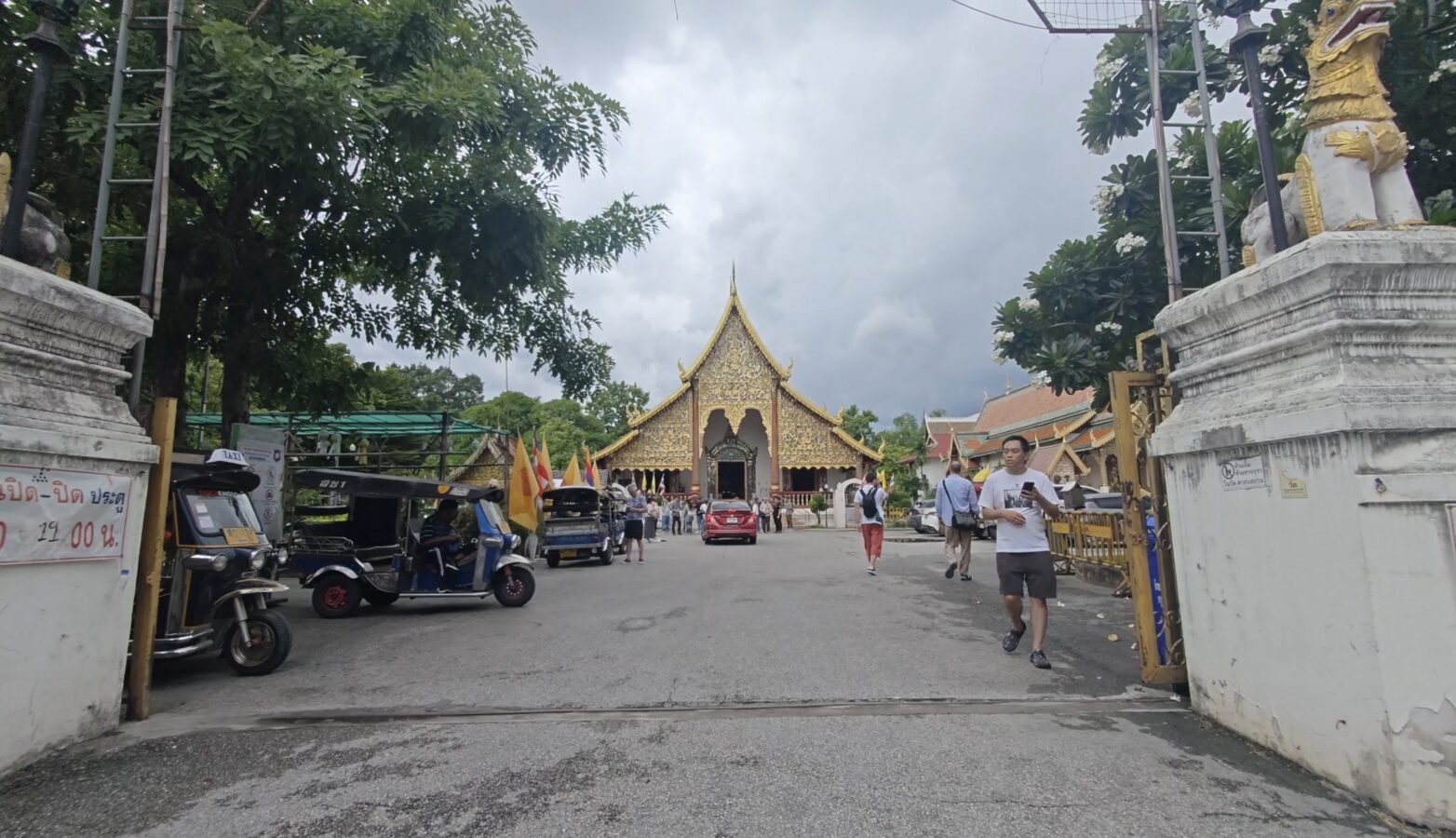
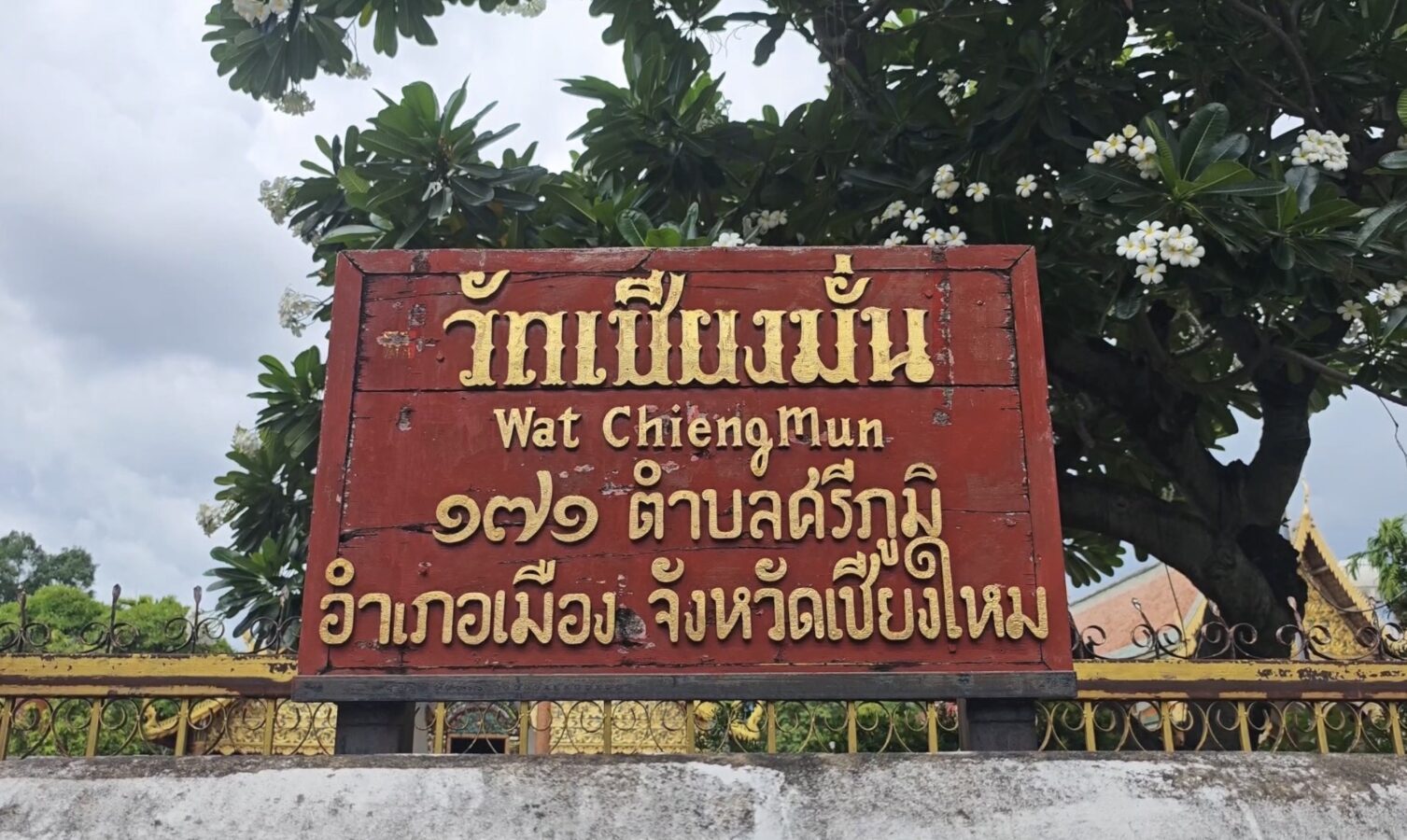
The damage comes at a sensitive moment: assessors from the International Council on Monuments and Sites (ICOMOS) are due to conduct their on-site evaluation between 3rd and 8th August. Chiang Mai has been shortlisted as one of 35 sites worldwide — selected from more than 800 nominations — under the designation of a “living heritage city,” centred on eight interconnected historic sites: Wat Chiang Man, Wat Umong, Wat Phra Singh, Wat Chedi Luang, Wat Suan Dok, Wat Phra That Doi Suthep, Wat Chedi Yod and the Chiang Mai moat and city walls. The city is home to hundreds of thousands of residents and represents a distinctive network of living cultural heritage.
While residents and business owners have been working to improve the city’s appearance and organisation ahead of the visit, the graffiti has been described as jarring and inconsistent with the image of a historic Lanna city.
Should Chiang Mai succeed in gaining World Heritage status, it would mark a significant turning point — strengthening historic preservation, raising the city’s international profile, boosting tourism management standards and generating substantial economic opportunities, while giving Chiang Mai residents cause to take pride in the cultural legacy they have collectively maintained.