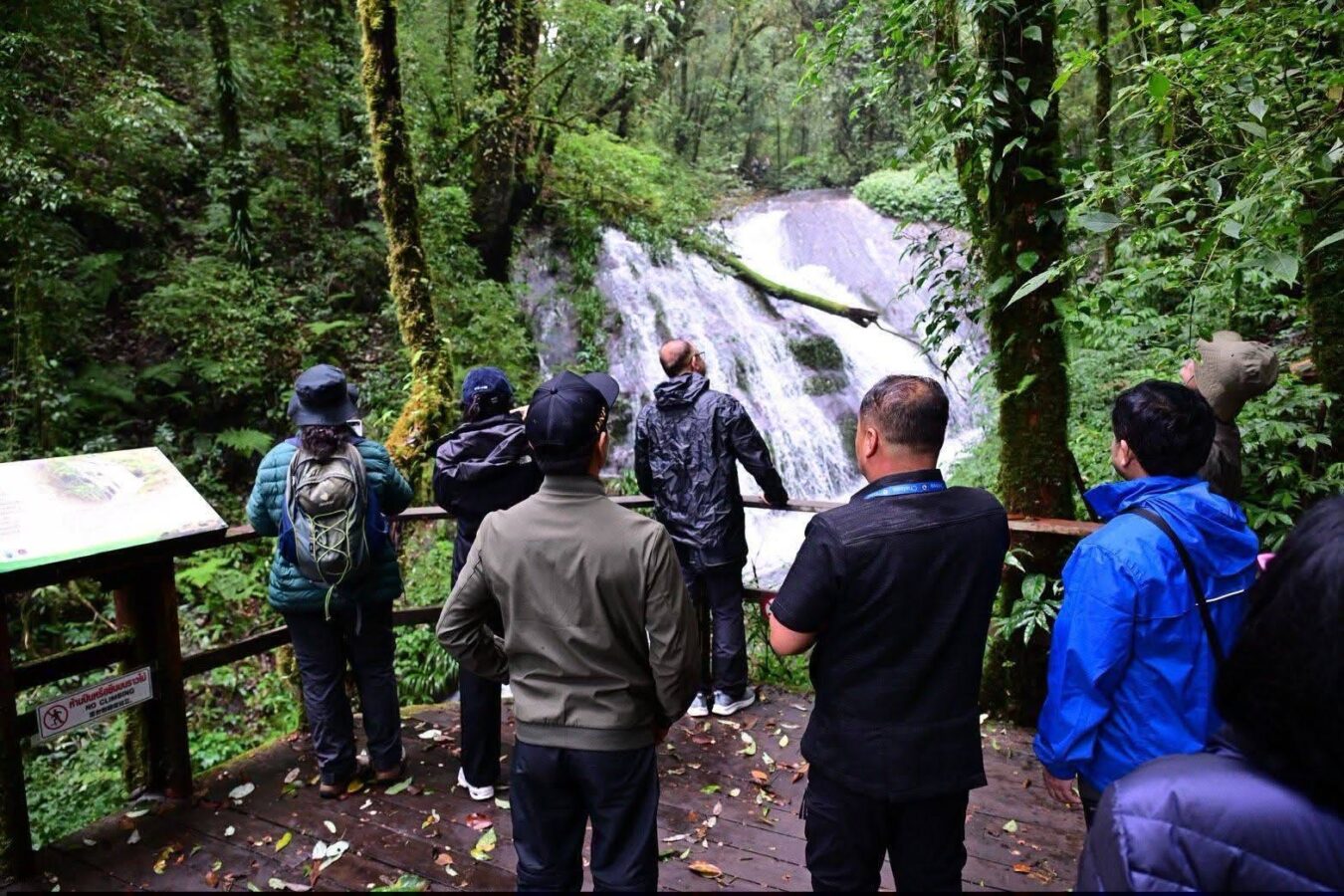
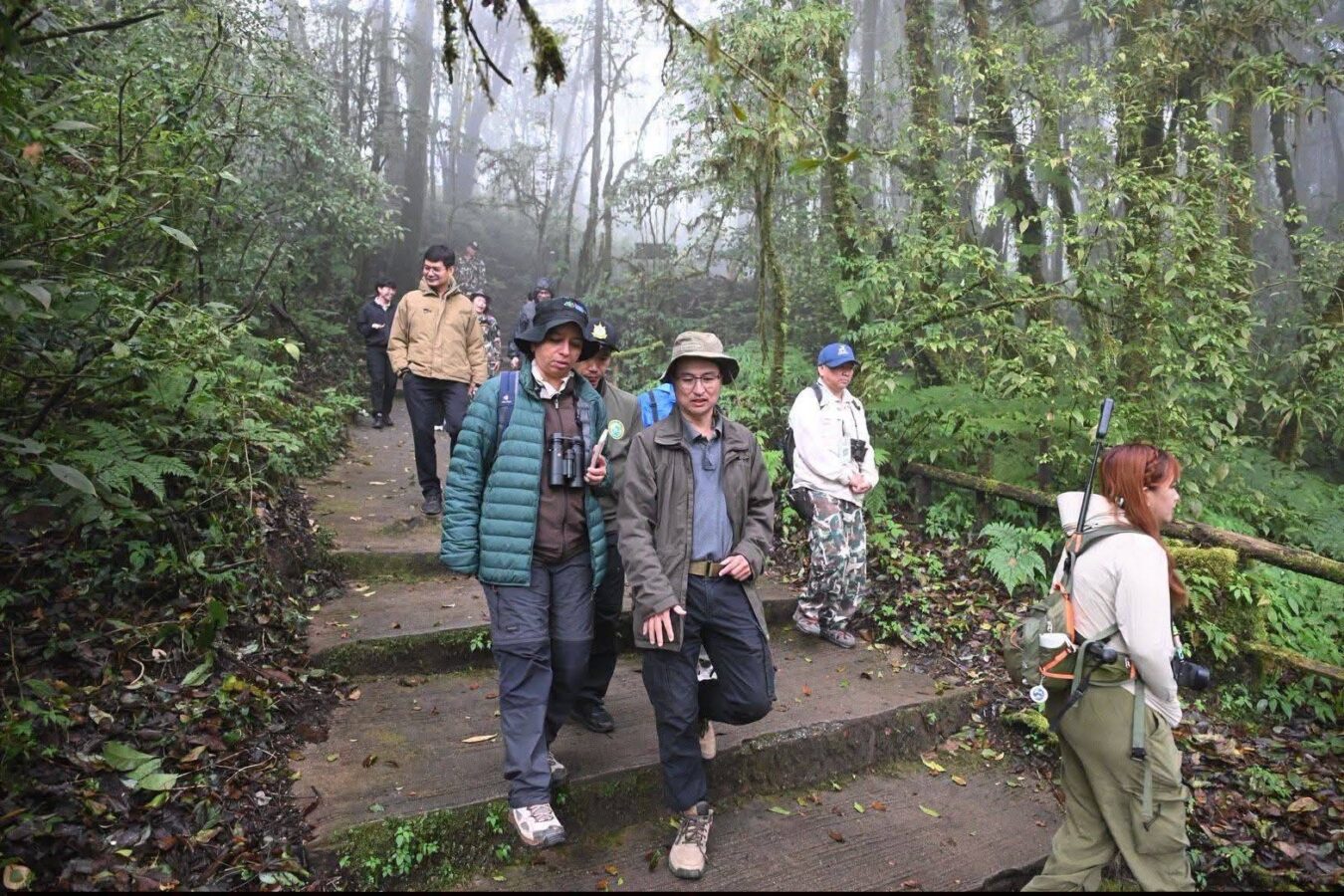
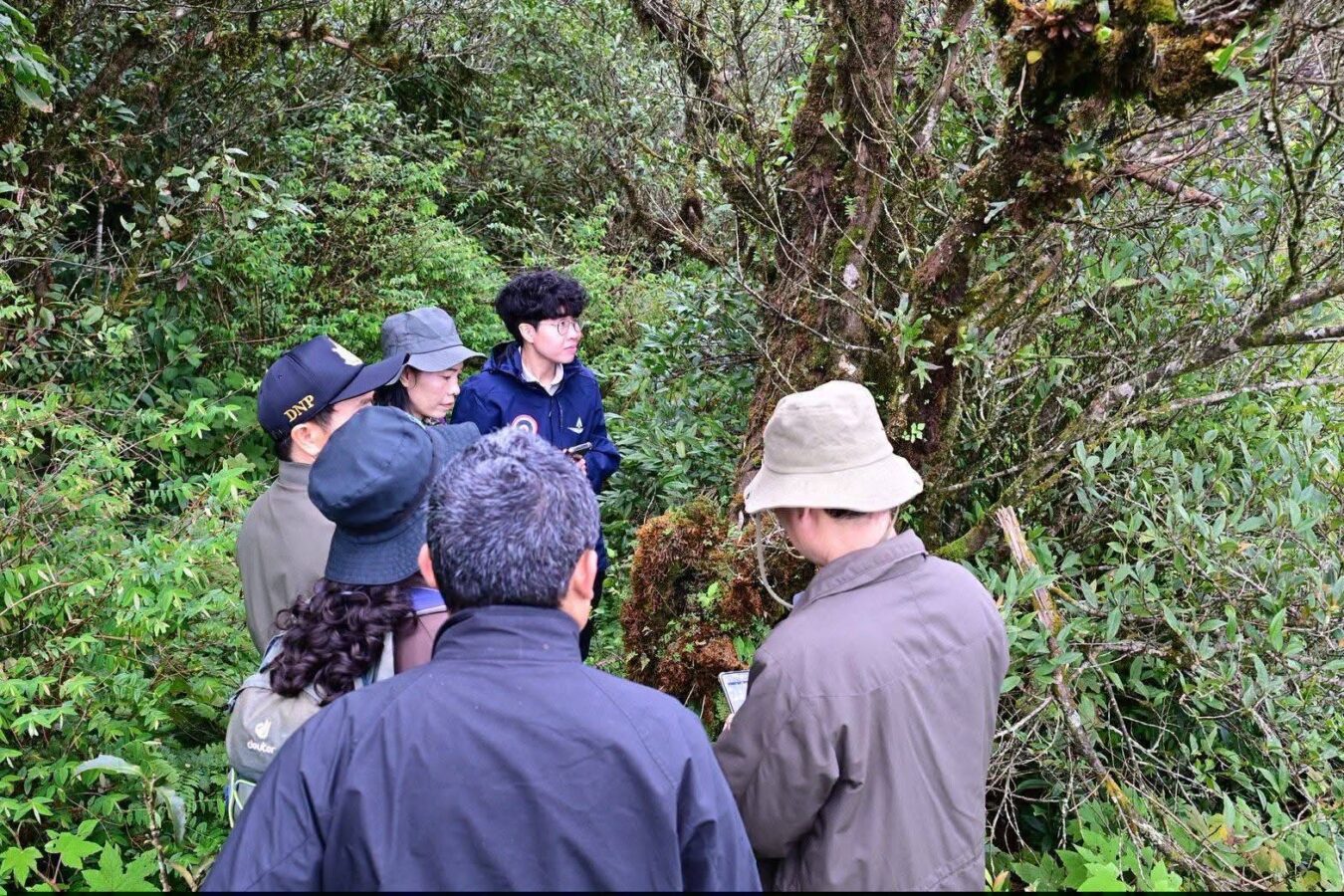
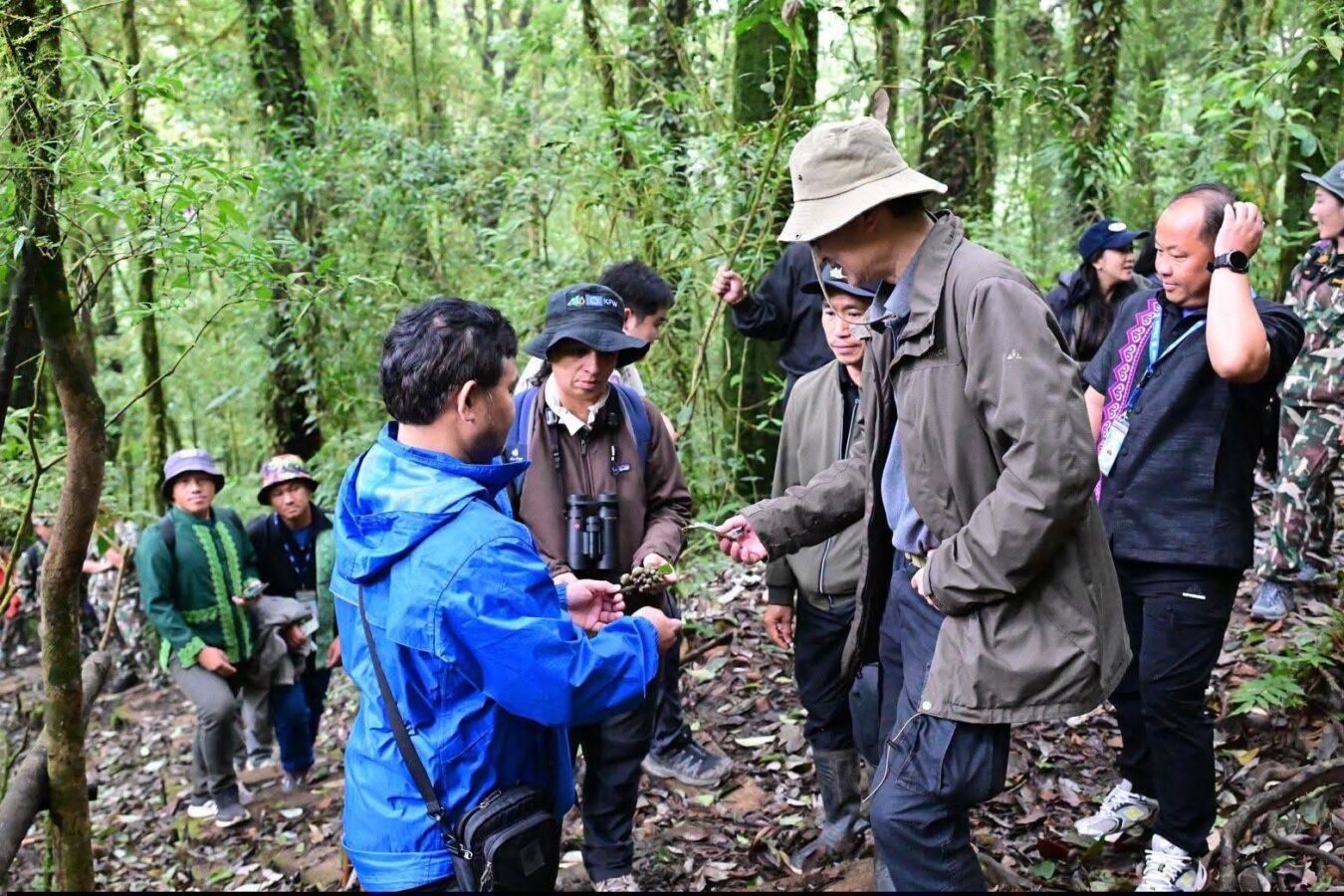
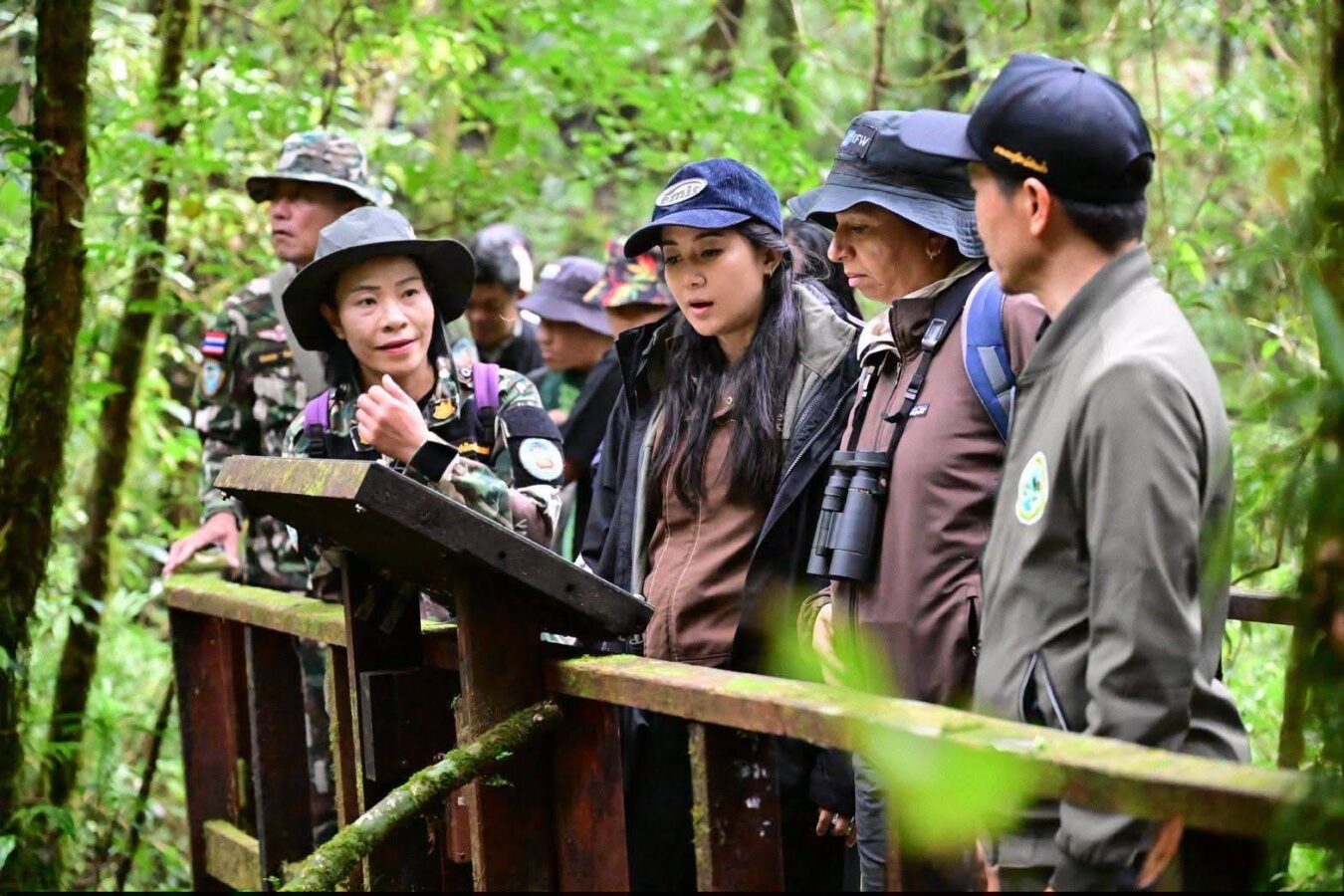
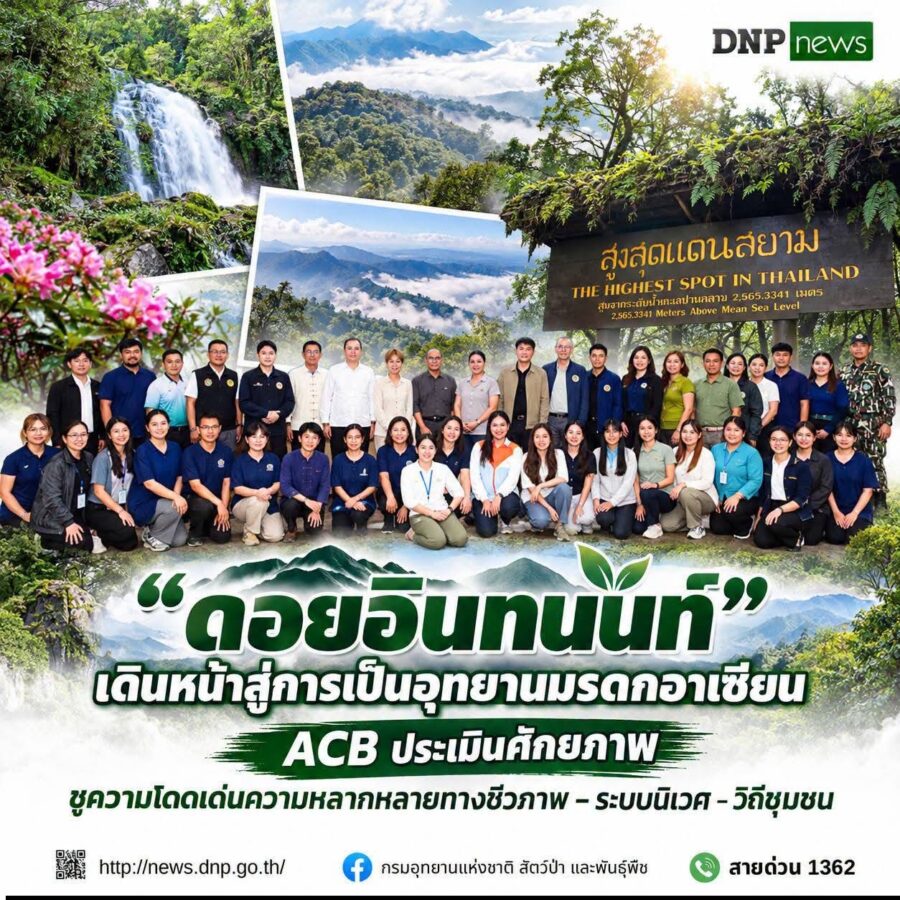
A team of experts from the ASEAN Centre for Biodiversity spent three days last week, September 23 to 25, touring Doi Inthanon National Park to size it up for nomination as an ASEAN Heritage Park. The visit followed a cabinet decision on September 15 to formally put the park forward, and by most accounts it went well.
The assessors walked the checklist you’d expect: biodiversity, ecosystems and habitat, how the park is actually managed day to day, research and monitoring, ecotourism, fire control, and how much local communities are actually involved rather than just mentioned in a brochure. They visited sites, watched operations in real time, and sat down with park officials to compare notes.
What seemed to land with them wasn’t the raw numbers so much as the working relationship between the park and the people living around it. Officials said the ACB team was struck by how closely communities work with the forest, and by how prepared the fire control systems were. Their main suggestion for improvement was more mundane: modernize the plant and wildlife database, make it properly digital, so research and monitoring aren’t stuck in an older era.
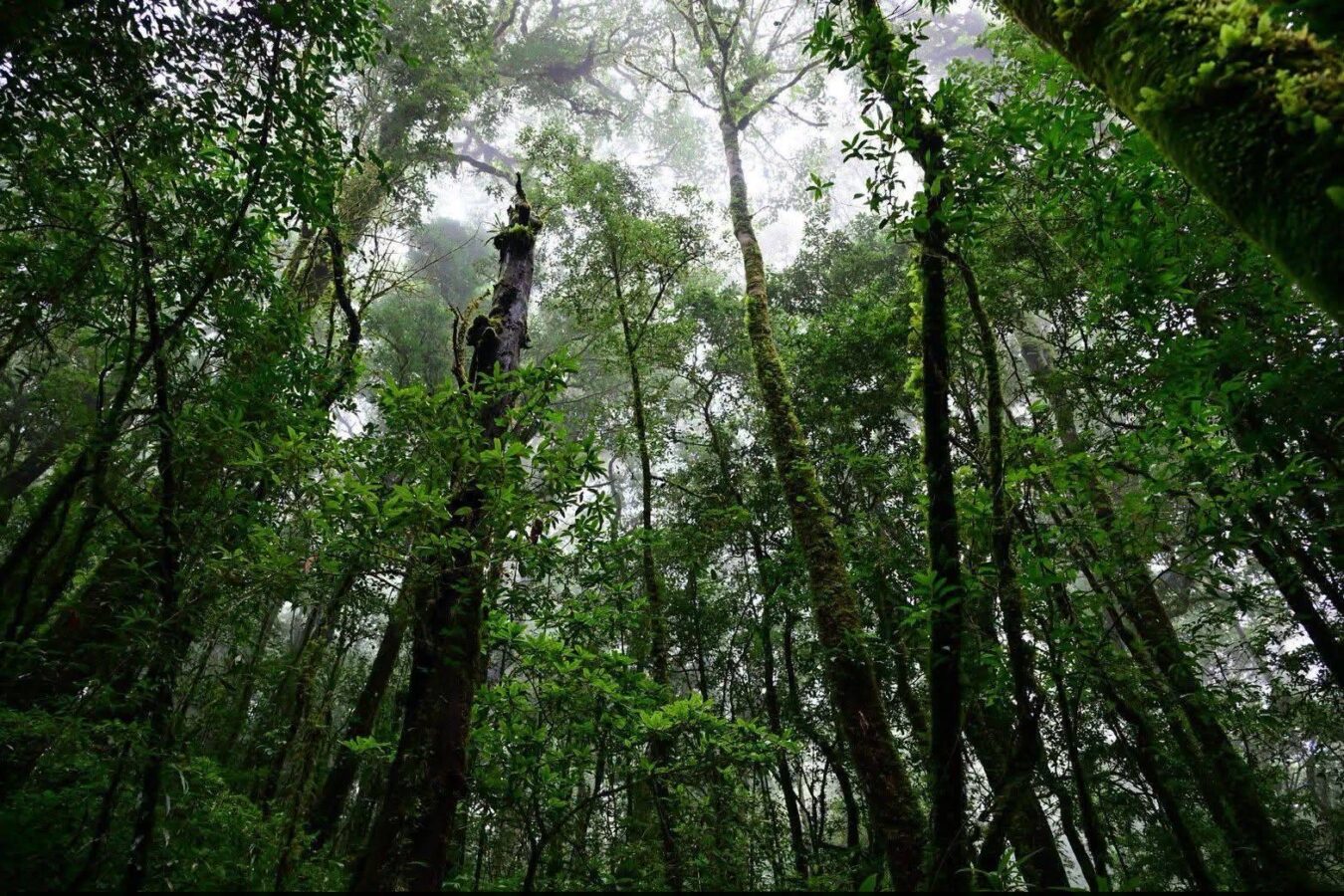
The numbers themselves are hard to argue with. Doi Inthanon spans roughly 300 to 2,565 meters above sea level, home to more than ten forest ecosystem types, including a cloud forest that’s genuinely rare for the region. Over 89 percent of the park is forested, and more than 73 percent falls under strict no-take conservation zones. More than 1,400 species have been recorded there, with biogeographic ties reaching all the way to the Himalayas, plus newly described plants, several endemic species, and rarer wildlife like goral and serow. The peak itself, at 2,565 meters, is the highest point in Thailand.
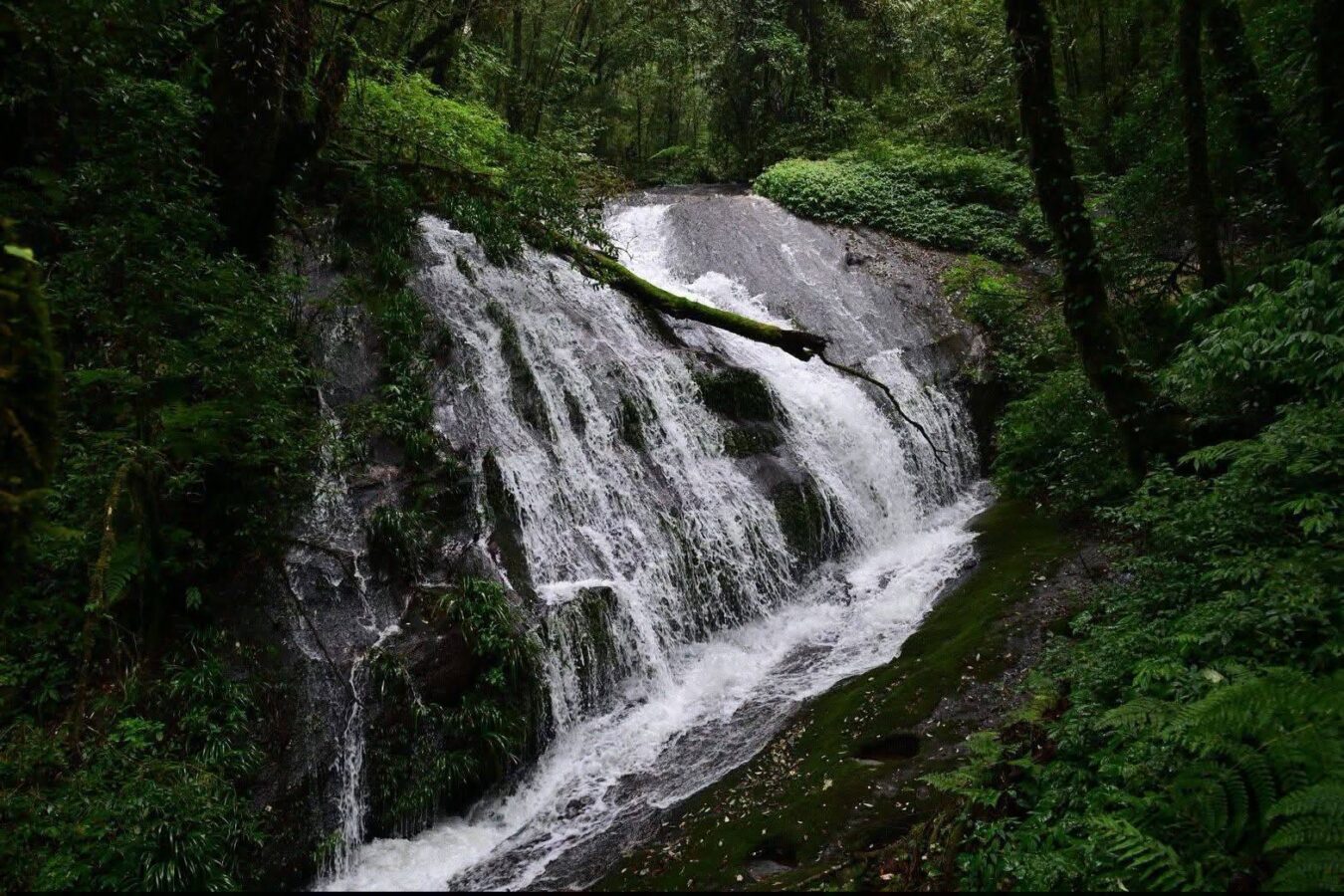
There’s also the practical case for caring about the place beyond biodiversity for its own sake. Doi Inthanon feeds the Ping River, producing over 540 million cubic meters of water a year for seven tambons across four districts in Chiang Mai, more than 35 villages in total. Its carbon storage is estimated at around 13.42 million tons of CO2 equivalent. Management runs under the 2019 National Park Act, with a five-year plan covering 2023 to 2027 and a Protected Area Committee weighing in on how conservation and community life coexist, which they do, largely through Pgaz K’Nyau (Karen) and Hmong communities who’ve lived there a long time and now lead much of the ecotourism work themselves.
If the nomination process stays on this track, officials are expecting the official ASEAN Heritage Park designation sometime in 2027.