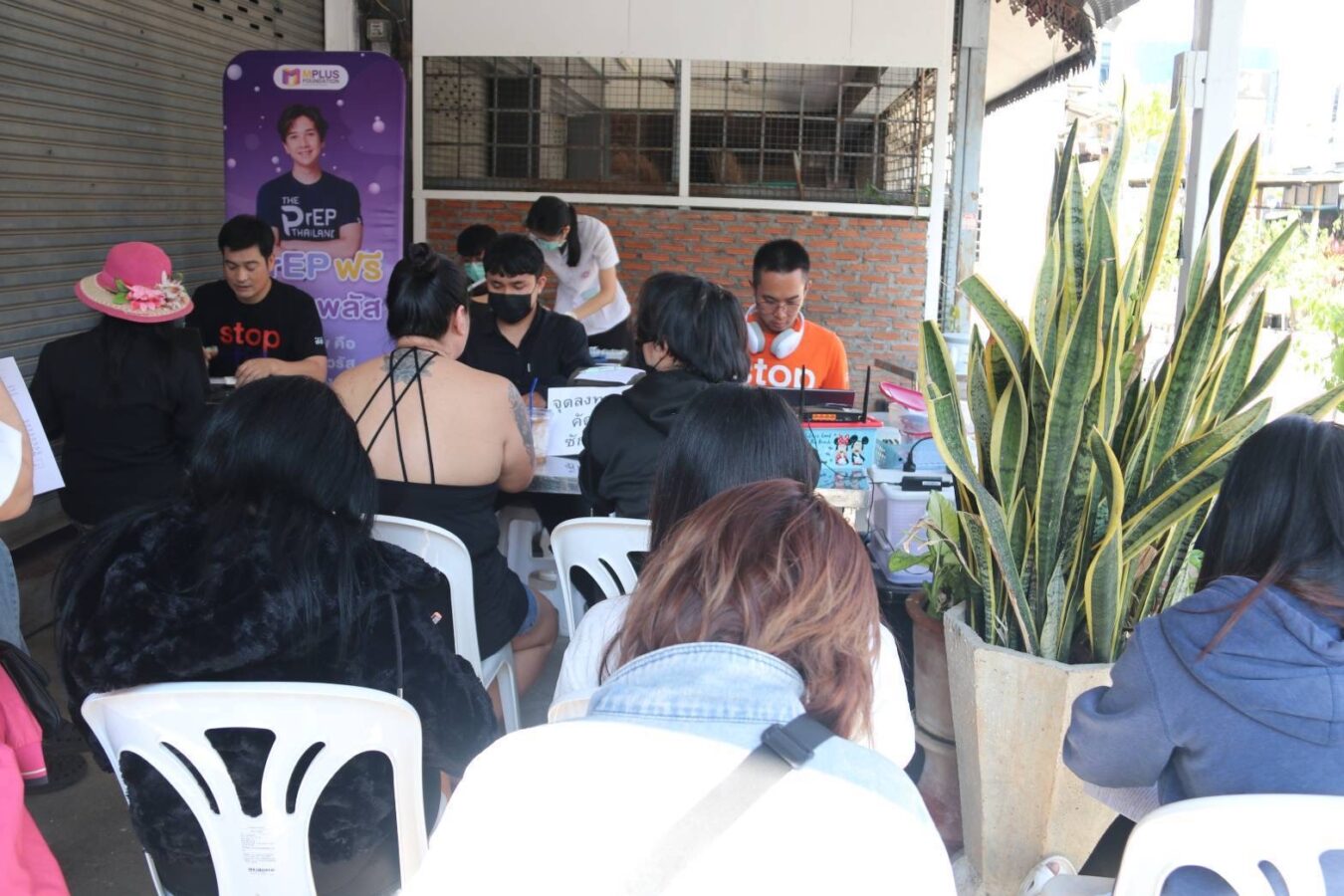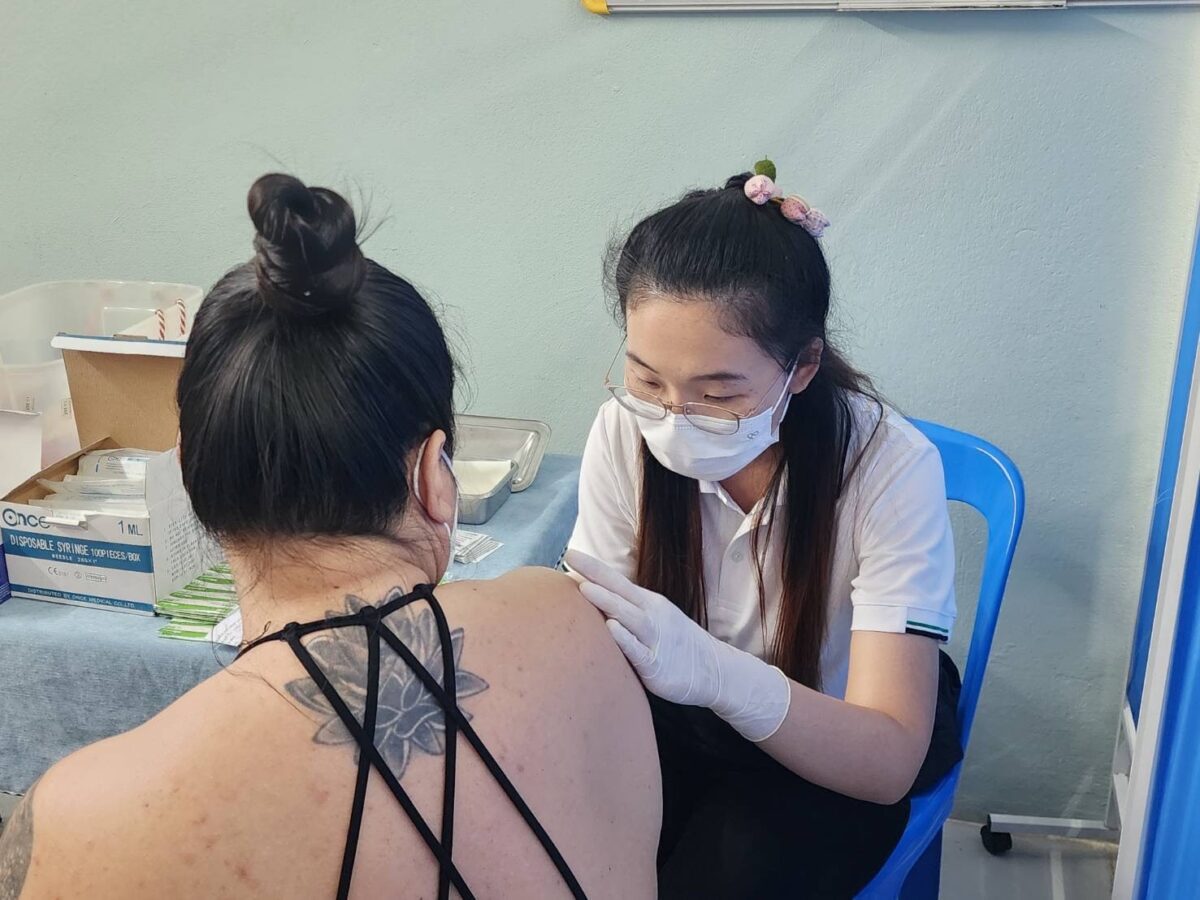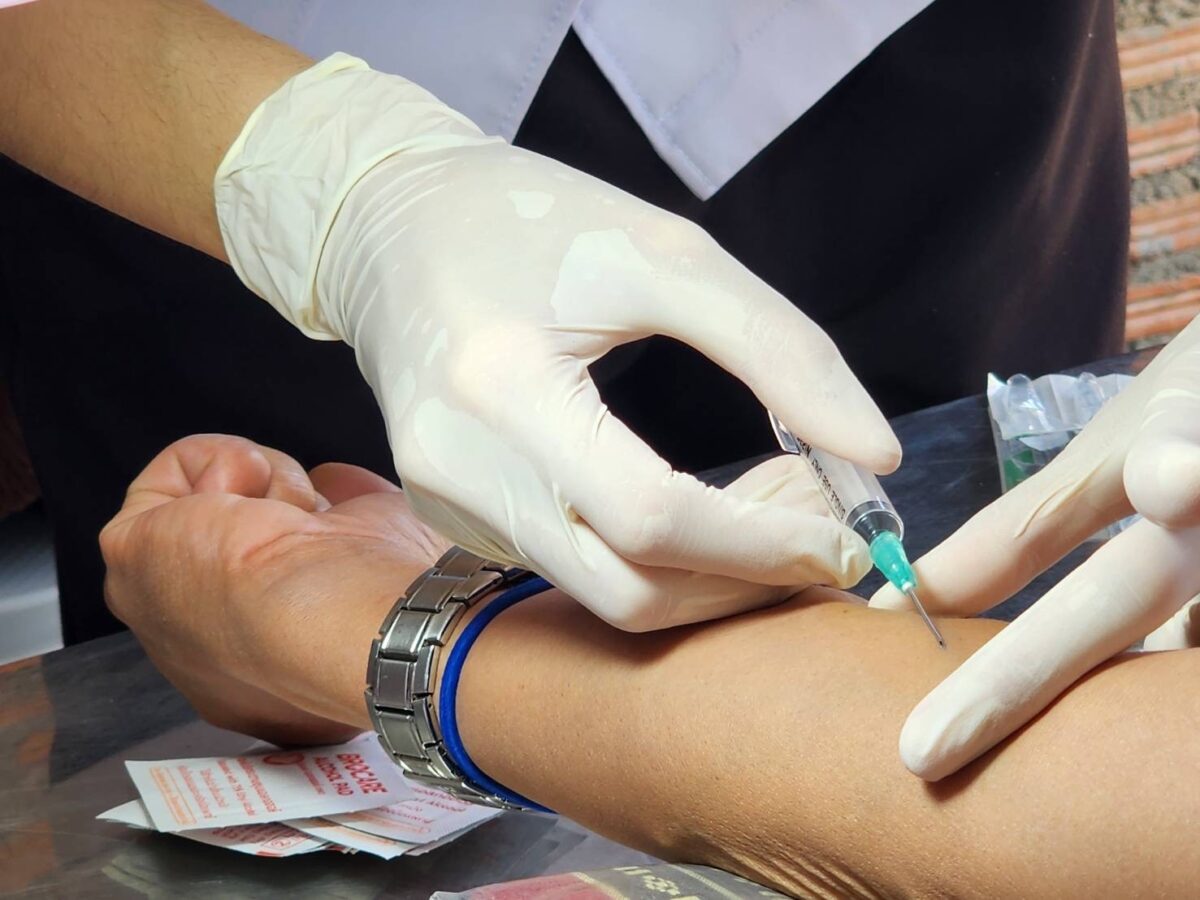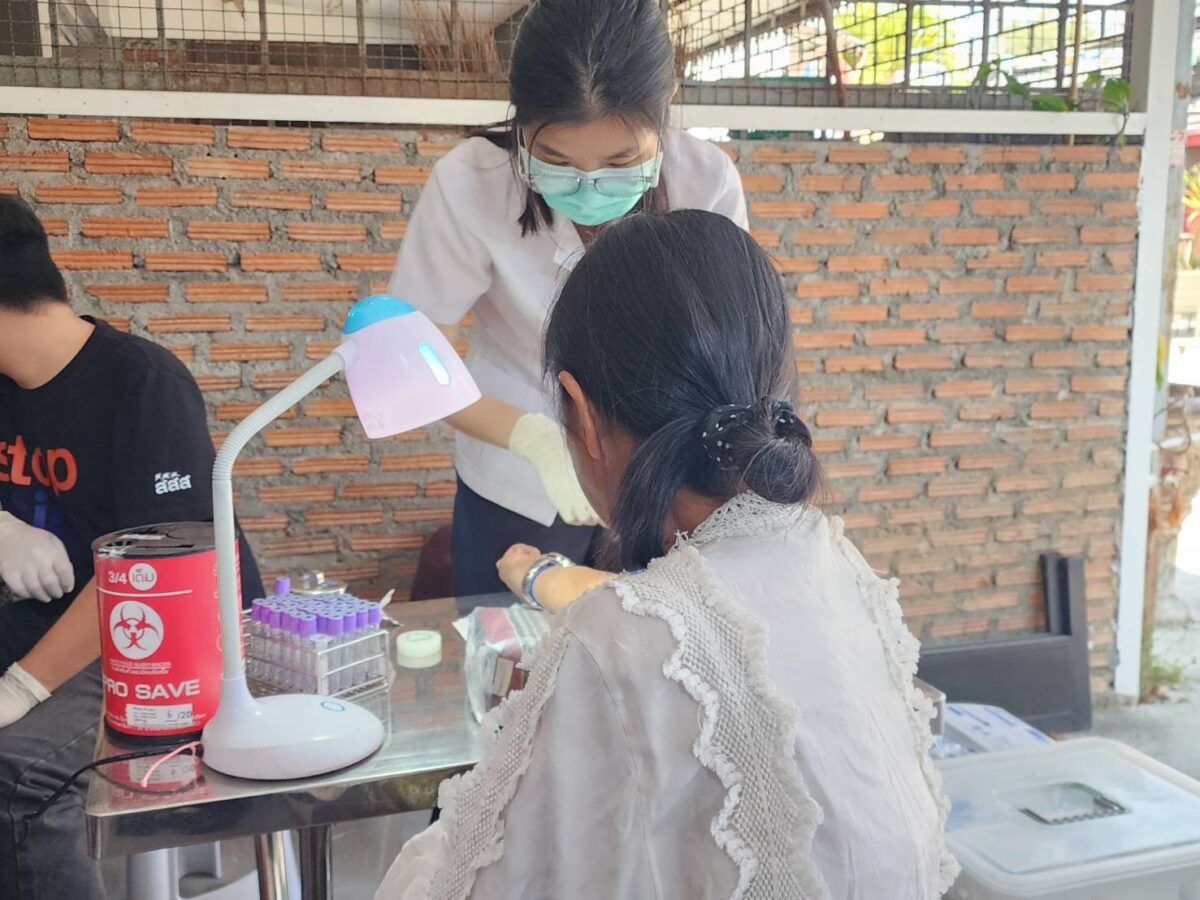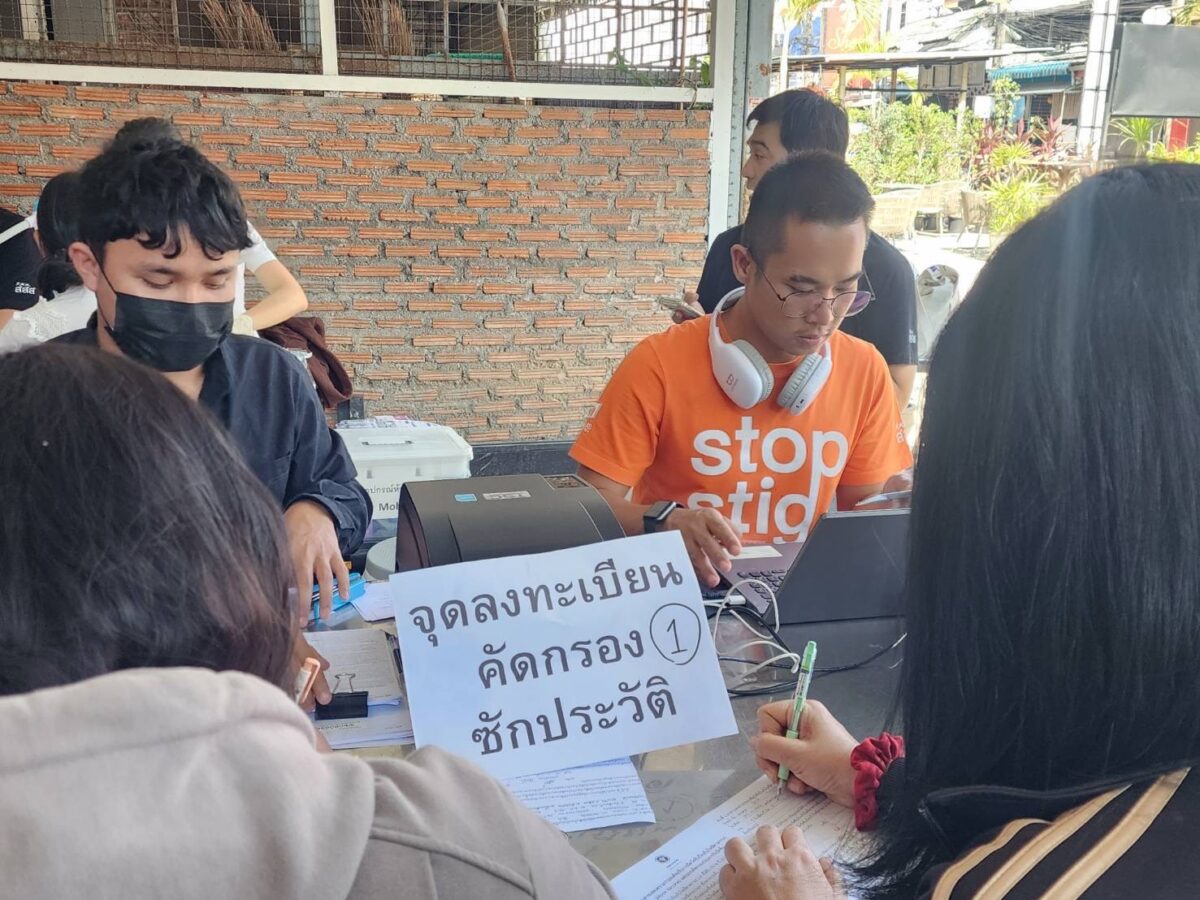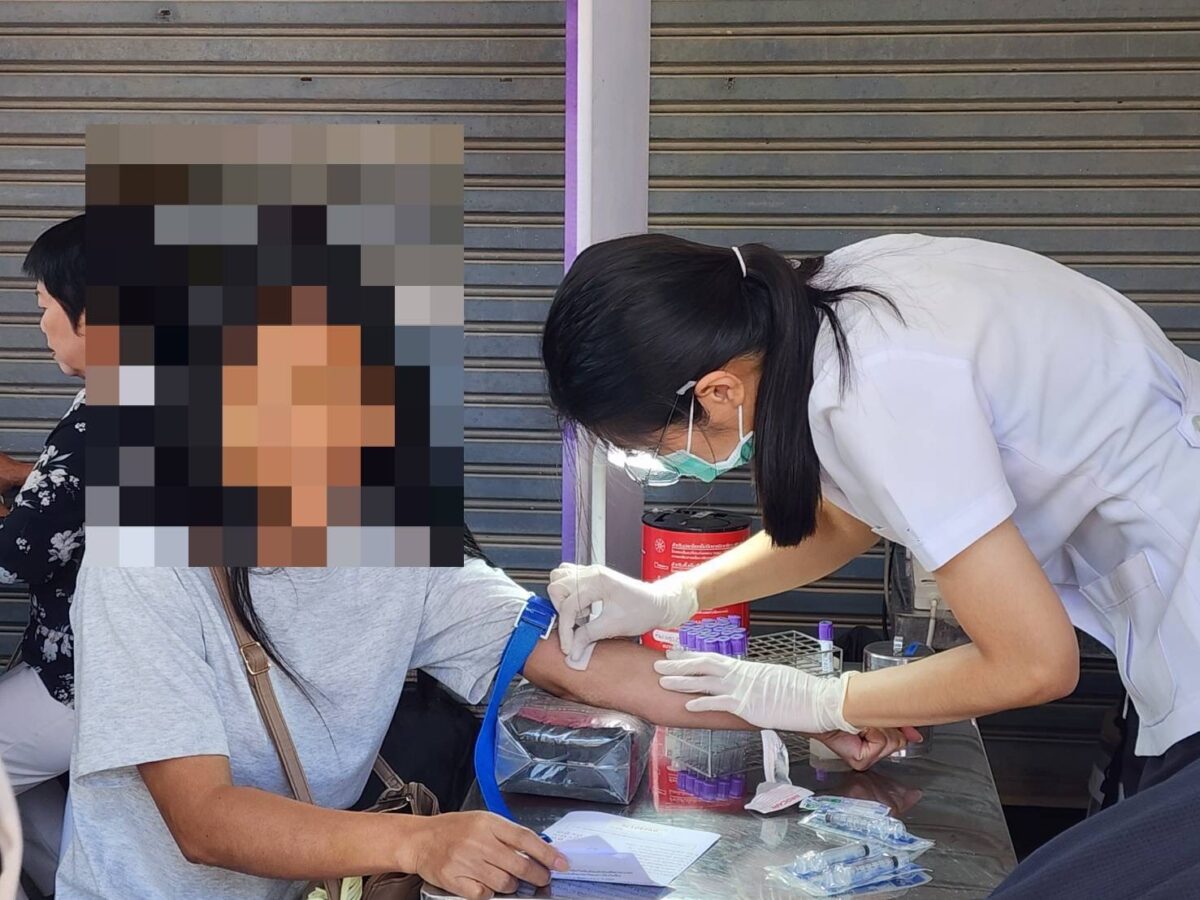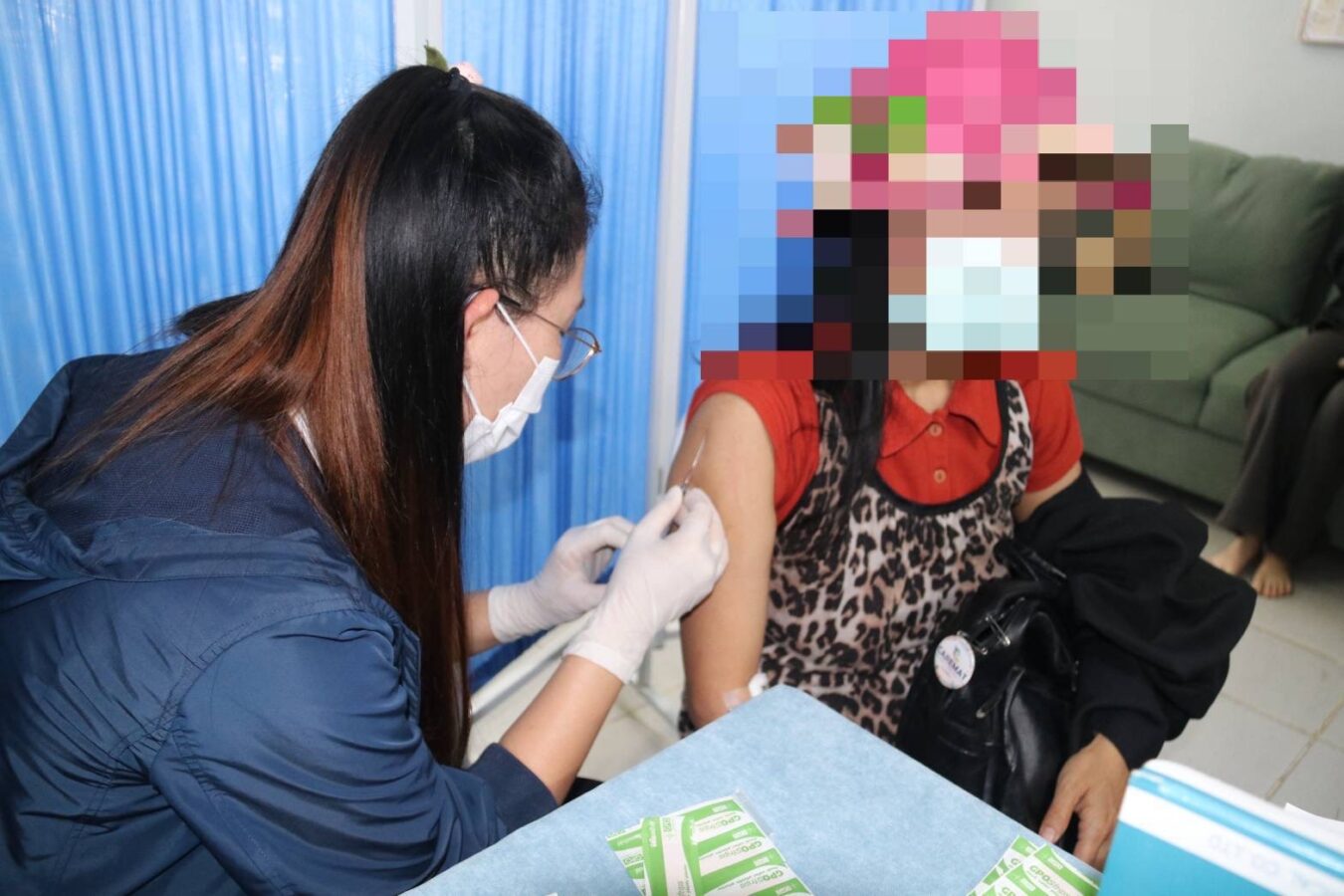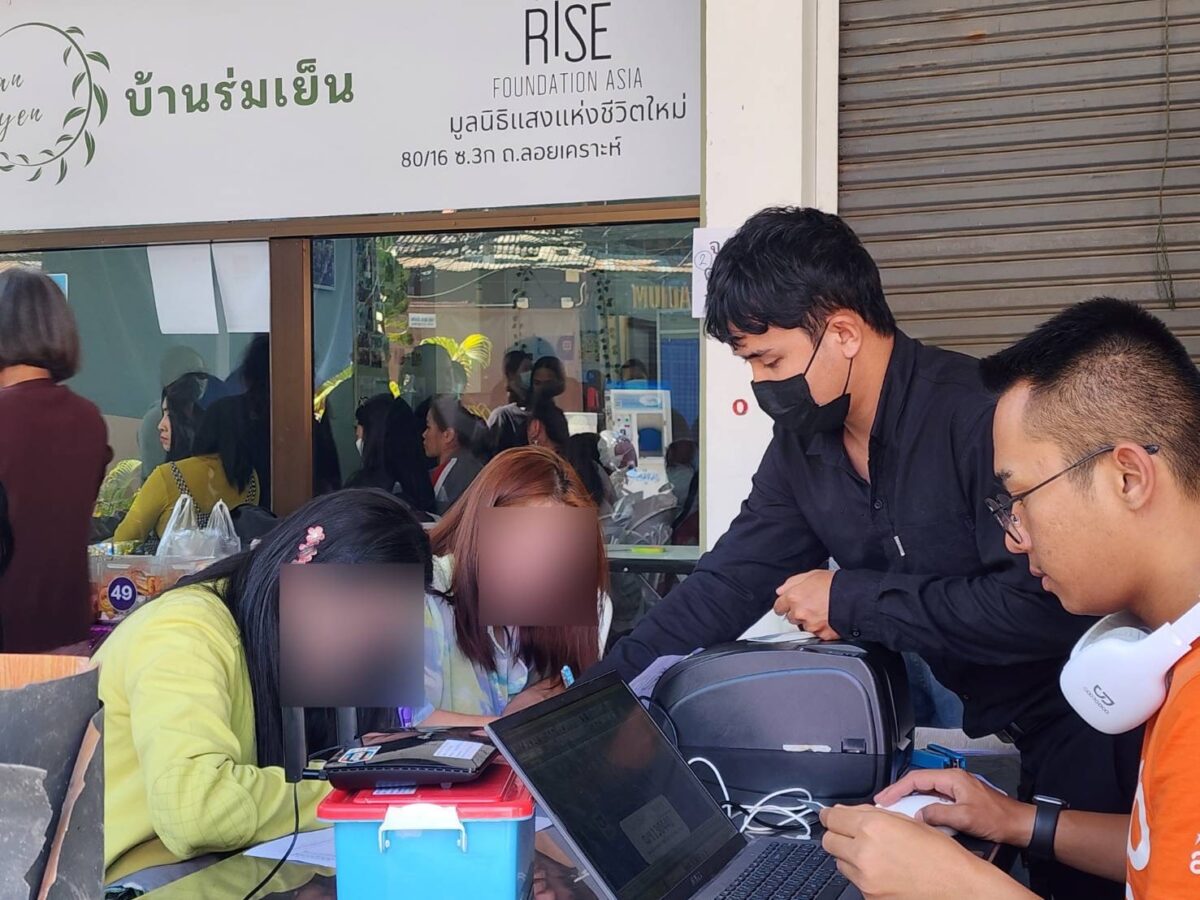
The Chiang Mai Provincial Public Health Office has launched a proactive outreach programme providing free Mpox (monkeypox) vaccinations, along with health education on Mpox, HIV, and sexually transmitted infections (STIs), and the distribution of condoms. The initiative targets traditional Thai massage workers, individuals with high-risk sexual behaviours, and Thai nationals within the LGBTQA+ community. The campaign is being held at the Rise Foundation Asia, located on Loi Kroh Boxing Stadium Soi, Chang Klan.
Thailand recorded its first Mpox case in July 2022. As of now, there have been 1,011 cumulative cases nationwide, including 907 Thai nationals, 100 foreign nationals, and 4 cases with unspecified nationality. The majority of cases were among people aged 30–39, accounting for 43.03% of infections. A total of 14 deaths have been reported. In 2025 alone, 142 cases were recorded (data as of 6th December 2025).
Since 2022, the province has recorded 36 cumulative cases.
According to Mpox surveillance data in Chiang Mai as of 7th January 2026, the majority of patients had a history of sexual contact with strangers (61.9%), followed by contact with foreign nationals (12.7%), and close non-sexual contact (12.7%). Reported symptoms included skin rashes (100%), fever (68.25%), itching (46.03%), sore throat (31.75%), and fatigue and headaches (28.57%). Authorities have also confirmed Mpox clade Ib, a more severe strain, in foreign tourists within Chiang Mai, prompting heightened surveillance in line with guidance from the World Health Organisation (WHO).
In response, the Chiang Mai Provincial Public Health Office has intensified its proactive vaccination campaign, alongside education on Mpox and STIs and condom distribution, focusing on traditional massage workers, high-risk groups, and Thai LGBTQA+ individuals across the province.
Health officials note that Mpox is a viral disease with initial symptoms similar to influenza but more severe, characterised by rashes and pustules. To reduce the risk of infection, the public is advised to avoid close contact with infected individuals, maintain good hygiene, wash hands frequently, avoid sharing personal items, and refrain from sexual contact with infected persons.