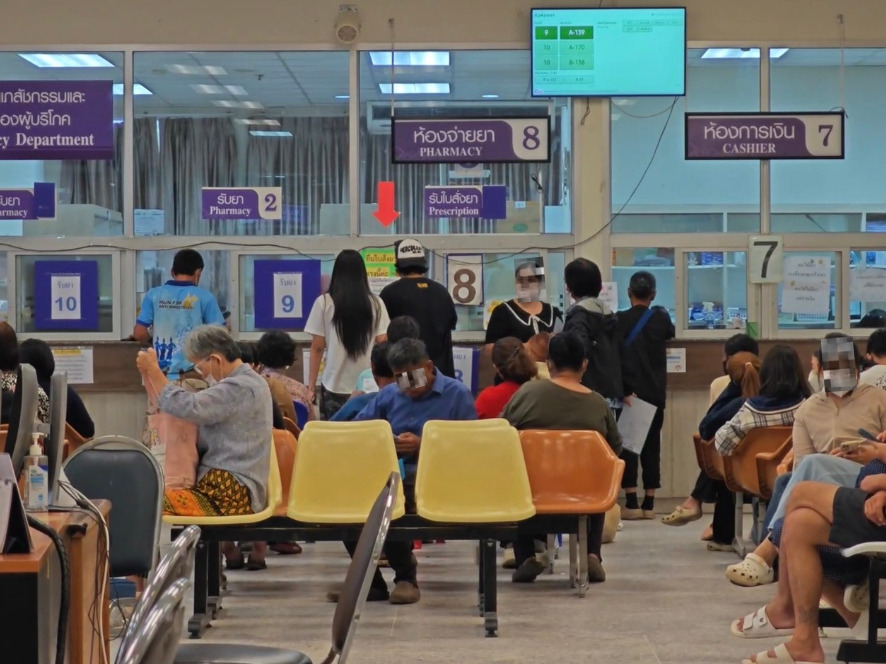
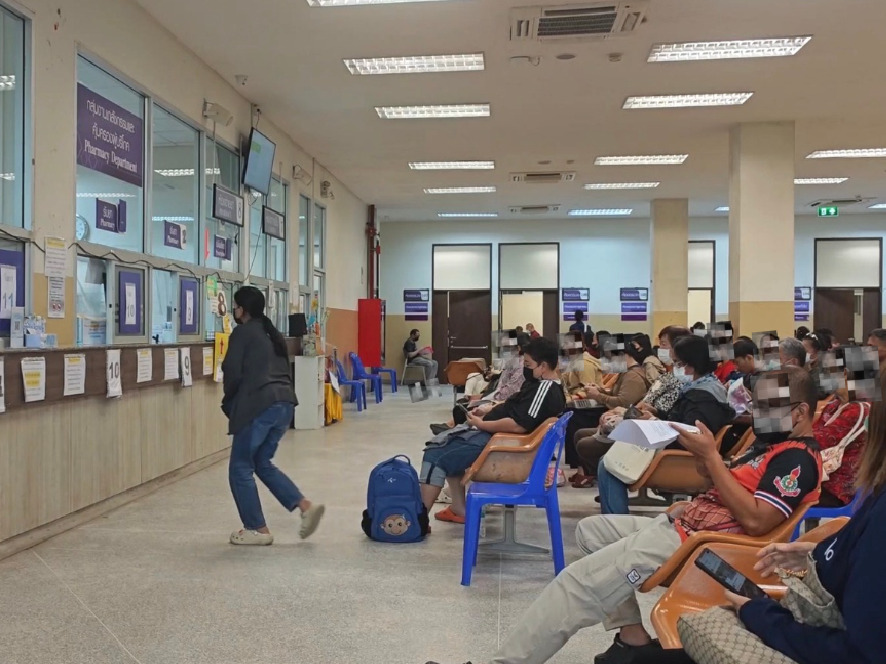
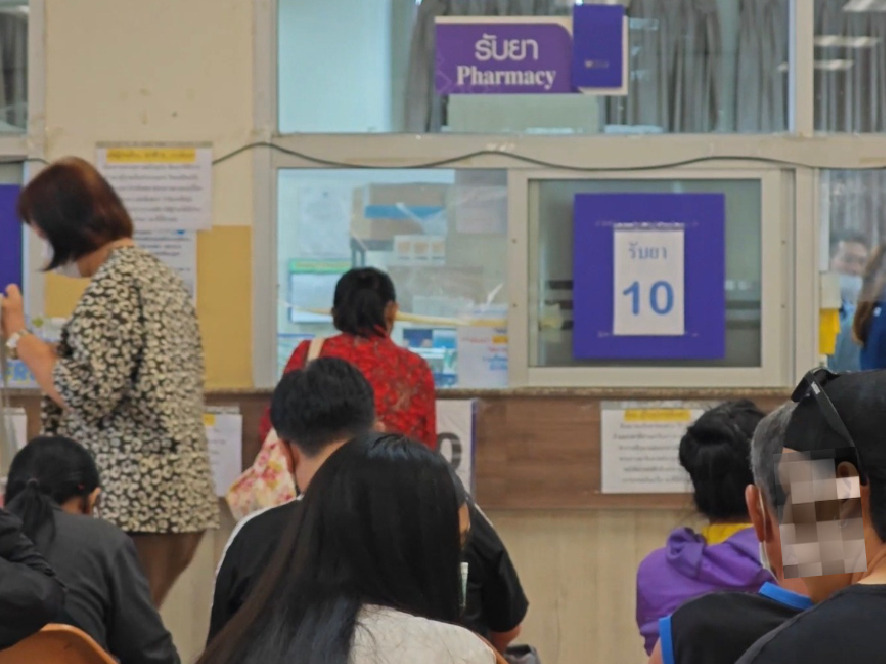
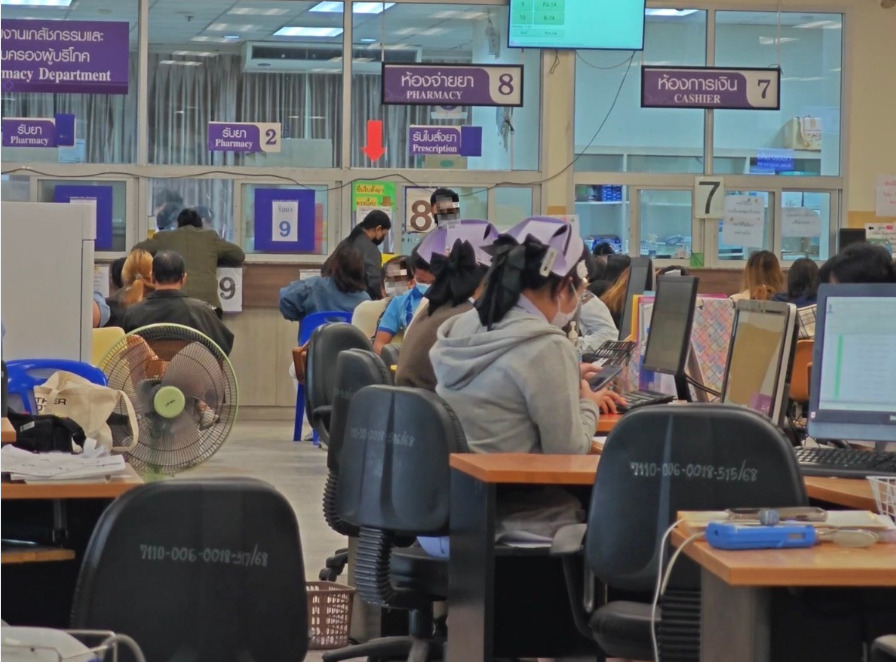
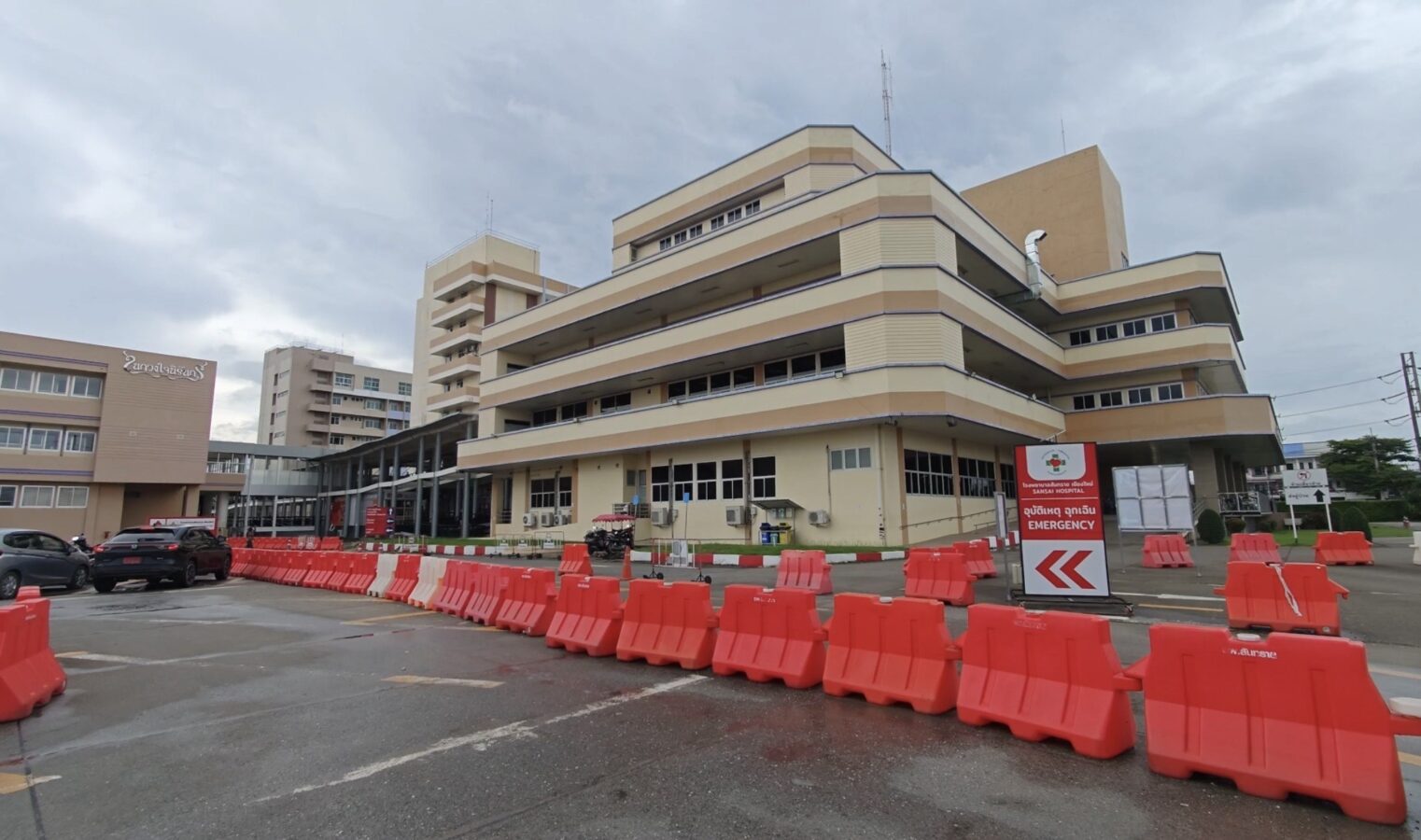
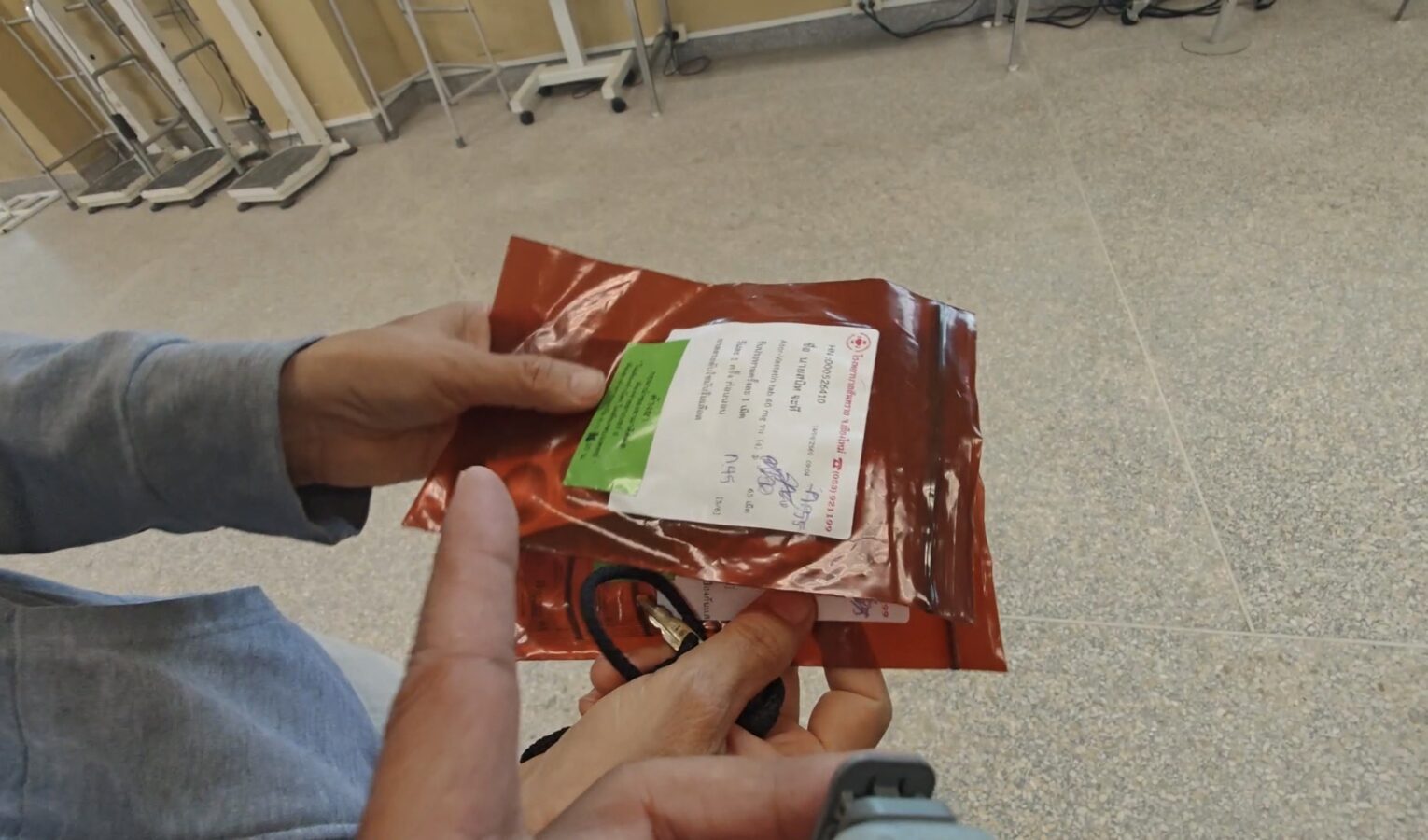
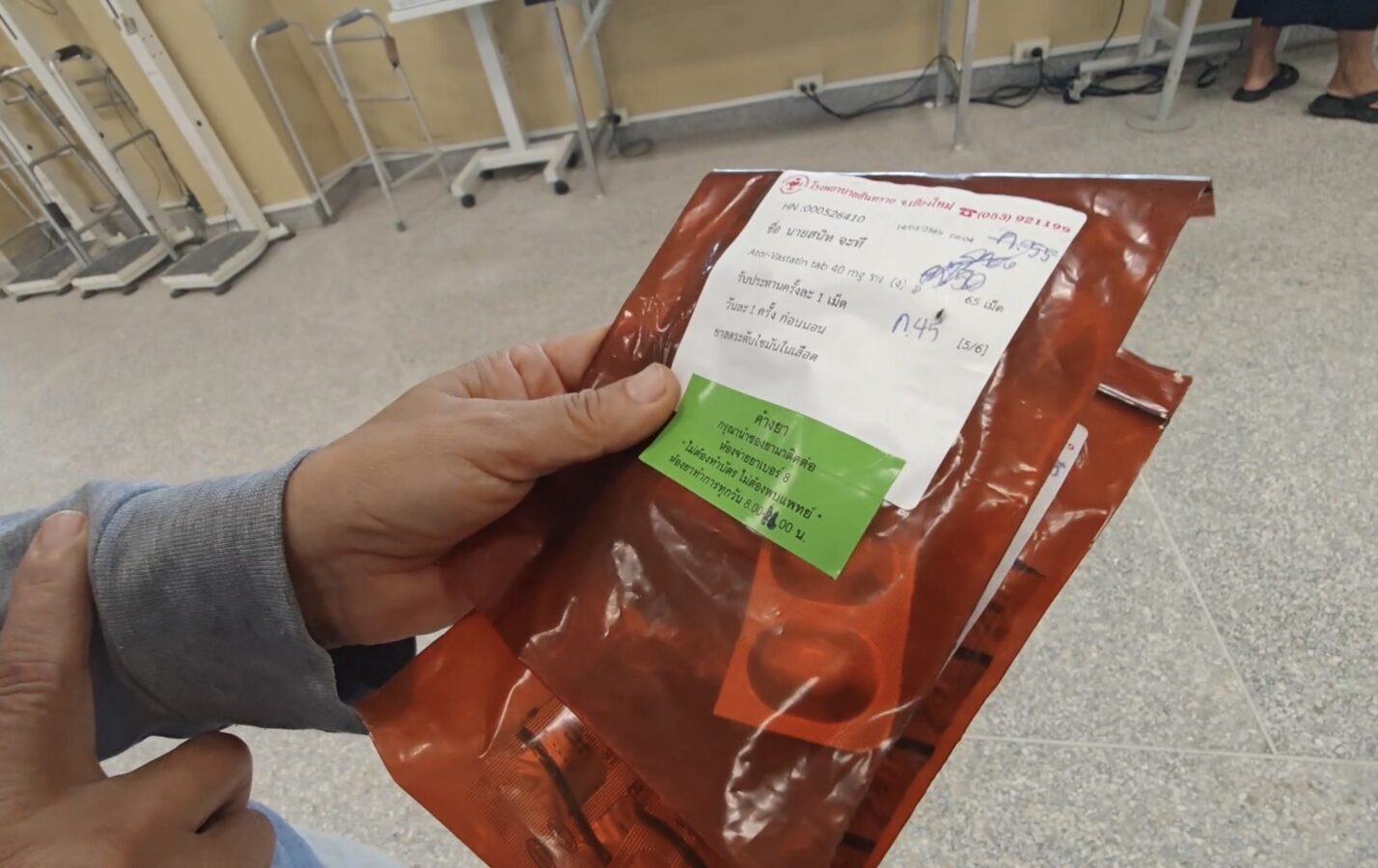
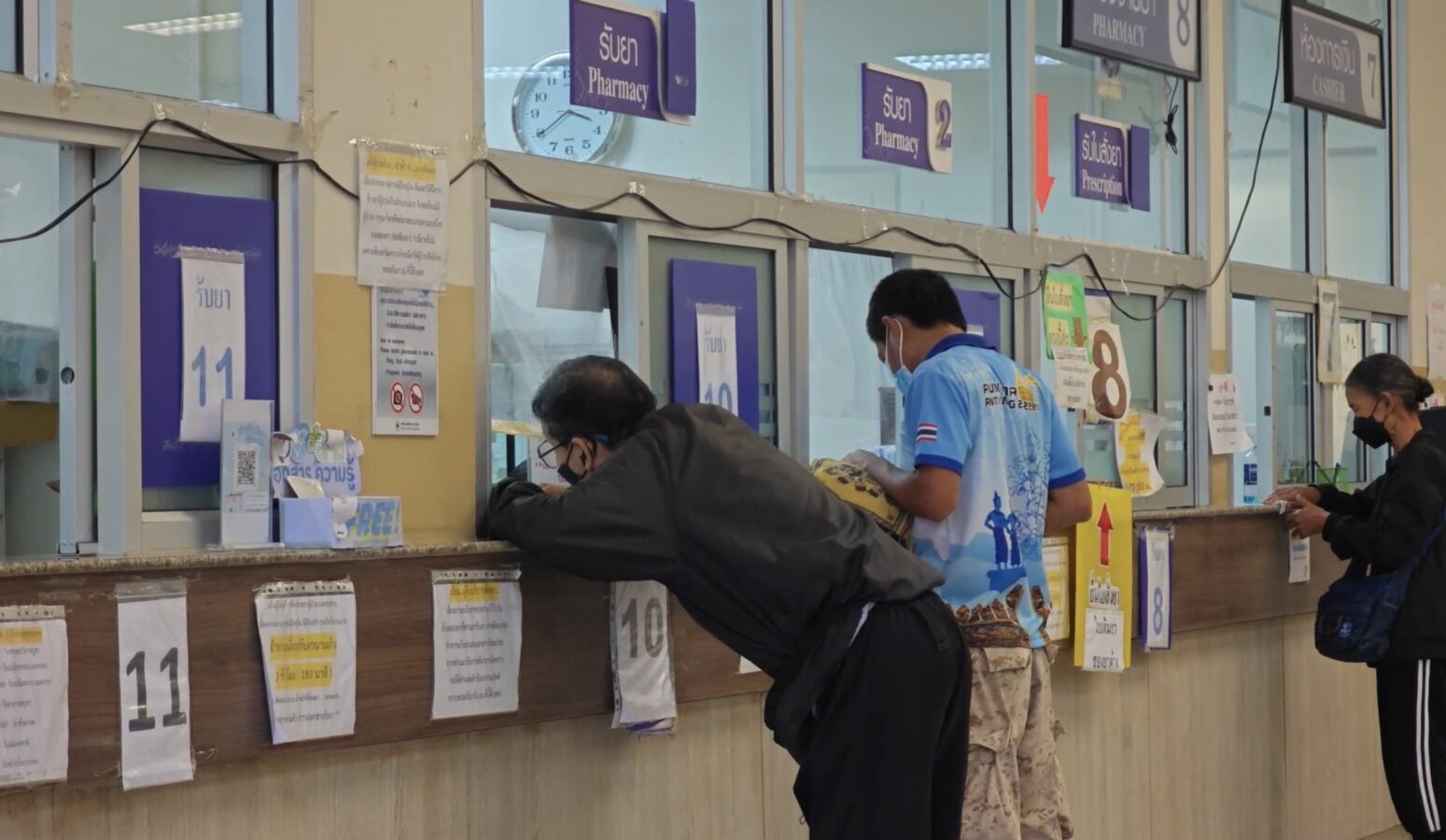
Patients at Sanpatong Hospital in Sanpatong district have been receiving incomplete prescriptions, with some getting only a handful of tablets and others handed empty medicine envelopes, as the hospital grapples with a drug shortage that has now dragged on for almost a year.
One patient attending a follow-up appointment for heart and blood pressure medication described travelling more than 70 kilometres round trip from Huai Hong Khrai in Doi Saket district, only to receive 5 tablets out of the 50 prescribed. Since the medication needs to be taken daily, she will have to return within 5 days for the remaining dose, with no guarantee of how much she will be given next time. She said the shortage has persisted for nearly a year without clear explanation, forcing her to spend more on travel and time and called for a swift fix.
Dr Worawut Khowatcharakul, director of Sanpatong Hospital, said the shortage stems from two main causes. The war in the Middle East has cut production of certain drugs or stopped it altogether, leading to intermittent shortages. Separately, the hospital’s own cash flow has suffered because some debtors have failed to pay, or paid late, leaving the hospital unable to settle its bills with pharmaceutical suppliers, who in turn slowed deliveries. Some debtors have recently begun paying in instalments, allowing the hospital to clear part of its debt and renegotiate with suppliers, who have started sending stock again.
Dr Worawut said the same problem is affecting hospitals elsewhere, compounded by the end of the fiscal year and competing budget pressures. He acknowledged the hospital’s funding is tight, as it is a state hospital where nearly all patients use the gold card universal healthcare scheme, leaving little revenue from other sources. A lasting fix, he said, would likely require structural change at policy level.
To limit the impact on patients, the hospital has been borrowing drugs from other facilities. Sanpatong Hospital serves a population of almost 400,000 across 7 districts, with more than 1,000 patients a day. Scheduled patients allow for some forward planning of drug supply, but walk-ins make shortages harder to predict. The current workaround is to dispense what’s available and book patients in for a follow-up, then deliver the remaining medication to patients’ homes once new stock arrives, to cut down on repeat travel. Dr Worawut said the situation is improving, with several drugs now arriving in batches, and expects things to return to normal within 2 weeks.